Rahul Gandhi, Priyanka Gandhi Detained After Anti-CEC Protest, Later Released
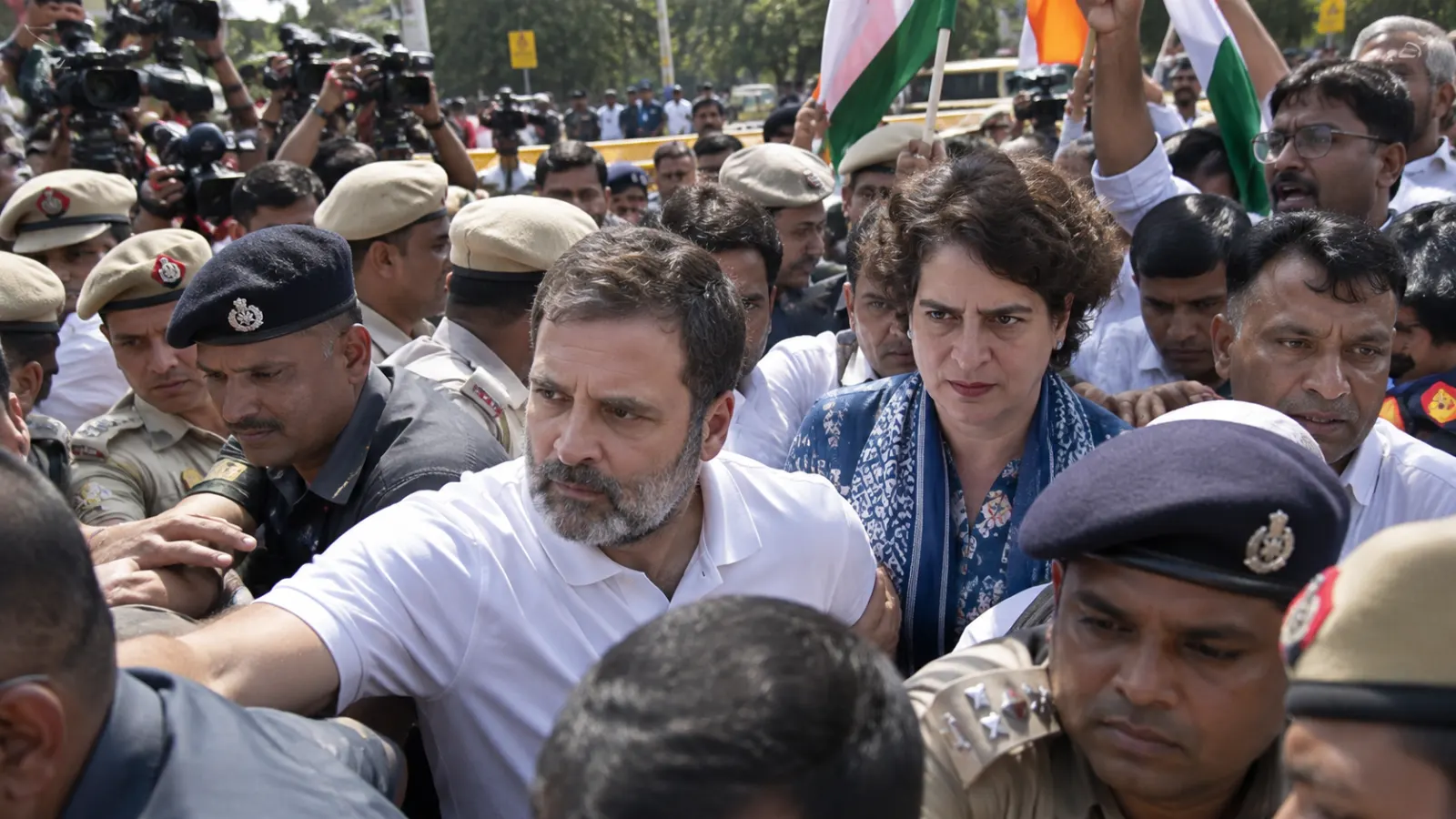
Congress leaders Rahul Gandhi and Priyanka Gandhi Vadra were detained by Delhi Police after an hours-long Opposition protest near the Election Commission of India headquarters in New Delhi, before being released later in the night. The demonstration intensified a growing political confrontation over Chief Election Commissioner Gyanesh Kumar and the Election Commission’s handling of electoral-roll revisions.
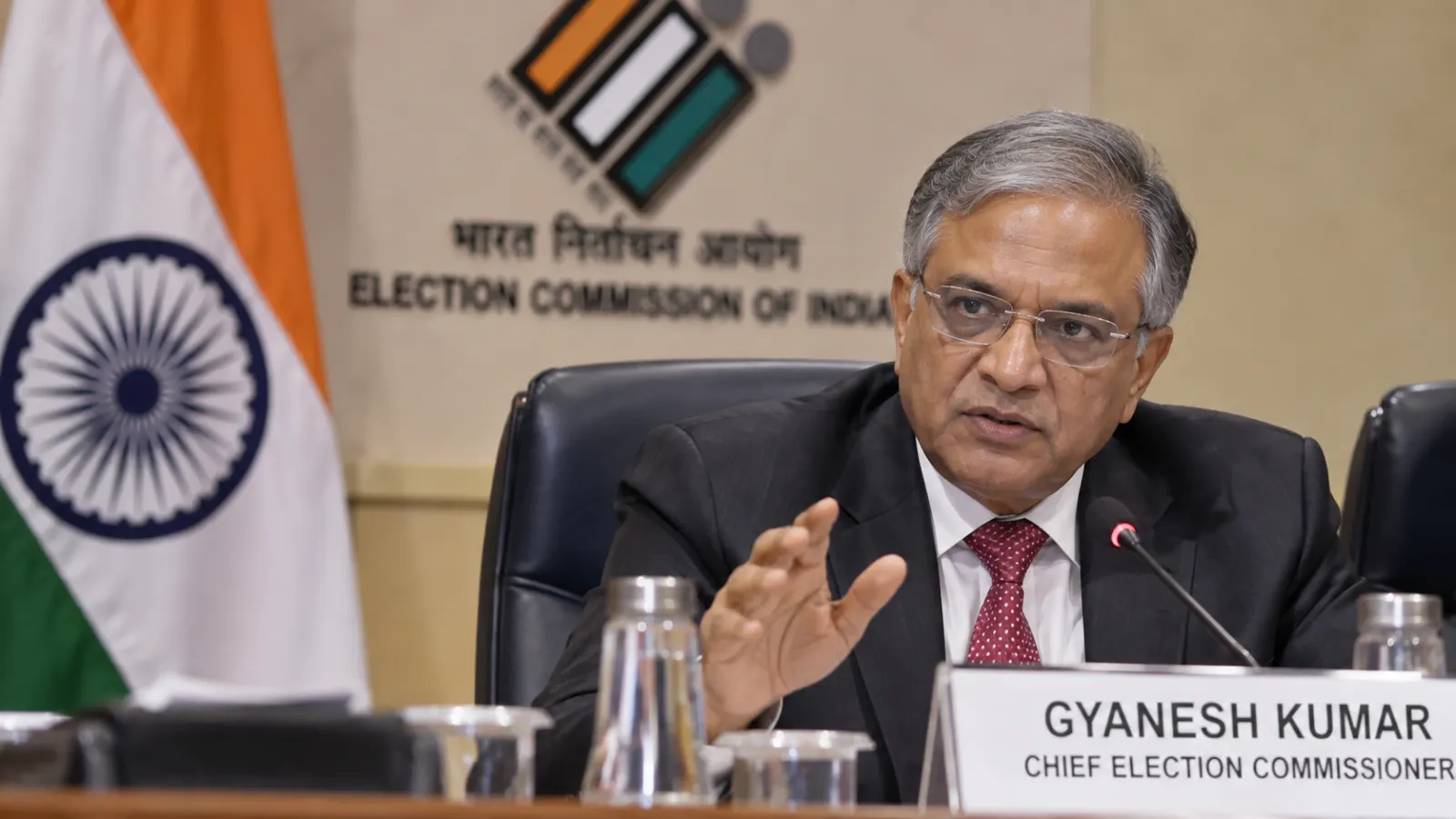
Rahul Gandhi, the Leader of the Opposition in the Lok Sabha, joined INDIA bloc MPs in demanding the resignation of the Chief Election Commissioner and seeking a meeting with Election Commission officials. Opposition parties have alleged serious irregularities in electoral rolls and have repeatedly used the phrase “vote chori” while questioning additions and deletions of voters.
The Election Commission and the government have rejected allegations that electoral-roll revisions are designed to benefit the ruling BJP, maintaining that such exercises are intended to keep voter lists accurate and remove duplicate, deceased or otherwise ineligible entries.
Protest near Election Commission turns into hours-long standoff
The confrontation began when Opposition MPs attempted to march towards the Election Commission headquarters in central Delhi. Police barricades prevented them from proceeding, and several leaders were detained as demonstrations continued around Parliament Street.
Rahul Gandhi was seen climbing onto a police barricade while holding the national flag as Opposition leaders continued pressing their demand to meet the Chief Election Commissioner. Priyanka Gandhi Vadra was also among the senior Congress figures participating in the demonstration.
The protest took an unexpected turn when Rahul and Priyanka Gandhi moved into the Akashvani Bhavan premises after police began clearing demonstrators from the area. Several other Opposition leaders later joined them as the protest developed into a prolonged sit-in.
The leaders maintained that they wanted to meet Chief Election Commissioner Gyanesh Kumar and discuss what they described as serious problems in India's electoral system. Police maintained a substantial security presence around the area as the standoff continued for several hours.
By evening, police moved in and detained Rahul Gandhi, Priyanka Gandhi Vadra and several other Opposition leaders. They were transported away from the protest site and subsequently released later that night.
Why Opposition parties are targeting CEC Gyanesh Kumar
The immediate dispute centres on the Election Commission's Special Intensive Revision of electoral rolls and broader Opposition allegations about voter-list management.
Opposition parties have questioned whether legitimate voters are being removed from electoral rolls while potentially questionable names are being added. Rahul Gandhi and other INDIA bloc leaders have increasingly made electoral integrity a central political issue, arguing that voter lists require greater transparency and independent scrutiny.
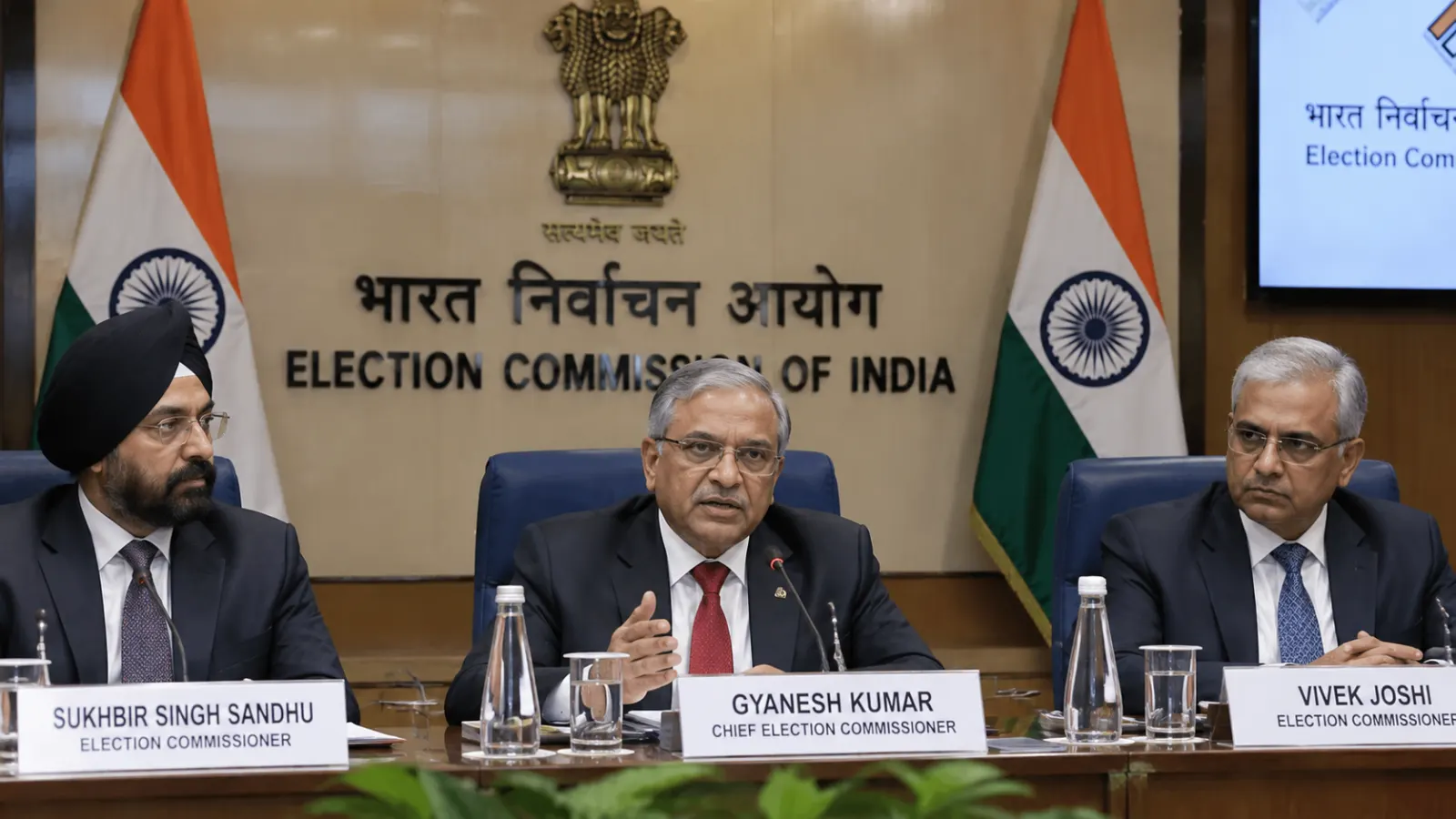
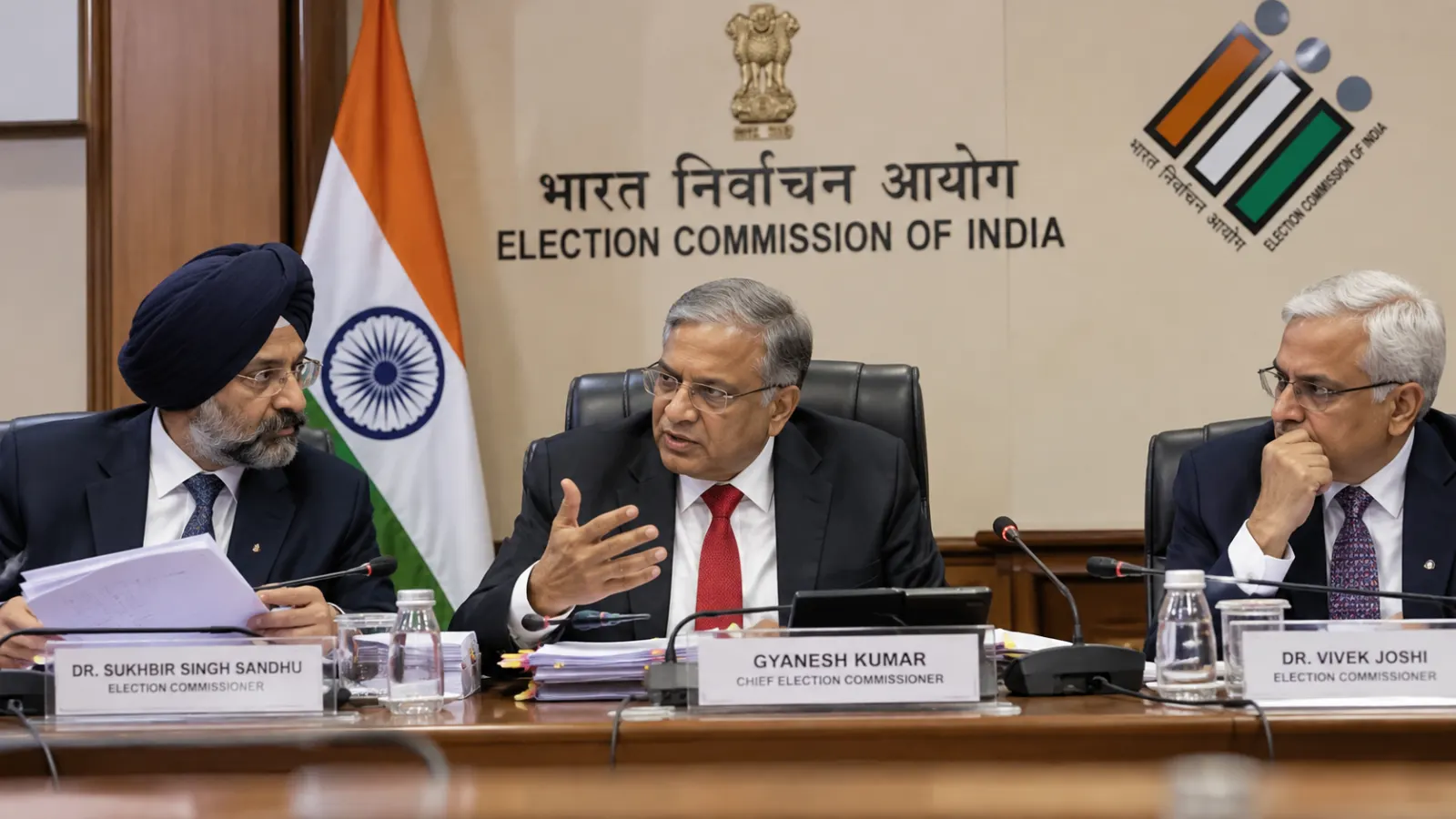
The dispute has also focused directly on the functioning of the Election Commission under CEC Gyanesh Kumar. Opposition leaders have demanded his resignation and accused the Commission of failing to adequately address their concerns.
However, allegations of deliberate manipulation remain strongly disputed. Election authorities have defended electoral-roll revision as a routine and necessary process designed to identify duplicate registrations, deaths, migration and other changes affecting voter eligibility.
This distinction is important. The Opposition is making serious allegations about the electoral process, but allegations of organised “vote theft” have not by themselves established that an election was manipulated.
Rahul Gandhi sharpens attack on Election Commission
Rahul Gandhi adopted an increasingly confrontational tone during the protest, saying he intended to continue challenging the Election Commission over alleged irregularities.
The Congress leader has sought to turn electoral-roll management into a national political issue rather than treating it as an administrative dispute confined to individual constituencies or states.
His campaign could have significant political consequences because trust in the Election Commission is central to India's electoral system. The institution administers national and state elections and traditionally operates independently of the government.
That makes allegations against the Commission politically sensitive. Opposition parties are trying to convince voters that concerns about electoral rolls represent a systemic democratic problem, while the government and election authorities argue that the claims exaggerate standard procedures intended to improve voter-list accuracy.
The detention of senior Opposition leaders has now added another dimension to the dispute by shifting attention from electoral administration to the right of political parties to protest.
INDIA bloc turns electoral rolls into national campaign
Several INDIA bloc parties participated in the demonstration, indicating that the issue is increasingly becoming a coordinated Opposition campaign rather than a Congress-only protest.
Leaders from multiple Opposition parties joined the attempt to reach the Election Commission and the subsequent demonstration. Their participation allows the alliance to frame concerns about electoral rolls as an institutional issue affecting the entire Opposition.
The protests also provide Rahul Gandhi with a politically potent argument: that electoral transparency and democratic institutions should become central subjects of Opposition mobilisation.
For the INDIA bloc, maintaining unity around that message could be just as important as the immediate demand for Gyanesh Kumar's resignation. Opposition alliances have frequently struggled to maintain coordinated campaigns because their constituent parties compete against one another in several states.
Electoral integrity, however, offers an issue on which multiple Opposition parties can potentially coordinate without resolving their broader political differences.
Protests continue after Rahul and Priyanka Gandhi's release
The release of Rahul Gandhi, Priyanka Gandhi Vadra and other leaders did not end the confrontation.
Opposition leaders indicated that demonstrations against the Chief Election Commissioner would continue, and fresh political activity was organised in Delhi the following day. Rahul Gandhi again joined protests as INDIA bloc leaders attempted to maintain pressure on the Election Commission.
The repeated demonstrations suggest that the dispute is unlikely to disappear quickly. What began as criticism of voter-list revision has developed into a broader political confrontation involving the Election Commission, Opposition parties and the central government.
Whether the campaign gains wider public traction will depend partly on the evidence Opposition parties produce to support their allegations and how transparently the Election Commission responds to questions about additions and deletions from voter lists.
For now, the detention and subsequent release of Rahul Gandhi and Priyanka Gandhi has ensured that the controversy remains at the centre of India's political debate. With Opposition parties promising further protests, the confrontation over the Election Commission and electoral rolls is likely to remain a significant national political issue in the days ahead.