Key Evidence Bullets
Carbohydrates are sugar molecules; the body breaks many of them into glucose, a key energy source for cells, tissues and organs.
Carbohydrate quality matters: whole grains, legumes, fruits and vegetables differ from added sugars, refined grains and sugary drinks.
Fiber-rich carbohydrates can support satiety, gut health and steadier digestion compared with refined carbohydrates.
People with diabetes, prediabetes or metabolic disease should get individualized medical or dietetic guidance rather than following generic carbohydrate rules.
Carbohydrates have become one of the most debated parts of modern nutrition. For some people, carbs are comfort: rice, roti, bread, fruit, potatoes, dal, sweets and family meals. For others, carbs are the villain blamed for weight gain, diabetes, tiredness and belly fat. Fitness culture often pushes low-carb diets. Traditional diets often depend heavily on grains. Medical advice may ask some people to control carbohydrate quality and portions. So the question naturally arises: are carbohydrates a friend or a foe?
The honest answer is that carbohydrates are neither automatically good nor automatically bad. They are a major source of energy, and many healthy foods contain them. But carbohydrate quality, portion size, processing, timing, activity level and medical context matter. A bowl of lentils, a fruit, a millet roti and a sugary soft drink are all carbohydrate-containing foods, but they do not have the same effect on the body. The mistake is treating all carbs as one category.
To understand carbohydrates properly, we need to move beyond slogans. The body uses carbohydrates. The brain and muscles can benefit from them. Many fiber-rich carbohydrate foods support digestion and long-term health. At the same time, diets high in refined grains, added sugar, sweet drinks and low-fiber processed foods can contribute to excess calorie intake and poor metabolic health. Carbohydrates become a friend when they come from better sources and fit the person’s needs. They become a foe when they dominate the diet in refined, sugary and oversized forms.
What carbohydrates actually are
Carbohydrates are molecules made of sugar units. During digestion, many carbohydrates are broken down into glucose. Glucose enters the bloodstream and is used by cells for energy. Some glucose is used immediately, while some can be stored as glycogen in the liver and muscles for later use. When energy intake regularly exceeds the body’s needs, excess energy from any macronutrient can contribute to fat storage.
Carbohydrates come in different forms. Sugars are simple carbohydrates. They occur naturally in foods such as fruit and milk, but they are also added to sweets, desserts, soft drinks, packaged juices, cereals and snacks. Starches are longer chains of glucose found in grains, pulses, potatoes and many staple foods. Fiber is also a carbohydrate, but the body does not digest it in the same way. Fiber supports bowel function, feeds gut bacteria, improves fullness and can help moderate the speed at which food affects blood sugar.
This distinction is crucial. When someone says carbs are bad, they may actually be thinking of sugar, refined flour, sweets, biscuits or sweet drinks. But vegetables, fruits, beans, lentils and whole grains also contain carbohydrates. If all carbohydrates are removed blindly, the diet may lose fiber, vitamins, minerals and cultural sustainability.
Why the body likes carbohydrates
Carbohydrates are an efficient fuel source. During normal digestion, glucose becomes available to cells. Muscles use glucose during activity. The brain uses glucose as a major fuel under usual conditions. The liver helps regulate blood glucose between meals. In active people, stored glycogen in muscles supports performance and recovery.
This is why many people feel better when meals include some quality carbohydrates. A person doing physical work, studying long hours, exercising, walking a lot or recovering from illness may need energy that is easy for the body to use. Very low-carbohydrate diets can work for some people under supervision, but they are not automatically necessary for everyone. Some people experience fatigue, irritability, constipation or poor exercise performance when they cut carbohydrates drastically without planning.
Carbohydrate-containing foods can also bring more than energy. Fruits bring vitamins, minerals, water and fiber. Pulses bring carbohydrates, protein, fiber and minerals. Whole grains bring energy, fiber and B vitamins. Vegetables bring fiber and micronutrients. Milk brings carbohydrate in the form of lactose along with protein and calcium. The nutritional value depends on the whole food, not the carbohydrate label alone.
The difference between high-quality and low-quality carbs
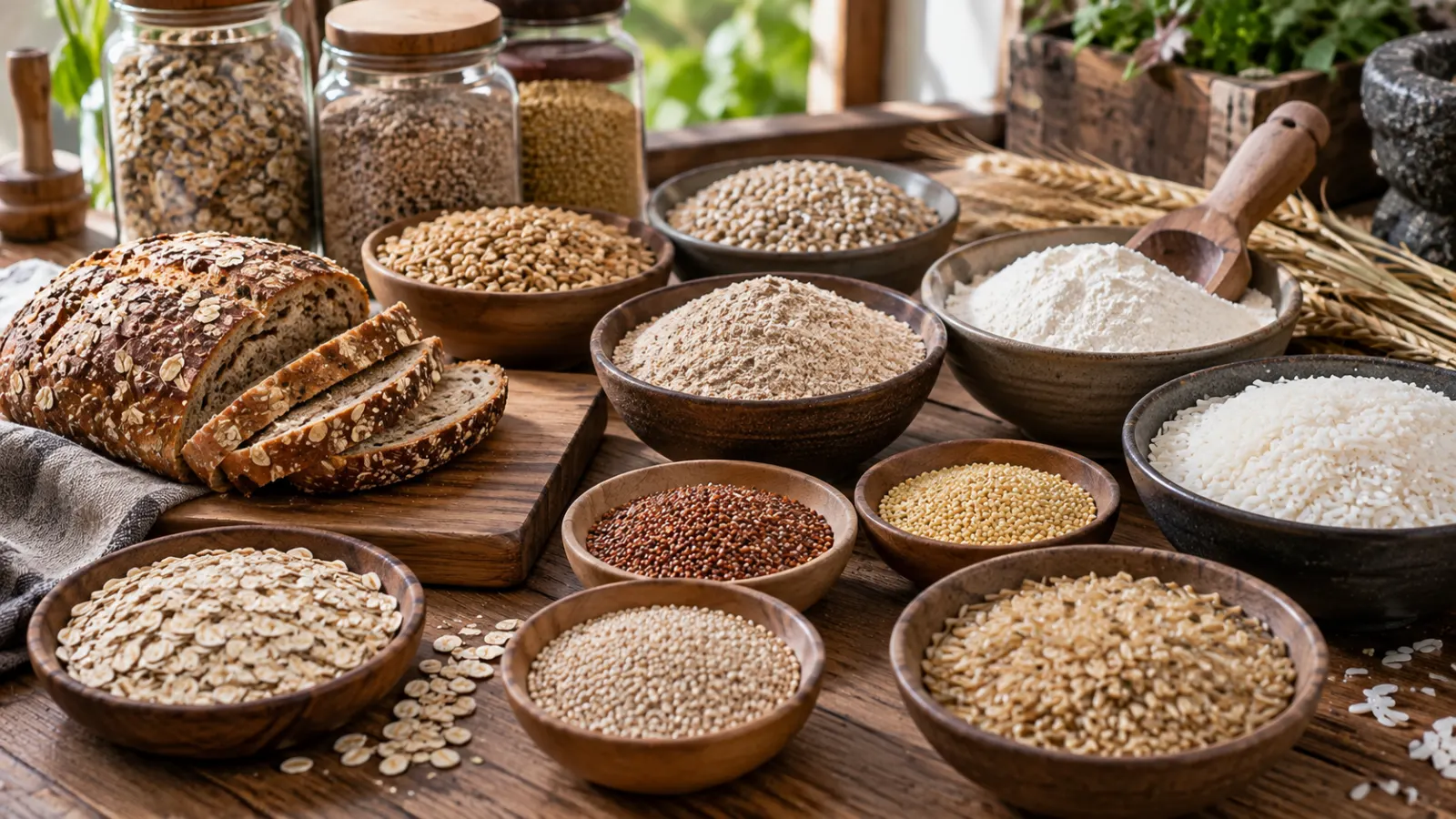
The most important carbohydrate lesson is quality. High-quality carbohydrate foods are usually less processed and richer in fiber or nutrients. Examples include vegetables, fruits, beans, lentils, chickpeas, oats, millets, brown rice, whole wheat, barley and other whole grains. These foods tend to digest more slowly, provide more fullness and contribute vitamins, minerals and fiber.
Low-quality carbohydrate sources are usually refined, sugary or ultra-processed. Examples include sugary beverages, sweets, cakes, biscuits, refined flour snacks, many packaged breakfast cereals, white bread, sweetened drinks and desserts. These foods can be enjoyable occasionally, but they are easy to overconsume and often provide calories without enough satiety or nutrients.
Processing matters because it changes the structure of food. Whole grains contain bran, germ and endosperm. Refining removes parts that contain fiber and nutrients, leaving a softer, faster-digesting starch. Fruit contains natural sugar, but it also contains fiber, water and micronutrients. Fruit juice removes much of the chewing and fiber effect and makes sugar easier to consume quickly. A person may eat one orange, but drink the sugar from several oranges in a glass of juice.
Carbohydrates and blood sugar
Carbohydrates have a direct relationship with blood glucose because many are broken down into glucose. After a meal, blood sugar rises. The hormone insulin helps move glucose from the blood into cells. In healthy metabolism, this process is regulated. In insulin resistance, prediabetes or diabetes, the process becomes impaired, and carbohydrate amount and quality become especially important.
This does not mean people with diabetes must fear all carbohydrates. It means they need individualized guidance. The type of carbohydrate, portion size, meal composition, medication, physical activity and timing all matter. Fiber-rich carbohydrates, protein and healthy fats can slow digestion and support better meal responses for many people, but medical advice is essential for those managing blood sugar disorders.
For people without diabetes, the same principles still help. A breakfast of sweet tea and biscuits may cause quick energy followed by hunger. A breakfast with oats, curd, nuts and fruit, or eggs with whole-grain toast and vegetables, may provide steadier fullness. A lunch with rice alone may not satisfy as well as rice with dal, vegetables, salad and curd. Carbohydrates behave better when they come with fiber, protein and overall meal balance.
Carbohydrates and weight gain
Carbohydrates are often blamed for weight gain, but the reality is more nuanced. Weight gain occurs when energy intake repeatedly exceeds energy use. This excess can come from carbohydrates, fats, protein or alcohol. However, refined carbohydrates and sugary foods can make overeating easier because they are often tasty, fast to digest, low in fiber and combined with fat and salt. Sweets, fried snacks, pastries and sugary drinks can add many calories without creating lasting fullness.
Traditional carbohydrate foods are not automatically the problem. Rice, roti, potatoes and grains can fit into healthy diets when portions are appropriate and meals include protein and vegetables. The issue is when portions become very large, grains are mostly refined, vegetables are minimal, protein is low, and sugary or fried snacks are frequent. A plate that is 80 percent refined starch and 20 percent everything else is not balanced. But a plate that includes a sensible grain portion, dal or protein, vegetables, curd and salad is a very different pattern.
Low-carb diets may help some people reduce calories because they remove many common overeaten foods. But success may come from lower total intake and better food choices, not from carbohydrate removal alone. For many people, a moderate, high-quality carbohydrate pattern is more sustainable than strict restriction.
Carbohydrates and exercise
Physical activity changes carbohydrate needs. Active muscles use glucose and stored glycogen. People who do endurance exercise, sports, gym training or physically demanding work may need more carbohydrates than sedentary individuals. Carbohydrates can support performance, reduce fatigue and help recovery when paired with protein after activity.
A sedentary person who eats large portions of refined carbohydrates may struggle with energy balance. An active person eating whole grains, fruit, pulses and vegetables may use carbohydrates effectively. This is why copying someone else’s diet is risky. A runner, a construction worker, a student sitting all day, a person with diabetes and an elderly person with low appetite may all need different carbohydrate strategies.
Carbohydrates in Indian diets
In many Indian diets, carbohydrates form the base of meals: rice, wheat, millets, poha, upma, idli, dosa, potatoes and sweets. This is not automatically unhealthy. Traditional meals often included pulses, vegetables, fermented foods, curd, seasonal produce, physical activity and home cooking. The modern problem is that refined grains, large portions, sugar, packaged snacks and sedentary lifestyles often combine.
A practical improvement is not necessarily to remove rice or roti. It may be to improve the plate. Use a smaller portion of rice and add more dal and vegetables. Choose whole wheat or millet rotis when suitable. Add chana, rajma, sprouts, curd, eggs or fish as protein sources. Include salad or cooked vegetables. Replace sugary drinks with water. Keep sweets occasional. Avoid turning every snack into biscuits, namkeen or fried food.
For many households, gradual changes work better than dramatic bans. Mixing millets with regular grains, increasing dal thickness, adding vegetables to poha or upma, choosing fruit over sweet drinks, and improving evening snacks can all reduce the burden of low-quality carbohydrates without creating rebellion at the dining table.
The role of fiber
Fiber is one of the strongest arguments in favour of better carbohydrates. Fiber adds bulk, supports bowel movements, helps people feel full and nourishes beneficial gut bacteria. Foods naturally rich in fiber include vegetables, fruits, legumes, beans, whole grains, nuts and seeds. Refined grains and sugary foods are usually low in fiber.
A low-fiber diet may contribute to constipation, poor satiety and less stable eating patterns. A higher-fiber diet should be increased gradually and paired with enough water, because sudden large increases can cause gas or discomfort. People with certain digestive conditions may need individualized advice. But for the general population, replacing some refined carbohydrates with fiber-rich sources is one of the most practical health upgrades.
Common myths about carbohydrates
The first myth is that fruit is bad because it has sugar. Whole fruit contains natural sugars, but it also provides fiber, water, vitamins and minerals. Fruit juice, sweetened fruit drinks and fruit-flavoured desserts are different. For most people, whole fruit is a healthier choice than sugary snacks. People with diabetes may need guidance on portions and timing, but fruit is not the same as candy.
The second myth is that rice is poison. Rice is a staple food for millions. The issue is portion size, type, meal balance and activity level. A large plate of white rice with little protein or vegetables is different from a moderate serving with dal, vegetables, curd and salad. Brown rice or millets may add fiber for some people, but the whole meal still matters.
The third myth is that low-carb is the only way to lose weight. Some people do well on lower-carbohydrate diets, but others do well with balanced calorie control, higher fiber, adequate protein and regular activity. The best plan is one that improves health markers and can be sustained.
The fourth myth is that all sugar is hidden poison. Excess added sugar is a problem, especially from drinks and processed foods, but panic is not helpful. Occasional sweets can fit into a healthy life. Daily high intake is the issue.
How to choose carbohydrates wisely
A practical carbohydrate strategy begins with source. Choose more vegetables, pulses, beans, fruits and whole grains. Keep refined flour snacks, sugary drinks, sweets and desserts less frequent. Pair carbohydrates with protein and fiber. Watch portions, especially if activity is low. Eat slowly enough for fullness signals to appear. Drink water instead of sweet beverages most of the time.
The second strategy is distribution. Instead of eating a huge carbohydrate load at one meal and very little nutrition at others, spread balanced meals through the day. For some people, especially those with blood sugar issues, regular meal timing and consistent carbohydrate portions may help, but this should be personalized.
The third strategy is substitution. Replace sweet drinks with water, lemon water without excess sugar, unsweetened tea or other suitable options. Replace some refined snacks with roasted chana, fruit, curd, nuts in small portions or sprouts. Replace part of refined grains with whole grains or millets where affordable and acceptable. Add dal and vegetables before reducing staples drastically.
When carbohydrates need medical caution
People with diabetes, prediabetes, polycystic ovary syndrome, fatty liver disease, obesity-related complications, kidney disease, digestive disorders, pregnancy-related diabetes or those taking glucose-lowering medicines should not follow generic internet rules. Carbohydrate intake may need professional planning. Very low-carb diets can affect medication needs and may not be safe for everyone. Children, pregnant women, athletes and people with eating-disorder risk also need caution.
Warning signs such as unexplained weight loss, excessive thirst, frequent urination, extreme fatigue, blurred vision, recurrent infections or very high blood sugar readings require medical evaluation. Nutrition articles can educate, but they cannot diagnose or treat.
The final verdict: friend or foe?
Carbohydrates are a friend when they come mainly from whole, fiber-rich and nutrient-dense foods, when portions match energy needs, and when they are eaten as part of balanced meals. They become a foe when they come mostly from added sugar, refined flour, sugary drinks, oversized portions and ultra-processed snacks, especially in a sedentary lifestyle.
The goal is not to fear carbohydrates. The goal is to upgrade them. Eat more whole foods, more fiber, more pulses, more vegetables, more balanced plates. Reduce sweet drinks, frequent desserts and refined snacks. Respect medical conditions. Carbohydrates are not the enemy of health. Confusion, excess and poor quality are the real enemies.