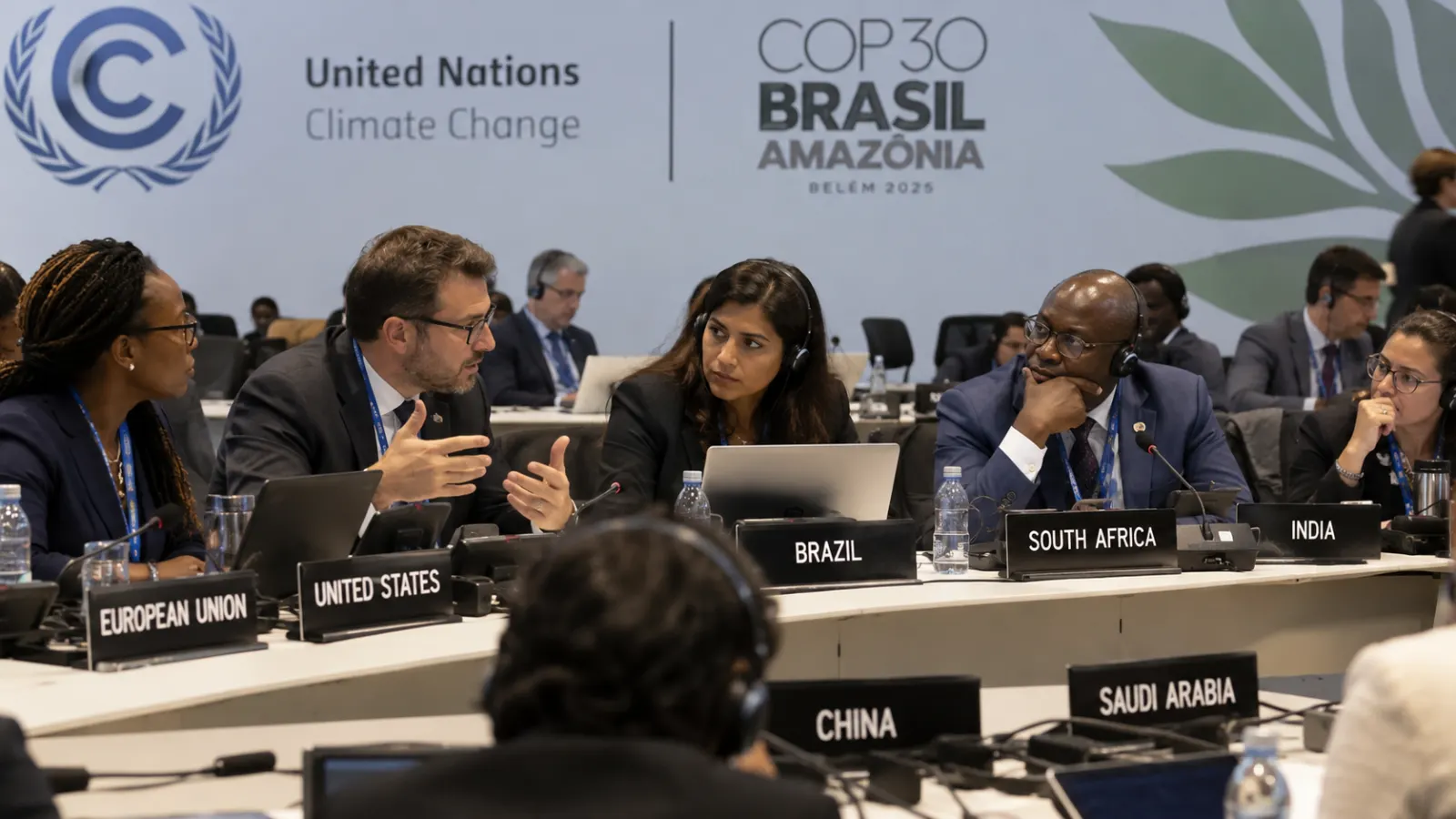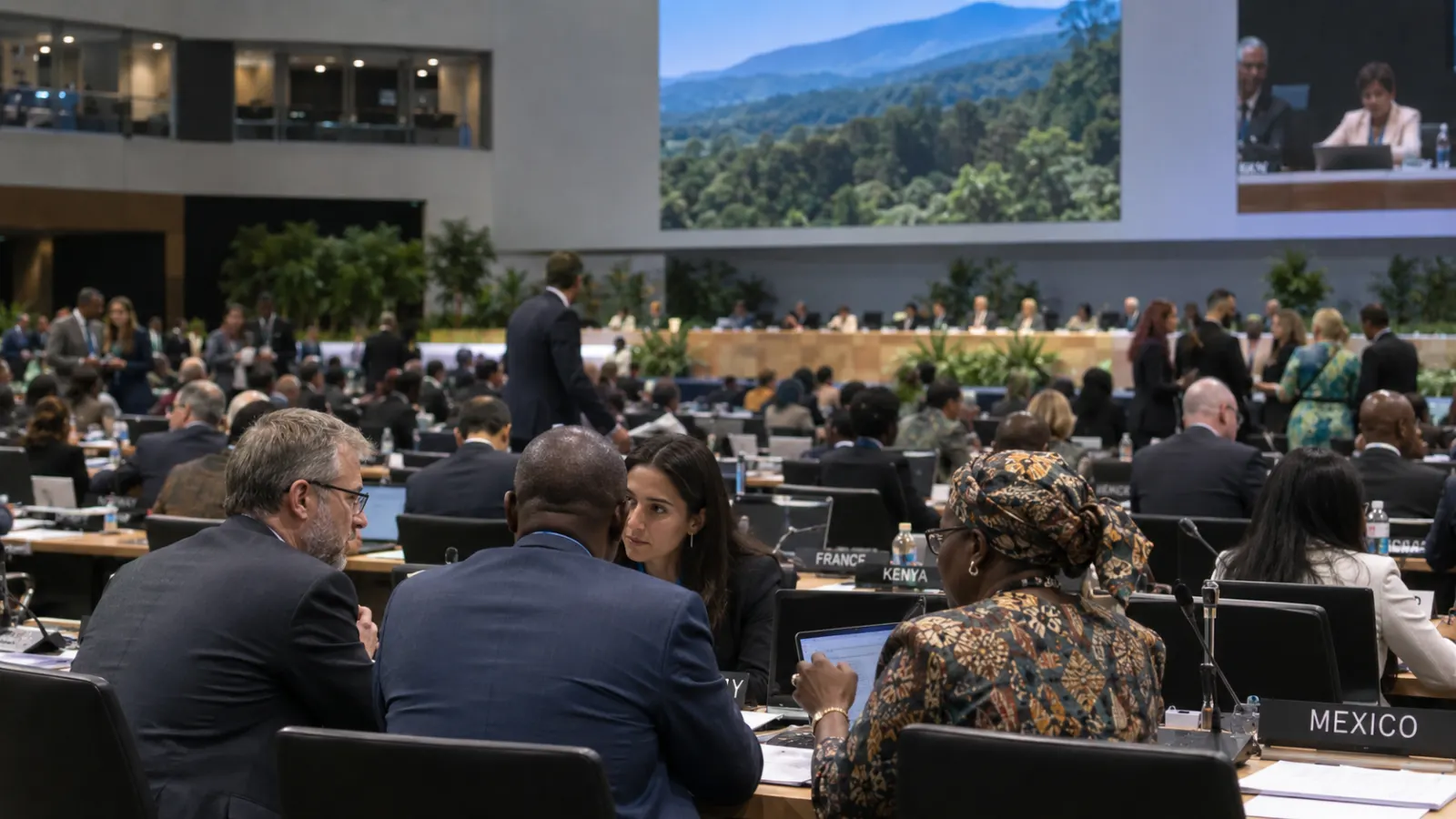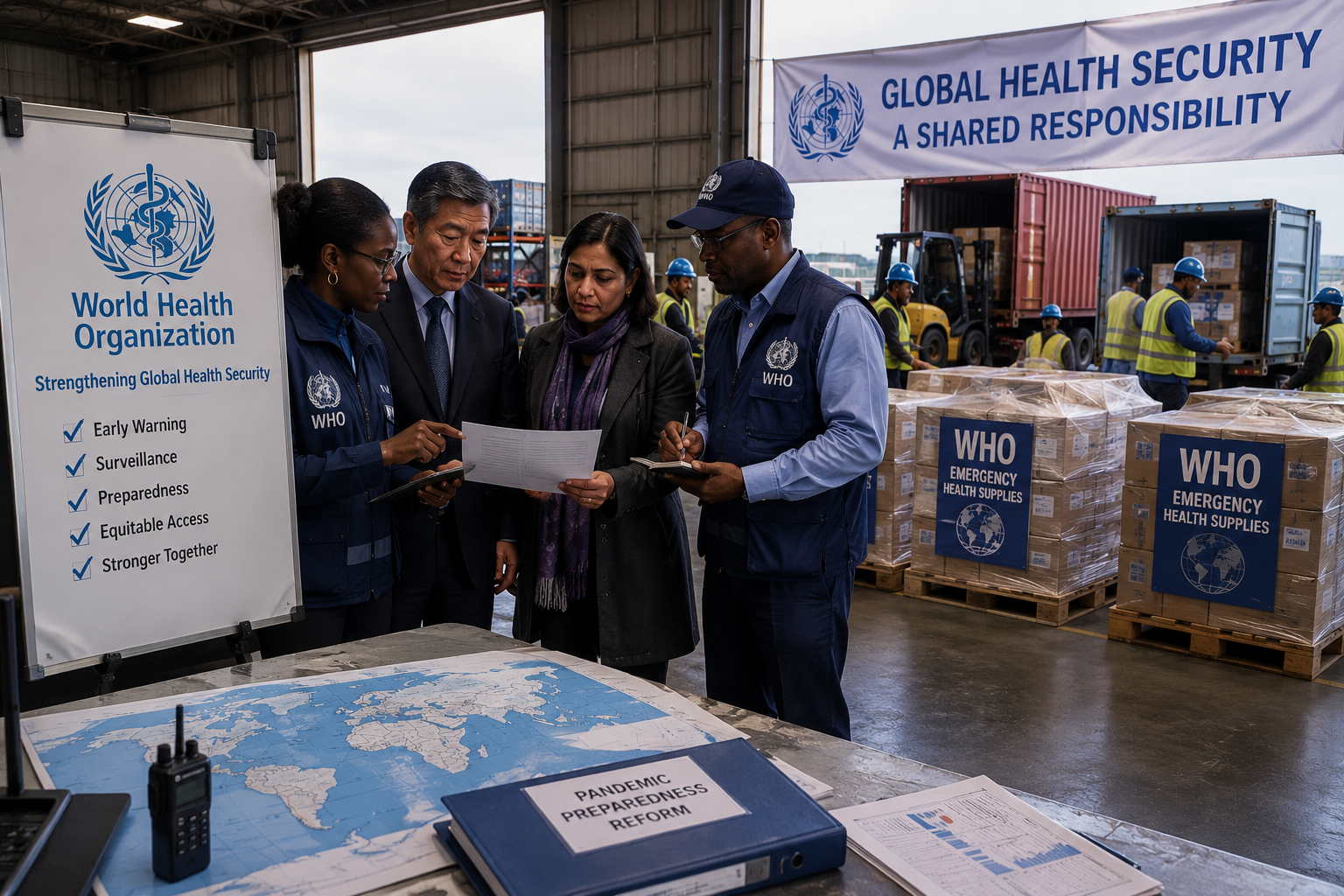
The world did not merely experience a pandemic. It experienced a failure of global preparedness.
COVID-19 exposed how fragile health systems were, how unequal access to vaccines could become, how quickly misinformation could travel, how slowly governments could coordinate, how dependent countries were on concentrated medical supply chains and how weak global rules were when national panic replaced international cooperation.
The World Health Organization stood at the centre of that storm.
It was praised for coordination, guidance and scientific communication. It was criticised for delay, dependence on member-state information, limited enforcement power, political pressure and inadequate emergency authority. Some criticism was fair. Some was politically motivated. But the larger truth is difficult to deny: the global health system was not ready.
That is why WHO reform remains critical.
The question is not whether the world needs the WHO. It clearly does. No country can monitor pandemics alone, coordinate disease surveillance alone, set health standards alone, manage cross-border outbreaks alone or guarantee global vaccine equity alone. The real question is whether the WHO is strong, independent, funded and trusted enough to do the job the world expects from it.
The answer remains uncertain.
There has been real progress. The World Health Assembly adopted the WHO Pandemic Agreement on 20 May 2025, after years of negotiation triggered by the failures and inequities exposed by COVID-19. Amendments to the International Health Regulations, adopted in 2024, entered into force for most states on 19 September 2025, marking another major step in global health governance.
But progress is not the same as completion.
The most difficult part of the Pandemic Agreement — the Pathogen Access and Benefit Sharing system, known as PABS — remains unresolved. WHO member states agreed at the 79th World Health Assembly in May 2026 to extend negotiations and submit the outcome either to the 80th World Health Assembly in May 2027 or to a special session in 2026.
That delay matters. The Pandemic Agreement cannot fully open for signature and ratification until the PABS annex is adopted.
This is the uncomfortable post-pandemic reality: the world knows what went wrong, but still struggles to agree on how to fix it.
The WHO Was Blamed for a System It Did Not Fully Control
The WHO is often treated as if it is a world health government. It is not.
It cannot force a country to reveal outbreak data immediately. It cannot command national lockdowns. It cannot seize vaccines and redistribute them. It cannot independently enter a sovereign country without permission. It cannot override domestic politics. It cannot compel pharmaceutical companies to share technology. It cannot make rich countries behave fairly during a crisis.
This is one of the central misunderstandings about the WHO.
The organisation is powerful as a norm-setter, coordinator, technical adviser and emergency convener. But it is weak as an enforcer. It depends heavily on member states for funding, data, access and political cooperation. When those states cooperate, WHO can function. When they delay, conceal, politicise or compete, WHO’s effectiveness weakens.
COVID-19 exposed this structural weakness.
Many people blamed the WHO for failures that were actually failures of national governments, international law, vaccine nationalism, supply-chain concentration, weak public health capacity and geopolitical distrust. But that does not absolve the WHO. It means reform must go beyond blaming one institution.
The WHO needs reform because the system around it is weak.
The Pandemic Agreement Is Historic, but Incomplete
The adoption of the WHO Pandemic Agreement in May 2025 was a major diplomatic achievement. It showed that, despite geopolitical rivalry, most countries still accepted the need for a stronger global framework for pandemic prevention, preparedness and response. WHO described the agreement as a response to the devastating impact of COVID-19 and the gaps and inequities revealed in the world’s ability to prevent and respond to health emergencies.
But the agreement’s most sensitive operational issue remains unsettled.
PABS is at the heart of the dispute. The basic idea is simple: countries should rapidly share pathogens and genetic information that may help identify dangerous outbreaks, while also receiving fair access to the vaccines, diagnostics and treatments developed from that information.
That sounds reasonable. But in practice, it raises difficult questions.
If a developing country shares pathogen samples quickly, will it receive vaccines quickly?Will pharmaceutical companies share a portion of real-time production?Will technology transfer be meaningful or symbolic?Will poorer countries get manufacturing capacity or only donation promises?Will rich countries hoard doses again during crisis?Will intellectual property rules protect innovation or deepen inequity?Will countries hide pathogen information if they fear they will not receive benefits later?
These are not technical details. They are the moral core of pandemic governance.
WHO said the Pandemic Agreement’s PABS system is intended to ensure rapid sharing of pathogens with pandemic potential and fair sharing of benefits such as vaccines, diagnostics and therapeutics. The agreement also envisaged participating manufacturers providing WHO with rapid access to 20% of real-time production of safe and effective pandemic-related vaccines, therapeutics and diagnostics for the pathogen causing a pandemic emergency.
That provision matters because vaccine inequity was one of the most bitter failures of COVID-19.
A pandemic agreement without a credible benefit-sharing system risks becoming a declaration of good intentions rather than a guarantee of fair access.
The International Health Regulations Reform Was Necessary
The International Health Regulations are the legal framework through which countries cooperate on public health events that may cross borders.
COVID-19 revealed weaknesses in this system. The world needed faster alerts, better surveillance, clearer obligations, stronger emergency coordination and more support for countries with weak health systems. The 2024 amendments to the IHR tried to address some of those weaknesses.
WHO stated that the amendments entered into force on 19 September 2025 for most states, reflecting a renewed global commitment shaped by lessons from COVID-19. The amendments also introduced changes such as the concept of a “pandemic emergency” and strengthened cooperation around access to health products during emergencies.
But here too, implementation is the real challenge.
Legal amendments do not automatically create laboratory capacity. They do not build hospitals. They do not train epidemiologists. They do not finance surveillance systems. They do not guarantee oxygen supply. They do not build trust between governments and citizens. They do not prevent misinformation. They do not ensure that poor countries can buy vaccines during a global emergency.
The IHR reforms are necessary, but they are not sufficient.
A country may formally accept new rules and still lack the capacity to follow them. That is why WHO reform must include financing, technical support and public health infrastructure, not only legal language.
The Next Pandemic Will Not Wait for Perfect Governance
The most dangerous mistake after COVID-19 is fatigue.
Societies want to move on. Governments want to avoid political memories of lockdowns and economic disruption. Citizens are tired of public health restrictions. Budgets are under pressure. Health systems have returned to routine crises. Global attention has moved to wars, inflation, climate disasters, artificial intelligence, debt and elections.
But viruses do not respect political fatigue.
The next pandemic may come from zoonotic spillover, influenza, coronavirus, antimicrobial resistance, laboratory accident, climate-linked vector expansion or an unknown pathogen. It may emerge in a rural area, dense city, conflict zone, animal market, hospital or agricultural setting. It may spread faster than COVID-19 because travel networks remain dense and misinformation now moves even faster.
Pandemic preparedness is like insurance. It feels expensive until disaster arrives. Then the lack of investment becomes catastrophic.
This is why WHO reform must be treated as security policy, not only health policy.
A pathogen can shut borders, crash markets, disrupt schools, weaken militaries, overload hospitals, trigger social unrest and reshape global politics. Public health is national security. Global health governance is strategic infrastructure.
WHO’s Funding Problem Is a Reform Problem
The WHO cannot be expected to perform like a global emergency authority while being funded like a fragile charity.
Its financing model has long been criticised because a large share of funds is voluntary and earmarked by donors for specific priorities. This limits flexibility. It makes the organisation dependent on donor preferences. It can distort priorities and weaken independence.
The problem became sharper after the United States announced withdrawal from WHO in January 2025. The White House order accused WHO of mishandling COVID-19 and failing to demonstrate sufficient independence from political influence. Whatever one thinks of that argument, the funding consequences were serious.
Reuters reported in May 2025 that WHO was scaling back operations after funding cuts, with the organisation reducing its 2026–27 budget proposal to about $4.2 billion and expecting only about 60% of that to be funded at the time. Later Reuters reporting said WHO was projected to reduce its workforce from 9,401 in January 2025 to around 7,030 by June 2026, with a funding shortfall of about $1.06 billion for 2026–27.
This is alarming.
The world wants WHO to detect outbreaks, coordinate emergency response, support low-income countries, fight misinformation, guide vaccine policy, strengthen health systems, manage disease surveillance and negotiate global rules. But if its staff and budget are shrinking, expectations and capacity will diverge.
Reform cannot mean only demanding efficiency. It must also mean giving the organisation stable, predictable and flexible funding.
An underfunded WHO is not a lean WHO. It is a weaker global safety system.
Sovereignty Concerns Are Real but Often Misused
One of the strongest political objections to WHO reform is sovereignty.
Critics argue that pandemic treaties and health regulations could allow international bureaucrats to control domestic health policy. These fears are politically powerful, especially after COVID-19 lockdowns, vaccine mandates, travel restrictions and public distrust of institutions.
Some concerns deserve attention. Public health measures must remain accountable. International rules should not become vague instruments of technocratic overreach. Emergency powers must be time-bound, transparent and subject to democratic scrutiny. National governments must retain responsibility for their citizens.
But many sovereignty arguments against WHO reform are exaggerated.
The WHO does not become a world government because countries agree to share outbreak data, improve surveillance or cooperate on vaccine access. In fact, weak global rules can damage sovereignty more than strong ones. A country that cannot detect outbreaks, secure vaccines, protect supply chains or access emergency finance is not more sovereign; it is more vulnerable.
The real sovereignty question is this: can a nation protect its people during a global health crisis if other countries hide data, hoard supplies, block exports or monopolise vaccines?
No country is fully sovereign in a pandemic if the world around it is chaotic.
A stronger WHO does not have to mean weaker national sovereignty. It can mean better protected sovereignty through cooperation.
The Equity Failure Cannot Be Repeated
COVID-19 exposed one of the oldest truths of global politics: in a crisis, power buys protection first.
Rich countries secured vaccine supplies early. Poorer countries waited. Manufacturing was concentrated. Technology transfer was slow. Donations were unpredictable. Public health need was not always the main basis of distribution.
That experience left deep scars.
For many developing countries, pandemic reform is not mainly about surveillance language. It is about equity. They do not want to share pathogen data quickly only to watch rich countries monopolise the resulting vaccines. They do not want emergency cooperation to mean extraction of information from the South and concentration of benefits in the North.
This is why PABS is so contentious.
Developing countries want binding guarantees. Some developed countries and pharmaceutical interests worry about innovation, intellectual property and compulsory benefit-sharing. The result is mistrust. Reuters reported in May 2026 that WHO delayed the pandemic treaty process because negotiations over pathogen-sharing rules remained unresolved, and without consensus on the PABS annex the treaty cannot come into force.
This dispute is not a bureaucratic delay. It is the central justice question of pandemic governance.
If the next pandemic arrives and vaccine inequity repeats, public trust in global health institutions may collapse further.
Surveillance Without Trust Will Fail
Pandemic preparedness depends on surveillance. But surveillance depends on trust.
Countries must report outbreaks quickly. Scientists must share data. Laboratories must communicate unusual findings. Local health workers must escalate concerns. Governments must avoid cover-ups. Citizens must trust public health messages enough to cooperate.
Yet the incentives are often wrong.
A country that reports a dangerous outbreak may face travel bans, trade restrictions, stigma and economic punishment. A government may fear political damage. Local officials may hide bad news. Communities may distrust health authorities. Companies may protect data. Rival states may politicise the outbreak.
This means the WHO’s role cannot be only technical. It must help build a system where early reporting is rewarded, not punished.
That requires financing, transparency, rapid support and fair access to countermeasures. If countries know that sharing information will trigger global help rather than isolation, they are more likely to cooperate.
This is another reason PABS matters. Pathogen sharing and benefit sharing must be connected. Without that connection, surveillance becomes extraction.
One Health Must Move From Slogan to System
Many future pandemics are likely to emerge at the intersection of humans, animals and ecosystems.
Deforestation, urbanisation, wildlife trade, industrial farming, climate change, biodiversity loss and human encroachment into animal habitats all increase the risk of zoonotic spillover. This is why the “One Health” approach — linking human, animal and environmental health — is essential.
But One Health is often repeated as a slogan without adequate implementation.
Real One Health reform requires veterinary surveillance, wildlife monitoring, environmental protection, food system regulation, antimicrobial resistance tracking, agricultural biosecurity and local community engagement. It also requires coordination between ministries that usually work separately: health, agriculture, environment, trade, urban development and finance.
The WHO cannot implement One Health alone. It must work with organisations such as FAO, WOAH, UNEP and national governments. But it can help set standards, coordinate surveillance, mobilise evidence and keep zoonotic risk at the centre of health governance.
The next pandemic may not begin in a hospital. It may begin in a forest, farm, animal market or climate-stressed ecosystem.
WHO reform must therefore treat ecology as health infrastructure.
Misinformation Is Now a Public Health Threat
COVID-19 showed that misinformation can spread as dangerously as disease.
False claims about treatments, vaccines, origins, masks, public health measures and conspiracy theories weakened trust in institutions. In many countries, public health communication became politicised. Citizens did not merely disagree about policy; they disagreed about reality.
This is a major challenge for WHO reform.
The WHO must improve communication without becoming a censor. It must provide reliable information quickly, transparently and in accessible language. It must acknowledge uncertainty instead of pretending science has instant answers. It must communicate with humility, because overconfidence damages trust when guidance changes.
The early stages of any outbreak involve uncertainty. Guidance may evolve as evidence improves. If institutions do not explain this clearly, the public interprets change as incompetence or manipulation.
WHO reform should therefore include stronger risk communication capacity, multilingual public education, partnerships with local institutions and better strategies to counter health misinformation.
Scientific accuracy alone is not enough. Public trust is part of emergency preparedness.
India’s Stake in WHO Reform
India has a major stake in WHO reform.
India is a large population centre, a major vaccine and pharmaceutical producer, a digital public infrastructure leader and a country with deep exposure to infectious disease risks. It also represents many concerns of the Global South: affordable access, technology transfer, generic medicines, health equity and capacity-building.
India’s role during the pandemic showed both capability and vulnerability. It supplied vaccines and medicines internationally, but also faced a devastating domestic wave. It has strong pharmaceutical manufacturing capacity, but public health systems remain uneven across states. It has digital health ambitions, but also vast inequalities in access.
For India, WHO reform should focus on five priorities.
First, equitable access to vaccines, diagnostics and therapeutics must be guaranteed, not left to charity.
Second, developing countries need manufacturing capacity. The world cannot rely on a few concentrated production hubs during emergencies.
Third, digital health cooperation should respect data sovereignty and interoperability.
Fourth, traditional medicine and public health innovation must be assessed scientifically, not politically.
Fifth, pandemic preparedness should be linked with universal health coverage, because weak primary healthcare makes emergency response harder.
India should push for a WHO that is stronger but not paternalistic, science-driven but equity-conscious, and global in coordination while respectful of national contexts.
The WHO Must Be Independent, but Independence Requires Money
Many critics demand that WHO be more independent from political influence. That demand is valid. But independence requires financing.
An organisation dependent on voluntary donor funding cannot be fully independent. If member states want WHO to act boldly, they must give it predictable core funding. If they want it to investigate outbreaks quickly, they must give it legal and operational tools. If they want it to resist pressure from powerful countries, they must protect its budget from political retaliation.
Independence is not produced by speeches. It is produced by institutional design.
The 78th World Health Assembly approved a 20% increase in WHO membership dues along with the 2026–27 budget, while the budget itself was downsized from US$5.3 billion to US$4.2 billion because of financial constraints. This shows both progress and fragility. Member states are recognising the need for more assessed contributions, but WHO still faces serious financial stress.
A strong WHO cannot be built on unstable funding.
Emergency Authority Must Be Clearer
During COVID-19, confusion over warnings, emergency declarations, travel advice, national measures and data-sharing weakened global response. The WHO needs clearer emergency authority, but that authority must be carefully designed.
The concept of a “pandemic emergency” in the IHR amendments is one step toward clearer classification. But classifications matter only if they trigger timely action.
When WHO declares a major emergency, countries should know what follows: surveillance expectations, reporting obligations, supply coordination, financing channels, risk communication protocols, travel guidance, research cooperation and equitable access mechanisms.
Emergency declarations should not be symbolic alarms. They should activate prepared systems.
That means reforms must be operational, not only legal.
Global Manufacturing Must Be Diversified
COVID-19 revealed dangerous concentration in health supply chains.
Countries struggled for masks, oxygen, ventilators, diagnostics, medicines, syringes and vaccines. Export restrictions spread. Supply chains were disrupted. Rich countries used purchasing power. Poorer countries waited.
A reformed global health system must diversify manufacturing.
Africa, South Asia, Southeast Asia and Latin America need stronger regional capacity for vaccines, diagnostics, therapeutics, oxygen, personal protective equipment and essential medicines. Technology transfer must become practical. Regulatory systems must be strengthened. Regional procurement platforms must be built before emergencies, not during them.
The WHO can support this through standards, prequalification, regulatory strengthening, technology-sharing frameworks and coordination with development banks and regional institutions.
Pandemic preparedness cannot depend on emergency charity. It must depend on distributed capacity.
Health Systems Are the Foundation of Pandemic Preparedness
Global rules are useless if national health systems are weak.
A country needs laboratories, disease surveillance, trained health workers, primary care networks, intensive care capacity, oxygen systems, public health communication, community health workers, digital reporting and reliable data. It also needs public trust.
Pandemic preparedness is therefore not a separate vertical project. It is linked to universal health coverage.
If ordinary people cannot access basic healthcare in normal times, they will not suddenly access pandemic care in emergency times. If rural clinics are weak, outbreaks may go undetected. If hospitals are overcrowded, surges become deadly. If health workers are underpaid and exhausted, response collapses.
WHO reform should therefore resist a narrow emergency-only approach. The world must strengthen everyday health systems because pandemics exploit routine weaknesses.
The WHO Must Learn From Criticism Without Being Destroyed by It
The WHO made mistakes during COVID-19. So did nearly every government.
The right response is not to destroy global health cooperation. The right response is to improve it.
Some political actors use WHO criticism as a way to avoid domestic accountability. It is easier to blame Geneva than admit national failures in surveillance, hospitals, public communication, procurement, oxygen supply, lockdown planning or vaccine policy. But global reform requires honesty at both levels.
The WHO must become more transparent, faster, better funded, more independent and more operational. National governments must become more honest, better prepared, more cooperative and more accountable.
Reform cannot be one-sided.
A Better WHO for a More Dangerous Age
A reformed WHO should have several features.
It should have stable core funding, not excessive dependence on earmarked voluntary contributions.
It should have stronger surveillance and emergency coordination capacity.
It should have clearer rules for pandemic alerts and pandemic emergencies.
It should support equitable access to vaccines, diagnostics and therapeutics through enforceable benefit-sharing mechanisms.
It should help diversify manufacturing across regions.
It should strengthen One Health surveillance linking human, animal and environmental health.
It should improve public communication and misinformation response.
It should support national health-system capacity, especially in low- and middle-income countries.
It should be transparent enough to earn trust and independent enough to resist political pressure.
That is the minimum standard after COVID-19.
Reform Is Urgent Because Memory Is Fading
The greatest danger now is that the world forgets.
Pandemic memory fades quickly. Political urgency weakens. Budgets shift. Negotiations slow. Industry lobbying intensifies. Sovereignty rhetoric rises. Citizens move on. Governments prioritise immediate crises.
But pathogens do not wait for political convenience.
WHO reform is urgent precisely because the emotional shock of COVID-19 is fading. If the world delays until the next outbreak, it will repeat the same cycle: panic, blame, hoarding, misinformation, inequity and emergency improvisation.
The time to build pandemic preparedness is between pandemics.
The time to finance WHO is before crisis.The time to agree on PABS is before a pathogen emerges.The time to diversify manufacturing is before borders close.The time to build trust is before fear spreads.The time to strengthen health systems is before hospitals overflow.
The Real Lesson of COVID-19
COVID-19 did not show that global institutions are useless. It showed that weak global institutions are dangerous.
The WHO cannot be expected to protect the world with limited authority, unstable funding, member-state dependence and fragmented political support. At the same time, giving WHO more responsibility without accountability would also be wrong.
The solution is balanced reform: stronger authority, stronger funding, stronger transparency and stronger equity.
The pandemic shock should have taught the world one lesson above all others: no country can buy permanent safety in an unsafe world.
Rich countries may vaccinate first, but variants travel. Powerful countries may restrict exports, but supply chains retaliate. Governments may hide outbreaks, but disease spreads. Citizens may distrust science, but biology does not negotiate.
WHO reform is not about empowering Geneva for its own sake. It is about building a global health system capable of protecting humanity before panic begins.
The world has already paid the price of delay once.
It should not need another pandemic to understand the cost of unfinished reform.