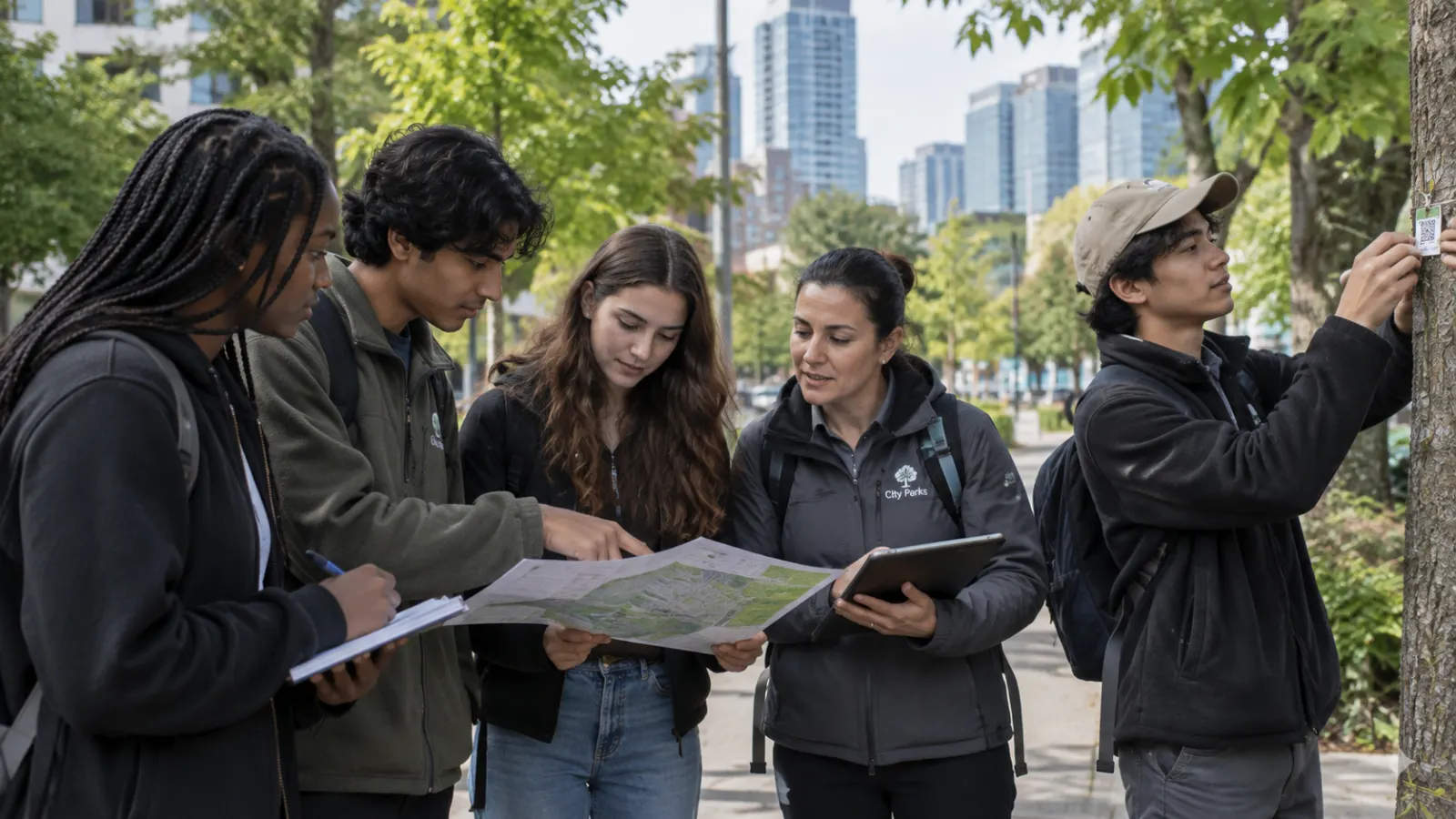
The power of consumer choices is real but limited by price, infrastructure and available options. Learn where individual action can make the biggest difference.
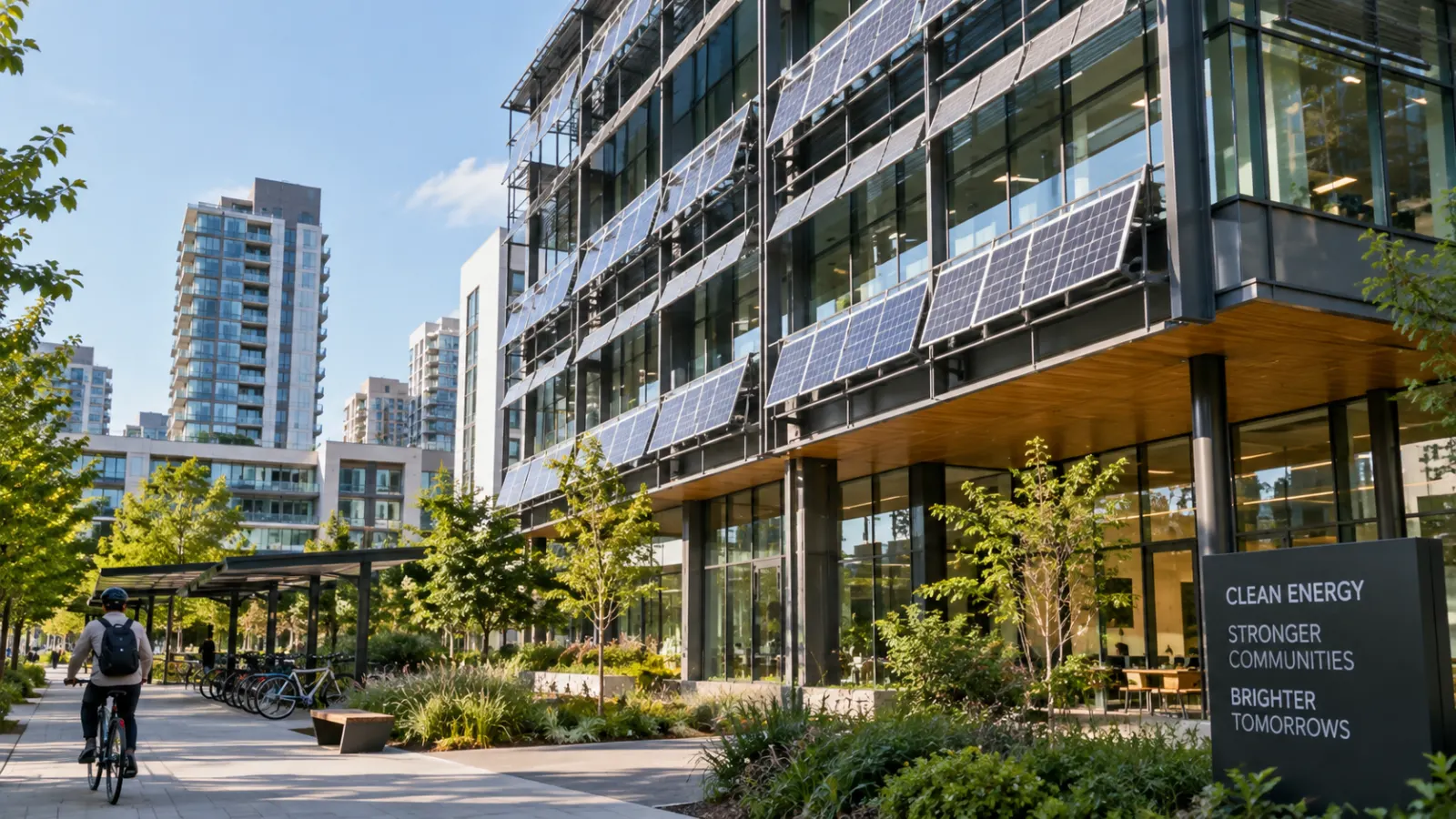
Energy conservation reduces unnecessary energy use while preserving useful services. Learn how it lowers costs, strengthens energy security and supports cleaner energy systems.
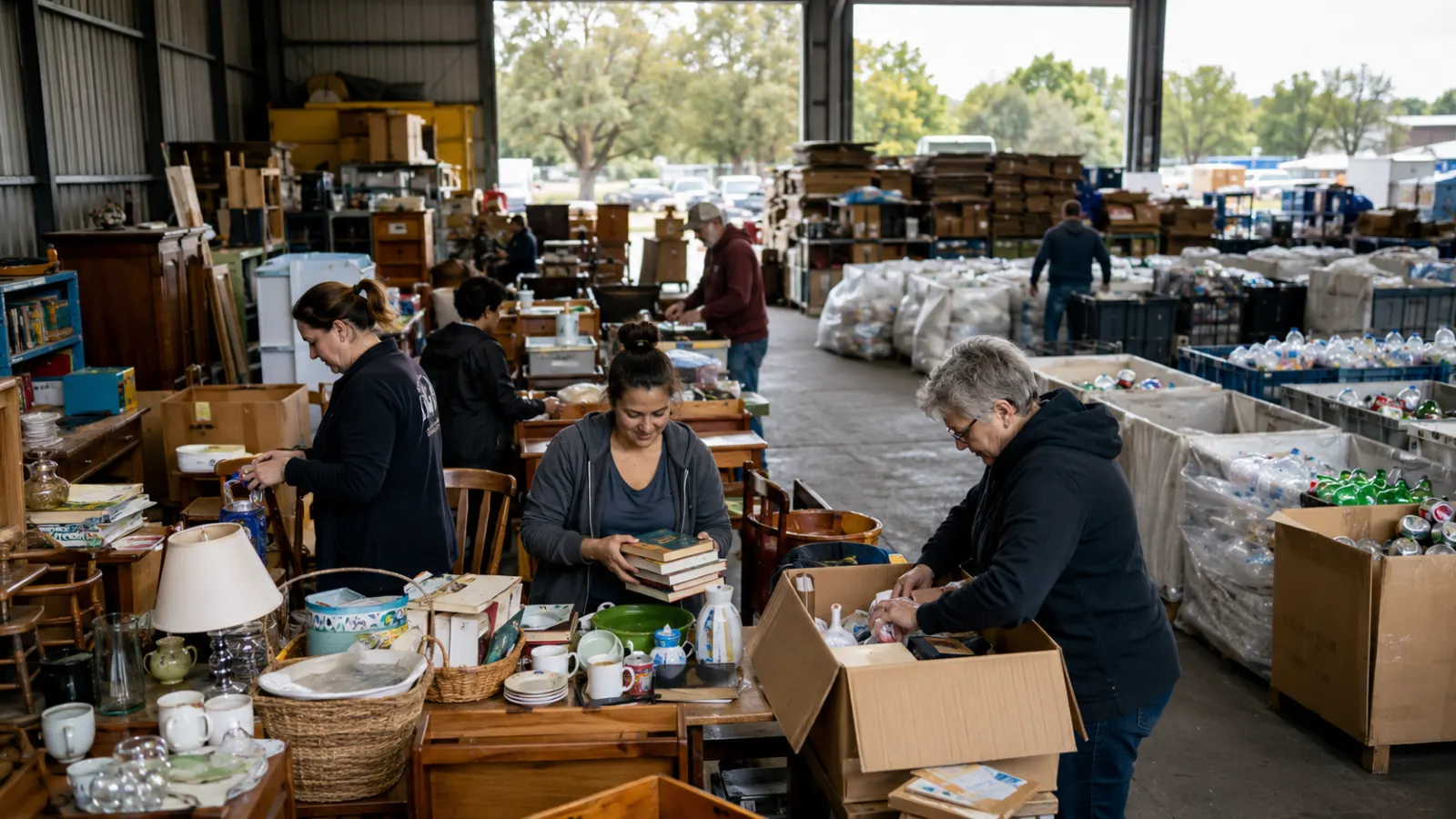
Reduce, reuse and recycle are a hierarchy, not equal actions. Learn why reducing waste comes first, how reuse preserves value and when recycling makes sense.
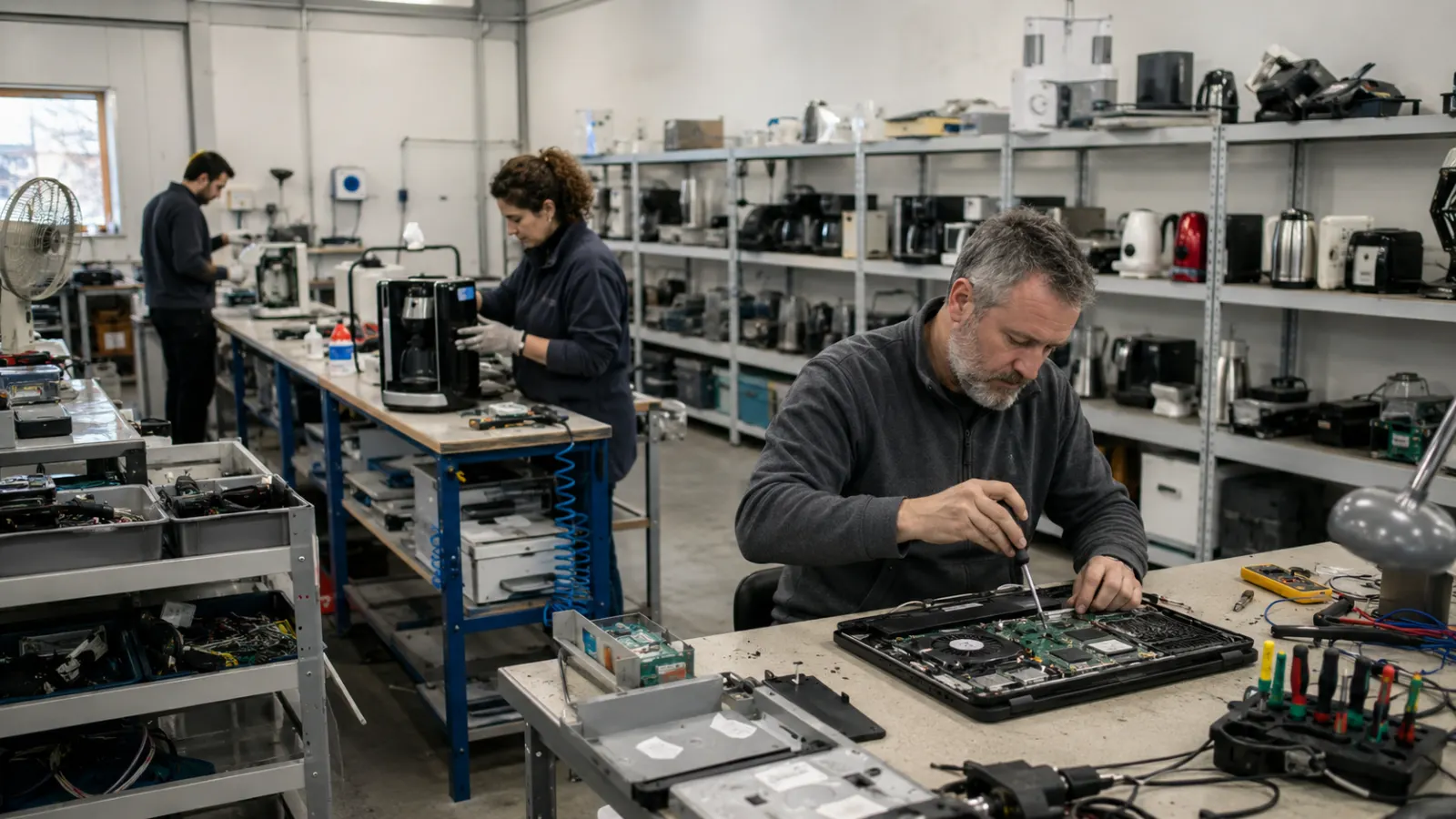
The circular economy keeps products, components and materials useful for longer through reduction, reuse, repair and recycling while reducing waste and virgin-resource demand.
Enjoying the reporting?
We noticed an ad blocker. Ads keep our journalism free — please consider allowing them, or subscribe to our newsletter instead.
We use cookies to keep you signed in and to understand how readers use the site. See our Privacy Policy.