

Science & Health
Prenatal Care: What Healthy Pregnancy Monitoring Involves
Prenatal care uses regular visits, screening and preventive measures to monitor maternal and fetal health and detect pregnancy complications early.
Science, health, medicine, research, climate and the environment.
Prenatal care uses regular visits, screening and preventive measures to monitor maternal and fetal health and detect pregnancy complications early.

Menstruation and iron deficiency are linked when menstrual blood loss exceeds iron replacement, especially with heavy or prolonged periods.

Menopause is a gradual transition that can affect periods, sleep, mood, vaginal health, bones and cardiovascular risk. Learn what treatment can help.

The menstrual cycle naturally varies, but heavy bleeding, severe pain, missed periods or major changes in your usual pattern can need medical evaluation.

Women’s health includes cardiovascular, reproductive, mental, bone and metabolic health, with preventive needs changing across every stage of life.

Common digestive problems include reflux, IBS, constipation, diarrhoea and bloating. Learn their patterns and when symptoms need medical care.

Probiotics and prebiotics work differently in the gut. Learn their potential benefits, evidence, safety concerns and how to assess products.

Hydration and digestion are closely linked. Learn how water affects constipation, diarrhoea and gut function—and why more is not always better.

Digestive health depends on coordinated movement, digestion, nutrient absorption, gut microbes, fluid balance and comfortable bowel function.

Chronic inflammation can persist for months or years. Learn what causes it, how it can damage tissue and why treatment depends on the cause.

The gut-brain axis links digestion and the brain through neural, hormonal and immune pathways, while the microbiome may add another signalling layer.
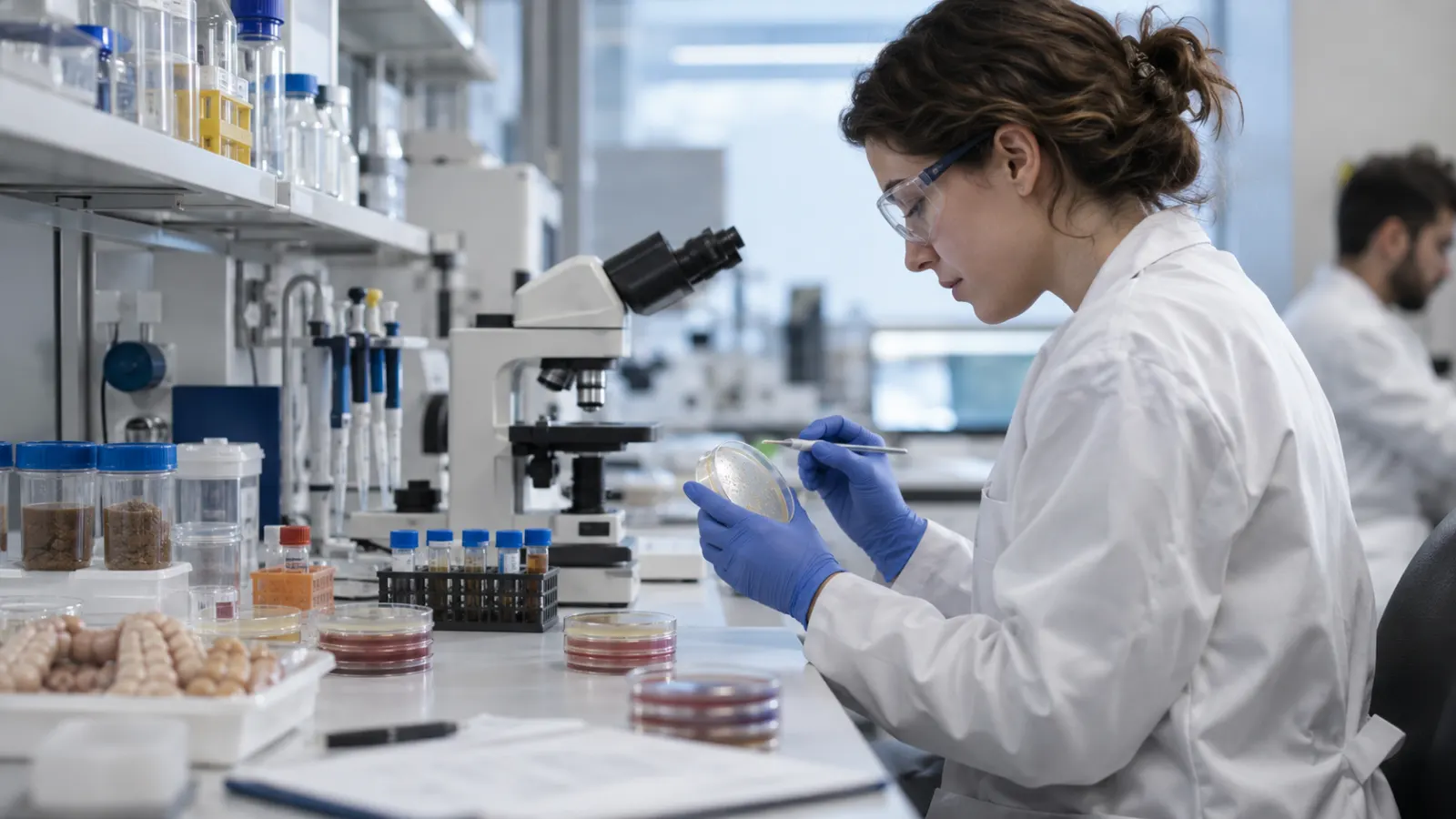
The gut microbiome supports digestion, immunity and pathogen resistance, but there is no single perfect microbiome or universal gut health test.