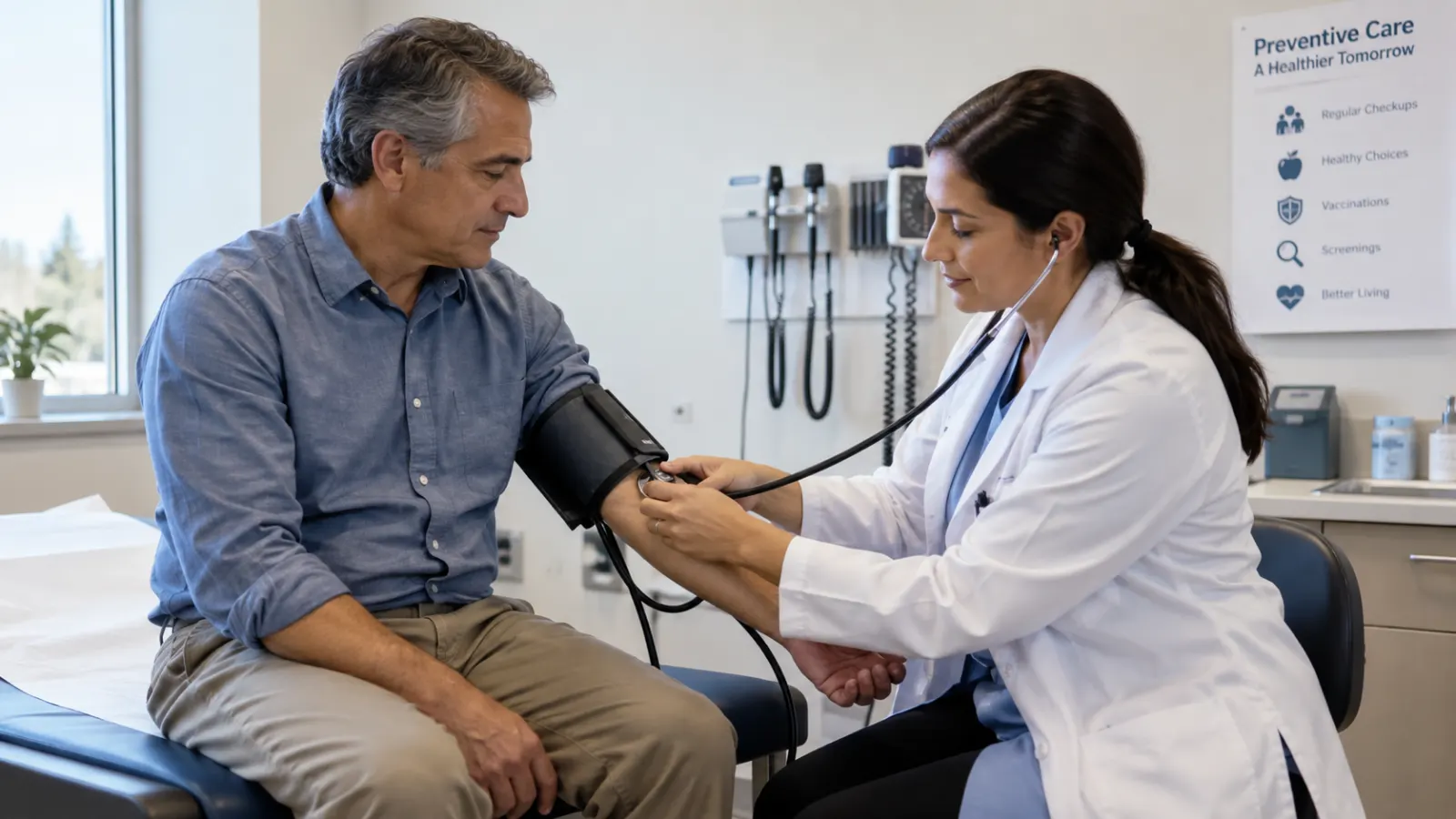
A country’s influence is not built only through armies, markets, films, universities or technology. Sometimes it is built in a hospital room.
A foreign patient travels to India for heart surgery because the treatment is faster and more affordable. A family from Africa brings a child for cancer care because specialised expertise is available. A patient from the Gulf chooses an Indian hospital for orthopaedic treatment. A person from Europe comes not for surgery, but for Ayurveda, rehabilitation, yoga and long-term wellness. A neighbour from South Asia crosses into India because trust in Indian doctors has become part of daily regional life.
These journeys are not ordinary tourism. They are not simple commercial transactions either. They represent a different kind of international relationship — one based on healing.
Medical tourism, or medical value travel, is now adding a new dimension to India’s soft power.
India has long projected cultural soft power through yoga, cinema, cuisine, spirituality, democracy, diaspora and civilisational memory. But healthcare creates a more intimate form of influence. A country that treats a patient in pain earns a kind of trust that no advertisement can manufacture. When families return home after successful treatment, they carry a story about India. That story may travel through relatives, communities, doctors, embassies and digital networks.
This is why medical tourism matters beyond economics. It is becoming part of India’s global image.
India is no longer only the “pharmacy of the world.” It is trying to become a place where the world comes to heal.
The Rise of Medical Value Travel
Medical tourism is often described as people travelling abroad for cheaper treatment. That definition is too narrow.
The better phrase is medical value travel. It includes affordability, quality, waiting time, specialised expertise, technology, post-operative care, language support, hospitality, wellness, rehabilitation and trust. A patient is not buying a hotel package. A patient is making a high-risk decision about the body, the family and the future.
India’s opportunity lies in the word “value.”
For many international patients, India offers a combination that is difficult to ignore: skilled doctors, English-speaking medical staff, advanced private hospitals, relatively lower costs, established pharmaceutical access, traditional wellness systems and large experience in complex procedures. This combination has made India one of the important destinations in global medical travel.
Government data shows the sector’s visible recovery and expansion. In 2025, India recorded 9.15 million foreign tourist arrivals, of which 507,244 foreign nationals came specifically for medical treatment, making medical-purpose arrivals about 5.5% of total FTAs. Industry estimates cited by the government placed India’s medical tourism market at about USD 8.7 billion in 2025, with projections of USD 16.2 billion by 2030.
These numbers matter, but they do not capture the full strategic value. The real importance of medical tourism is not only revenue. It is reputation.
A hospital visit creates a personal relationship with a country. A successful surgery creates gratitude. A trusted doctor becomes an ambassador. A patient’s family becomes a channel of word-of-mouth diplomacy.
That is soft power in its most human form.
Why Healthcare Creates Deeper Soft Power
Soft power usually works through attraction. People admire a country’s culture, institutions, education, lifestyle or values. But healthcare creates something more emotional: dependence during vulnerability.
A student who studies abroad may appreciate a university. A tourist may enjoy a monument. A viewer may love a film. But a patient who travels abroad for treatment places life itself in another country’s hands.
That trust is profound.
When India becomes a place where foreign patients seek treatment, it gains a different kind of diplomatic capital. The relationship is not only between governments. It is between Indian doctors and foreign families, Indian nurses and international patients, Indian hospitals and overseas communities.
This is especially powerful in the Global South. Many patients from developing countries do not travel to India because it is fashionable. They come because treatment at home may be unavailable, unaffordable or delayed. For them, India represents not luxury healthcare, but accessible expertise.
That makes India’s medical tourism different from the elite wellness tourism of some global destinations. India’s strongest appeal is not only high-end care. It is the possibility of high-quality care at a more reachable price point.
This gives India a soft power advantage among countries that understand the pain of health-system gaps.
The Neighbourhood Dimension
Medical tourism is especially important in India’s neighbourhood.
For many people in Bangladesh, Nepal, Bhutan, Maldives, Sri Lanka, Afghanistan and parts of Africa, Indian healthcare is familiar and trusted. Families know hospital names. Doctors refer patients. Travel routes are established. Relatives may already live in Indian cities. Language and food may feel less alien than in the West. Costs may be lower than treatment in Singapore, Europe or the United States.
This is where medical tourism overlaps with regional diplomacy.
If a Bangladeshi family receives life-saving treatment in Kolkata, Chennai or Delhi, the experience shapes perceptions of India. If a Maldivian patient finds reliable care in India, it strengthens everyday regional ties. If African patients receive treatment in Indian hospitals, it supports India’s long-term Global South relationship.
But this soft power is fragile. It depends on access.
A 2025 Reuters report noted that India had reduced medical visas to Bangladesh amid diplomatic strain and security concerns, while China was stepping in with medical visas and broader engagement. The report showed how medical access can become part of regional influence, especially when patients from one country depend heavily on another country’s healthcare ecosystem.
This is a critical lesson. Medical tourism is not geopolitically neutral. If India becomes difficult to access, another country may fill the space. If India treats medical travellers with dignity and efficiency, trust deepens. If visas, hospital coordination, pricing or patient handling become difficult, goodwill can erode quickly.
Healthcare soft power requires administrative sensitivity.
“Heal in India” and the Branding of Trust
India has recognised medical and wellness tourism as a strategic sector.
The National Strategy and Roadmap for Medical and Wellness Tourism identified “Heal in India” as a brand idea and noted that Indian Missions can play a role in promoting India as a medical value travel and wellness destination in source markets. The strategy also highlighted the need for coordination among central ministries, state governments and the private sector.
This is important because medical tourism cannot grow only through private hospitals advertising abroad. It needs an ecosystem: visas, airports, interpreters, patient facilitators, quality standards, insurance links, embassy support, transparent pricing, grievance redressal, post-treatment follow-up and safe recovery environments.
A strong “Heal in India” brand must mean more than marketing.
It must mean trust before arrival, clarity during treatment and support after discharge.
If a patient cannot understand the cost estimate, the brand suffers.
If an attendant struggles with visa or accommodation, the brand suffers.
If a facilitator misleads a patient, the brand suffers.
If a hospital overpromises outcomes, the brand suffers.
If follow-up care is weak after the patient returns home, the brand suffers.
Medical tourism is reputation-intensive. One bad case can travel as fast as one good case.
The Visa Question
Healthcare travel depends heavily on visa policy.
India has created dedicated channels for medical travel, including e-Medical Visa and e-Medical Attendant Visa categories. The official Indian e-visa portal lists e-Medical Visa and e-Medical Attendant Visa among admissible e-visa categories.
India has also introduced a separate Ayush Visa category. The government stated that the dedicated Ayush Visa was introduced on 27 July 2023 for foreign nationals and attendants seeking treatment under Ayush systems of medicine.
This is a smart policy move because wellness travel is not identical to hospital treatment. A person coming for Ayurveda, yoga therapy, naturopathy or other recognised traditional systems may not fit neatly into the same category as a patient seeking cardiac surgery or oncology care. A dedicated Ayush Visa recognises that India’s healthcare appeal includes both modern medicine and traditional wellness.
But the visa system must remain predictable.
For patients, uncertainty is stressful. A delayed visa can delay treatment. A rejected attendant visa can make travel impossible. Confusion about documents can push patients toward informal agents. Medical tourism requires a visa system that is fast, humane, secure and transparent.
India’s soft power will grow when medical access feels efficient and compassionate, not bureaucratic and uncertain.
Ayurveda and Wellness as a Distinct Advantage
India’s medical tourism story is not only about hospitals.
It is also about Ayurveda, yoga, naturopathy, Siddha, Unani, homeopathy, rehabilitation, preventive health, mental wellness and long-stay recovery. This is where India has a distinct civilisational advantage.
Many countries can offer surgery. Many countries can offer private hospitals. But India can combine modern medicine with traditional wellness traditions that already have global recognition. Yoga is one of India’s strongest cultural exports. Ayurveda has growing international curiosity. Wellness travellers often seek not only treatment, but restoration.
The Ministry of Ayush has also supported medical value travel through the Champion Services Sector Scheme, including financial assistance for establishing Ayush super-specialty hospitals and day-care centres and skill development in the Ayush sector.
This creates a unique possibility: India can position itself not only as a place for illness treatment, but as a destination for recovery, prevention and holistic health.
However, this advantage must be handled carefully.
Wellness soft power should not become exaggerated claims. Ayurveda and yoga must be promoted responsibly, with quality standards, credible institutions, scientific humility and clear distinction between supportive wellness and evidence-based emergency care. If India allows unregulated claims, poor-quality centres or misleading packages, its wellness advantage can become reputational risk.
The strongest Indian model is not “modern medicine versus traditional medicine.”
The strongest model is responsible integration where each system is used honestly within its limits.
Hospitals as Diplomatic Infrastructure
A hospital can become a diplomatic institution without calling itself one.
Large Indian hospitals already function as international contact zones. They receive patients from multiple countries, coordinate with embassies, manage interpreters, handle international payment systems, support medical records, arrange attendants, and sometimes work with overseas doctors for follow-up.
This makes hospitals part of India’s global interface.
In traditional diplomacy, embassies represent the state. In medical tourism, hospitals often represent the country in practice. A patient may never meet an Indian diplomat, but they will meet Indian doctors, nurses, billing staff, airport coordinators, hotel partners and local transport providers. Their perception of India is shaped by this entire chain.
That is why medical tourism must be treated as a national reputation industry.
India cannot afford a fragmented ecosystem where hospitals, agents, hotels, visa services and transport providers operate without a common quality framework. The patient does not distinguish between one bad facilitator and the whole country. The experience is remembered as “India.”
This is both opportunity and risk.
Quality Is the Core of Trust
Medical tourism depends on trust, and trust depends on quality.
Patients travelling across borders worry about safety, infection control, doctor credentials, hospital accreditation, transparent pricing, legal remedies, post-surgery complications and continuity of care after returning home. These concerns are legitimate. A foreign patient is vulnerable because they are far from home, often unfamiliar with local systems, and dependent on intermediaries.
India has accreditation systems, including the National Accreditation Board for Hospitals & Healthcare Providers. NABH describes itself as an accreditation body recognised by the International Society for Quality in Health Care, giving NABH accreditation a form of global recognition.
But India’s challenge is consistency. The country has world-class hospitals, but it also has uneven healthcare quality across facilities. Medical tourism should not be built only around a few elite institutions. It needs a reliable quality ecosystem.
The government’s own medical and wellness tourism strategy noted weaknesses in the medical value travel sector, including lack of regulation to govern the sector, unorganised functioning and insufficient monitoring of quality of services by stakeholders such as facilitators and service providers.
This is a serious warning.
India’s medical tourism brand will not be protected by slogans. It will be protected by regulation, accreditation, transparency and accountability.
The Problem of Facilitators
Medical tourism often involves facilitators: agencies or individuals who connect patients with hospitals, doctors, hotels, transport and paperwork.
Good facilitators can help patients navigate a complicated system. Bad facilitators can mislead patients, inflate costs, hide risks, push unnecessary procedures or damage India’s reputation.
This is one of the weakest links in medical tourism.
A patient sitting abroad may not know which hospital is credible, which doctor is appropriate, what the fair cost is, what documents are needed, whether surgery is urgent, whether the proposed package includes complications, or whether follow-up care is available at home. The facilitator becomes a powerful gatekeeper.
India needs a stronger framework for medical tourism facilitators. Registration, disclosure norms, transparent commission structures, grievance redressal, multilingual support standards and ethical referral rules should become part of the ecosystem.
Without this, India risks allowing informal middlemen to define the patient experience.
A country cannot build health soft power on opaque brokerage.
Affordability Must Not Become Exploitation
India’s biggest medical tourism advantage is affordability compared with many high-income countries.
But affordability must be understood carefully. The goal is not to become “cheap healthcare.” The goal is to deliver credible, high-value care at comparatively lower cost.
There is a difference.
If India competes only on price, it risks attracting a race to the bottom. Hospitals may cut corners. Facilitators may bargain dangerously. Smaller providers may overpromise. Quality may become uneven. The brand may suffer.
India should compete on value: skilled doctors, quality hospitals, transparent pricing, advanced procedures, continuity of care, lower waiting time, compassionate support and integrated recovery.
The pricing system should be honest. Patients must know what is included and what is not. Complication costs should be explained. Post-operative care should be clear. Refund policies should be transparent. Medical records should be portable.
A patient who feels cheated becomes a reputational cost.
A patient who feels respected becomes an ambassador.
Medical Tourism and Domestic Equity
There is also an ethical question India cannot ignore.
Can India promote medical tourism while many Indians still struggle with access, affordability and quality in healthcare?
This question is uncomfortable, but necessary.
A country can serve international patients and domestic patients at the same time if the system is designed well. Medical tourism can bring revenue, jobs, investment, advanced technology, hospital expansion, foreign exchange and specialised expertise. These can indirectly strengthen the broader healthcare ecosystem.
But there is a risk. If hospitals focus excessively on profitable foreign patients, domestic affordability may suffer. If elite medical infrastructure clusters only around international demand, inequality may deepen. If doctors are pulled away from public health priorities, the social legitimacy of medical tourism weakens.
India must avoid a two-tier moral image: world-class care for foreigners, difficult access for ordinary citizens.
The best model is one where medical tourism revenue strengthens healthcare capacity, not merely private profit. States can link medical tourism growth with training, accreditation, emergency care, public-private partnerships, quality upgrades and wider access.
Soft power cannot rest on domestic neglect.
A country’s health diplomacy is stronger when its own people also trust its health system.
Medical Tourism as Services Export
Medical tourism is also a services export.
When a foreign patient spends in India on treatment, diagnostics, hospital stay, medicines, hotels, transport, interpreters, rehabilitation and wellness, the economic impact spreads across sectors. It supports doctors, nurses, technicians, hospitality workers, travel agents, insurance coordinators, translators, pharmacies and local businesses.
This gives medical tourism a development dimension.
But unlike ordinary tourism, medical tourism is more complex because the traveller is vulnerable. A leisure tourist may forgive a delayed taxi. A medical traveller may not forgive a delayed ambulance, unclear bill or poor infection-control practice.
The sector therefore requires a higher standard of coordination than normal tourism. Airports, immigration, hospitals, hotels, local transport and emergency services must function as one patient pathway.
This is where state governments can play a major role.
Cities like Chennai, Delhi-NCR, Mumbai, Hyderabad, Bengaluru, Kochi, Ahmedabad and others already have medical tourism potential. But the next phase will require city-level medical travel ecosystems: dedicated helpdesks, hospital corridors, multilingual services, safety protocols, regulated recovery accommodation and emergency support.
India should think of medical tourism not only as a national brand but as a city-level competitiveness strategy.
Insurance and Cross-Border Care
One major barrier to medical tourism is insurance.
Many patients travel to India because treatment is cheaper out of pocket than in other countries. But for medical tourism to grow sustainably, India needs stronger links with international insurers, employer health plans, government referral systems and regional health financing arrangements.
If insurance providers abroad recognise Indian hospitals, patient flow can become more structured and predictable. If governments in smaller countries refer patients to India under formal agreements, care can become more transparent. If Indian hospitals build partnerships with overseas doctors, follow-up can improve.
This is especially important for complex treatment.
A surgery does not end when the patient leaves India. Recovery continues at home. Complications may appear later. Follow-up medicines may be needed. Reports must be understood by local doctors. Teleconsultation may be required.
India’s medical tourism soft power will become stronger when it builds international continuity of care, not only one-time hospital visits.
Digital Health Can Strengthen Medical Tourism
India’s digital health infrastructure can support medical tourism in the future.
Ayushman Bharat Digital Mission, health IDs, consent-based data sharing, telemedicine, digital health records, hospital registries and claims platforms can eventually help create a more organised system for international patients too, provided privacy and consent are handled carefully.
Imagine a foreign patient journey where verified hospitals are listed, doctor credentials are clear, estimated treatment packages are transparent, visa letters are generated securely, medical records are shared with consent, appointments are confirmed digitally, and follow-up consultations continue after return.
That would make India more competitive.
Medical tourism suffers when patients depend on fragmented WhatsApp chains, informal agents, unclear estimates and scattered paperwork. Digital public infrastructure can reduce that uncertainty.
But digital systems must not become surveillance systems or data-extraction tools. Health data is deeply sensitive. International patients will expect privacy, cybersecurity and clear consent.
Trust must remain the centre.
The Geopolitics of Healing
Medical tourism is becoming part of geopolitical competition.
Countries compete to attract patients because healthcare travel brings revenue and influence. Thailand, Turkey, Singapore, Malaysia, UAE and others have built strong medical tourism propositions. China is increasingly positioning itself in some regional health spaces. Gulf countries are investing in healthcare hubs. Southeast Asian countries offer strong hospital-hospitality packages.
India has advantages, but not a monopoly.
The Reuters report on Bangladesh medical visas is a reminder that medical access can become linked to regional power. If India becomes less accessible, competitors can enter. If India improves access, service quality and diplomatic sensitivity, it can retain trust.
This is especially important in South Asia and Africa.
Health is one of the few sectors where India has deep natural credibility. Indian doctors, medicines, hospitals and training institutions are already known. India should not take this advantage for granted. Soft power decays when systems become arrogant.
The politics of healing requires humility.
The Global South Opportunity
India’s strongest medical tourism opportunity lies in the Global South.
Patients from wealthy countries may come to India for affordability or specific procedures. But patients from developing countries often come because India offers a bridge between local limitations and expensive Western systems.
This is where India’s Global South identity matters. India can present itself not as a distant luxury health destination, but as an accessible healthcare partner.
This has diplomatic value.
If India supports health capacity in Africa, shares digital health systems, supplies medicines, trains doctors and receives patients for advanced care, it creates a full-spectrum health relationship. Medical tourism then becomes one part of a larger health diplomacy ecosystem.
India should build country-specific healthcare corridors with African and South Asian partners: referral agreements, telemedicine networks, doctor training, follow-up care, hospital partnerships, emergency treatment protocols and medical education links.
This would move India beyond passive patient inflows.
It would turn medical tourism into structured health diplomacy.
The Role of Diaspora
India’s diaspora can also strengthen medical tourism.
Diaspora communities often act as information bridges. A family abroad may trust India because relatives know the system. Indian-origin doctors may refer patients to Indian specialists. Community networks may recommend hospitals. Diaspora business groups may invest in healthcare partnerships. Non-resident Indians may bring foreign friends or colleagues for treatment.
But diaspora trust is not automatic. It depends on quality, transparency and professionalism.
If diaspora patients face unclear billing, poor coordination or inconsistent service, negative word-of-mouth spreads quickly. If they experience high-quality care, they become powerful advocates.
India should see the diaspora not only as a cultural asset but as a healthcare trust network.
Risks India Must Manage
Medical tourism carries real risks.
First, quality inconsistency can damage reputation.
Second, opaque pricing can create mistrust.
Third, unregulated facilitators can exploit patients.
Fourth, visa uncertainty can push patients toward competitors.
Fifth, poor post-treatment follow-up can create medical and legal complications.
Sixth, infection-control concerns can harm trust.
Seventh, over-commercialisation can weaken medical ethics.
Eighth, excessive focus on foreign patients can create domestic resentment.
Ninth, exaggerated wellness claims can damage credibility.
Tenth, geopolitical tensions can disrupt patient flows.
These risks are manageable, but only if India treats medical tourism as a regulated strategic sector rather than a loosely organised market.
The Counter-View: Is Medical Tourism Really Soft Power?
Some may argue that medical tourism is simply business. Patients pay, hospitals treat, hotels earn and the state receives foreign exchange. Calling it soft power may seem exaggerated.
This criticism has some merit. Not every foreign patient automatically becomes a supporter of India. Not every hospital visit creates diplomacy. A commercial transaction remains commercial if it lacks deeper trust, fairness and memory.
But healthcare is not an ordinary service.
A person who receives treatment abroad experiences the country at a moment of vulnerability. The experience can create gratitude or resentment, trust or suspicion, admiration or anger. That emotional intensity makes medical tourism politically and culturally significant.
Medical tourism becomes soft power only when the patient experience is dignified, ethical, effective and humane.
If it is exploitative, it becomes negative soft power.
The same hospital bed can build India’s reputation or damage it.
What India Should Do Next
India should build a serious medical tourism framework around trust.
First, it should create a stronger national registry of verified hospitals, wellness centres and facilitators for international patients.
Second, it should standardise treatment estimate formats so patients understand costs clearly.
Third, it should regulate medical tourism facilitators through registration, disclosure and grievance norms.
Fourth, it should strengthen international patient desks at airports and major hospitals.
Fifth, it should build country-specific medical corridors with neighbours and African partners.
Sixth, it should integrate telemedicine-based pre-consultation and post-treatment follow-up.
Seventh, it should promote Ayush and wellness responsibly, with credible quality standards.
Eighth, it should simplify medical and attendant visa processes without compromising security.
Ninth, it should link medical tourism growth with domestic healthcare strengthening.
Tenth, it should promote India’s healthcare brand through embassies, but only around accredited and accountable providers.
The goal should not be to attract patients at any cost.
The goal should be to become the world’s most trusted high-value healthcare destination.
The India Angle: Healing as Strategic Influence
India’s rise is often discussed through economics, defence, technology, demography and diplomacy. But healthcare may become one of its most human forms of influence.
A country that heals earns trust differently.
When India supplies affordable medicines, it supports global health access.
When India sends vaccines, it builds crisis goodwill.
When India trains doctors and nurses, it builds institutional ties.
When India shares digital health tools, it exports public infrastructure.
When India treats foreign patients, it creates personal bonds.
Together, these form a healthcare soft power ecosystem.
Medical tourism is one part of that ecosystem, but it is a highly visible part because patients experience it directly. They see the hospital, the doctor, the nurse, the city, the food, the interpreter, the hotel and the recovery process. Their perception of India becomes embodied.
This is why the sector deserves strategic attention.
The Larger Editorial Point
India’s cultural soft power has long rested on ideas: yoga, spirituality, cinema, democracy, pluralism, cuisine and civilisation. Medical tourism adds a more practical layer. It says India is not only a country to watch, visit or admire. It is a country to trust when life is uncertain.
That is powerful.
But this power is delicate. It cannot be built by marketing alone. It requires quality hospitals, ethical doctors, transparent pricing, regulated facilitators, smooth visas, strong follow-up, patient safety, privacy and compassion.
India’s opportunity is real. The numbers are rising. The global market is expanding. The government has recognised the sector. The Ayush Visa creates a new wellness channel. The “Heal in India” idea has strategic potential. India’s doctors already enjoy trust across many countries.
But the future will depend on whether India can convert scattered excellence into organised credibility.
Medical tourism should not become a race for foreign patients. It should become a disciplined national project built on trust.
If India gets this right, every healed patient becomes more than a customer.
They become a carrier of India’s reputation.