Kangana Ranaut Gets Interim Protection Against AI Deepfakes and Fake Speeches
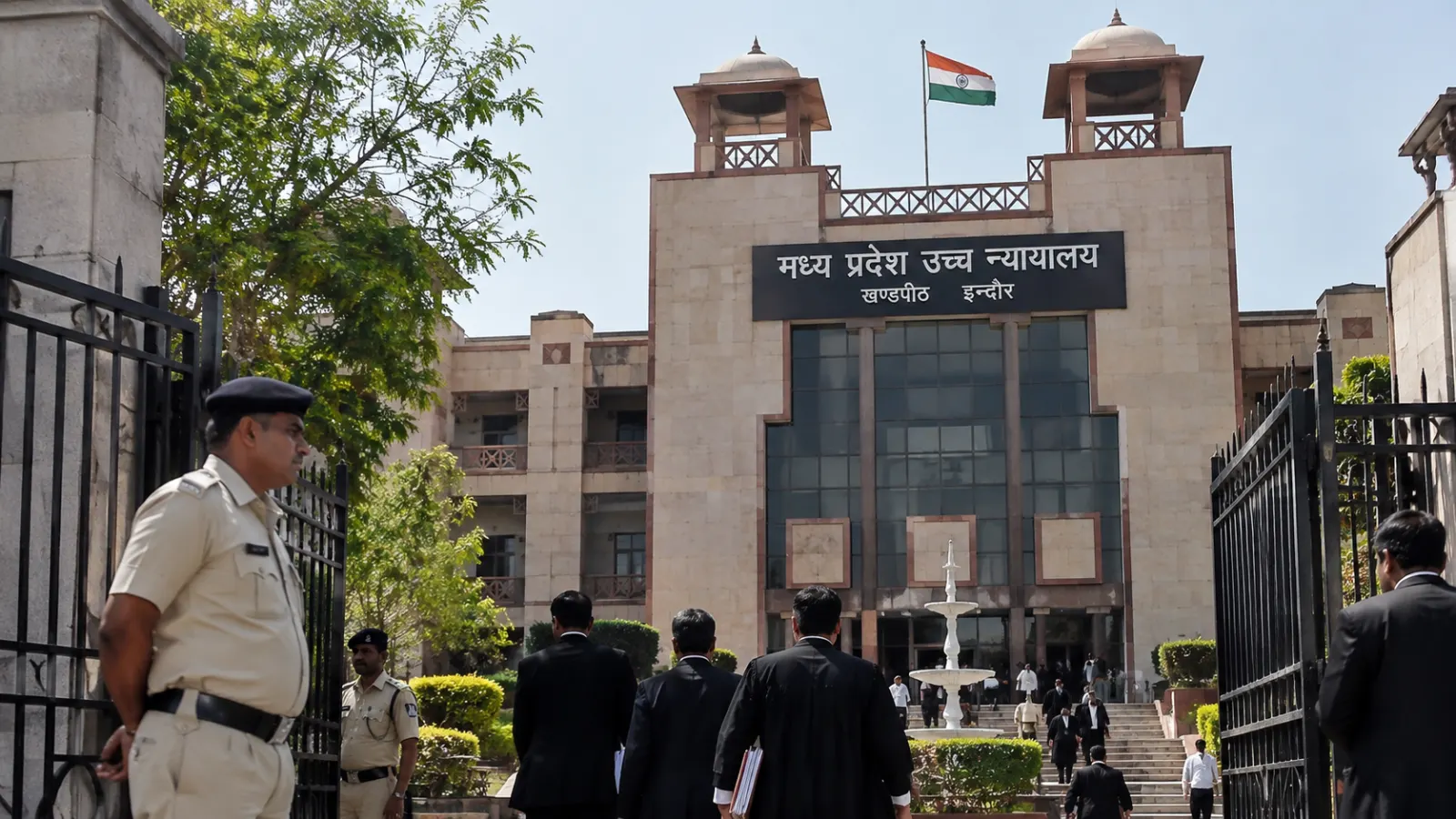
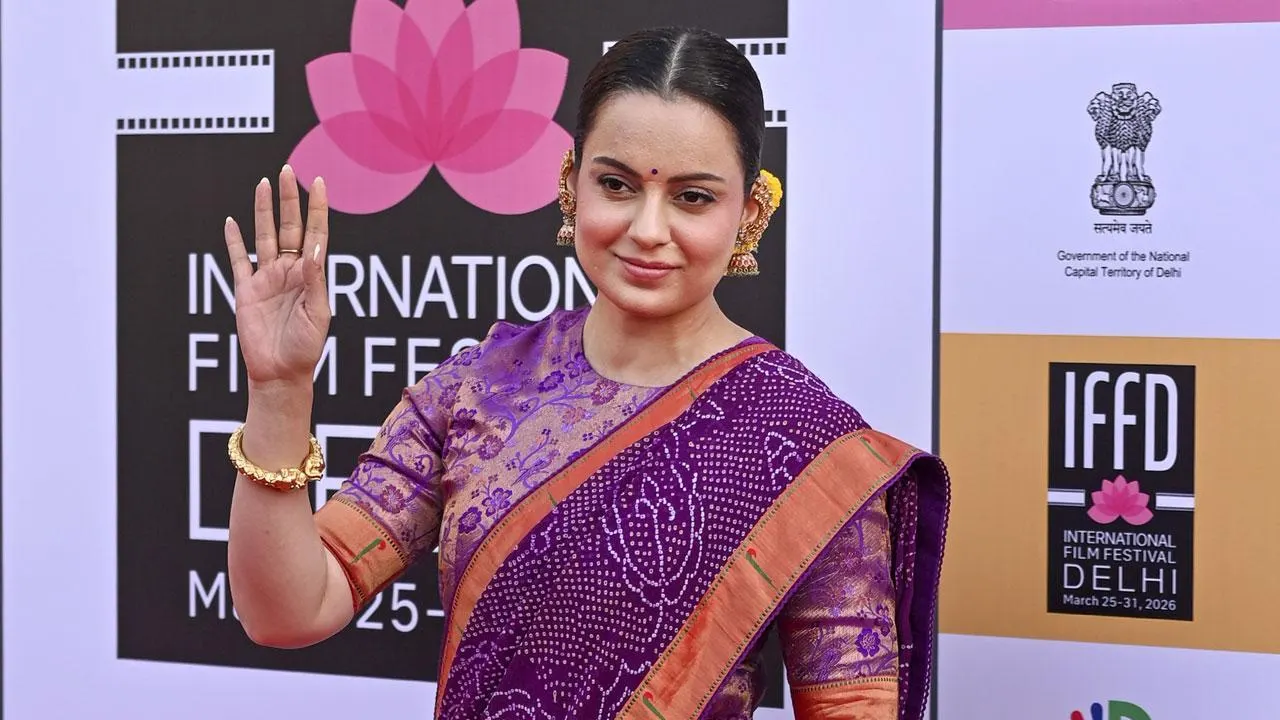
The Delhi High Court has granted Kangana Ranaut interim protection in her personality-rights case, directing action against AI-generated deepfakes, manipulated videos, fabricated speeches and other unauthorised uses of her identity online.
The order protects the actor and BJP MP’s name, image, voice and other distinctive personal attributes from being commercially exploited or used in deceptive digital content without permission.
Court moves against AI-generated misuse
The case focused heavily on the growing use of artificial intelligence to create fake videos, morphed images and fabricated statements that appear to show public figures saying or doing things they never actually did.
Ranaut had approached the Delhi High Court alleging widespread misuse of her persona across digital platforms, including manipulated and allegedly obscene content.
The court’s interim order restrains unauthorised use of her personality attributes in AI-generated or altered material and requires platforms to act against identified infringing content.
Meta Platforms was directed to remove notified infringing content within 72 hours, while authorities were also asked to take action against specified websites carrying such material.
Name, image and voice covered by protection
Personality rights generally protect identifiable elements associated with a person, including their name, likeness, voice and other features that can be commercially exploited or used to create a false impression of endorsement.
For celebrities and other prominent public figures, these rights have become increasingly important as generative AI tools make it easier to produce realistic fake videos, cloned voices and manipulated advertisements.
The interim protection granted to Ranaut therefore goes beyond conventional misuse of photographs or names and extends directly to newer forms of AI-generated impersonation.
Deepfakes becoming a major legal concern
The ruling comes amid growing concern over deepfakes involving actors, politicians and other public figures.
Modern AI tools can reproduce faces and voices with increasing accuracy, making manipulated content more difficult for viewers to identify as fake.
Such material can be used for false endorsements, political misinformation, fraud or reputational attacks.
Courts in India have increasingly been asked to determine how existing personality, privacy and intellectual-property principles should apply to these new forms of digital impersonation.
Delhi High Court has handled similar cases
Ranaut’s case is part of a broader trend of public figures seeking personality-rights protection from the Delhi High Court.
The court has recently considered similar requests involving other prominent actors, with orders targeting unauthorised commercial use of their identities as well as AI-generated deepfakes and face-morphed content.
These cases are gradually creating a stronger legal framework around digital identity protection even as India continues to develop broader rules governing artificial intelligence.
Why the ruling matters beyond celebrities
Although personality-rights cases are often brought by actors and other famous figures, the underlying issue affects a much wider group of people.
AI-generated impersonation can be used to create fraudulent investment promotions, fake political statements, fabricated intimate imagery or misleading advertisements involving almost anyone whose photographs or voice recordings are available online.
The Ranaut order therefore highlights a larger legal question: how quickly platforms and authorities should respond when AI tools are used to imitate a real person without consent.
Platforms face pressure to remove infringing content
The 72-hour removal direction is particularly important because deepfake content can spread rapidly once uploaded to social-media platforms.
Even when the original post is removed, copies can appear across multiple accounts and websites.
Rapid takedown mechanisms therefore play a major role in limiting the reach of manipulated content.
At the same time, courts must balance personality rights with legitimate uses such as journalism, criticism, satire and public-interest commentary.
The legal protection is aimed primarily at deceptive, unauthorised or commercially exploitative use rather than preventing lawful discussion about a public figure.
What happens next
The relief granted to Ranaut is interim, meaning the case itself will continue before the Delhi High Court.
Further hearings could clarify the scope of the restrictions, the responsibilities of individual platforms and how quickly online intermediaries must respond to future complaints.
The case could also contribute to the developing body of Indian law dealing specifically with AI-generated impersonation.
For now, the order sends a clear signal that deepfakes, fabricated speeches and other unauthorised AI-generated uses of a person’s identity can attract legal intervention even before India adopts a comprehensive standalone deepfake law.