CJP Protest Shifts From Jantar Mantar as Demonstrators Gather Near Safdarjung
The CJP protest in Delhi shifted away from Jantar Mantar on Saturday as demonstrators attempted to regroup around the Safdarjung Airport flyover and Dilli Haat-INA area after heavy police restrictions blocked access to the original protest site.
Several activists and opposition-linked figures were detained as groups moved towards alternative locations, turning the demonstration into a dispersed protest across parts of south and central Delhi rather than a single gathering at Jantar Mantar.
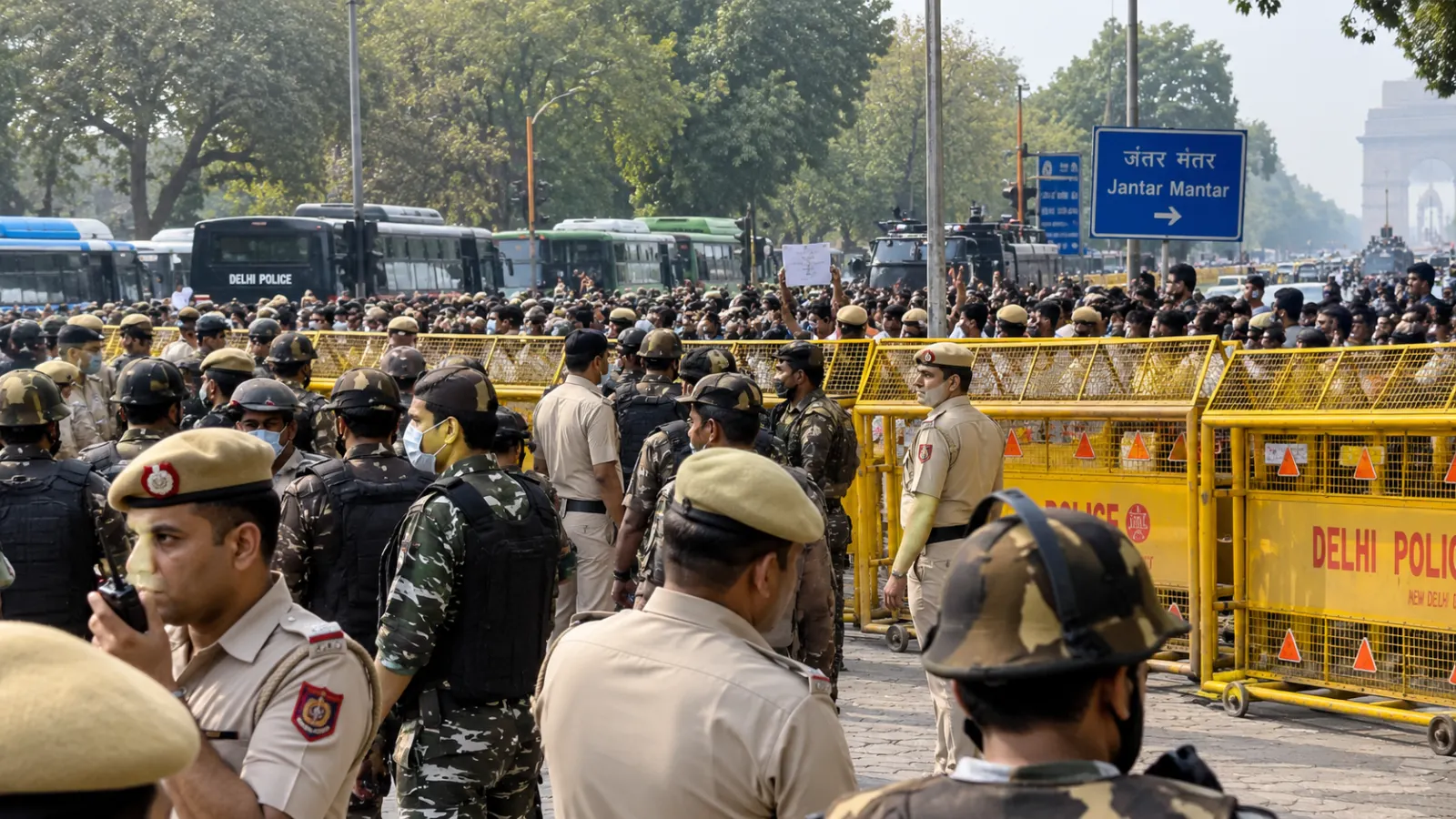
The development marks a significant change in the day’s protest strategy, with supporters attempting to bypass barricades, Metro restrictions and police checkpoints imposed around New Delhi.
Protesters move towards Safdarjung and Dilli Haat
Jantar Mantar had originally been announced as the main venue for the demonstration demanding the resignation of Chief Election Commissioner Gyanesh Kumar.
However, extensive barricading and preventive detentions made it extremely difficult for protesters to reach the site.
As the day progressed, groups of demonstrators began moving towards the Safdarjung Airport flyover and Dilli Haat-INA area.
Police deployed personnel along these routes as protesters attempted to march towards Dilli Haat and regroup away from the heavily secured Jantar Mantar zone.
The shift created a new flashpoint in the protest, with crowds gathering around areas that had not initially been expected to become major demonstration sites.
Neha Bora among activists detained
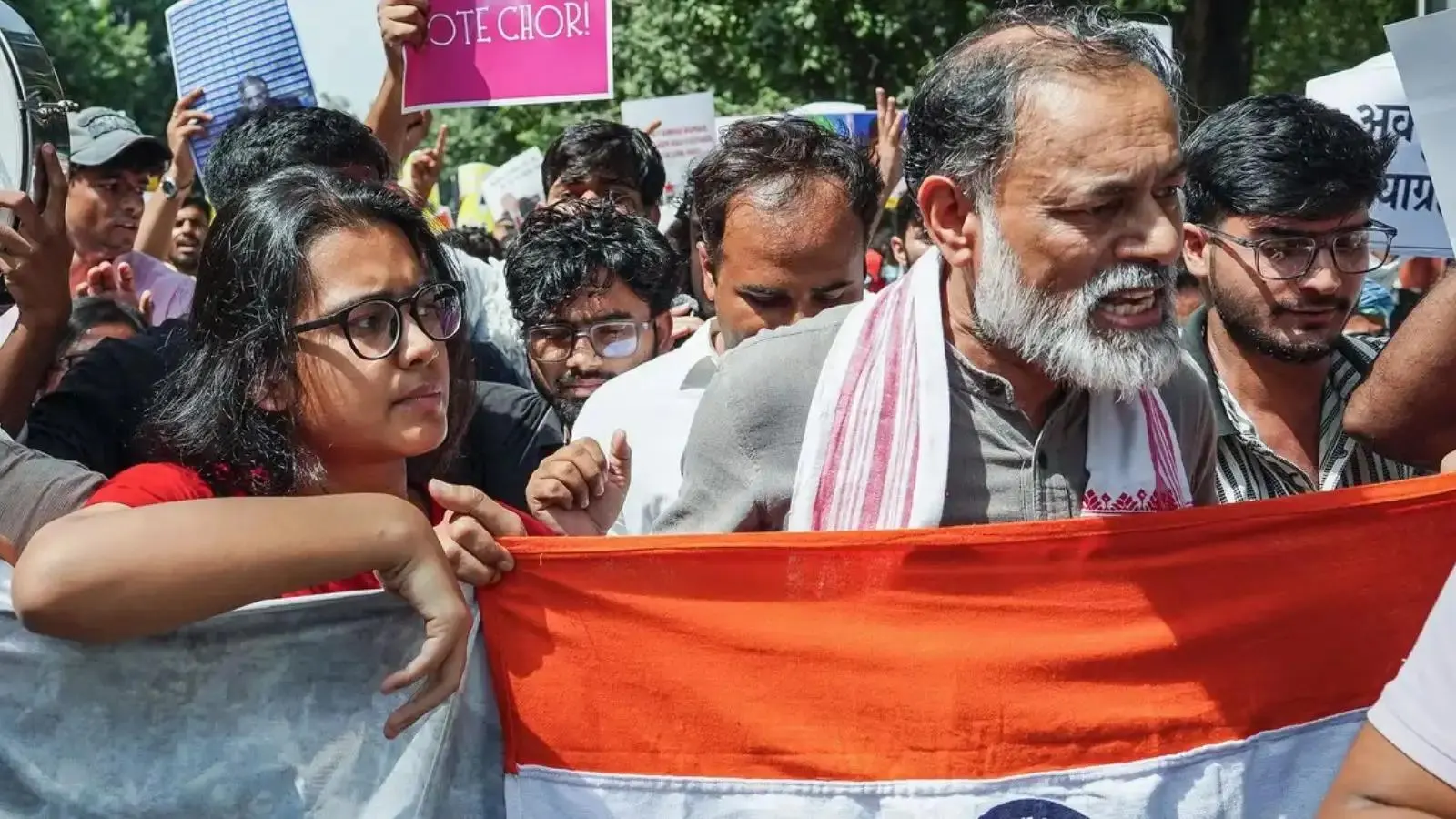
All India Students’ Association national president Neha Bora was among those detained near the Safdarjung Airport flyover while protesters were attempting to move towards Dilli Haat.
Political activist Yogendra Yadav, senior advocate Prashant Bhushan and CPI(ML) Liberation general secretary Dipankar Bhattacharya were also reported among those detained during the protest activity.
The detentions added another group of prominent figures to the growing list of activists, political leaders and organisers taken into custody during the day.
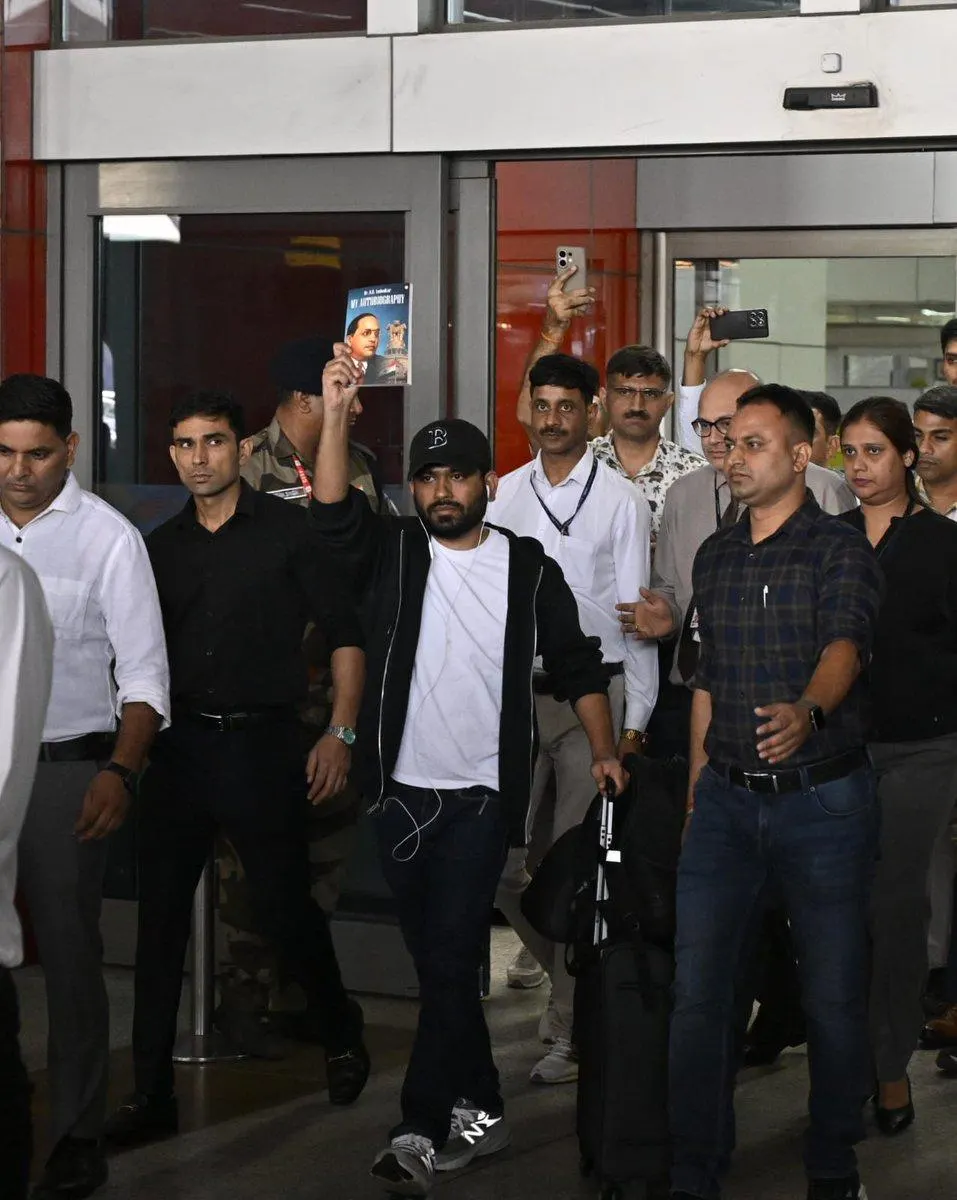
Earlier, CJP founder Abhijeet Dipke and senior leaders Saurav Das and Ashutosh Ranka had been detained after landing at Delhi airport.
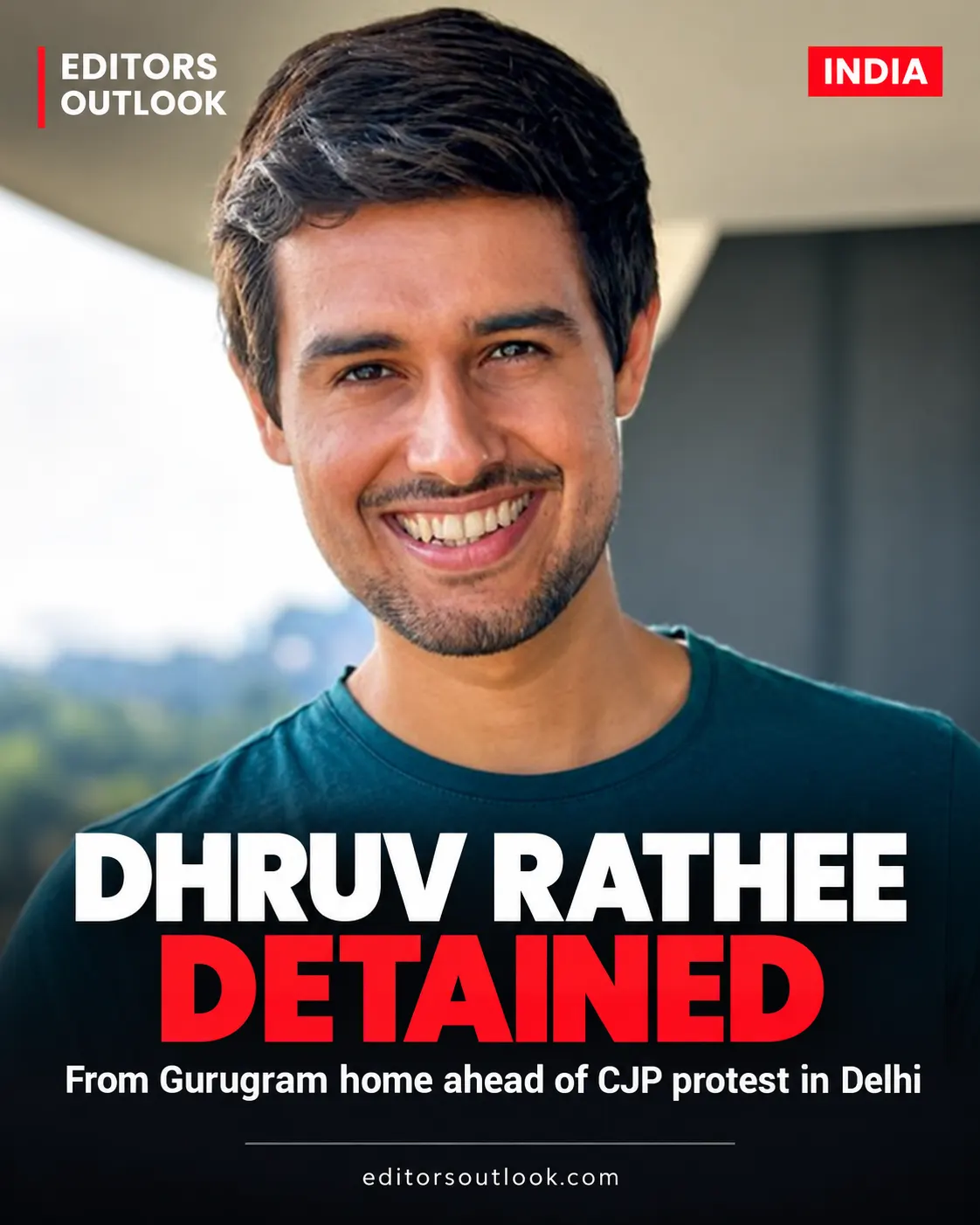
YouTuber Dhruv Rathee had also been detained from his Gurugram residence before he could reach the planned demonstration.
Protesters surround police vehicle
Tensions increased near the Safdarjung Airport flyover after protesters reportedly surrounded a police vehicle carrying detained demonstrators.
Police personnel attempted to move those detained away from the area as supporters continued raising slogans and gathering around the road.
The incident demonstrated how the protest had evolved from an attempt to reach one designated venue into multiple smaller confrontations across the capital.
Some demonstrators also attempted to evade detention by moving through nearby public spaces and changing routes as police checkpoints expanded.
Jantar Mantar remains effectively inaccessible
Security around Jantar Mantar remained extremely tight throughout the day.
Delhi Police had denied permission for the protest, citing procedural requirements and concerns over public order.
Barricades were installed across routes leading into New Delhi, while security forces monitored major intersections, Metro stations and entry points.
Protesters arriving from different parts of Delhi were stopped before reaching the demonstration site, and several groups were detained from locations including Connaught Place and other central Delhi areas.
As a result, the planned mass gathering at Jantar Mantar failed to develop in its originally intended form.
Instead, the movement increasingly became a series of smaller gatherings and marches at alternative locations.
Why protesters are demonstrating
The Cockroach Janta Party and supporting groups are demanding the resignation of Chief Election Commissioner Gyanesh Kumar.
The protesters have raised concerns about the Special Intensive Revision of electoral rolls and allege that legitimate voters may have been removed from voter lists.
The Election Commission has rejected allegations of political manipulation and has maintained that voter-roll revisions are intended to maintain accurate electoral records.
The dispute has nevertheless grown into a broader political confrontation involving youth groups, student organisations, activists and opposition parties.
Saturday’s protest was intended to become one of the largest demonstrations associated with the campaign.
Delhi remains under extensive restrictions
Authorities have implemented extensive security measures across the capital in response to the protest.
Police and paramilitary forces have been deployed around sensitive areas, while vehicle checks and road restrictions remain in place.
Metro access has also been restricted at several stations, and railway services have faced disruption.
Mobile internet restrictions introduced in parts of central Delhi have further affected communication and movement during the protest.
The combined restrictions have also affected ordinary commuters, particularly around central and south Delhi.
Protest enters a new phase
The emergence of Safdarjung and Dilli Haat as alternative gathering points suggests that protesters are adapting to the restrictions imposed around Jantar Mantar.
Rather than attempting to assemble at one heavily guarded location, supporters could continue moving towards smaller gathering points across the city.
Police are likely to respond by expanding checkpoints and preventive detention measures around any new protest locations.
The situation therefore remains fluid, with protest activity potentially shifting again depending on police deployment and the ability of demonstrators to regroup.
What began as a planned mass gathering at Jantar Mantar has now developed into a wider citywide confrontation, with protesters attempting to find alternative spaces to demonstrate while authorities continue working to prevent large crowds from assembling.