INDIA Bloc Steps Up Protest Demanding CEC Gyanesh Kumar’s Resignation
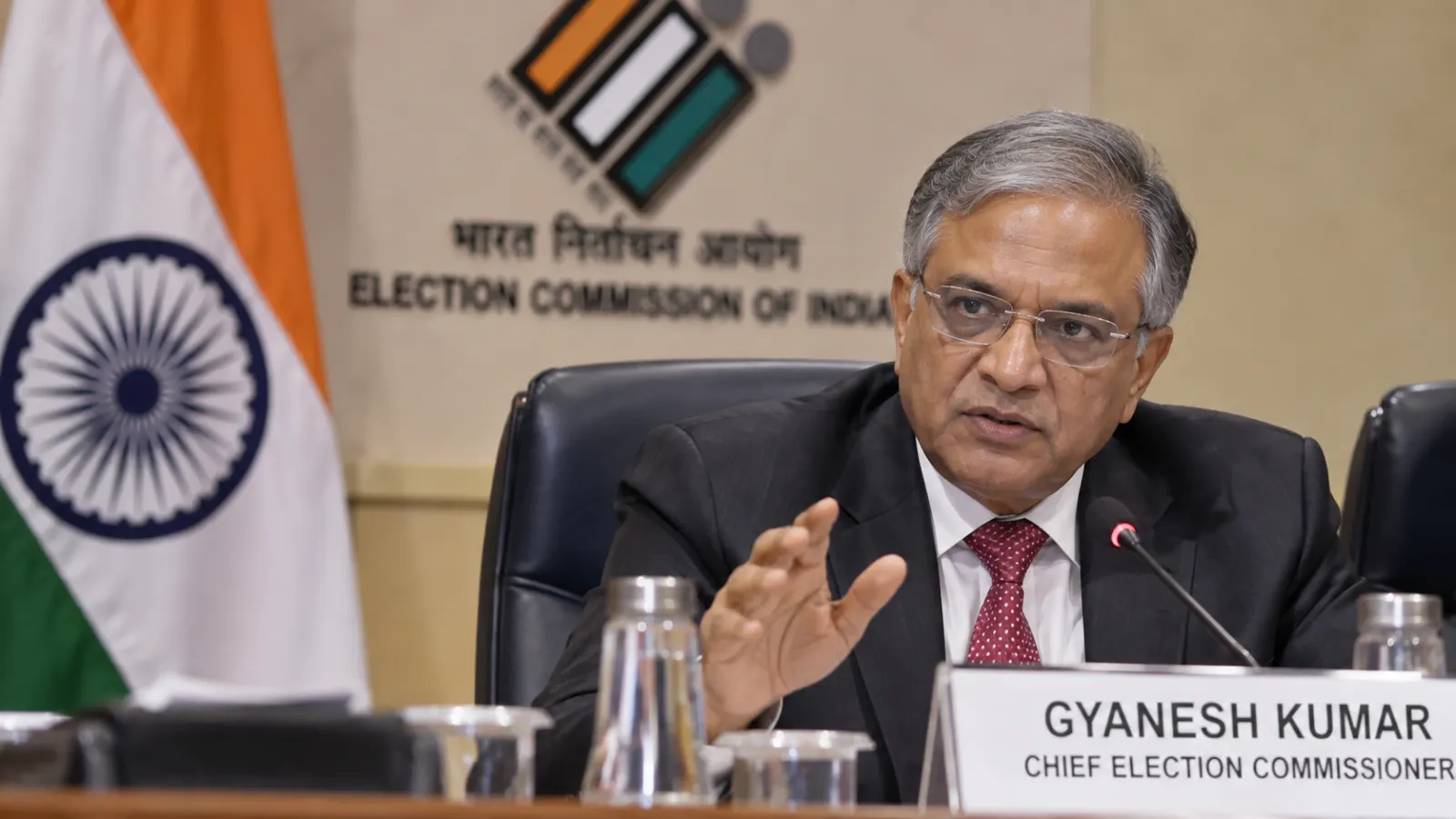
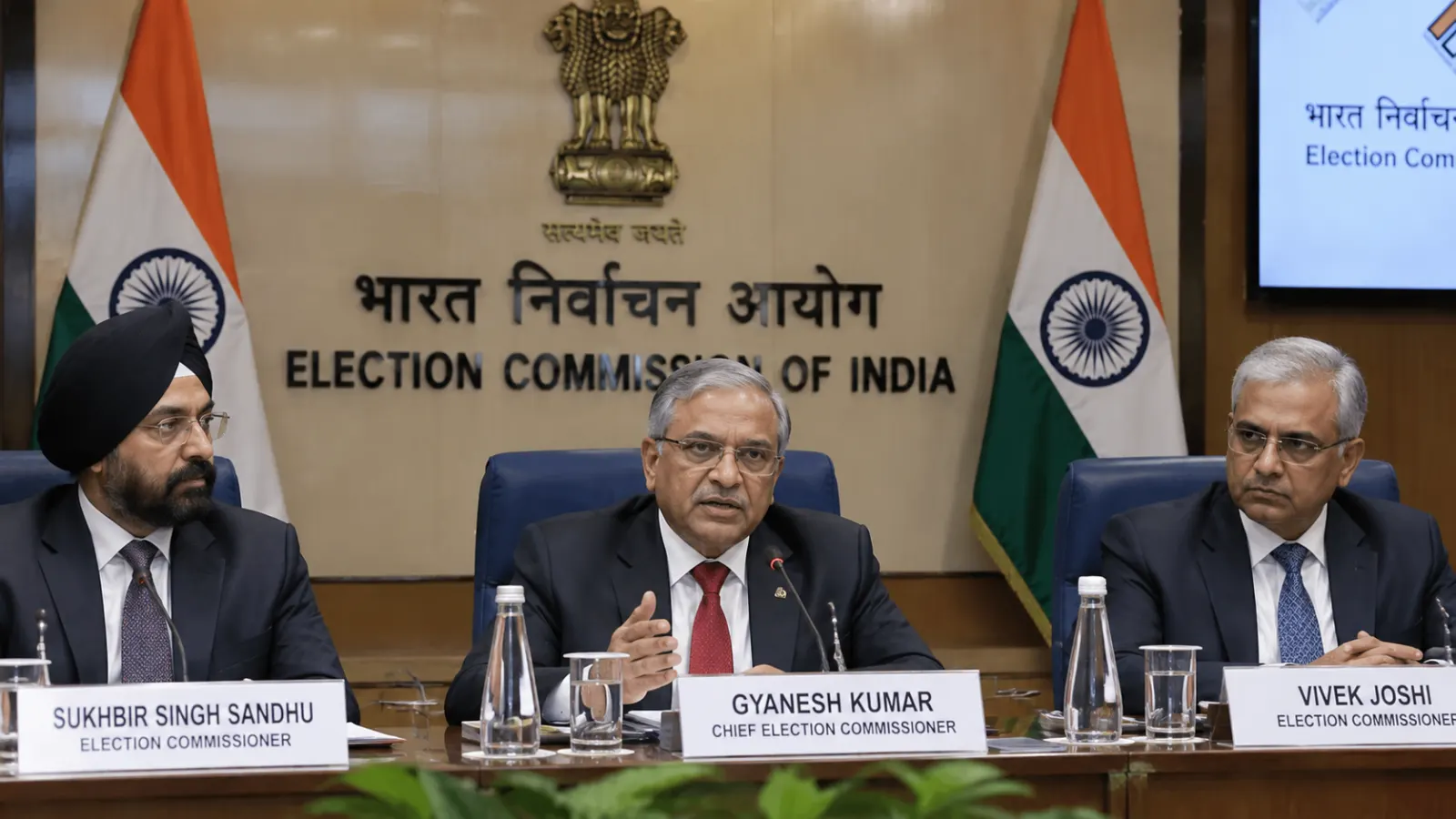
The INDIA bloc has intensified its campaign against Chief Election Commissioner Gyanesh Kumar, with Opposition leaders, MPs, youth groups and civil-society organisations expanding protests across Delhi and several states over allegations of irregularities in electoral-roll revisions.
The immediate demand is Gyanesh Kumar’s resignation. Opposition parties argue that the Election Commission has failed to adequately address concerns over the Special Intensive Revision of voter rolls, including large-scale deletions and questions over the transparency of additions and removals. The Election Commission and the BJP have rejected allegations of political manipulation and maintain that voter-list revisions are intended to remove duplicate, deceased, migrated or otherwise ineligible entries.
The confrontation has now moved beyond Parliament and the Election Commission headquarters. Protests have spread to Bengaluru, Mumbai, Bihar and other locations, while Congress has announced broader demonstrations at state, district and block levels.
Rahul Gandhi says protests will continue until CEC resigns
Rahul Gandhi has emerged as the most visible political face of the campaign.
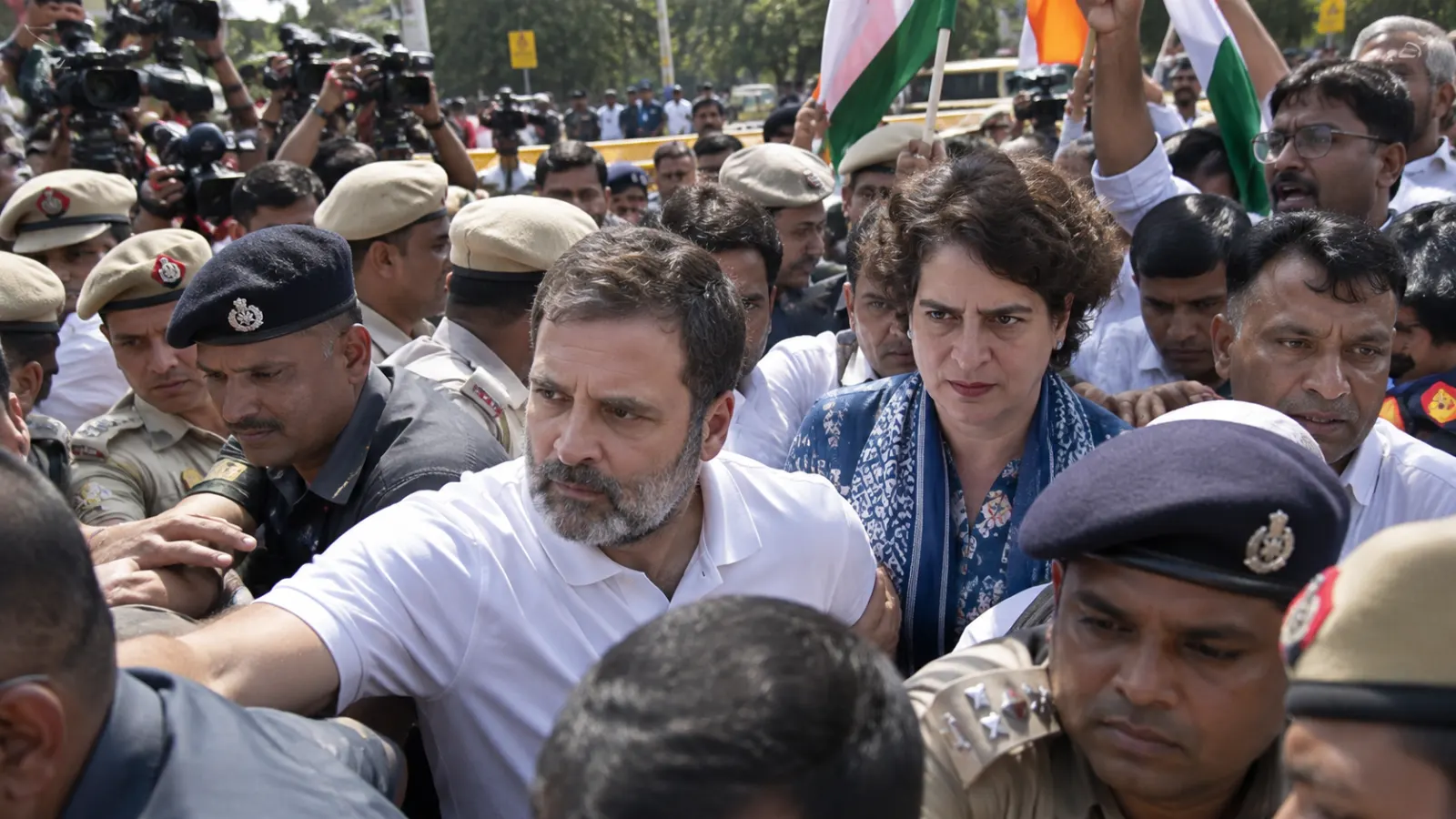
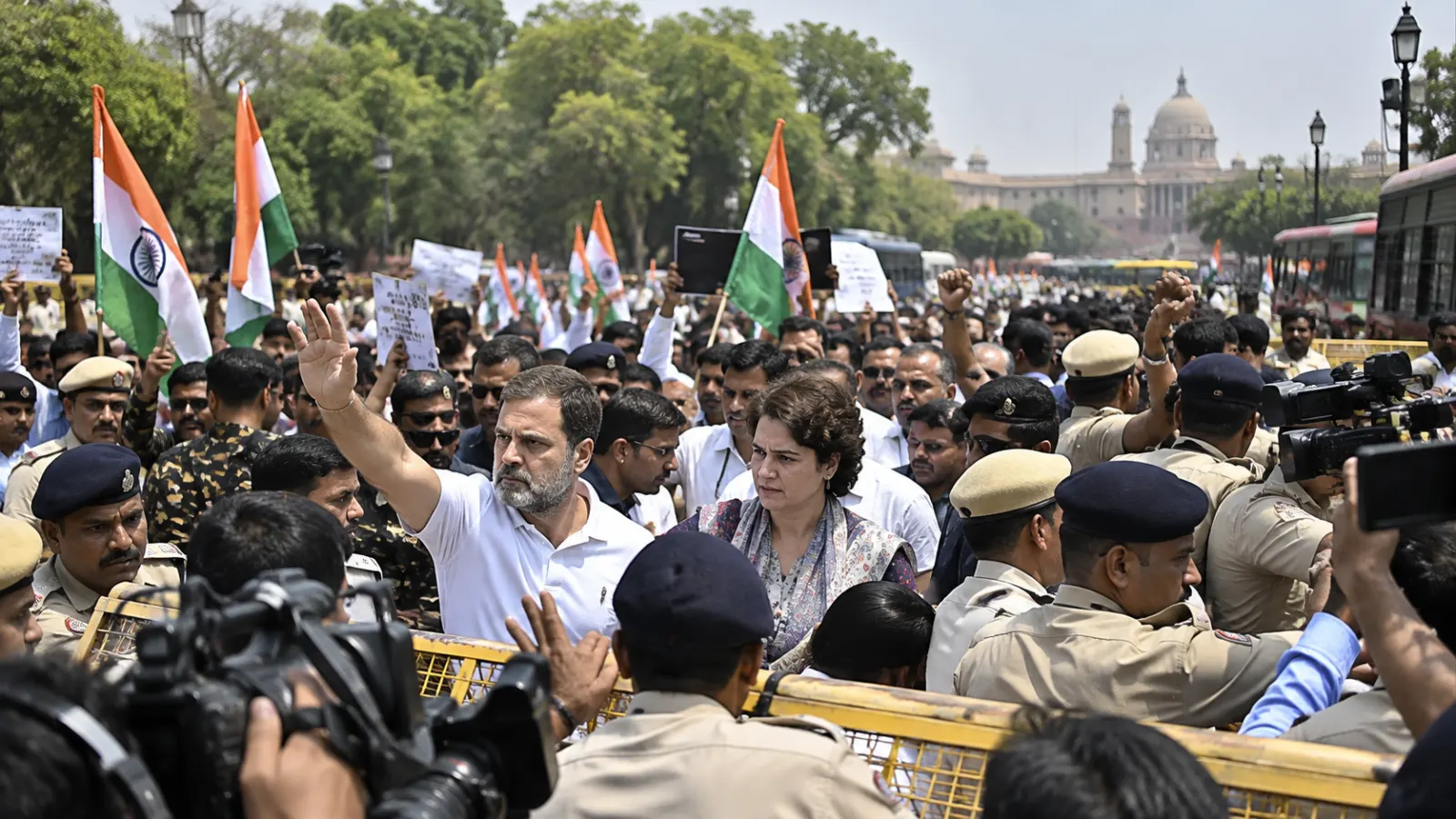
After two consecutive days of demonstrations in central Delhi, he said the Opposition would continue protesting until Gyanesh Kumar stepped down. Rahul Gandhi and several other lawmakers were detained during attempts to march towards designated protest sites and the Election Commission area before being released later.
Priyanka Gandhi Vadra, Congress president Mallikarjun Kharge and leaders from several INDIA bloc parties have also participated in the demonstrations.
The Opposition’s central argument is that concerns surrounding electoral rolls are no longer isolated administrative disputes. It is attempting to frame them as a broader question of democratic credibility and public trust in the Election Commission.
The issue has gained additional momentum from reports of internal disagreements and scrutiny surrounding voter-list revisions, which have given Opposition parties new grounds to demand greater transparency from the poll body.
Why the Special Intensive Revision has become controversial
The Special Intensive Revision, or SIR, is intended to update voter lists by removing invalid entries and verifying voter eligibility.
Election authorities say such exercises are necessary because electoral rolls naturally accumulate duplicate registrations, deaths, migration-related errors and other outdated records over time.
Opposition parties do not dispute the need for accurate voter lists. Their argument is that the scale and implementation of the revision could remove genuine voters or create unreasonable documentary hurdles for people trying to restore their names.
Critics have also questioned whether vulnerable groups may be disproportionately affected when voters are required to establish eligibility through documentation that may not be easily available.
The controversy has therefore become a dispute over both electoral administration and access to voting.
The Election Commission maintains that the process is designed to improve the accuracy of electoral rolls, while Opposition parties argue that stronger safeguards and greater transparency are required.
Protests spread beyond Delhi
The political pressure on the Election Commission is increasingly becoming national rather than Delhi-centric.
Thousands of demonstrators gathered in Bengaluru demanding Gyanesh Kumar’s resignation, while youth and student organisations have joined the campaign in several cities.
Earlier demonstrations in Mumbai also drew participation from opposition groups, activists and prominent public figures.
In Bihar, INDIA bloc leaders organised protests over the SIR process and demanded the removal of the Chief Election Commissioner. The state is particularly important because controversies around voter-list revision there have become part of the Opposition’s wider national argument.
Congress has now moved towards a broader organisational strategy, with demonstrations planned at state, district and block levels.
That could significantly increase the political visibility of the issue if protests move from isolated rallies into sustained nationwide mobilisation.
BJD participation adds another political dimension
One of the more notable developments has been the participation of the Biju Janata Dal in Opposition demonstrations against the Chief Election Commissioner.
The BJD has traditionally maintained a more independent position from the Congress-led INDIA bloc and has previously supported or cooperated with the BJP on several national issues.
Its participation in the anti-CEC protest therefore attracted attention because it suggested that criticism of the Election Commission may be extending beyond the bloc’s usual political boundaries.
However, the BJD’s position has not been completely consistent across subsequent protests, highlighting the difficulty the Opposition may face in maintaining a unified national front.
That distinction matters because the campaign’s political impact will depend partly on whether parties outside the Congress-led alliance treat electoral-roll concerns as a shared institutional issue or simply another partisan dispute.
Youth-led movement increases pressure
The protests are also being driven by groups outside traditional party structures.
Youth organisations and student groups have become increasingly prominent, with the so-called Cockroach movement participating in demonstrations demanding changes to electoral administration and the resignation of the Chief Election Commissioner.
The involvement of younger protesters gives the campaign a different political dynamic.
Opposition parties benefit when an issue appears to extend beyond formal party mobilisation, while the government faces greater pressure when demonstrations draw support from students, activists and civil-society organisations.
However, the existence of large protests does not by itself establish the underlying allegations. The central question remains whether the evidence presented by critics demonstrates systematic wrongdoing or administrative failures that can be corrected within the existing electoral process.
Election Commission and BJP reject wrongdoing claims
The Election Commission has defended the revision process and rejected claims that it is designed to favour one political party.
The BJP has similarly denied allegations that it benefits from improper changes to voter rolls.
This remains an important part of the dispute because the Opposition’s most serious allegations involve claims that voter-list changes could alter electoral outcomes.
Such claims require strong evidence.
The current political controversy therefore has two separate dimensions: legitimate questions about whether the revision process is sufficiently transparent and accessible, and much broader allegations that the process is being intentionally manipulated.
Those two issues should not automatically be treated as the same thing.
For the Election Commission, the challenge is to demonstrate that deletions, additions and verification procedures are being applied consistently and can be independently scrutinised.
Why the controversy matters for the Election Commission
The Election Commission of India occupies an unusually important position in the country’s democratic system.
Its credibility depends not only on conducting elections according to law but also on maintaining public confidence that rules are applied independently.
This means that even allegations that remain disputed can become politically damaging if the Commission is perceived as insufficiently transparent in responding to them.
For the Opposition, this makes electoral-roll revision a potentially powerful political issue because it can be presented as a question of whether every eligible voter will retain access to the ballot.
For the government and the Election Commission, the counterargument is that accurate voter rolls themselves are essential to election integrity and that removing invalid entries is not equivalent to disenfranchising legitimate voters.
The political battle is increasingly centred on which of those narratives voters find more credible.
What happens next
The immediate question is whether the protests continue expanding or begin losing momentum.
Congress has indicated that demonstrations will continue, while youth groups have also announced further mobilisation. Opposition parties are likely to keep demanding Gyanesh Kumar’s resignation and greater scrutiny of the voter-list revision process.
The Election Commission, meanwhile, faces pressure to provide detailed explanations of how names are removed, how voters can appeal decisions and what safeguards exist against wrongful exclusion.
The strength of the Opposition campaign will ultimately depend on whether it can produce verifiable examples of systematic failures rather than relying only on political allegations.
For now, the controversy has clearly moved beyond a technical debate about electoral rolls.
It has become a major political confrontation over institutional trust, voter access and the credibility of India’s election-management system—and both the INDIA bloc and its allies appear determined to keep the issue alive.