India Inflation Likely Accelerated in September as Food and Energy Costs Rose
India’s retail inflation likely accelerated sharply in September, with economists expecting consumer prices to have risen 5.40% year-on-year, up from 4.82% in August. The increase would take inflation closer to the upper end of the Reserve Bank of India’s 2%-6% tolerance band and reinforce concerns that food, fuel and currency pressures are becoming more persistent.
A Reuters poll of 41 economists conducted between October 5 and 7 showed a median forecast of 5.40% for September CPI inflation. The expected increase is being driven primarily by higher food prices, expensive crude oil and a weaker rupee, all of which have raised the cost of goods across the economy.
The inflation outlook has already influenced monetary policy. The RBI raised the repo rate by 25 basis points to 5.50% on October 7, its first increase in nearly four years, and shifted its stance towards calibrated tightening as policymakers responded to mounting price pressures.
Why September inflation is expected to rise
Food remains the most important driver of the latest inflation increase.
Food and beverages account for roughly 40% of India’s CPI basket, which means even moderate increases in vegetables, cereals, sugar and other staples can push headline inflation higher. A weaker monsoon has contributed to tighter agricultural supply, while El Niño-related concerns have added uncertainty to the outlook for crops and food prices.
Energy has become the second major pressure point.
Brent crude has climbed above $100 a barrel amid escalating Middle East tensions, increasing the cost of imported energy for India. Because the country depends heavily on imported crude, higher global oil prices can raise transport, logistics, manufacturing and fuel-related costs across the economy.
The effect can spread well beyond petrol and diesel. Higher energy costs increase the cost of moving goods, operating factories and supplying businesses, which can eventually feed into retail prices.
Core inflation is also moving higher
The concern is not limited to food and fuel.
Core inflation, which excludes volatile food and energy components, is expected to have risen to around 4.3% in September. That suggests price pressures may be broadening across services and manufactured goods rather than remaining concentrated only in a few volatile categories.
This matters for the RBI because food-price shocks can sometimes reverse quickly, but persistent core inflation is usually harder to bring down.
If businesses begin passing higher input costs to consumers and households start expecting prices to keep rising, inflation can become more deeply embedded.
That is one reason the central bank has become more cautious.
Rupee weakness adds another layer of inflation pressure
The rupee has also weakened significantly against the US dollar this year, adding to the cost of imported goods and commodities.
On October 8, the currency was trading near record lows around ₹96.78 per dollar, after depreciating more than 7% during the year. Higher oil prices, foreign capital outflows and rising global bond yields have contributed to the pressure.
A weaker rupee makes imported crude, machinery, chemicals, electronics and other goods more expensive in domestic currency terms.
That means India can experience higher inflation even when international prices remain unchanged, simply because more rupees are required to buy the same quantity of imported goods.
When a weak currency and high crude oil prices occur at the same time, the inflation impact can become especially powerful.
RBI rate hike reflects growing concern
The RBI’s October 7 rate decision shows that policymakers are taking these risks seriously.
The central bank raised the repo rate to 5.50%, its first hike since 2023, and revised its inflation outlook higher. The RBI now expects average inflation of around 5.2% in the 2026-27 financial year, with inflation potentially reaching about 6% during the October-December quarter.
Higher interest rates are intended to cool demand, make borrowing more expensive and reduce the risk that inflation spreads further.
However, monetary policy is less effective against supply-driven inflation caused by food shortages or global energy shocks.
That creates a difficult balancing act for the RBI: tightening too aggressively can slow economic growth, while acting too slowly can allow inflation expectations to become entrenched.
Household inflation expectations are already rising
Recent RBI survey data suggests consumers are also becoming more concerned about prices.
Median household inflation expectations for the next three months rose to 9.9%, while one-year expectations increased to 10.0% in the September survey. The RBI has stressed that these numbers reflect consumer perceptions rather than official inflation forecasts, but they still provide useful insight into how households are feeling about future prices.
Inflation expectations matter because they can influence behaviour.
If households expect prices to keep rising, they may bring forward purchases, demand higher wages or reduce discretionary spending. Businesses may also become more comfortable raising prices if they believe customers already expect inflation.
That can make inflation more persistent even after the original supply shock fades.
What higher inflation means for consumers
For households, higher inflation translates into reduced purchasing power.
Food, transport, utility and other essential expenses consume a larger share of income when prices rise faster than wages. Lower- and middle-income households are generally affected more because necessities account for a larger proportion of their budgets.
Borrowers may also feel indirect pressure through higher interest rates.
Following the RBI’s repo-rate increase, several banks have already started raising lending rates, which could increase home-loan, car-loan and other floating-rate EMIs.
That means households can face a double burden: higher everyday expenses and higher borrowing costs at the same time.
Markets are also reacting to inflation risk
Indian financial markets have already responded to the changing inflation outlook.
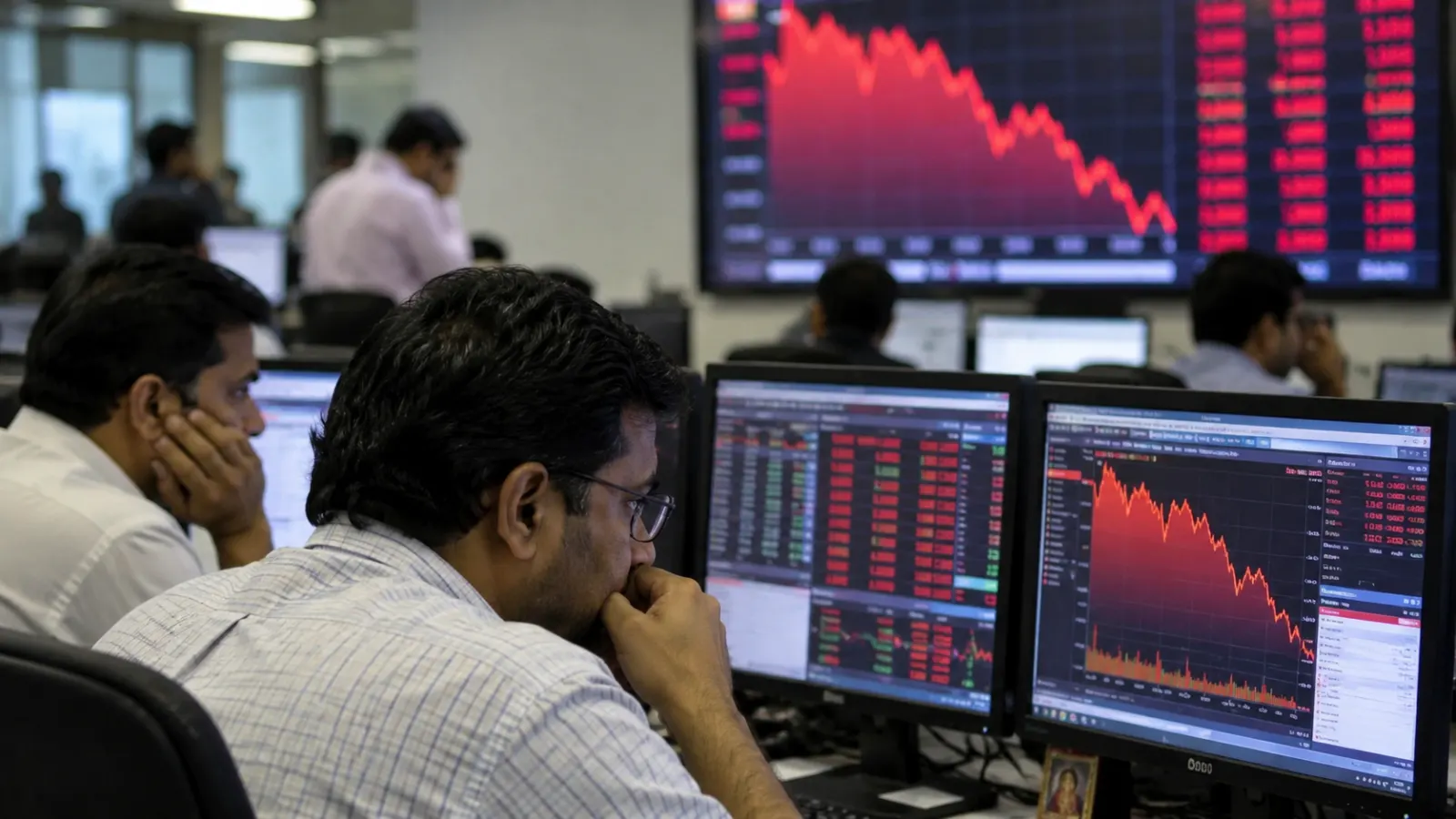
The Sensex and Nifty fell sharply on October 8 as investors reacted to rising crude prices, the RBI rate hike, foreign investor selling and a weaker rupee. The Sensex fell to a multi-month low, while foreign portfolio outflows continued to weigh on equities.
Bond markets are also sensitive to inflation expectations because higher inflation usually increases the likelihood of higher interest rates.
If September CPI comes in above expectations, investors may begin pricing in additional RBI tightening.
If inflation surprises on the downside, however, markets could take some relief from the possibility that the rate-hike cycle may be less aggressive.
What to watch in the September inflation data
The official CPI figure will be important not only because of the headline number but also because of its composition.
Investors and policymakers will watch food inflation closely to see whether price pressures are broad-based or concentrated in a few categories.
Core inflation will also be critical. A further increase would suggest that price pressures are spreading deeper into the economy.
Energy prices, the rupee and agricultural conditions will remain important in the months ahead.
For now, the broad direction is clear: India’s inflation problem is becoming more difficult.
If the September CPI figure lands near the expected 5.40%, it would mark another significant step away from the RBI’s 4% medium-term target and strengthen the case for continued monetary tightening in the months ahead.