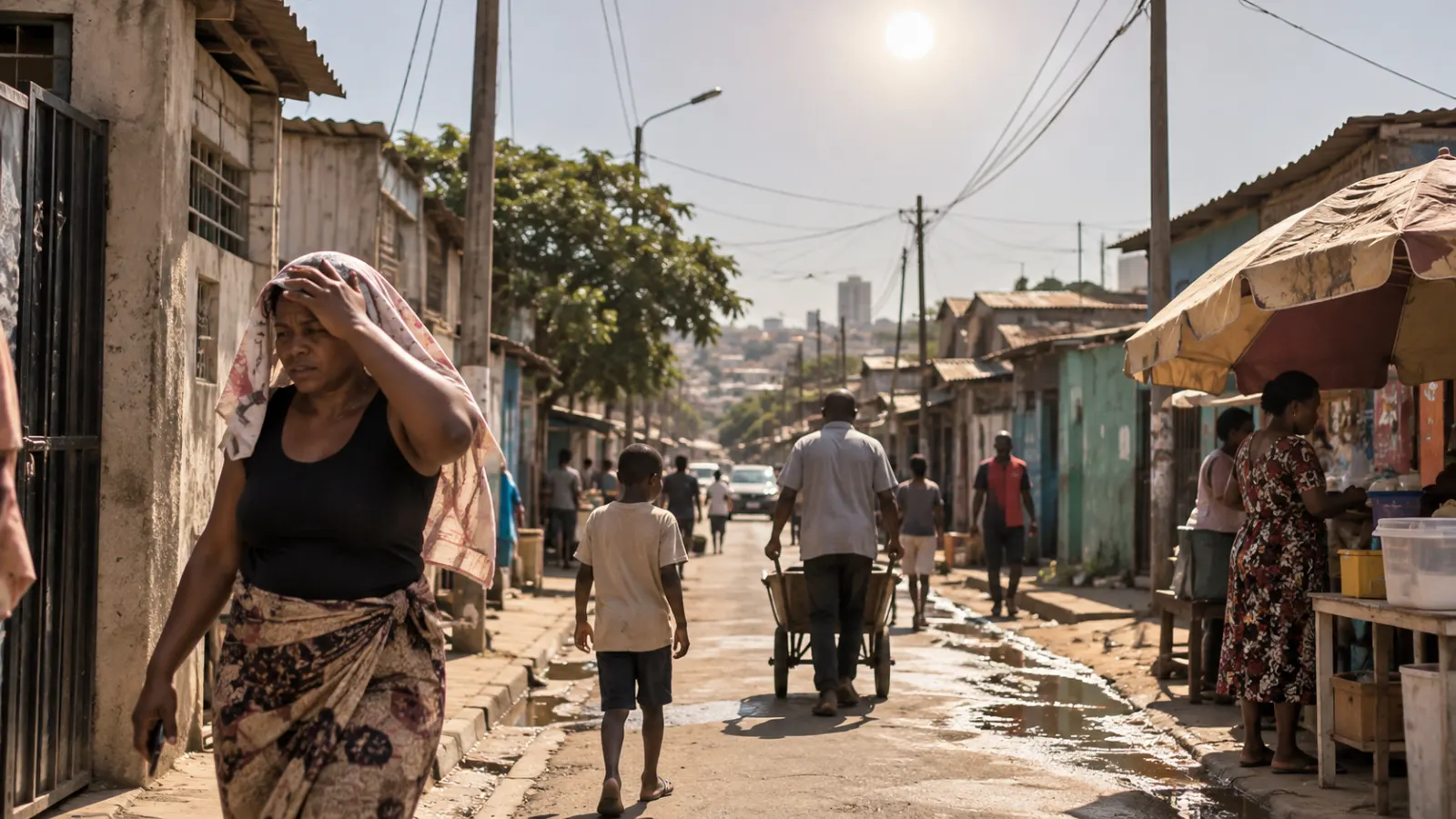
Climate change and poverty interact through housing, livelihoods, health, infrastructure and recovery capacity, leaving poorer households with fewer options after shocks.
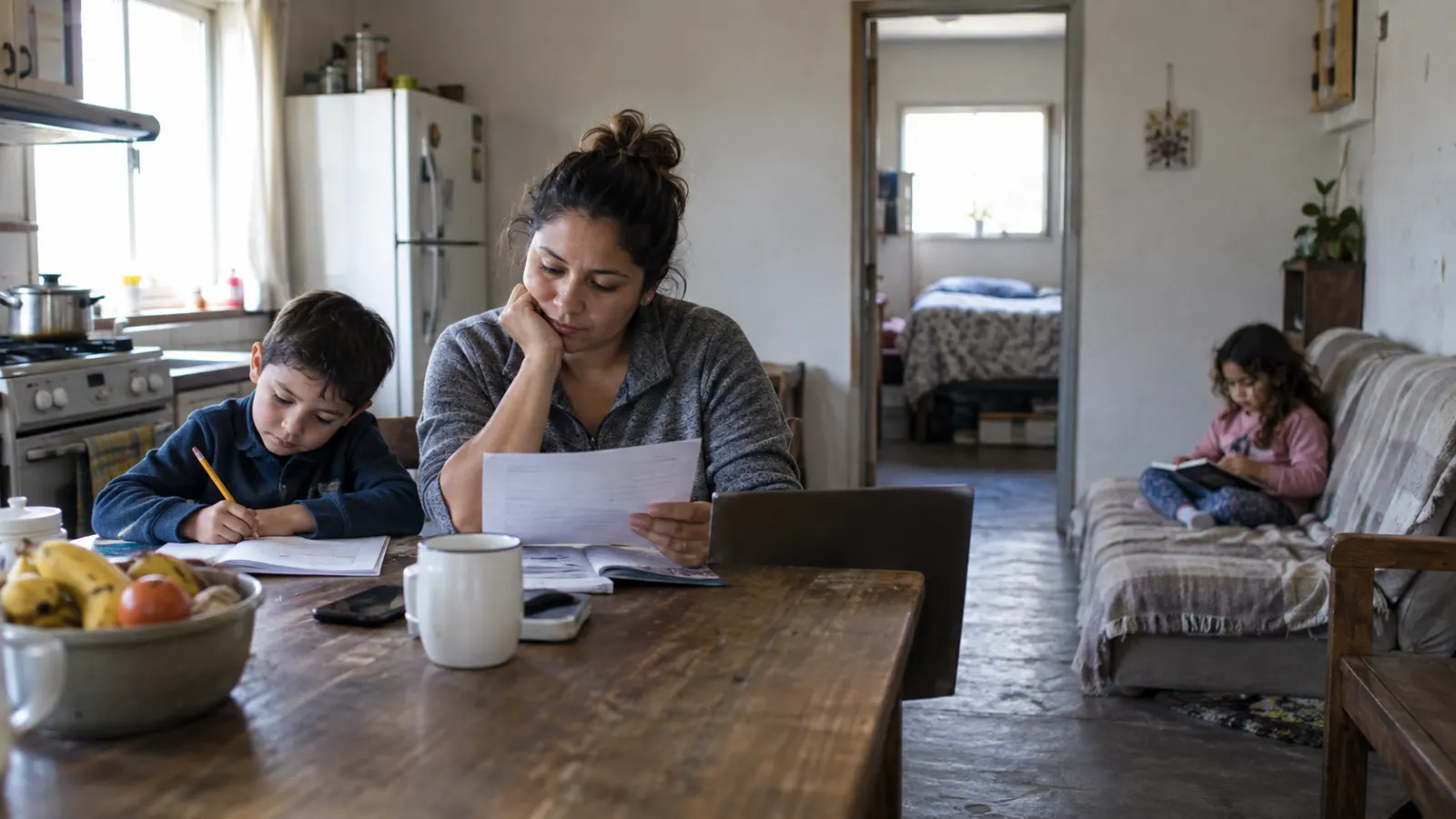
The cycle of poverty develops when low resources, weak opportunities and repeated shocks reinforce disadvantage across generations—but it is not destiny.
Amartya Sen reshaped welfare economics by asking what resources actually enable people to do, from escaping famine to expanding freedom and capability.
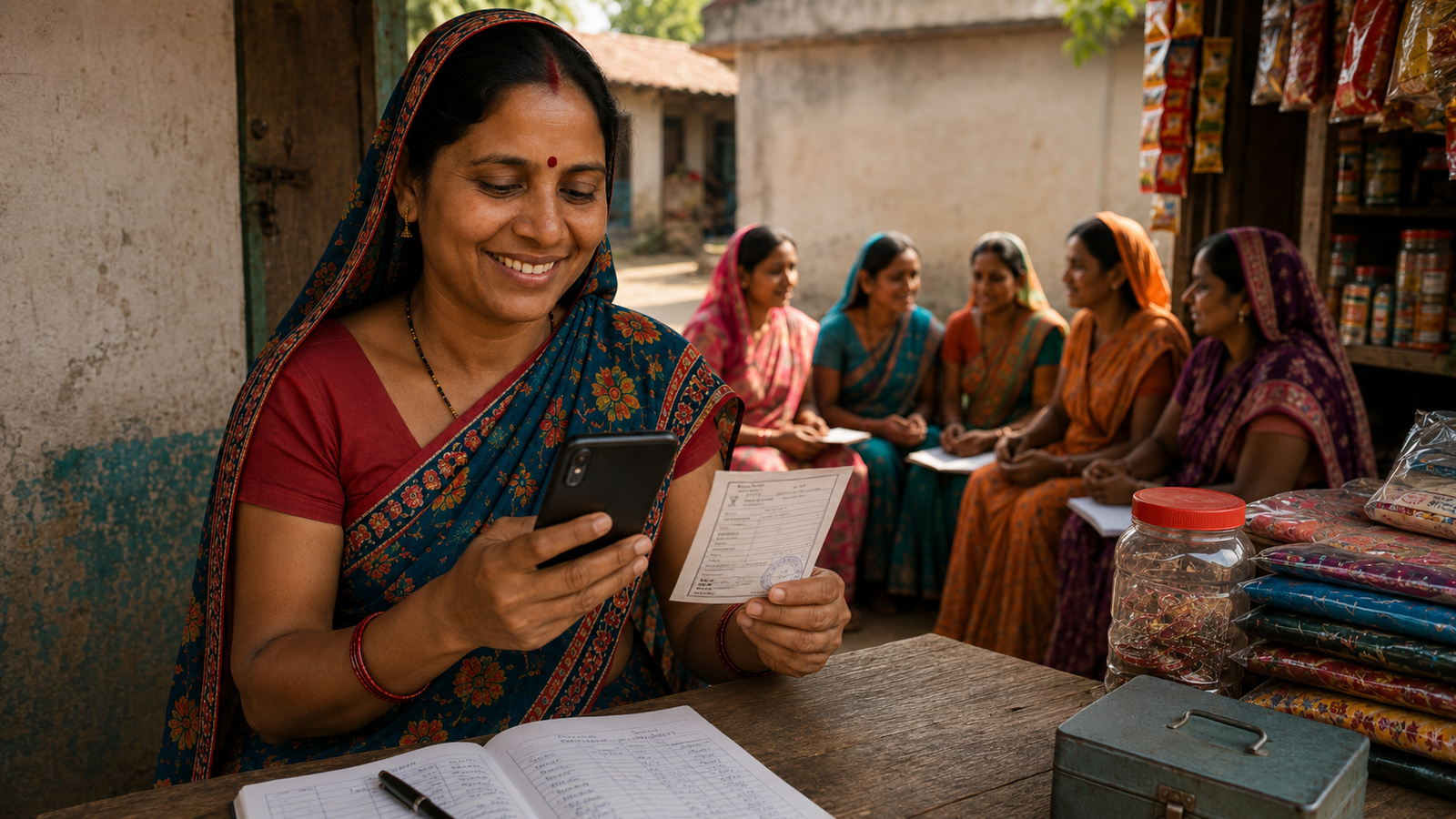
Microfinance empowers the poor by expanding access to small loans, savings and financial services, but high debt and over-borrowing can create serious risks.
Enjoying the reporting?
We noticed an ad blocker. Ads keep our journalism free — please consider allowing them, or subscribe to our newsletter instead.
We use cookies to keep you signed in and to understand how readers use the site. See our Privacy Policy.