India Inflation Jumps to 5.54% in September, Nears RBI Upper Limit
India’s retail inflation accelerated sharply to 5.54% in September 2026, up from 4.83% in August, pushing headline inflation close to the Reserve Bank of India’s upper tolerance limit of 6%.
The September reading was slightly above economists’ expectations and marked the fourth consecutive month that inflation remained above the RBI’s 4% medium-term target. The increase was driven primarily by higher food prices, with pressure also coming from transport costs, a weaker rupee and broader supply concerns.
Food inflation rises sharply
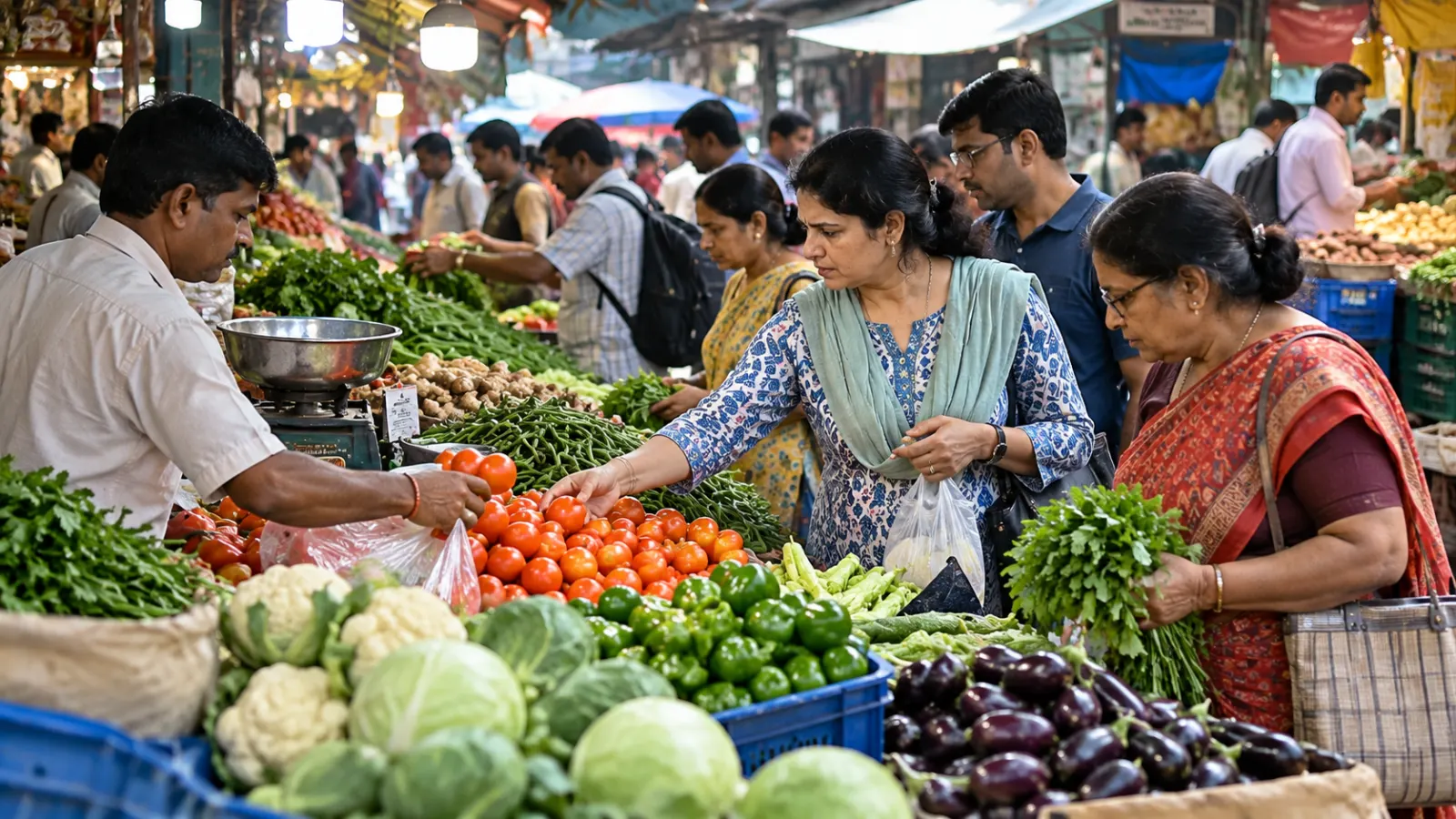
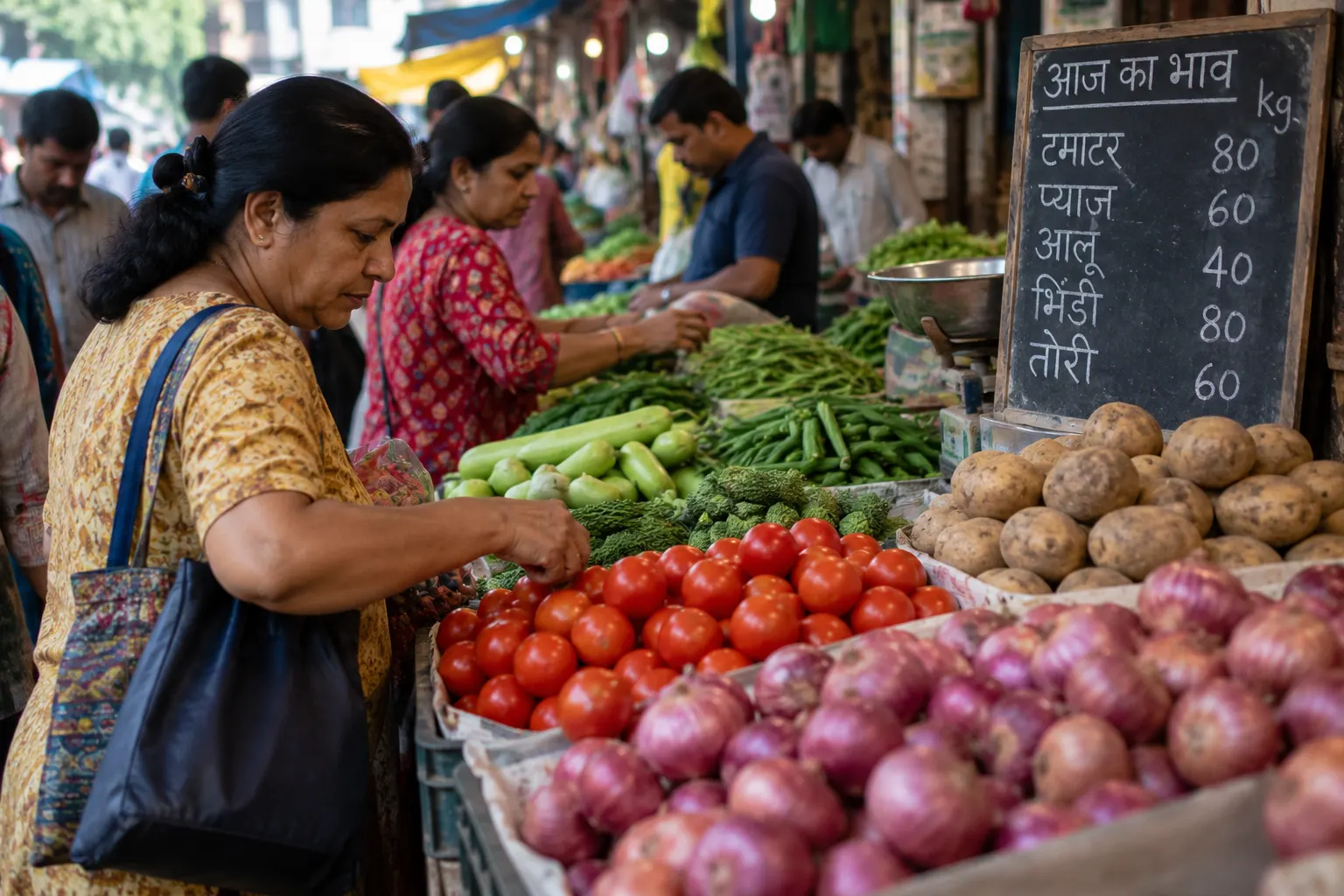
Food inflation climbed to 7.74% in September, compared with 5.97% in August, making food prices the biggest contributor to the jump in overall inflation.
Staples such as onions, ginger and garlic became more expensive, while base effects also pushed the annual inflation rate higher.
The rise in food prices is particularly important because food accounts for a large share of household spending in India, especially for lower- and middle-income families.
Persistent food inflation can therefore have a direct impact on household budgets even when other components of the consumer-price basket remain relatively stable.
Inflation moves closer to RBI’s 6% ceiling
The RBI’s inflation-tolerance framework allows consumer inflation to move within a band of 2% to 6%, with 4% as the medium-term target.
At 5.54%, September inflation remains within the permitted band but is now much closer to the upper boundary.
The latest reading is also the highest so far this year under the current inflation series.
That matters because the RBI has already started tightening monetary policy again as inflation risks broaden.
RBI has already raised interest rates
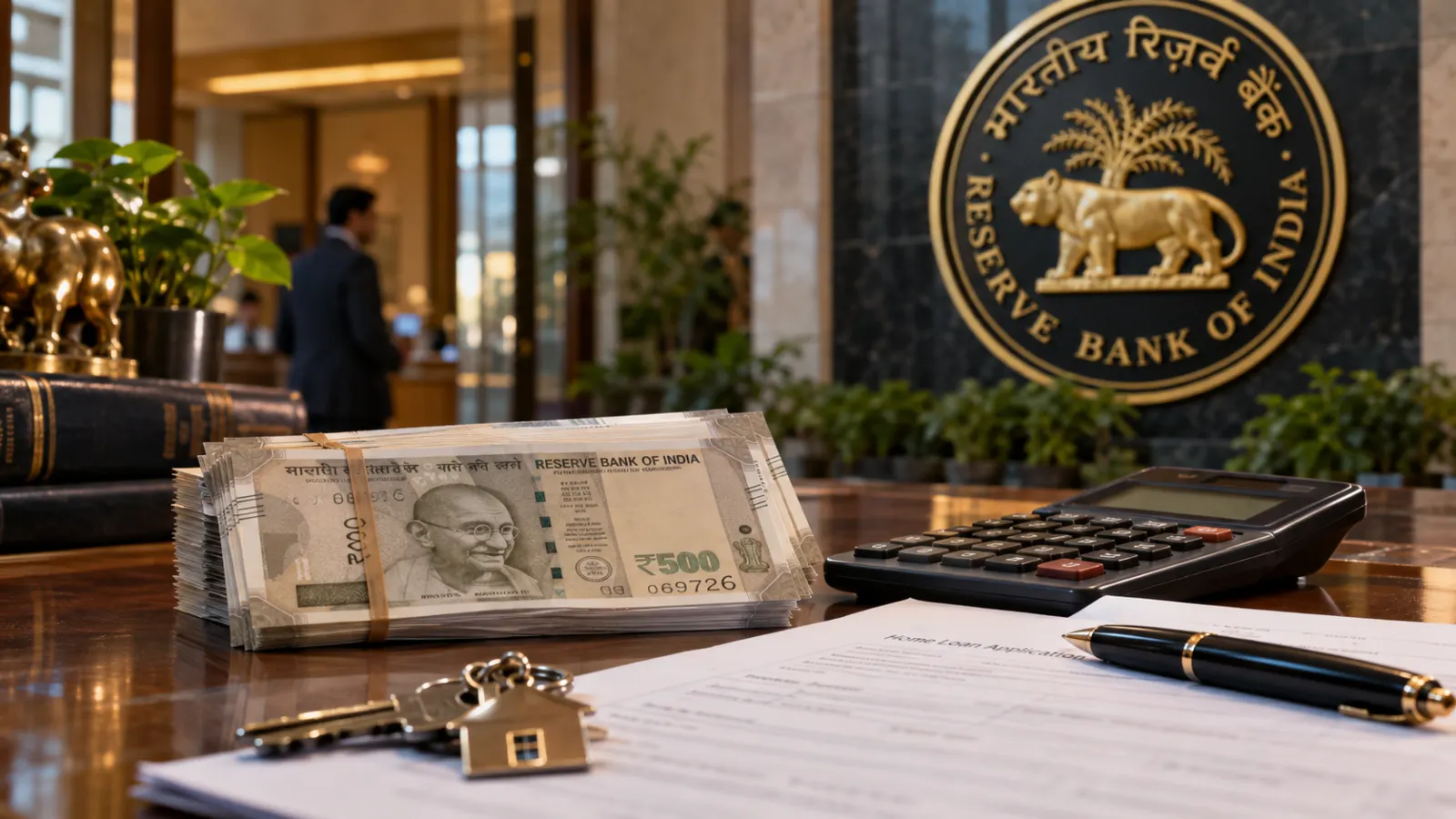
The central bank recently increased the benchmark repo rate by 25 basis points to 5.5%, its first rate increase in nearly four years.
The move was aimed at containing inflation expectations and preventing higher food, fuel and import costs from spreading more broadly through the economy.
The September inflation data strengthens the argument that additional rate increases could follow if price pressures do not ease.
Some economists now expect the RBI to keep the possibility of further tightening open in the coming months.
Weak rupee and high oil prices add pressure
Inflation risks are not limited to food.
India imports a large portion of its crude-oil requirements, meaning high global oil prices can increase transport, logistics and production costs.
A weaker rupee makes imported commodities more expensive in domestic currency terms, adding another layer of price pressure.
Transport inflation also accelerated in September, reflecting some of these broader cost increases.
Together, expensive energy and a weaker currency can eventually affect the prices of a much wider range of goods and services.
Rural inflation remains higher than urban inflation
Inflation pressures are also uneven across the economy.
Rural inflation rose above 6% in September, while urban inflation remained below 5%.
This gap matters because rural households generally spend a larger share of their income on food and essential goods, making them more vulnerable when food prices rise sharply.
Higher rural inflation can also weaken purchasing power and slow discretionary spending in smaller towns and villages.
What it means for EMIs and borrowers
Higher inflation can affect borrowers because it reduces the RBI’s room to cut interest rates.
If inflation stays elevated, the central bank may either keep rates high for longer or raise them again.
That can keep home-loan, vehicle-loan and other borrowing costs elevated, particularly for borrowers whose loans are linked to floating interest rates.
For households waiting for cheaper EMIs, the latest inflation reading therefore makes near-term relief less certain.
What happens next
The key question is whether September represents a temporary spike or the beginning of a more sustained period of higher inflation.
Food prices, crude oil, the rupee, agricultural output and monsoon conditions will all influence the next few inflation readings.
The RBI will also closely watch whether higher headline inflation begins spreading more strongly into underlying or core inflation.
For now, the September data sends a clear signal: India’s inflation problem has become more difficult again, and the central bank may need to maintain a tighter monetary-policy stance for longer.