Biomass Energy Explained: How Bioenergy Works and When It Is Sustainable
Biomass energy is simultaneously one of humanity's oldest energy technologies and part of some of its newest attempts to reduce dependence on fossil fuels.
People have burned wood for cooking and heat for thousands of years. Today, biological material can also be converted into electricity, industrial heat, ethanol, biodiesel, renewable diesel, biogas, biomethane, sustainable aviation fuel and chemical feedstocks.
The common starting point is biomass: material derived from recently living organisms.
The U.S. Department of Energy includes plants, forestry and agricultural residues, dedicated energy crops and wastes within modern bioenergy feedstocks. Biomass can be burned directly or converted through processes including fermentation, gasification and other biological or thermochemical methods.
Because plants can regrow and organic wastes continue to be generated, biomass is generally classified as renewable.
But that label is only the beginning of the environmental analysis.
Burning wood can release carbon dioxide and harmful air pollutants. Growing dedicated energy crops can require land and water that might otherwise produce food or support ecosystems. Removing crop or forestry residues can affect soils. Capturing methane from manure can, under the right conditions, avoid emissions that would otherwise have escaped.
Those are all forms of bioenergy.
Their environmental effects are not remotely identical.
The useful question is therefore not simply:
“Is biomass renewable?”
It is:
“What biomass is being used, what would have happened to it otherwise, how is it produced and converted, and what alternative energy source is it replacing?”
Biomass stores solar energy—but the carbon cycle is not automatically neutral
Most biomass ultimately derives its energy from sunlight.
Plants use photosynthesis to absorb carbon dioxide from the atmosphere and convert solar energy into chemical energy stored in carbohydrates and other organic compounds. Animals and organic wastes contain energy that ultimately came through this biological system as well.
When biomass is burned, some of that chemical energy becomes heat.
Its carbon also returns to the atmosphere, largely as carbon dioxide.
At first glance, this appears to create a neat cycle:
a plant absorbs carbon dioxide;
the plant is harvested;
the biomass is burned;
carbon dioxide returns to the atmosphere;
another plant grows and absorbs it again.
That cycle is the reason biomass is sometimes casually described as carbon-neutral.
But real carbon accounting is more complicated.
The atmosphere responds to when carbon is emitted, how much is emitted and how quickly it is removed again.
If an agricultural crop grows and is harvested repeatedly over a relatively short cycle, the biological carbon turnover may be rapid.
If a mature tree is cut and burned, much of its stored carbon can enter the atmosphere quickly while replacement forest carbon may take decades to accumulate.
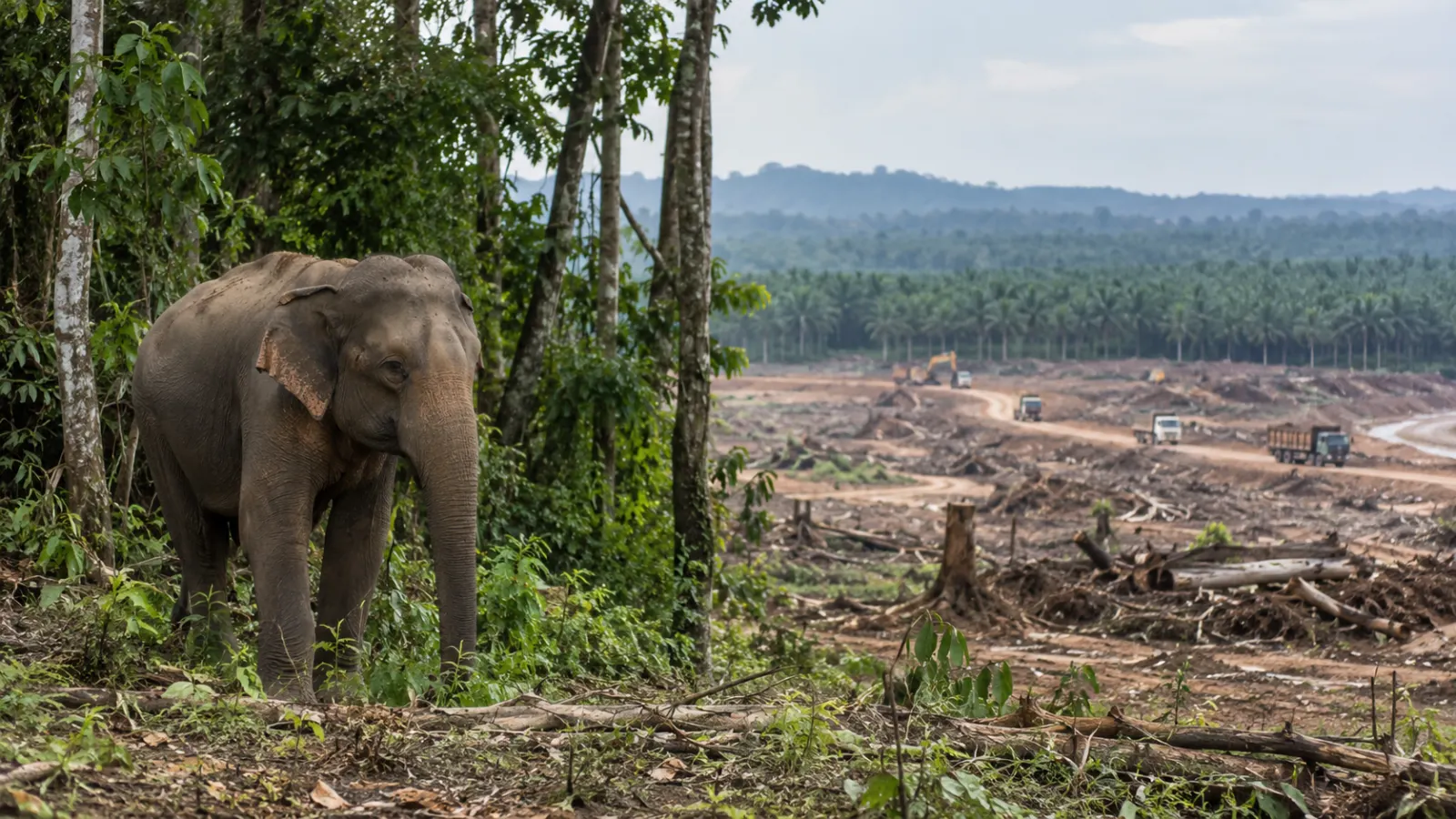
And if a forest is cleared so that dedicated energy crops can be planted, the emissions associated with land-use change can be much larger still.
There is also a counterfactual question:
What would have happened if the biomass had not been used for energy?
A tree left standing would continue storing carbon.
Dead wood left in a forest might decompose gradually while also supporting habitat.
Crop residues left on fields can contribute organic matter and nutrients to soil.
Food waste sent to an unmanaged landfill may generate methane.
Manure stored in an uncovered lagoon can also release methane.
The climate effect of using biomass therefore depends partly on the alternative fate of the material.
The IPCC explicitly states that the sustainability of bioenergy depends on feedstock, land-management practice, climatic region, existing land use, timing, scale and speed of deployment. It also warns that biomass production at large scale can create trade-offs involving food production, biodiversity, water and ecosystems.
This is why the scientifically useful question is not:
“Is biomass carbon-neutral?”
It is:
“Compared with what alternative, using which feedstock, over what timescale?”
Biomass is a category containing very different fuels
The word “biomass” can hide enormous differences.
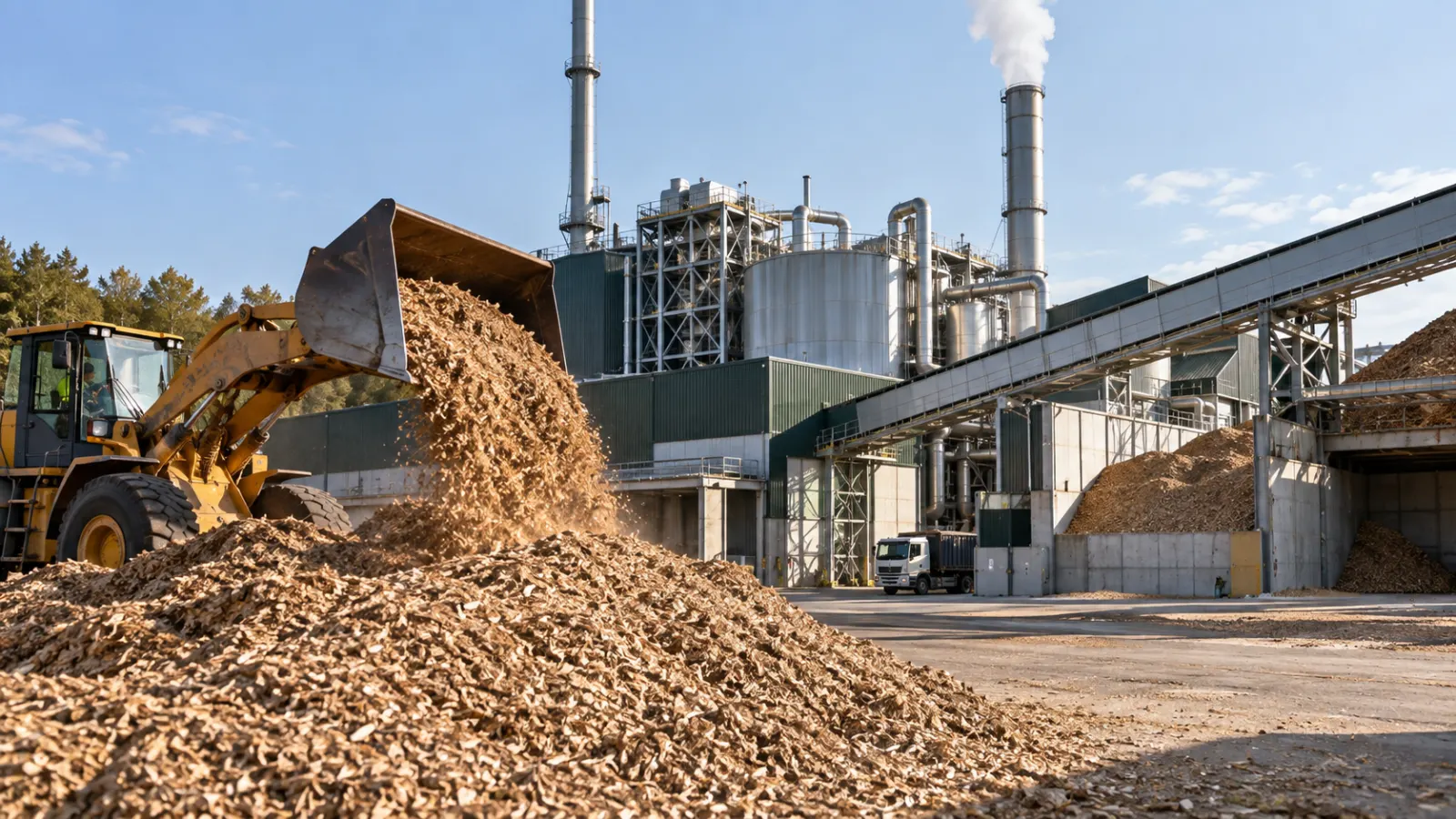
Wood and wood-processing residues can be burned directly or compressed into pellets.
Agricultural residues such as straw, husks and stalks can provide heat or become inputs to more complex fuel-production systems.
Grasses and fast-growing woody plants can be cultivated specifically as energy crops.
Sugar- and starch-rich crops can be fermented into ethanol.
Vegetable oils, animal fats and waste cooking oils can become biodiesel or renewable diesel through different processing routes.
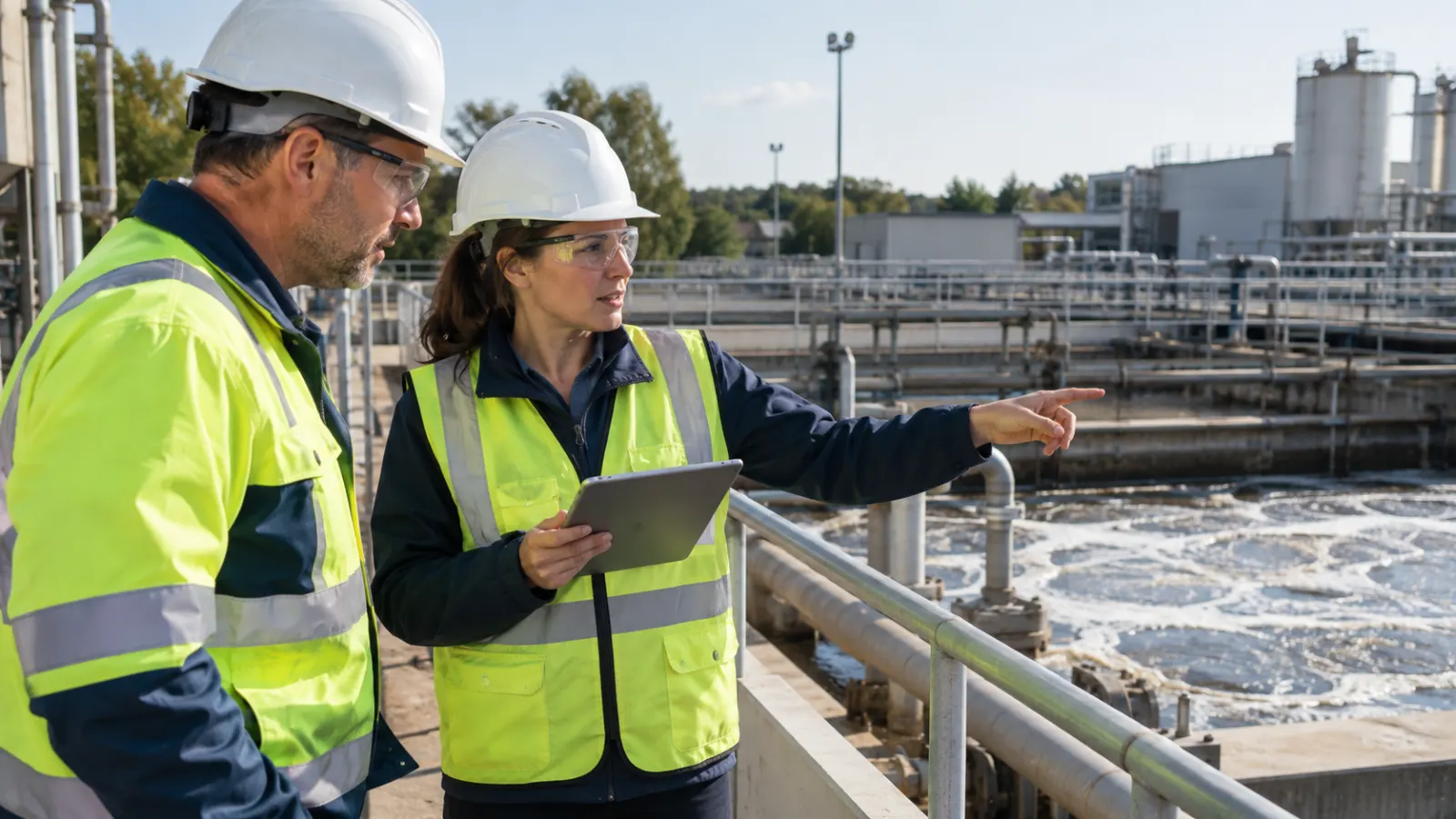
Food waste, manure and sewage can undergo anaerobic digestion, in which microorganisms break down organic material without oxygen and produce a methane-rich gas.
That raw biogas can be burned for heat or electricity. It can also be purified into biomethane, sometimes marketed as renewable natural gas, and used in applications otherwise served by fossil natural gas.
Biomass can also undergo gasification, which converts solid material into a combustible gas under controlled high-temperature conditions, or pyrolysis, which heats biomass in limited or absent oxygen to produce mixtures of gases, oils and solid carbon-rich material.
These pathways are not environmentally interchangeable.
Burning a mature forest tree in a power station is not equivalent to capturing methane from manure.
Using sawmill residues is not the same as converting intact natural forest into energy plantations.
Fermenting sugarcane into ethanol has different land, water and greenhouse-gas implications from producing fuel from agricultural wastes.
DOE's current bioenergy framework similarly treats biomass as a broad set of feedstocks that can include crop residues, forestry residues, purpose-grown crops, algae, urban wood waste and food waste.
Any serious assessment should therefore begin with:
What is the feedstock?
Only then does it make sense to discuss whether the pathway is sustainable.
Waste and residues can create some of the strongest bioenergy cases
Some of the most persuasive uses of biomass begin with organic material that already exists as a residue or waste stream.
Consider manure.
Stored manure can produce methane as microorganisms break down organic matter in oxygen-poor conditions. Methane is a powerful greenhouse gas.
If the methane would otherwise escape into the atmosphere, capturing it through anaerobic digestion and using it for energy can create a double benefit:
the system produces useful fuel;
and it prevents at least some uncontrolled methane release.
Food waste, wastewater and landfill gas can create similar opportunities.
Anaerobic digestion can also produce a nutrient-containing material known as digestate, which may have value as a soil amendment or fertiliser when appropriately managed.
The IPCC identifies organic-waste management through processes such as anaerobic digestion as an option capable of producing renewable gas while also allowing nutrients to be returned to agricultural systems, although contaminants and fugitive emissions still require management.
Industrial residues can also be attractive.
A sawmill already producing large quantities of sawdust and wood offcuts may obtain useful energy from material that has limited higher-value uses.
Pulp and paper facilities frequently use biomass residues generated by their own operations to provide process energy. In the United States, the industrial sector remains the largest user of biomass energy; EIA reports that biomass supplied about 5% of total U.S. primary energy consumption in 2025, with industrial users accounting for almost half of biomass consumption.
But even “waste” needs qualification.
A material that appears useless to an energy company may already serve another ecological or economic function.
Crop residues can protect soil against erosion.
They can return nutrients and carbon to agricultural land.
Forestry residues can provide wildlife habitat and contribute to forest nutrient cycles.
Wood may be reusable as a product rather than immediately burned.
Food suitable for human consumption is generally more valuable as food than as digester feedstock.
This leads directly to a circular-economy principle:
energy recovery should usually come after higher-value uses have been considered.
Turning an organic material into energy can be valuable.
It is not automatically its best use.
Combustion is useful and controllable—but it is still combustion
The oldest way to obtain energy from biomass remains the simplest:
burn it.
Biomass combustion can provide heat directly.
In a power station, it can heat water to produce steam that turns a turbine and generates electricity.
Combined heat and power, or CHP, systems improve the utilisation of the fuel by using both electricity and useful thermal energy rather than discarding much of the heat.
This can make biomass especially useful in some industrial settings where heat demand exists alongside electricity demand.
It also has an advantage over variable renewable generation.
A pile of dry biomass is stored energy.
It can be used when needed.
A biomass boiler or power plant therefore does not depend on whether the sun is currently shining or the wind is blowing.
That dispatchability helps explain why modern bioenergy remains important in parts of industry and heating. The IEA's Renewables 2025 outlook says bioenergy continues to supply a significant share of renewable industrial heat and projects further growth through 2030.
But burning renewable material still creates combustion emissions.
Wood smoke can contain fine particulate matter, carbon monoxide and other pollutants. EIA explicitly notes these emissions and observes that modern stoves and emission controls can reduce particulate pollution compared with older equipment.
This distinction becomes particularly important when comparing modern bioenergy with traditional biomass use.
Hundreds of millions of people have historically relied on wood, charcoal, crop residues or animal dung burned in inefficient household stoves or open fires.
That is renewable biomass in a technical classification.
It is not necessarily clean energy.
Incomplete combustion in poorly ventilated homes can produce severe indoor air pollution.
Modern bioenergy policy therefore usually distinguishes controlled, efficient systems from traditional solid-biomass cooking and heating.
The fuel may be biologically renewable in both cases.
The technology and health consequences are dramatically different.
Biofuels matter most where replacing fuel with electricity is difficult
Biomass has another important advantage:
it can become a liquid or gaseous fuel.
That matters because many parts of the economy are becoming easier to electrify directly.
Battery-electric vehicles can replace combustion engines in much road transport.
Heat pumps can replace fuel-burning systems for many forms of building heating.
Electric motors can replace combustion-based mechanical equipment.
When direct electricity works efficiently, converting biological material into fuel may not always be the best use of limited land and sustainable biomass resources.
Biofuels become more interesting where energy-dense fuels remain difficult to replace.
Aviation is the obvious example.
Long-distance aircraft require enormous quantities of energy while remaining extremely sensitive to weight. Batteries can support small aircraft and perhaps some shorter routes, but today's batteries remain poorly suited to replacing jet fuel throughout long-haul aviation.
Bio-based sustainable aviation fuels are therefore receiving substantial attention.
Shipping and some industrial processes present similar opportunities for renewable fuels.
The IEA's 2025 Delivering Sustainable Fuels report argues that sustainable liquid and gaseous fuels—including biofuels and biogases—can complement electrification and efficiency particularly in sectors that remain reliant on fuel-based solutions, including aviation, shipping and parts of industry.
The word complement is important.
A mature energy strategy should not convert scarce sustainable biomass into fuel for applications that electricity can already serve more efficiently simply because biofuel qualifies as renewable.
The stronger use is where the fuel form itself provides a genuine technical advantage.
Land, food and biodiversity set limits on how far biomass can scale
Solar panels require land.
Wind farms require land.
Transmission systems require land.
But biomass has an unusually direct connection with biological productivity because energy has to be captured through plants before it can be harvested.
Large-scale purpose-grown biomass therefore creates a basic resource question:
What else could this land have done?
It might have produced food.
Supported livestock.
Stored carbon as forest.
Provided habitat.
Supported local livelihoods.
Protected watersheds.
Or remained a natural ecosystem.
Dedicated energy crops can be useful under appropriate conditions.
Perennial grasses and short-rotation woody crops may sometimes grow on degraded or lower-quality land. Certain systems can reduce erosion, provide farmers with additional income or fit alongside existing agriculture.
But large-scale expansion can also compete with food production, increase irrigation and fertiliser use, displace ecosystems or indirectly push agriculture into previously uncultivated land.
The IPCC identifies bioenergy as particularly land-intensive and warns that large-scale deployment can affect food security, biodiversity, water availability, soil productivity and livelihoods, with outcomes depending strongly on geography and management.
This is one reason very large theoretical estimates of biomass potential should be treated cautiously.
The fact that enough plant material could physically be grown does not mean doing so would be socially or ecologically desirable.
The world needs land simultaneously for:
food;
feed;
timber;
biodiversity;
water protection;
carbon storage;
settlements;
and renewable materials.
Biomass competes within that system.
The IEA similarly notes that modern sustainable bioenergy can play an important role in energy transitions but that its expansion is constrained by trade-offs with food production and biodiversity protection.
This creates a useful sustainability hierarchy.
Waste and unavoidable residues often deserve the first look.
Feedstocks that can be grown without displacing food or ecosystems may come next.
Large-scale conversion of natural forests or high-carbon ecosystems for energy should face far greater scrutiny.
The correct policy question is not how much biomass exists.
It is how much sustainable biomass exists after other legitimate claims on land and biological material are respected.
Carbon accounting must include time, land and the alternative use of the material
Biomass climate claims become especially confusing when accounting rules assume that carbon released at combustion can simply be ignored because future biological growth may absorb it.
For some systems, that approximation can be reasonable.
For others, it can obscure important effects.
Imagine two cases.
In the first, methane from an existing manure lagoon is captured, cleaned and used for energy.
If much of that methane would otherwise have escaped, the bioenergy project may avoid a significant greenhouse-gas source while producing useful fuel.
In the second, a mature forest is harvested specifically so that wood can be burned for electricity.
Carbon stored over decades is released rapidly.
Replacement growth may eventually absorb carbon, but that process takes time.
The climate consequences of the two projects are clearly different even though both can be labelled renewable biomass.
Researchers sometimes use the term carbon debt to describe situations where harvesting and burning biomass causes an initial increase in atmospheric carbon that takes years or decades of regrowth or avoided fossil emissions to repay.
The concept should not be applied mechanically to every bioenergy pathway.
Its value is reminding us that timing matters.
A tonne of carbon dioxide released today and potentially absorbed several decades later does not behave as though the original emission never occurred.
Lifecycle analysis must also account for farming, fertiliser, harvesting, processing and transport.
A biofuel produced using energy-intensive agricultural inputs and transported enormous distances does not have the same emissions profile as a locally available waste stream.
Land-use change can be even more important.
If higher demand for an energy crop raises agricultural land demand and indirectly contributes to forest clearing elsewhere, those emissions may dominate the calculation.
This is why modern sustainable-fuel policy increasingly relies on lifecycle greenhouse-gas intensity and sustainability criteria instead of assuming all biological fuels deserve identical treatment.
The IEA's 2025 sustainable-fuels analysis specifically calls for robust carbon-accounting methodologies and sustainability standards as deployment increases.
The phrase “renewable fuel” describes where the material came from.
It does not complete the lifecycle assessment.
Biomass can support a circular economy—but only if material value comes first
Bioenergy fits naturally into some circular-economy systems because biological wastes contain carbon and nutrients that can be recovered rather than discarded.
Food-processing residues can become feedstocks.
Sewage can yield biogas.
Waste oils can become fuels.
Anaerobic digesters can process manure while producing energy and digestate.
Sawmill residues can support industrial heat.
These systems can make economic sense because they integrate energy production with another process already producing organic material.
But circularity is not synonymous with combustion.
A hierarchy of uses remains important.
A wooden beam that can remain in service for decades continues providing material value and storing carbon.
Burning it immediately destroys that product value.
Food suitable for people should normally remain food.
Some organic waste can become animal feed.
Some material can be composted and returned to soil.
Some residues may have greater ecological value remaining in place.
Energy recovery becomes attractive when those higher-value or lower-impact pathways are unavailable or less beneficial.
This creates a more sophisticated view of biomass:
the goal is not to burn as much biological material as possible.
The goal is to obtain useful energy from appropriate renewable carbon streams while protecting the other services those materials and ecosystems provide.
That approach also helps distinguish a bioeconomy from a biomass-burning economy.
Biological carbon can become chemicals, fuels, materials and products.
Energy is only one possible destination.
Biomass will remain important precisely because it should not be used everywhere
Bioenergy occupies an unusual position in the clean-energy transition.
Unlike wind and solar power, biomass can be stored physically and converted into solid, liquid or gaseous fuels.
Unlike hydrogen, useful biological fuels already exist at large commercial scale.
Unlike fossil fuels, biological carbon can potentially be replenished on human timescales.
Those qualities make modern bioenergy valuable.
The IEA expects sustainable liquid and gaseous fuels to remain important complements to electrification and energy efficiency, especially in aviation, shipping and some industrial applications. If current and proposed policies were fully implemented, use of sustainable liquid and gaseous fuels could nearly double from 2024 levels by 2030 and quadruple by 2035.
But scale makes sustainability harder, not easier.
A small industry using genuine wastes may have excellent feedstock economics.
A vastly larger industry suddenly needs enough material to supply millions of tonnes of fuel.
Waste streams become insufficient.
Dedicated crops expand.
Land competition increases.
Supply chains become longer.
Forestry pressure rises.
The system can gradually move away from the feedstocks that originally produced its strongest environmental case.
This is why bioenergy needs boundaries.
The strongest cases often involve:
existing waste streams;
unavoidable industrial residues;
methane that would otherwise escape;
carefully managed agricultural or forestry residues;
and renewable fuels used in sectors where direct electrification is genuinely difficult.
The weaker cases often involve:
high-carbon land conversion;
unsustainable forest harvesting;
large quantities of food crops where land competition becomes severe;
traditional inefficient combustion;
or using limited sustainable biomass in applications that cleaner and more efficient technologies can already serve.
There is therefore no useful single answer to the question:
“Is biomass energy good or bad?”
Biomass is too broad a category.
The more meaningful questions are:
What material is being used?
Where did it come from?
What would have happened to it otherwise?
How quickly can the biological carbon be replaced?
What emissions occur during production and conversion?
What land, water, soil or biodiversity effects are created?
And what fossil fuel or alternative technology is being displaced?
Only after those questions are answered does the renewable label become environmentally meaningful.
Biomass energy can turn wastes into useful fuel, provide dispatchable heat and power, reduce methane emissions and supply low-carbon fuels for sectors that remain difficult to electrify.
It can also release substantial carbon and air pollution, compete with food production and damage ecosystems when feedstocks are poorly chosen.
That tension is not a weakness in the concept.
It is the most important fact to understand about it.
Biomass is renewable by origin. Whether it is sustainable depends on the entire system built around it.