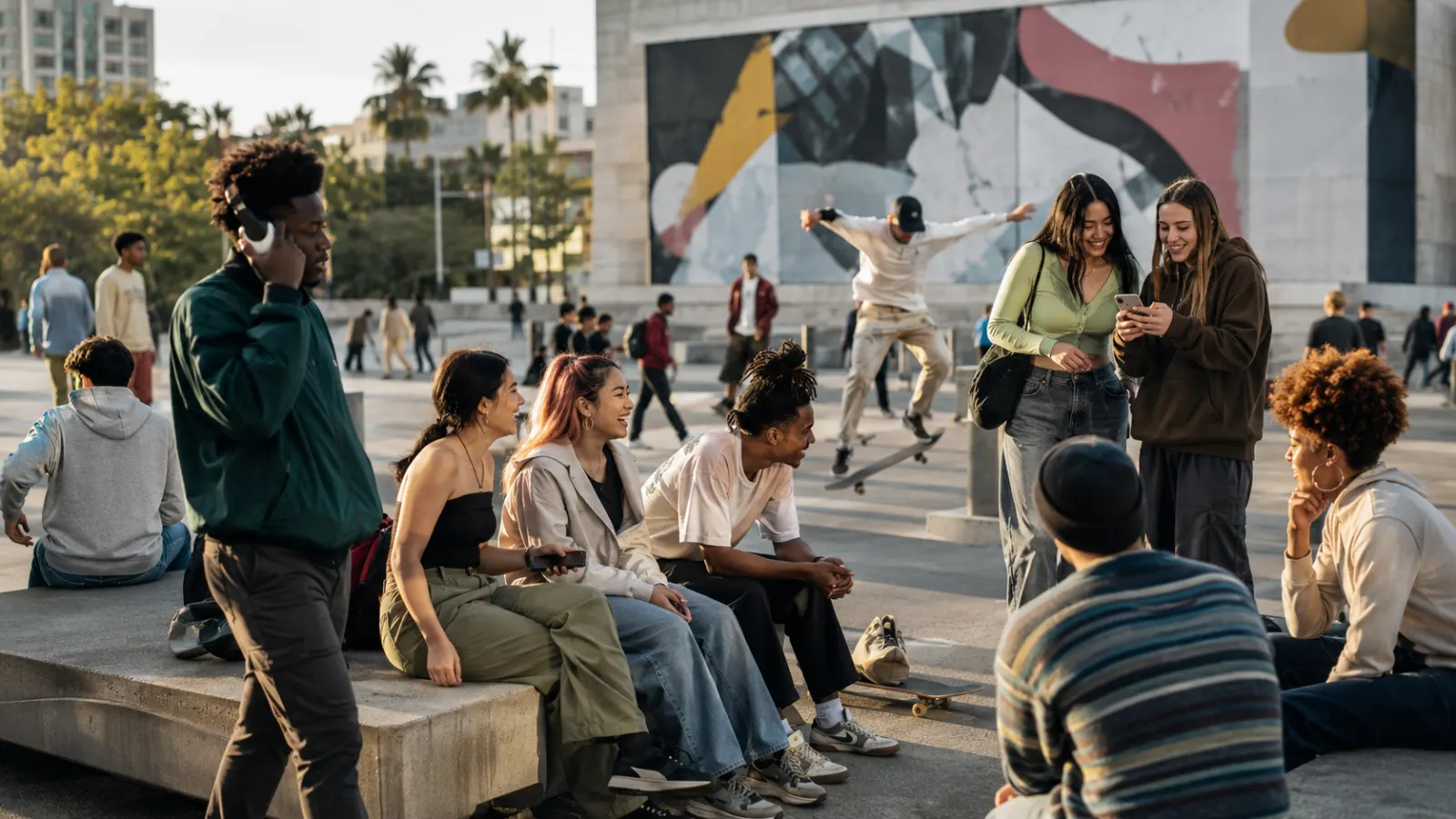
Public opinion is a changing distribution of views, not one public voice. Learn how polls measure it and how sampling, wording and timing affect results.
Social media expanded public participation but also created powerful new gatekeepers through algorithms, moderation, data collection and platform rules.
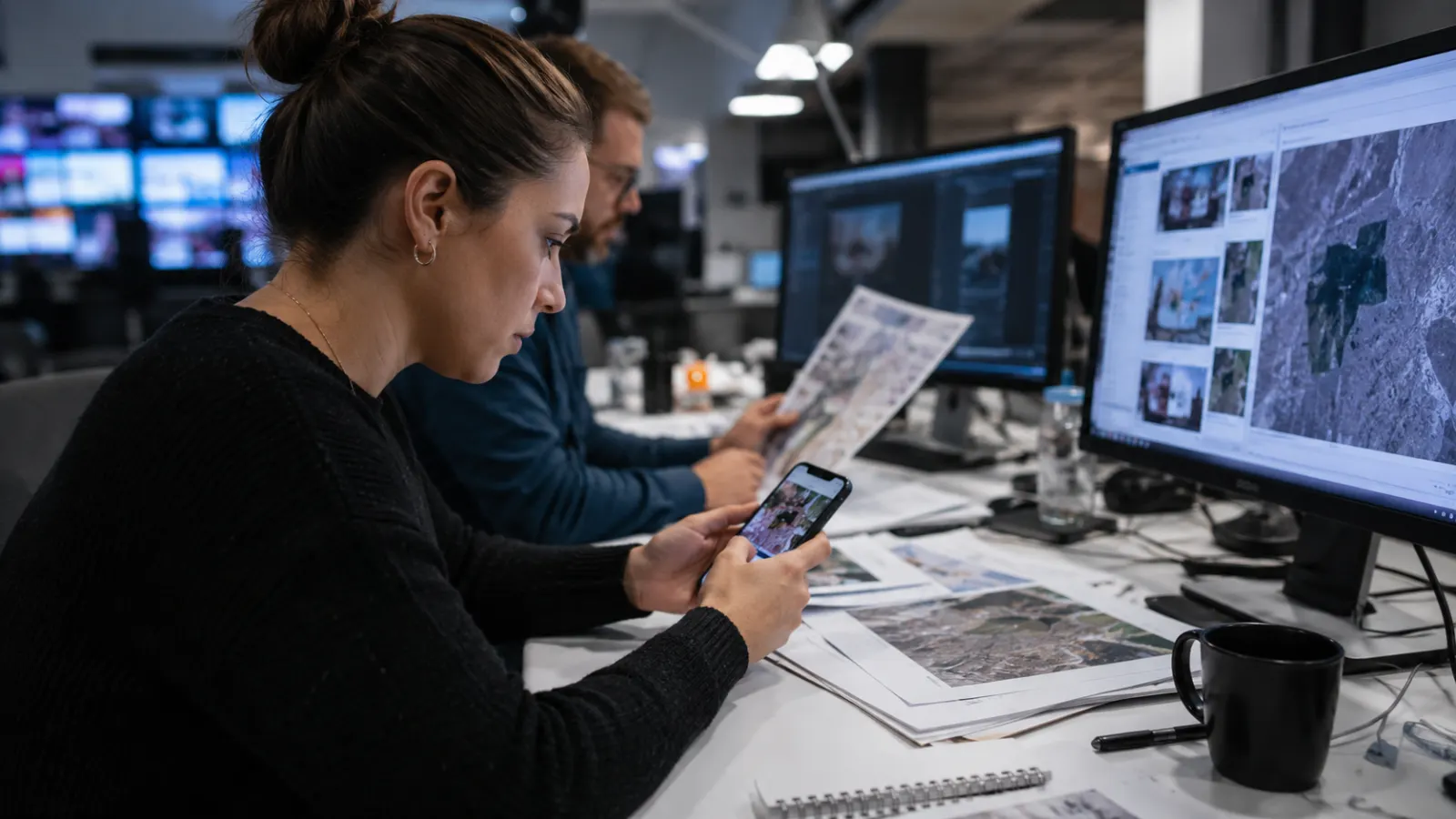
Misinformation can use real photos, trusted accounts and convincing AI media. Use this practical 10-step routine to verify claims before believing or sharing them.
Social Media Turned Self-Expression Into Self-Obsession
The new Indian mirror is not made of glass. It is made of pixels, likes, filters, captions, reactions and the quiet anxiet…
Enjoying the reporting?
We noticed an ad blocker. Ads keep our journalism free — please consider allowing them, or subscribe to our newsletter instead.
We use cookies to keep you signed in and to understand how readers use the site. See our Privacy Policy.