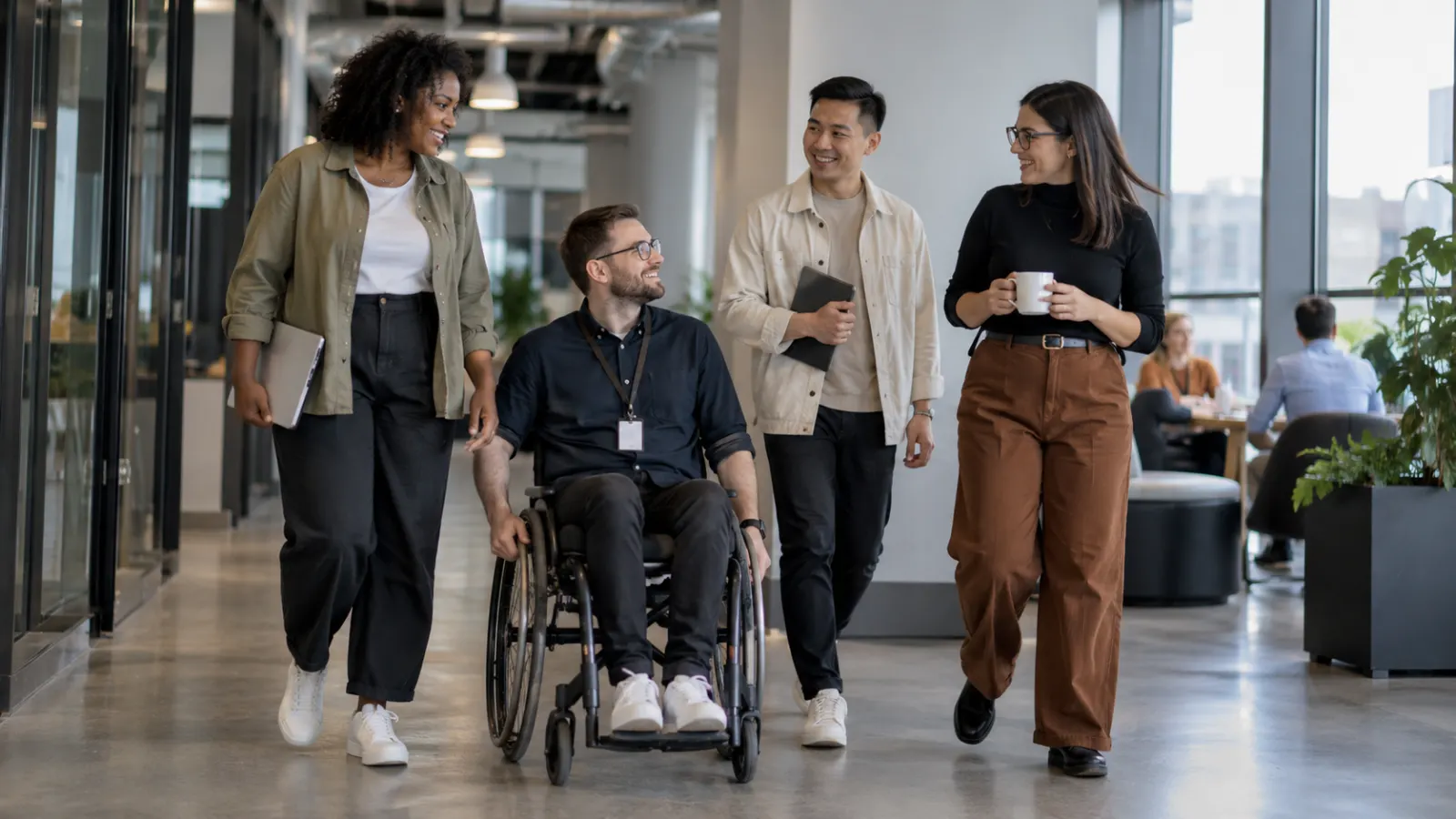
Disability and Society: Rights, Accessibility and Inclusion
Disability and society interact through rights, accessibility and barriers. Learn how inclusive systems expand autonomy and participation.

Disability and society interact through rights, accessibility and barriers. Learn how inclusive systems expand autonomy and participation.

Child rights protect dignity, development, safety and participation while ensuring children gain greater autonomy as their capacities grow.

Social justice examines rights, opportunity, distribution and participation to ask whether institutions treat people as equals.

Fairness in society explains how equality, equity, rights, need, merit and procedure shape decisions about who gets what and why.

Human rights protect dignity, freedom and equality while limiting how governments, institutions and other powerful actors may treat people.

Gender equality means equal rights, opportunities, security and voice regardless of gender. Learn why legal equality alone is not always enough.

The Universal Declaration of Human Rights set out 30 global rights in 1948 and became the foundation for modern international human-rights law.

Why diversity matters goes beyond representation. Meaningful diversity expands knowledge, participation and cultural possibility when inclusion is real.

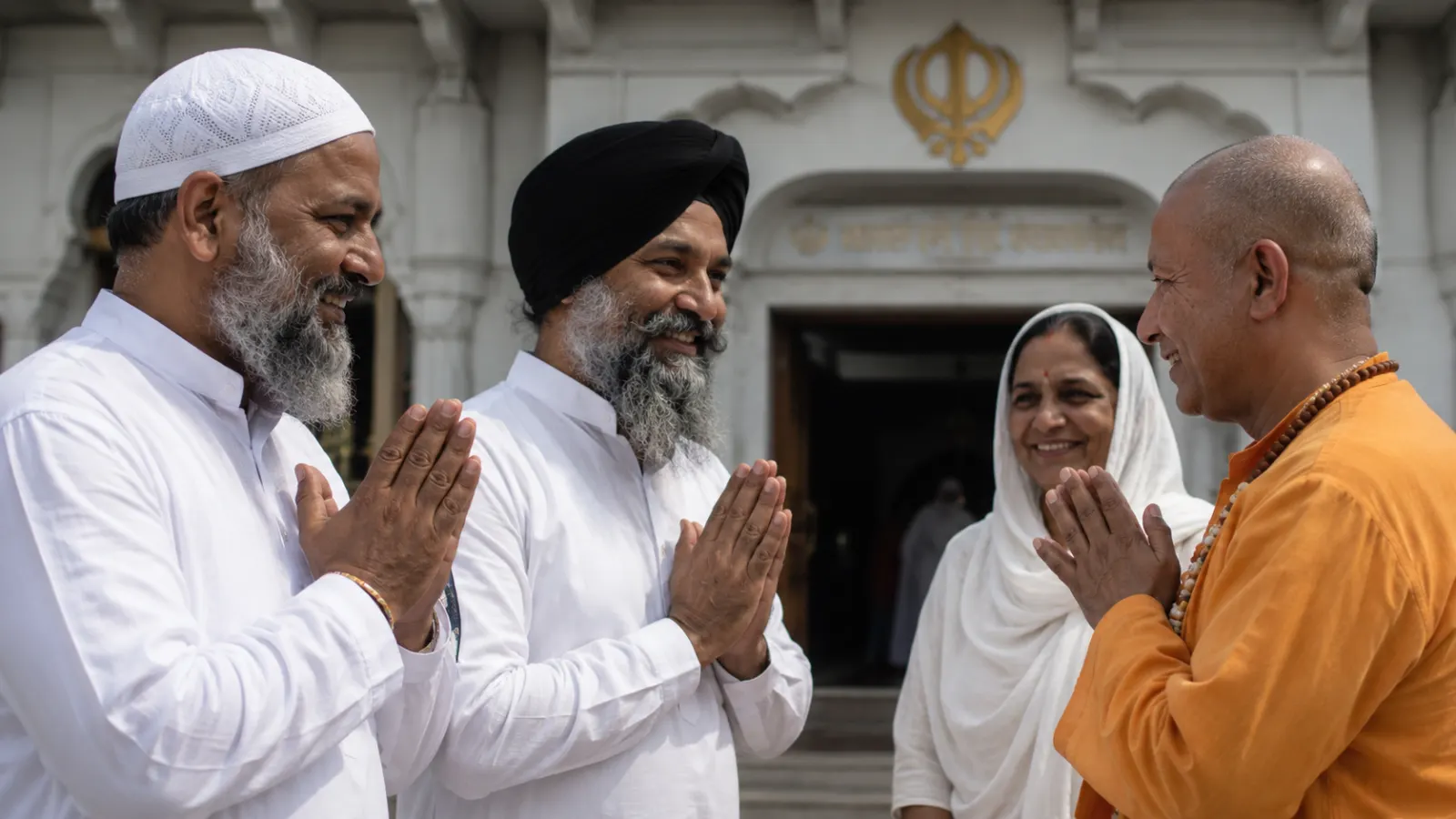
Religious tolerance means respecting freedom of belief despite disagreement. Learn why it matters, its limits and practical examples.
Rights groups say the Israeli strike that killed journalist Amal Khalil in Lebanon may have been a war crime and call for accountability.