Spain Heads Toward a Consequential Snap Election
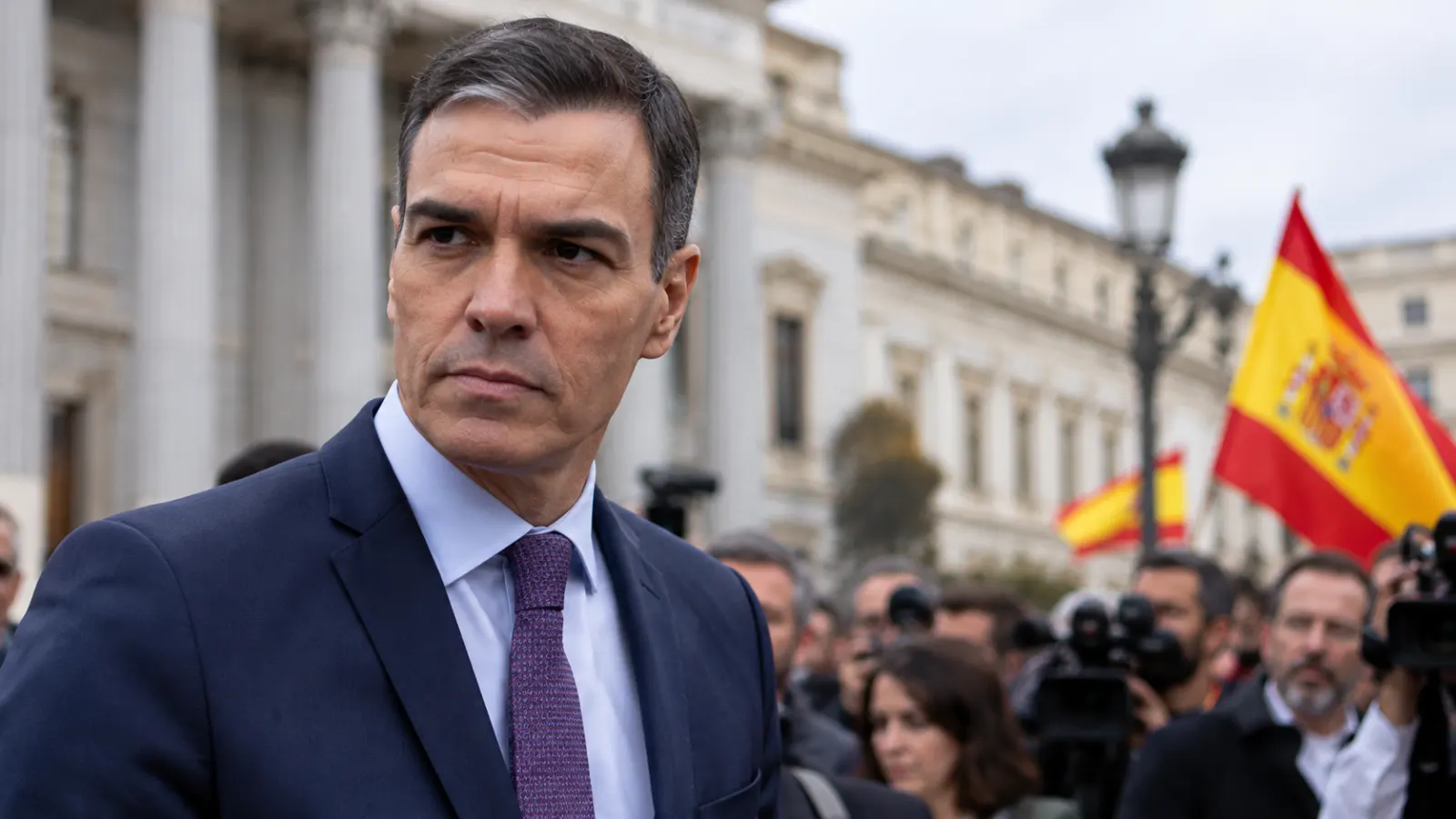
Spain is heading toward a high-stakes snap general election on November 29, 2026, after Prime Minister Pedro Sánchez dissolved parliament in response to mounting legislative paralysis, a worsening housing crisis and nationwide protests. The vote could end Sánchez’s eight years in power and open the door to a conservative government backed by the far-right Vox party.
The election is unusually consequential because it will decide more than who governs Spain. It could determine the future of one of Europe’s last major centre-left governments, reshape Spain’s housing policy, and potentially bring the far right back into national government for the first time since the end of Francisco Franco’s dictatorship.
Why Pedro Sánchez called an early election
The immediate trigger was the defeat of two emergency housing decrees in parliament. The measures sought to curb evictions, restrain rents and limit speculative purchases of residential property, but were rejected after Sánchez’s fragile parliamentary alliances broke down.
The defeat came amid growing public anger over housing affordability. Rents in many Spanish cities have risen sharply, while younger people and lower-income households increasingly struggle to secure affordable homes.
A particularly emotive case involved 87-year-old Maricarmen Abascal, whose eviction from the Madrid home where she had lived for decades helped trigger demonstrations across the country. Her later death intensified public anger and turned the housing crisis into a broader political issue.
Sánchez appears to be betting that this anger can mobilise left-wing voters and allow him to shift the campaign away from corruption allegations and other controversies that have weakened his government.
Polls currently favour the right
The gamble is risky.
Sánchez’s Socialist Party, or PSOE, has trailed the conservative People’s Party in most polls. Surveys cited by Reuters suggest that a coalition between the PP and Vox is currently the only combination projected to command an absolute majority in Spain’s 350-seat lower house.
That means opposition leader Alberto Núñez Feijóo enters the campaign with a significant advantage.
The PP has promised a different approach to the housing crisis, including increasing home construction and reducing taxes rather than relying primarily on rent controls and restrictions on investors. Vox, meanwhile, is likely to campaign heavily on immigration, national identity and opposition to Sánchez’s progressive agenda.
If the PP and Vox win enough seats to form a government, Spain would join a broader European shift toward conservative and nationalist parties.
Housing has become the defining election issue
Housing is likely to dominate the campaign more than any other domestic issue.
Spain’s housing shortage has become increasingly severe, particularly in Madrid, Barcelona and other high-demand cities. Rapid tourism growth, investment demand and insufficient new construction have contributed to escalating rents and property prices.
The Bank of Spain has warned that the housing deficit could reach around one million homes by 2028 if supply does not improve, while youth organisations say rent consumes an overwhelming share of younger workers’ incomes.
Sánchez has tried to position himself as the defender of tenants and vulnerable households. His government approved the two housing decrees again through an emergency legislative mechanism after calling the election, arguing that measures such as eviction restrictions and rent protections were urgently needed.
The opposition argues that stronger supply-side measures are needed and that excessive regulation could discourage construction and rental availability.
A general strike will add pressure before voting day
Spain’s two biggest trade unions, UGT and CCOO, have called a general strike for November 11, less than three weeks before the election.
It will be their first joint general strike in 14 years and is expected to focus heavily on housing affordability and tenant protections.
The strike could become a major campaign moment.
If participation is large, Sánchez may benefit from a wave of left-wing mobilisation similar to the protests that encouraged him to call the election in the first place.
If voters instead blame his government for allowing the crisis to worsen during its years in office, the demonstrations could strengthen the opposition.
That tension makes the housing issue particularly unpredictable.
Sánchez is gambling on his political survival
The Spanish prime minister has a history of surviving difficult political situations.
He has governed for eight years despite never securing an outright parliamentary majority, relying instead on shifting coalitions involving smaller left-wing parties and regional nationalist groups.
His political durability has earned him a reputation as an unusually effective survivor.
Calling an election while behind in the polls is therefore another major gamble.
Political analysts say Sánchez may believe that the current wave of housing protests offers one of the few opportunities available to energise progressive voters and narrow the gap with the right.
However, the strategy could just as easily bring his premiership to an end.
The election also matters for Europe
Spain’s election will be closely watched across the European Union.
Sánchez has been one of the continent’s most prominent centre-left leaders at a time when right-wing and nationalist parties have gained influence in several European countries.
A PP-Vox victory would therefore have implications beyond Spanish domestic politics.
It could shift Spain’s position on migration, taxation, climate policy and relations with EU institutions.
It would also represent another setback for Europe’s progressive parties, which have struggled to maintain electoral support in several major countries.
By contrast, a Sánchez victory would strengthen the argument that centre-left governments can still win by campaigning on housing affordability, wages and social protections.
Immigration and corruption could reshape the campaign
Housing may be the central issue, but it will not be the only one.
Sánchez has faced political damage from corruption investigations involving figures close to his government and family, while immigration has also become an increasingly contentious issue.
The right is likely to use both subjects aggressively during the campaign.
Vox in particular is expected to push for tougher migration policies, while the PP will seek to portray Sánchez’s government as unstable and dependent on regional nationalist parties.
Sánchez will attempt to keep attention on housing, social spending and the economy.
The success of that strategy may determine whether the election becomes a referendum on his record or a broader contest over Spain’s future direction.
What happens next
The campaign period will run for only a few weeks, increasing the importance of major events and polling shifts.
The November 11 general strike will be closely watched, as will further demonstrations over housing and any movement in polling support for PSOE, PP and Vox.
Coalition arithmetic will also matter.
Spain’s fragmented political system means that even if the PP finishes first, Feijóo may still require Vox support to govern. Similarly, Sánchez would likely need backing from several smaller parties if the left falls short of a majority.
That makes November 29 potentially decisive but not necessarily conclusive.
What is already clear is that Spain’s snap election has become one of Europe’s most important political contests of 2026.
For Sánchez, it is a gamble to turn public anger over housing into political survival.
For Feijóo and Vox, it is an opportunity to end eight years of Socialist-led government.
For Spain, the election will determine whether the country remains governed from the centre-left or joins Europe’s broader shift toward the right.