Maldives geopolitics: Why It Matters for India
The Maldives is small on a world map, but size is a poor guide to geopolitical importance. A country of scattered islands in the Indian Ocean can influence maritime security, tourism flows, climate diplomacy, debt politics and great-power competition. That is why the Maldives has become a big issue in small-island diplomacy. It is not because the country is militarily powerful. It is because it occupies a sensitive location in a crowded ocean.
Why the issue matters now
For India, the Maldives is not just another neighbour. It lies close to major sea lanes through which energy, trade and naval movement pass. The Indian Ocean is central to India's security identity, and the Maldives sits within that maritime space. A friendly Maldives helps India maintain a stable oceanic neighbourhood. A hostile or externally captured Maldives complicates India's maritime awareness, defence planning and regional credibility.
The recent phase of Maldives politics showed how quickly a small island can become a diplomatic flashpoint. The change in government under President Mohamed Muizzu brought a sharper assertion of sovereignty and a push to recalibrate ties with India. The demand for withdrawal of Indian military personnel became politically symbolic. For many Maldivian voters, it was framed as a question of sovereignty. For India, it was read through the lens of Chinese influence and strategic competition.
This is the central tension of small-island diplomacy: what a small state calls autonomy, a larger neighbour may see as strategic drift. The Maldives has every right to diversify its foreign relations. It cannot be expected to depend only on India. But when diversification involves China, debt, infrastructure and possible strategic access in the Indian Ocean, Indian anxiety rises. The challenge is to separate legitimate Maldivian sovereignty from external strategic penetration.
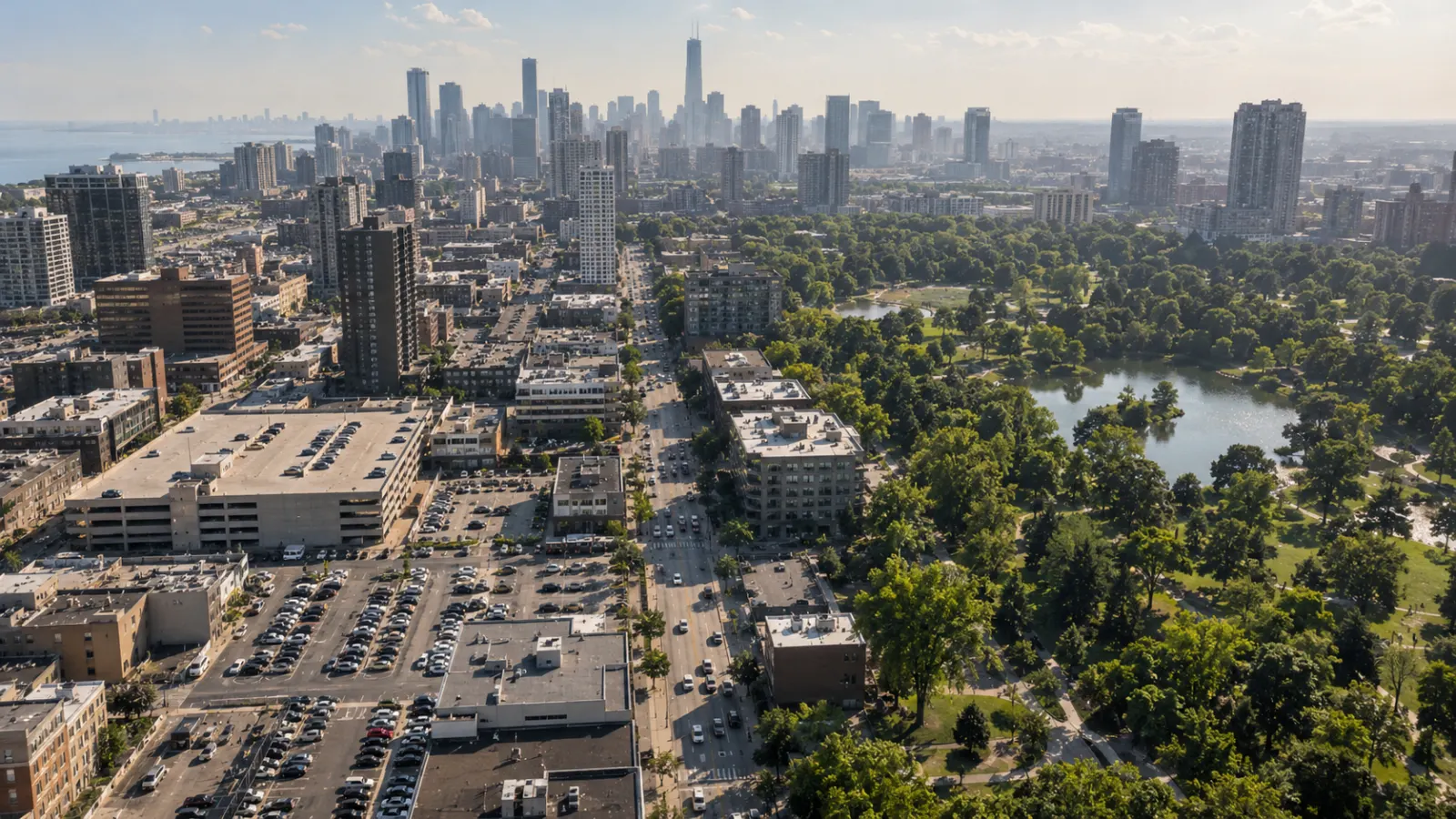
The strategic geography
The economic context makes the issue more serious. The Maldives is heavily dependent on tourism, imports and external financing. Its economy can be affected by pandemics, fuel prices, airline connectivity, regional conflict and climate shocks. IDSA's 2026 analysis notes significant downside risks linked to debt repayments, foreign-exchange pressures and external shocks to tourism and import costs. A country that depends heavily on tourism and imports has limited room for error when global conditions worsen.
Debt is therefore not just an accounting problem. It is a foreign policy vulnerability. When small states borrow heavily for infrastructure, creditors can gain leverage, especially if projects do not generate expected returns. China is not the only lender in the Maldives, but Chinese financing has become part of the political debate across the Indian Ocean. India has responded with budgetary support, credit lines, infrastructure assistance and emergency help. This competition is not only about generosity; it is about strategic presence.
Climate change adds another layer. The Maldives is one of the world's most climate-vulnerable countries. Rising sea levels, coastal erosion, coral reef stress and extreme weather threaten its long-term habitability and economic base. This gives the Maldives moral authority in global climate diplomacy. It also means that infrastructure, housing, water security and disaster resilience are existential issues, not development luxuries.
India angle
India's policy must therefore avoid two mistakes. The first mistake would be complacency: assuming that geography gives India automatic influence. It does not. Small states can and do resist perceived dominance. The second mistake would be overreaction: treating every assertion of Maldivian sovereignty as an anti-India conspiracy. That approach would push the Maldives further toward external balancing. India needs firmness on security and sensitivity on dignity.
The Maldives also matters because it reflects a broader pattern in India's neighbourhood. Smaller neighbours increasingly have options. They can seek Chinese infrastructure, Gulf capital, Turkish defence support, Western climate funding and multilateral assistance. India can no longer rely only on proximity and history. It must compete through delivery, respect and consistency. Neighbourhood First cannot be a slogan; it has to be felt by smaller states as reliable partnership.
The global implications are also wider. The Maldives is a case study in how small-island states use geopolitical competition. They can extract benefits from rival powers, but they can also become trapped by debt, elite politics and external pressure. For the international system, the Maldives raises questions about climate justice, maritime law, sustainable tourism, debt transparency and the militarisation of small states.
Counter-view and complexity
The counter-view is that the Maldives issue is exaggerated. It is argued that the country remains economically dependent on India, geographically close to India and socially connected through travel, healthcare and education. No Maldivian government can permanently alienate India without paying costs. This is partly true. But it is precisely because the relationship is so close that mismanagement becomes dangerous. Small irritants can quickly become nationalist symbols.
What happens next will depend on the behaviour of three actors. The Maldivian government must balance sovereignty politics with economic realism. India must show that it respects Maldivian agency while protecting its core security interests. China and other external powers will test openings when relations with India weaken. The outcome will not be decided by one speech or one visit. It will be decided by infrastructure delivery, tourism flows, debt pressure, defence cooperation and public sentiment.
What happens next
India's best strategy is a layered one. It should keep people-centric projects visible, support health, water, sanitation, education and disaster resilience, expand maritime cooperation without appearing intrusive, and communicate better with Maldivian society rather than only political elites. It should also avoid letting social media controversies define state policy.
A deeper reading of Maldives diplomacy must begin with the island state's domestic politics. Maldivian leaders often use foreign policy to signal sovereignty at home. Because the country is small and close to India, any visible Indian role can become politically sensitive. Opposition parties can frame cooperation as dependence. Governments can use anti-India rhetoric to consolidate nationalist support. This does not mean every criticism of India is externally driven. It means India must understand how domestic politics shapes external posture.
Tourism is the backbone of the Maldivian economy, and that creates a distinctive vulnerability. A political dispute can affect travel sentiment. A regional conflict can affect flight routes. A pandemic can shut down revenue. A climate event can damage resorts. A currency shortage can affect imports. The country's glamour image hides a fragile economic structure. Strategic competition in the Maldives therefore operates through finance, infrastructure, tourism and public opinion as much as through defence.
China's role must be assessed carefully. Beijing's infrastructure financing gives it influence, but the Maldives is not simply a Chinese satellite. Maldivian governments use China as a balancing option, a source of infrastructure and a bargaining tool. The danger for India is not immediate military takeover; it is gradual erosion of trust, increased debt leverage and the normalisation of external strategic presence close to Indian waters.
India's strongest tools are not coercive. They are proximity, emergency response, healthcare access, education, tourism links, essential supplies and development projects. During crises, India can respond faster than distant powers. This is a structural advantage. But speed must be matched by humility. Assistance should not look like patronage. The language of partnership matters in small states because dignity is a strategic currency.
Maritime domain awareness is a core issue. The Maldives' dispersed geography makes surveillance difficult. Illegal fishing, trafficking, piracy risks, search-and-rescue needs and disaster response require coordination. India can provide training, platforms and information-sharing, but it must ensure that such cooperation is explained transparently to Maldivian citizens. Otherwise, security cooperation becomes vulnerable to political misrepresentation.
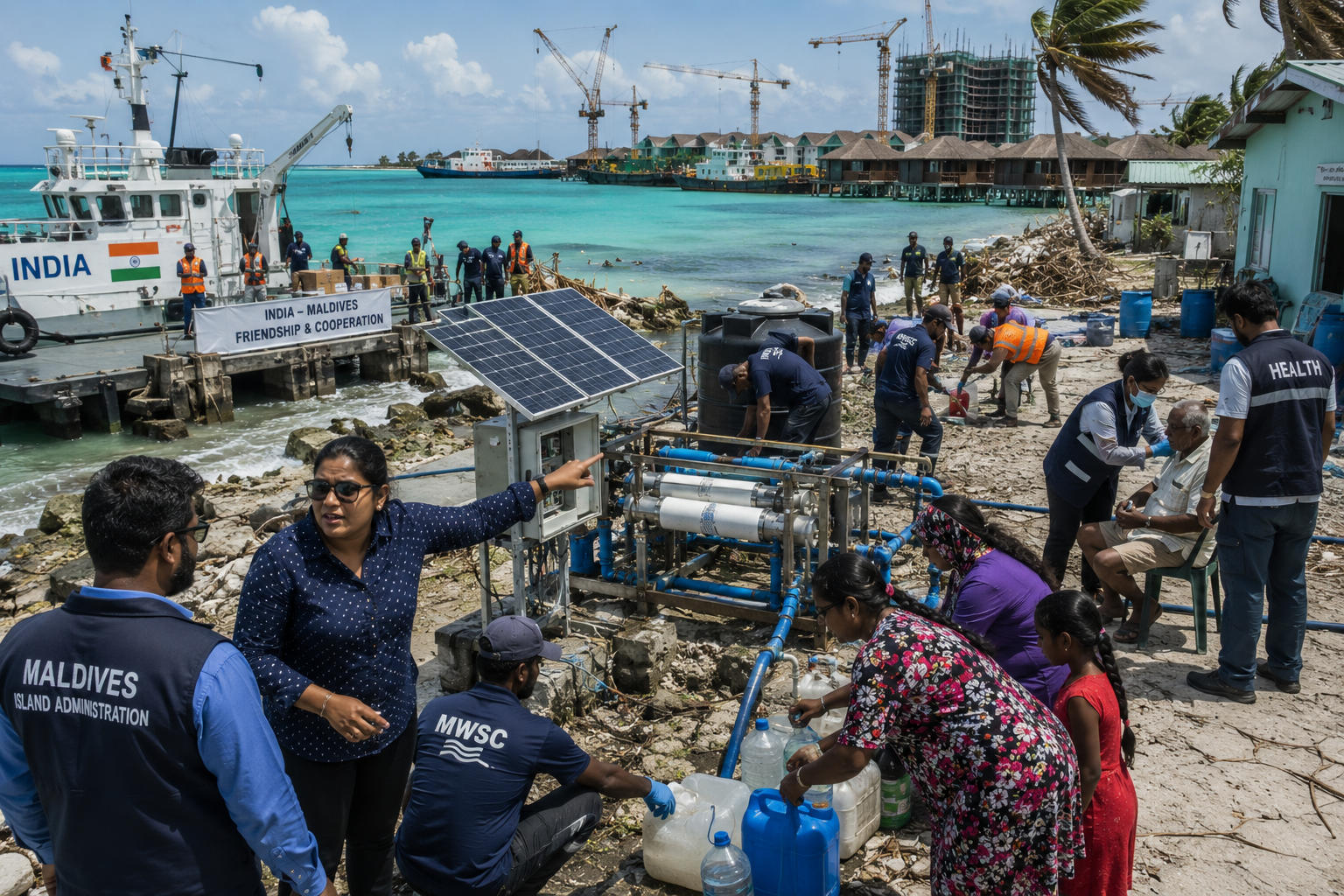
Climate diplomacy offers India a positive agenda. The Maldives needs coastal protection, renewable energy, water security, waste management and resilient infrastructure. India can help through solar projects, desalination support, weather data, coastal engineering, disaster response and climate finance advocacy. If India is seen as a partner in the Maldives' survival challenge, security distrust can be reduced.
People-to-people links also matter. Maldivians travel to India for medical treatment, education and trade. Indian teachers, doctors and professionals have served in the Maldives. These everyday links create social familiarity that geopolitics can either strengthen or damage. India should invest more in scholarships, hospital partnerships, language training, youth exchange and media engagement to prevent political narratives from overwhelming lived realities.
The Maldives also teaches a broader lesson about small-state bargaining. Small states are not passive. They can play larger powers against each other, extract financing and demand respect. This is rational behaviour. India's task is not to eliminate Maldivian options but to remain the most reliable option. Reliability is built through delivery, not pressure.
The deeper conclusion is that the Maldives is a strategic mirror for India. It shows whether India can lead its neighbourhood without appearing overbearing. It tests whether India can combine security with sensitivity. It reveals whether India's regional policy can handle nationalism in smaller states. The answer will matter not only in Male but also in Colombo, Dhaka, Kathmandu and beyond.
India should also consider how public communication affects Maldives policy. Many diplomatic problems have been amplified by social media nationalism on both sides. A few offensive remarks, boycott calls or viral posts can damage tourism sentiment and diplomatic trust. In small economies, perception can have material effects. New Delhi needs a calmer communication strategy that separates public anger from statecraft.
Economic support should be designed for visibility and accountability. Infrastructure projects that citizens can see and use - water, sanitation, roads, ports, hospitals and community facilities - create deeper goodwill than abstract credit lines. India should communicate project benefits in local languages and through local institutions, not only through official press releases.
The Maldives also offers a lesson in debt transparency. India can support open project data, sustainable financing and capacity building for debt management. If small states can compare financing terms clearly, they are less likely to fall into politically motivated or opaque borrowing. Transparency is a strategic tool because it reduces manipulation.
The broader Indian Ocean context will keep the Maldives important. As naval activity grows, submarine tracking, drone surveillance, port access and maritime infrastructure will become more sensitive. India should anticipate this future and build trust before crises occur. In maritime strategy, early reassurance is cheaper than late repair.
The editorial insight is simple: the Maldives matters because small islands are no longer small in strategic terms. In the Indian Ocean, geography gives even tiny states bargaining power. For India, the Maldives is a reminder that regional leadership is not secured by size. It is earned by trust, restraint and delivery.
Internal Links to Add
Related regional explainer articles from the Master Article Shell should be added during CMS upload based on topical proximity.