Groundwater Depletion: Why Aquifers Are Falling and What Happens Next
Groundwater is easy to ignore because most of it is invisible. A shrinking river or reservoir produces an obvious visual warning, but an aquifer can lose water for years while farms, industries and cities continue pumping from wells that still appear to work. That invisibility allows depletion to advance long before the public recognises the scale of the problem. Groundwater is water stored beneath the land surface in pores and fractures within soil and rock, while productive geological formations capable of storing and transmitting useful quantities of water are known as aquifers. UNESCO describes groundwater as the overwhelming majority of the world's liquid freshwater and estimates that it supplies roughly half of freshwater withdrawn for domestic purposes and about a quarter of the water used for irrigation globally.
The problem is not groundwater use itself. Groundwater supports drinking-water systems, agriculture, industry and resilience during drought. Depletion begins when withdrawals persistently exceed the amount of water returning to the aquifer, causing a sustained decline in groundwater storage or water levels. A well may therefore continue producing even while the underlying system is being depleted. The most important question is not simply whether groundwater can still be pumped today, but whether current withdrawals can continue without creating unacceptable costs for future users, rivers, ecosystems and infrastructure.
What Groundwater Depletion Actually Means
Groundwater levels naturally rise and fall. Rainy periods can recharge shallow aquifers, dry seasons can lower water tables and drought can temporarily reduce groundwater levels. A later wet period may restore part or all of that decline. Groundwater depletion is different because it involves a long-term reduction associated with sustained withdrawals.
The U.S. Geological Survey commonly describes depletion in terms of long-term groundwater-level decline caused by continued pumping. That distinction matters because a falling water table during one dry year does not necessarily indicate permanent depletion. The concern begins when the system repeatedly fails to recover because withdrawals continue to exceed replenishment.
A bank-account analogy can help. Recharge is the deposit and pumping is the withdrawal. An aquifer may temporarily supply more water than it receives in a particular year because users are drawing down stored reserves. But if that imbalance continues year after year, the reserve shrinks. The analogy is imperfect because aquifers are not simple underground tanks: groundwater moves through complex geological formations, interacts with streams and wetlands and may take very long periods to recharge. Still, the accounting principle remains useful. Water can remain physically available to pump while its use is hydrologically unsustainable.
Where Groundwater Comes From
Most renewable groundwater begins as precipitation. Rainfall or melting snow infiltrates the surface, moves through soil and permeable geological layers and eventually reaches the saturated zone below the water table. The speed and amount of recharge vary greatly from place to place.
Sandy soils and fractured rock may allow water to infiltrate relatively quickly, while clay-rich formations can slow movement dramatically. Vegetation, topography, rainfall intensity and land use also affect recharge. Urban paving may reduce infiltration in some areas by sending rainfall rapidly into drainage systems, while irrigation can return part of applied water to an aquifer when excess water moves below the crop root zone.
Some deep aquifers contain groundwater that entered the subsurface thousands or even millions of years ago under climatic conditions different from those of today. This fossil or palaeogroundwater may replenish so slowly that, on human timescales, pumping it resembles mining a finite resource rather than using a renewable annual supply.
This is why asking only how much groundwater exists can be misleading. A better question is how much can be withdrawn from a particular aquifer, over a particular period, without creating impacts society considers unacceptable.
Why Groundwater Is Pumped So Heavily
Groundwater offers several advantages that make it extremely attractive. It can often be accessed close to farms, settlements or factories, reducing the need for large surface-water distribution systems. Aquifers also buffer short-term weather variability because water stored underground remains available when rivers decline or rainfall fails. Unlike open reservoirs, groundwater is protected from much direct evaporation.
Agriculture is the largest global user. The supplied article notes UNESCO estimates that approximately 70% of global groundwater withdrawals support agricultural production and that groundwater provides a substantial share of irrigation worldwide. Pumping transformed farming in many dry and semi-arid regions because it allowed irrigation to continue during seasonal rainfall gaps and drought.
That flexibility creates a governance challenge. A reservoir is visible and usually managed by a limited number of agencies. An aquifer can extend beneath thousands of properties and be accessed through thousands or millions of individual wells. Each user has an incentive to pump while water remains available, even if the combined withdrawals are reducing the shared resource.
The result resembles a collective-action problem. What appears rational for each individual well owner can become unsustainable when repeated across the entire basin.
What Happens When the Water Table Falls
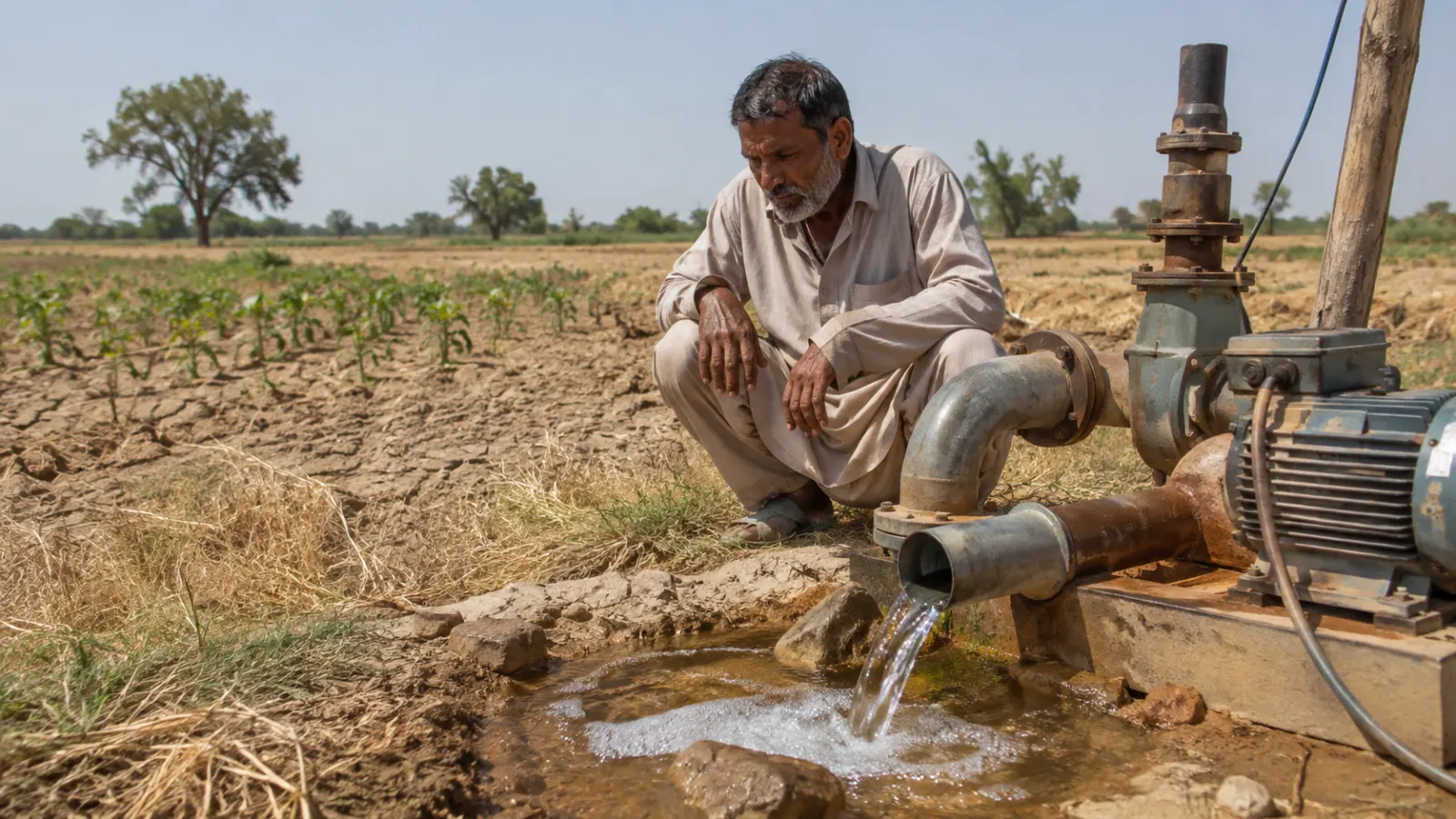
The first consequence of depletion is simple: users have to reach deeper to find water. Shallow wells may fail, pumps can become exposed above the declining water level and households or farmers may need to deepen existing wells or drill replacements.
Deeper pumping increases cost because lifting water from greater depth requires additional energy. A resource that once appeared inexpensive becomes progressively more costly as the water table falls. The effect can also increase energy consumption and, where pumping relies on fossil-fuel electricity or diesel, increase associated emissions.
The burden is not distributed equally. Large agricultural operations, industries or municipal utilities may be able to finance deeper wells and larger pumps. Small farmers and low-income households may not. This can create a race to the bottom in which wealthier users retain access by drilling farther while shallower users lose supply.
Groundwater depletion is therefore not only a hydrological issue. It can become a distributional problem in which economic power determines who is capable of following the falling water table.
Rivers and Aquifers Are Often Connected
A common misconception is that groundwater and surface water operate as separate systems. In many landscapes, groundwater slowly feeds rivers and streams between rainfall events. This contribution is known as baseflow and can be especially important during dry seasons.
When heavy pumping lowers groundwater levels, less water may discharge into rivers. In some cases, the hydraulic gradient can reverse and river water begins moving from the channel toward nearby pumping wells. USGS identifies reduced stream and lake water as an important consequence of groundwater depletion.
Ecological effects can follow. Lower dry-season flows may reduce habitat, shrink wetlands or allow stream temperatures to rise. Aquatic ecosystems that evolved around persistent groundwater-fed flows can become increasingly stressed.
This connection also complicates water accounting. A city may appear to reduce its demand on a river by switching to groundwater, yet if the pumping later reduces groundwater discharge to that river, some of the apparent new supply may simply represent water shifted between connected parts of the hydrological system.
Land Can Physically Sink
Groundwater depletion can change the ground surface itself. Some aquifers contain compressible layers of clay and silt. Water pressure within pore spaces helps support those materials. When pumping lowers groundwater pressure substantially, the sediments can compact.
The surface above them may sink, a process known as land subsidence. Subsidence can damage roads, pipelines, canals, foundations and flood-control infrastructure. In low-lying coastal regions, even modest subsidence can increase exposure to flooding.
The most serious hydrological consequence is that some compaction can permanently reduce aquifer storage. Once pore spaces collapse, later rainfall may not restore the aquifer to its former capacity even if groundwater levels recover.
This makes subsidence one of the clearest examples of groundwater depletion creating partially irreversible damage. The problem is no longer only that water was removed; some of the physical structure that once stored water has also been lost.
Coastal Aquifers Can Become Salty
Fresh groundwater in coastal regions exists in hydraulic contact with seawater. Because freshwater is less dense, it can form a freshwater body above or beside saline groundwater. Heavy pumping reduces freshwater pressure and can allow seawater to move inland or upward toward wells.
This process is called saltwater intrusion. Once salinity reaches drinking-water or irrigation wells, the resource may become unsuitable without treatment. Pumping harder usually does not solve the problem and can make the intrusion worse.
Recovery may require lowering withdrawals, relocating wells, increasing recharge or changing pumping patterns, and improvement can take years. In some aquifers, damage may be extremely difficult to reverse.
Saltwater intrusion also demonstrates why groundwater depletion is not exclusively a quantity problem. Declining water levels can change groundwater movement and draw poorer-quality water into previously usable parts of an aquifer.
Falling Water Levels Can Affect Water Quality
Groundwater chemistry varies by depth and geological formation. When pumping changes groundwater flow, it can draw water from zones containing different concentrations of salts, minerals or contaminants.
In some regions, declining water levels can increase the movement of naturally occurring contaminants or allow polluted water to migrate toward pumping wells. Intensive pumping can also change the interaction among shallow and deep groundwater systems.
This does not mean depletion always causes contamination, but quantity and quality cannot be managed independently. A well can continue producing water while the water becoming available is increasingly expensive or difficult to treat.
Drought and Groundwater Depletion Can Reinforce One Another
Groundwater is particularly valuable during drought because it provides a reserve when rainfall and surface-water supplies decline. Farmers increase pumping when crops receive less rain, while cities may activate emergency wells when reservoirs fall.
The problem is that drought simultaneously reduces recharge in many regions. Demand rises at the same time that replenishment falls.
If an aquifer has already been heavily depleted during normal years, the reserve available during the drought is smaller. Users may need to pump from greater depth precisely when groundwater becomes most valuable.
This creates a feedback cycle: drought increases pumping, increased pumping deepens depletion, and depletion leaves society less resilient to the next drought.
Climate change can intensify the management challenge by altering rainfall patterns, snowpack, evaporation and irrigation requirements. Its effects on recharge vary geographically, so it would be inaccurate to assume that recharge will decline everywhere. The broader concern is that greater hydrological variability makes slow-moving groundwater reserves even more strategically important.
Groundwater Is Strategic Drought Storage
Aquifers are sometimes discussed only as sources of water, but they can also be understood as strategic storage systems. Underground water accumulated during wetter periods can buffer dry years far more effectively than rainfall alone.
That buffering function has enormous value. The danger arises when societies use aquifers aggressively every year rather than preserving some capacity for genuinely dry periods.
If groundwater is continuously depleted during average conditions, the system loses part of the resilience that made it valuable in the first place. Drought then becomes harder to manage because users begin the dry period with an already reduced reserve.
Sustainable groundwater policy should therefore consider not only average annual water demand but the role aquifers are expected to play during exceptional drought.
Recharge Projects Can Help, but They Cannot Ignore the Water Balance
Managed aquifer recharge can be an important tool. Water available during periods of high river flow, stormwater or appropriately treated recycled water can sometimes be directed into infiltration basins or specialised wells to increase groundwater storage.
Rainwater harvesting, permeable surfaces and other measures that slow runoff can also support recharge locally. These approaches can help restore groundwater or reduce the rate of decline where geological and water-quality conditions are suitable.
But recharge projects cannot repeal basic water accounting. If a basin pumps substantially more water than can realistically be replenished, increasing recharge without reducing withdrawals may simply slow depletion rather than stop it.
Water quality also requires careful management. Intentionally directing water underground can contaminate an aquifer if the recharge water contains pollutants. Groundwater is difficult and expensive to clean once contamination occurs, so recharge projects need appropriate treatment and monitoring.
Efficiency Helps Only if Total Pumping Falls
More efficient irrigation can reduce the amount of water farmers need to withdraw for a given crop. Drip systems, improved scheduling and better soil-moisture management can therefore play an important role in groundwater conservation.
However, efficiency does not guarantee a basin-level reduction in pumping. If a farmer uses the water saved on one field to irrigate additional land, total withdrawals may remain unchanged or even increase.
This is sometimes described as a rebound effect. The important measurement is not simply litres used per hectare but total groundwater withdrawn from the aquifer and the amount actually consumed.
Water policy therefore needs accounting at the scale of the basin, not only at the scale of the individual farm.
Crop Choice Can Determine Groundwater Demand
Irrigation demand depends strongly on what is grown and where it is grown. Water-intensive crops cultivated in dry regions can require large volumes of groundwater, particularly when rainfall provides little of the crop's total water requirement.
Changing crop choice can reduce pumping in some basins, but such decisions involve economics as well as hydrology. Farmers respond to crop prices, procurement systems, subsidies, market access and risk.
A policy that encourages efficient irrigation while rewarding expansion of water-intensive crops may therefore undermine its own groundwater objective.
Sustainable management often requires aligning agricultural incentives with the actual water availability of the basin.
Energy Policy Can Influence Groundwater Pumping
Groundwater extraction requires energy, which means electricity pricing and agricultural energy subsidies can strongly influence pumping behaviour. Where pumping power is extremely cheap or unmetered, individual users face little direct cost for extracting additional groundwater even when the aquifer is declining.
Reforming energy incentives can therefore contribute to groundwater management, but the social consequences need careful consideration. Sudden increases in irrigation costs can harm small farmers unless accompanied by alternative support, efficient technology or changes in agricultural policy.
The connection illustrates an important principle: groundwater depletion is not caused only by hydrology. It is shaped by agricultural markets, energy prices, institutions and political incentives.
Cities Can Deplete Groundwater Too
Agriculture dominates groundwater withdrawals globally, but rapidly growing cities can also place major pressure on local aquifers. Population growth and unreliable municipal networks may lead households, commercial buildings and industries to install private borewells.
Because many of these wells operate outside comprehensive monitoring, the actual extraction can be difficult to estimate. Declining water tables can then become visible only when pumps fail, land subsides or water quality deteriorates.
Urban groundwater policy therefore requires more than regulating municipal utilities. Private extraction, construction practices, stormwater management and protection of recharge areas may all matter.
Groundwater Depletion Can Increase Inequality
The cost of depletion tends to rise as the aquifer declines. Deeper wells, larger pumps, additional treatment and replacement infrastructure all require capital.
Users with greater financial resources can often adapt longer. Low-income households, small farmers or communities dependent on shallow wells may lose access first.
That creates a troubling pattern: everyone contributes to the declining water table, but the users least able to finance adaptation can experience the consequences earliest.
Groundwater governance therefore needs to consider not only total withdrawals but who has access, who bears the cost of depletion and how restrictions affect different groups.
Monitoring Is the First Requirement of Management
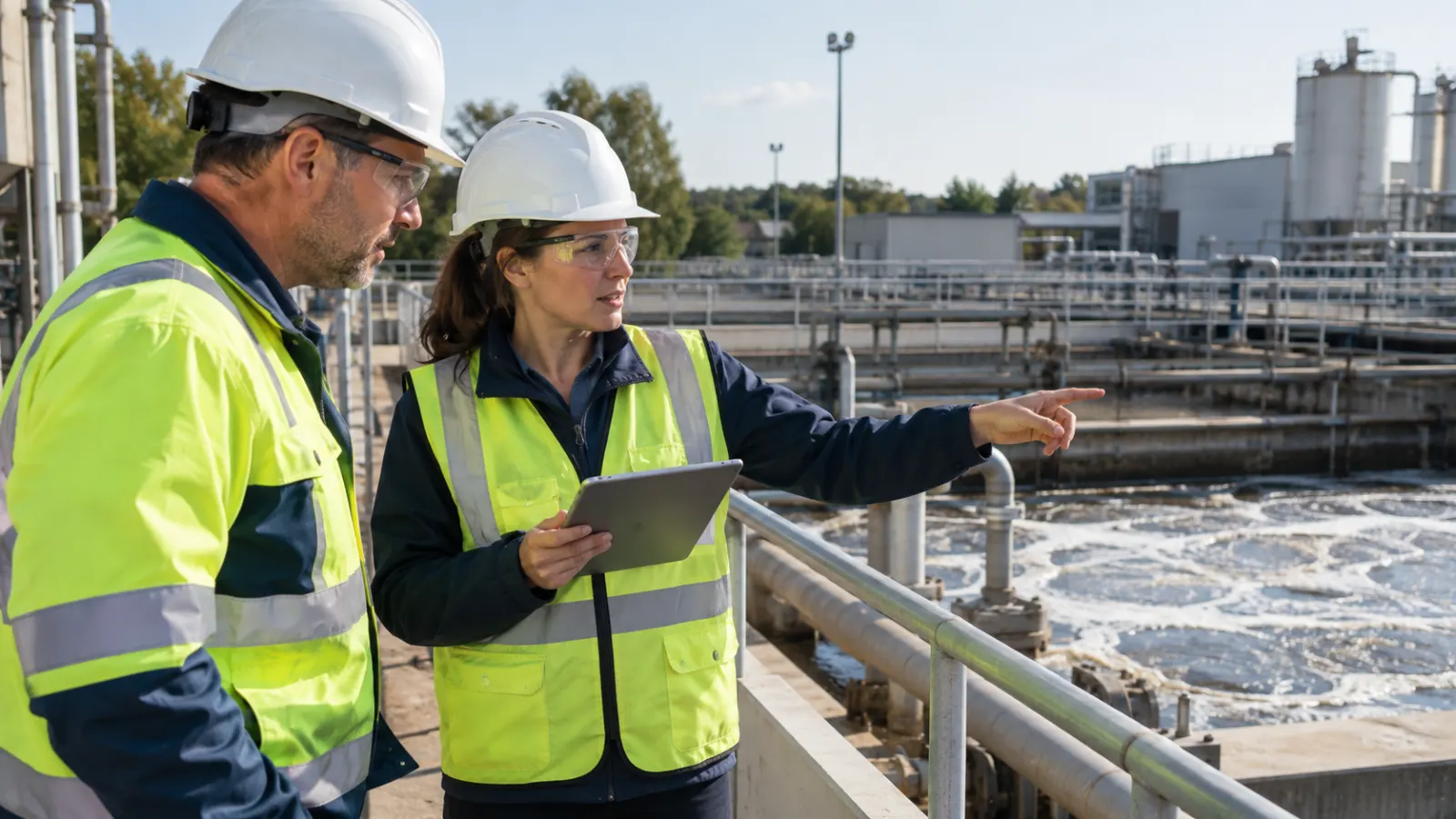
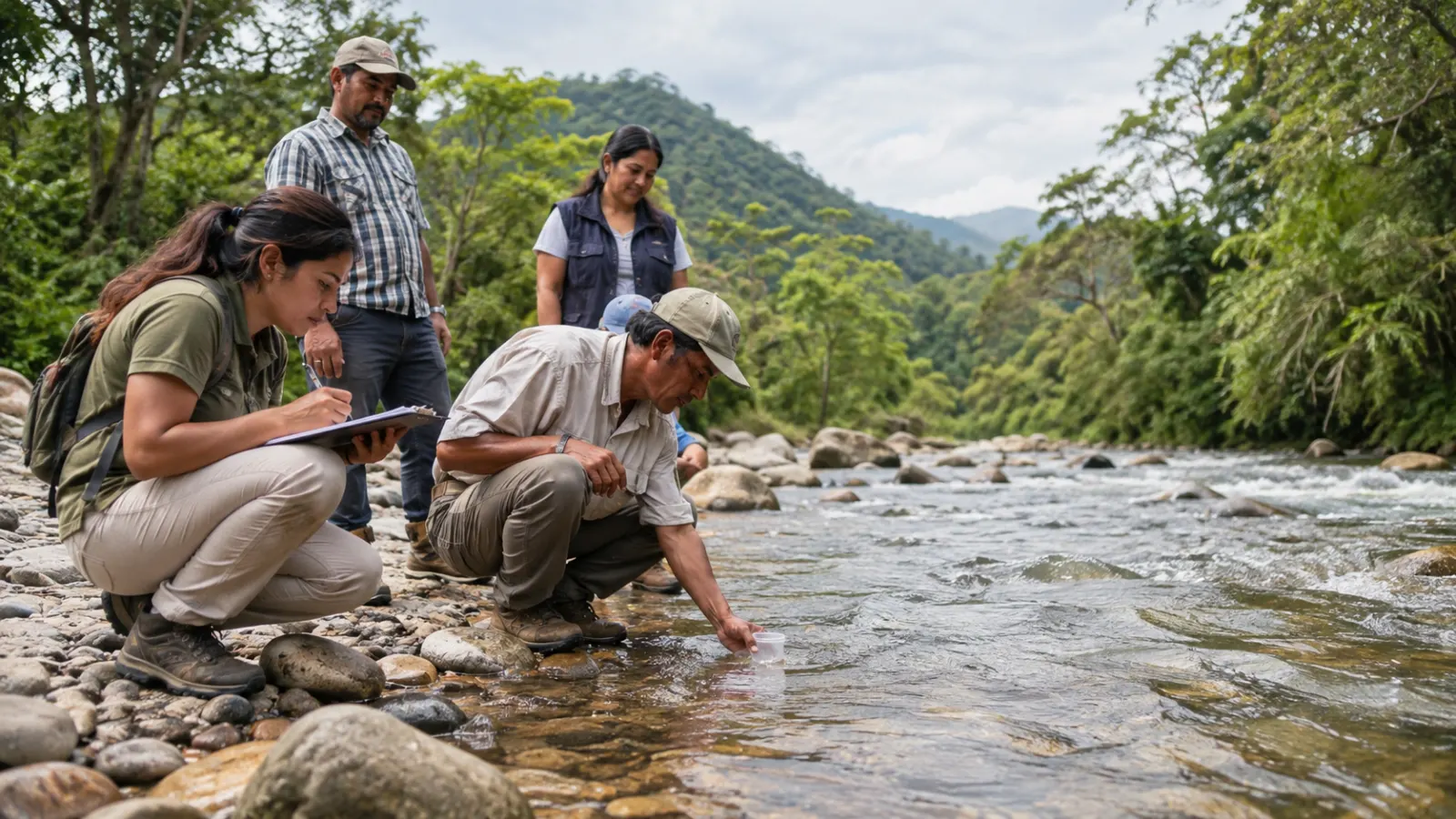
A groundwater system cannot be managed effectively without knowing what is happening to it. Managers need measurements of groundwater levels, pumping volumes, recharge, water quality and interactions with rivers and ecosystems.
Observation wells can track changes in the water table over time. Pumping meters can estimate extraction, while satellite observations and hydrological models can provide additional information at larger scales.
Data need to be interpreted over sufficiently long periods because short-term fluctuations can hide broader trends. One unusually wet year does not necessarily indicate that a depleted aquifer has recovered.
Transparency also matters. Farmers, cities and industries are more likely to understand restrictions when the condition of the shared aquifer is visible through credible monitoring.
Sustainable Yield Is Not One Simple Number
Groundwater management sometimes seeks a single number representing how much water can be pumped sustainably. In practice, the idea is more complicated.
An extraction level that stabilises the average water table could still reduce river baseflow or damage wetlands. Pumping located near the coast might trigger saltwater intrusion even if withdrawals elsewhere in the basin appear manageable. Different communities may also disagree about how much environmental change is acceptable.
Sustainable management therefore involves social choices as well as hydrological calculations. The objective is not necessarily to prevent any movement in groundwater levels but to keep withdrawals within limits that avoid unacceptable long-term consequences.
Aquifers Often Cross Political Boundaries
Groundwater does not stop at municipal or provincial borders. An aquifer can extend beneath several jurisdictions, and pumping in one location can influence water availability elsewhere.
This creates governance challenges because each political unit may regulate wells independently while all users draw from the same physical system.
Some aquifers also cross international boundaries. Cooperation then requires shared monitoring, data exchange and agreements about extraction and recharge.
The basic management unit should therefore follow the hydrology as closely as possible rather than assuming political boundaries correspond to groundwater boundaries.
What Sustainable Groundwater Management Looks Like
Effective groundwater management normally combines measurement, limits and governance. Authorities need to understand groundwater levels and extraction, determine how pumping affects rivers and ecosystems, and establish withdrawal levels consistent with long-term objectives.
Possible tools include well permits, pumping allocations, metering, energy-price reform, agricultural subsidy reform, crop changes, improved irrigation, managed recharge and coordinated use of groundwater with surface water. Protection of recharge zones can also be important because paving or contamination in key infiltration areas can reduce future water availability.
No single policy works everywhere because aquifers differ enormously in geology, recharge, economic dependence and institutional capacity. The common principle is that the aquifer must be treated as one shared system rather than as thousands of unrelated private wells.
Why Groundwater Recovery Can Be Slow
Groundwater depletion develops slowly in many places, and recovery can be equally slow. Even if pumping declines, water must physically move through soil and rock before storage can rebuild.
Some aquifers recharge rapidly enough to respond within years. Others may require decades or much longer. Deep fossil groundwater may effectively not recover on timescales relevant to current societies.
Land subsidence can make recovery even more difficult because compaction may permanently reduce storage capacity.
This means groundwater policy often needs to act before complete crisis becomes visible. Waiting until wells fail can leave users facing a system whose recovery takes far longer than the political or economic planning horizon.
The Hidden Reserve Can Become a Hidden Debt
Groundwater has protected communities from drought, supported cities and enabled enormous agricultural production. Its reliability is precisely what makes overuse tempting. When rainfall fails, wells continue producing, allowing society to postpone difficult decisions about scarcity.
But persistent over-pumping converts that reserve into an intergenerational debt. Today's withdrawals can lower tomorrow's water tables, increase future pumping costs, reduce river flows, damage ecosystems and permanently diminish aquifer storage through subsidence.
The most useful way to think about groundwater is therefore neither as a resource that should never be touched nor as an unlimited underground supply. It is strategic water storage. Used within a realistic water budget, it can make societies more resilient. Used as though recharge does not matter, it can conceal scarcity until the consequences become increasingly expensive and difficult to reverse.
Frequently Asked Questions
What is groundwater depletion?
Groundwater depletion is a long-term decline in groundwater storage or water levels caused when sustained withdrawals exceed the amount of water replenishing an aquifer.
Is a falling water table always groundwater depletion?
No. Water tables naturally fluctuate with seasons and drought. Depletion refers to sustained decline rather than temporary variation.
What is an aquifer?
An aquifer is a geological formation capable of storing and transmitting useful quantities of groundwater.
Where does groundwater come from?
Most renewable groundwater originates from precipitation that infiltrates the ground and moves into saturated geological formations.
What is fossil groundwater?
Fossil or palaeogroundwater is very old groundwater that entered an aquifer under past climatic conditions and may recharge extremely slowly today.
Why is groundwater so important?
It supplies drinking water, irrigation and industry and provides a critical reserve during periods when rainfall and surface-water availability decline.
What is the biggest use of groundwater?
Agriculture is the dominant global user. UNESCO figures cited in the supplied article indicate that around 70% of global groundwater withdrawals are used for agricultural production.
What happens when groundwater levels fall?
Wells may need to be deepened, pumping costs increase and shallow users can lose access.
Can groundwater depletion affect rivers?
Yes. Pumping can reduce the groundwater contribution to streams and lakes and, in some cases, cause river water to move toward pumping wells.
What is land subsidence?
Land subsidence occurs when sediments compact after groundwater pressure falls, causing the land surface to sink.
Can subsidence permanently damage an aquifer?
Yes. Compaction can permanently reduce some of the pore space that previously stored groundwater.
What is saltwater intrusion?
Saltwater intrusion occurs when heavy pumping in coastal aquifers allows saline water to move toward freshwater wells.
Does drought cause groundwater depletion?
Drought can contribute by reducing recharge and increasing pumping, but long-term depletion usually results from sustained withdrawal over time.
Does climate change affect groundwater?
It can alter recharge, rainfall, snowpack, evaporation and irrigation demand, although impacts differ significantly by region.
Can rainwater harvesting recharge groundwater?
It can support recharge in suitable conditions, especially when water is allowed to infiltrate rather than run off rapidly, but the effect depends on local geology and water quality.
Can managed aquifer recharge solve groundwater depletion?
It can help, but it cannot compensate indefinitely for withdrawals that remain much larger than replenishment.
Does efficient irrigation always reduce groundwater depletion?
Not necessarily. If water savings are used to expand irrigated land, total groundwater withdrawals may not decline.
Why are private wells difficult to regulate?
A single aquifer may be accessed by thousands of independent users, making measurement and coordinated management difficult.
Can a depleted aquifer recover?
Some can recover if pumping decreases and recharge is sufficient, but recovery may take many years. Fossil aquifers and aquifers damaged by permanent compaction may recover very slowly or incompletely.
How can groundwater depletion be prevented?
Effective management can include monitoring, pumping limits, efficient irrigation, crop and subsidy reform, managed recharge, surface-water coordination and protection of recharge zones.
The Central Idea
Groundwater depletion is dangerous partly because it can remain hidden. Wells may continue functioning while the aquifer beneath them is steadily losing storage, allowing users to confuse continued access with sustainability. The supplied article correctly emphasises that depletion is not defined by using groundwater but by persistently withdrawing more water than the aquifer can realistically replenish.
The consequences extend far beyond deeper wells. Falling groundwater levels increase pumping costs, threaten shallow users, reduce river baseflow, damage wetlands, increase the risk of saltwater intrusion and can physically compact aquifer sediments until the land itself subsides. In some cases, the loss of storage capacity becomes partly irreversible.
The problem also reveals why water management cannot be reduced to individual efficiency. Thousands of wells can each appear economically rational while producing a collectively unsustainable result. More efficient pumps or irrigation systems help only when they contribute to a reduction in total withdrawals at the basin scale.
Recharge is equally important but cannot substitute for water accounting. Managed recharge, rainwater infiltration and restoration of recharge zones can strengthen groundwater reserves where conditions allow, but no technical project can indefinitely support a system in which extraction remains far above replenishment.
The most effective strategy therefore combines measurement with governance. Groundwater levels and extraction need to be monitored, withdrawals must reflect local hydrogeology and users need institutions capable of treating an aquifer as a shared system.
Groundwater is one of humanity's most valuable natural buffers against drought and climate variability. Its invisibility should not be confused with abundance.
An aquifer is strategic storage. If society repeatedly spends that reserve faster than nature replenishes it, today's water security becomes tomorrow's water debt.