A Metaphor Created to Correct Another Metaphor
The salad bowl became popular as an alternative to the melting pot. Instead of imagining cultural groups dissolving into one common mixture, it imagines them sharing one container while remaining recognisably distinct.
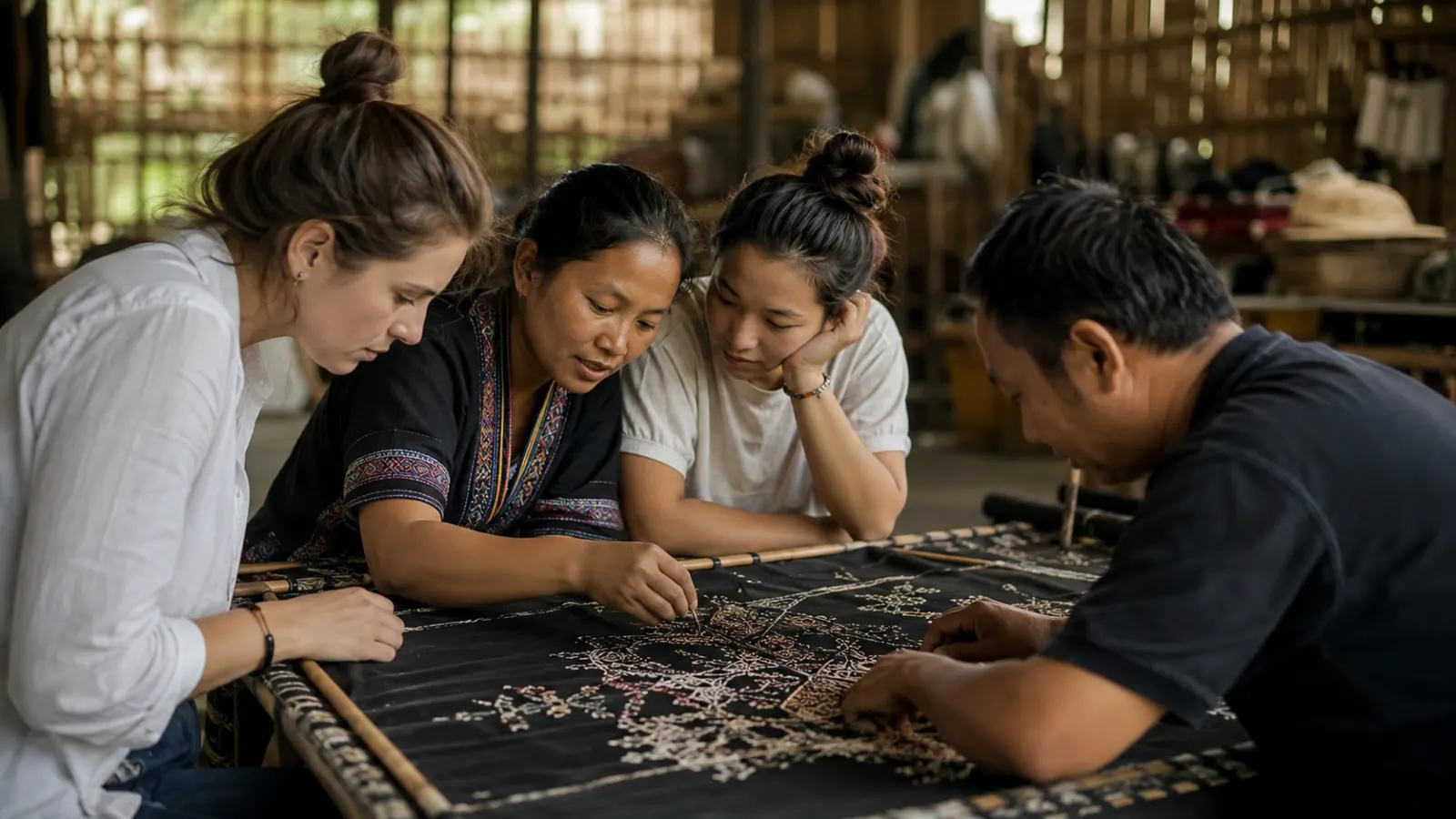
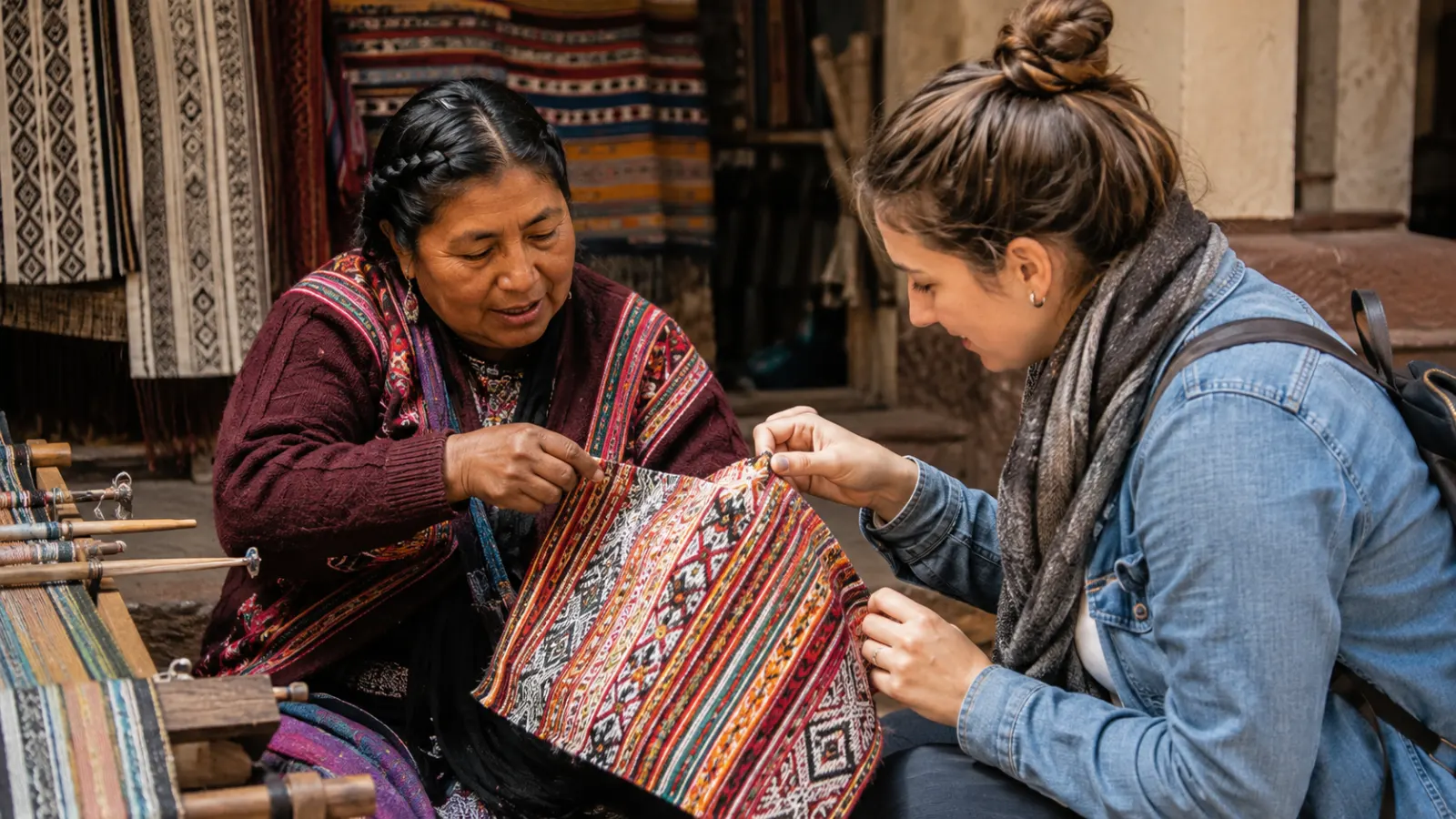
The appeal is easy to understand. A person can become part of a country without abandoning language, religion, cuisine, family customs or ancestral memory.
The metaphor shifts the goal from cultural sameness to coexistence.
What the Model Tries to Describe
At its simplest, the salad bowl describes a society in which different cultural communities participate in common political and economic institutions while retaining significant parts of their distinct identity.
The idea overlaps with cultural pluralism and multiculturalism, though the terms are not identical.
It Rejects Total Assimilation
The model challenges the expectation that full membership requires minorities to become culturally indistinguishable from a dominant majority.
A citizen can learn a shared public language, obey common law and participate in national institutions while also preserving family language or religious traditions.
Why the Metaphor Appeals to Immigrant Societies
Immigration creates a practical question: how much adaptation should newcomers make, and how much difference should the wider society accommodate?
The salad bowl answers that adaptation does not have to mean erasure.
The Model Recognises Layered Identity
People routinely carry more than one identity. Someone can be national, regional, religious, linguistic and professional at the same time.
The salad bowl metaphor is more comfortable with this layering than the strongest version of the melting pot.
Language Shows How the Model Works
A family may use one language at home and another in school or government.
Bilingual life is not a transitional failure if both languages remain useful and valued. It can be a stable form of belonging.
Food Is the Metaphor's Most Intuitive Example
Cities can share common restaurants, markets and public institutions while cuisines remain recognisably different.
Food traditions often survive across generations even when other parts of immigrant identity change.
Yet food is also a misleadingly easy example because political equality involves more than cultural consumption.
Religion Creates More Difficult Questions
A salad bowl society may permit diverse religious institutions and dress while maintaining common law.
The difficult cases involve accommodation: holidays, dietary rules, schooling and dress standards.
Recognition has to operate within equal rights and public responsibilities.
Cultural Pluralism Predates the Metaphor
The underlying idea that groups can retain meaningful cultural differences inside one political society is older than the phrase salad bowl.
Political theory on multiculturalism examines precisely this problem: how common citizenship can coexist with recognised cultural difference.
What the Salad Bowl Gets Right
It correctly rejects the idea that political unity requires total cultural uniformity.
Modern states already contain regional accents, religions, cuisines, histories and ways of life. Diversity is often normal rather than exceptional.
It Also Recognises Two-Way Change
Minority communities do not simply preserve old practices unchanged. They adapt to schools, labour markets, laws and neighbours.
The surrounding society changes too. New food, music, language and political claims enter the mainstream.
The Problem: Ingredients in a Salad Do Not Interact
This is the metaphor's biggest weakness.
Real integration requires contact, negotiation and shared institutions. Cultural communities living side by side with little interaction can produce social distance rather than inclusion.
The Council of Europe's intercultural model emphasises meaningful interaction for exactly this reason.
Diversity Without Equality Can Become Decorative
A city may celebrate multiple festivals while minorities remain concentrated in insecure work or excluded from political influence.
Visible cultural variety is not evidence of equal membership.
The Model Can Hide Segregation
Residential concentration can support community institutions and family networks.
It can also result from housing discrimination, unequal schools or social exclusion.
Calling every separate community a healthy salad-bowl ingredient can romanticise structural inequality.
Shared Institutions Still Matter
A functioning plural society needs schools, courts, transport systems, workplaces and civic rules that connect people across difference.
Cultural distinctiveness cannot replace a common public framework.
Contact Matters
OECD data on immigrant integration show that direct interaction between immigrants and native-born residents is associated with more positive attitudes toward immigration.
This does not prove contact automatically eliminates prejudice, but it shows why integration cannot mean simple parallel existence.
The Intercultural Alternative
The Council of Europe's intercultural approach combines equality, diversity and interaction.
It is useful as a correction to the salad bowl: cultural difference can remain, but institutions should create opportunities for cooperation rather than treating communities as permanent separate compartments.
The Salad Bowl and Multiculturalism
Multiculturalism is a political and philosophical framework; the salad bowl is only a metaphor.
Multicultural policies may include anti-discrimination, language accommodation, recognition of minority histories and support for cultural institutions.
The metaphor helps explain the intuition but cannot design policy.
The Salad Bowl and the Melting Pot
The melting pot emphasises fusion. The salad bowl emphasises retention.
Real societies usually contain both. People converge in public language or workplace norms while retaining religion, cuisine or family practices.
Generations Change the Balance
Second and third generations may identify differently from immigrant parents.
Some practices weaken, others become symbolic, and some are revived deliberately.
Cultural retention is therefore dynamic, not a frozen inheritance.
Digital Media Makes Retention Easier
Migrants can now follow media, music and family life in countries of origin daily.
This reduces the cultural isolation that earlier migration sometimes produced and makes transnational identity easier to sustain.
But Digital Media Can Also Reduce Local Contact
If people consume only media from their own community, digital connection can strengthen cultural continuity without increasing interaction with neighbours.
Technology therefore supports both pluralism and separation.
A Better Model Is Overlapping Circles
No metaphor is perfect, but overlapping circles may better describe modern identity.
People share some institutions and values, differ in others, and belong to multiple communities at once.
Education Reveals the Trade-Off
Schools need common curricula and shared rules, but they also decide whether minority histories, languages and traditions appear in the public story.
A salad-bowl approach favours a curriculum broad enough to recognise more than one cultural inheritance without abandoning common civic education.
Public Symbols Matter
Street names, monuments, holidays and official ceremonies tell citizens whose history is treated as public rather than private.
Recognising several traditions can widen belonging, but symbolic recognition is weak if access to institutions remains unequal.
Economic Mobility Can Change Cultural Retention
Families sometimes retain food, religion and language even as they move into the economic mainstream.
At other times, occupational mobility increases interaction outside the community and weakens some inherited practices. Cultural retention and economic integration therefore do not move in lockstep.
The Model Works Better for Some Differences Than Others
Cuisine and festivals can coexist easily. Legal norms, schooling and gender rights create harder questions because a shared political system cannot simply allow every community rule to operate independently.
The metaphor is strongest for identity and cultural expression, and weakest when used to avoid decisions about common law.
Local Government Often Makes Pluralism Practical
Libraries, schools, sports facilities and neighbourhood councils create places where communities encounter one another.
Local policy determines whether diversity remains separate cultural visibility or becomes everyday cooperation.
Cultural Retention Can Reduce Intergenerational Loss
When minority languages and traditions have space in schools, media and community institutions, younger generations have more opportunities to inherit them.
This does not prevent change. It gives people a choice about what to retain instead of letting loss occur only because institutions make retention difficult.
The Model Can Underestimate Hybrid Identity
People are not always separate ingredients. Children of mixed families, multilingual creators and transnational communities combine traditions in ways the salad metaphor cannot represent.
Hybrid identities show that retention and mixing can happen at the same time.
The Model Depends on a Shared Civic Container
The metaphor works only if the 'bowl' is real: common rights, public institutions and rules that apply across groups.
Without that shared framework, cultural difference can become political fragmentation rather than pluralism.
The Metaphor Is Best Used as a Warning Against Erasure
Its lasting value is not predictive accuracy but the reminder that integration should not automatically be measured by how invisible minority identity becomes.
The metaphor also understates how public institutions can create shared identity without erasing private culture. Common schools, elections, public services and civic rituals give people repeated experiences of membership even when families retain different languages or religions.
A plural society therefore does not have to choose between complete fusion and permanent separation. It can build common civic habits while protecting cultural freedom, provided communities have equal access to those institutions and enough interaction to see one another as fellow members rather than distant groups over time together.
What the Salad Bowl Model Means
The salad bowl is valuable because it insists that equal citizenship does not require cultural disappearance.
Its limitation is treating difference as though separate groups can simply coexist without continuous interaction.
The strongest plural society therefore combines the salad bowl's respect for distinct identity with institutions that make people meet, cooperate and belong to something shared.
Sources / Further Reading
• Stanford Encyclopedia of Philosophy — Multiculturalism — https://plato.stanford.edu/entries/multiculturalism/
• Council of Europe — Understanding intercultural integration — https://www.coe.int/en/web/interculturalcities/module-2
• Council of Europe — Inclusive societies, minorities and migrants — https://www.coe.int/en/web/inclusion-and-antidiscrimination/inclusive-societies-minorities-and-migrants
• OECD/European Commission — Indicators of Immigrant Integration 2023 — https://www.oecd.org/en/publications/indicators-of-immigrant-integration-2023_1d5020a6-en.html
• UNESCO — Universal Declaration on Cultural Diversity — https://www.unesco.org/en/legal-affairs/unesco-universal-declaration-cultural-diversity
Suggested Internal Links
• The Melting Pot Idea — Article 65
• What Is Multiculturalism — Article 63
• Understanding Integration in Society — Article 68
• How Societies Become Diverse — Article 64
• What Is the Importance of Diversity — Article 69