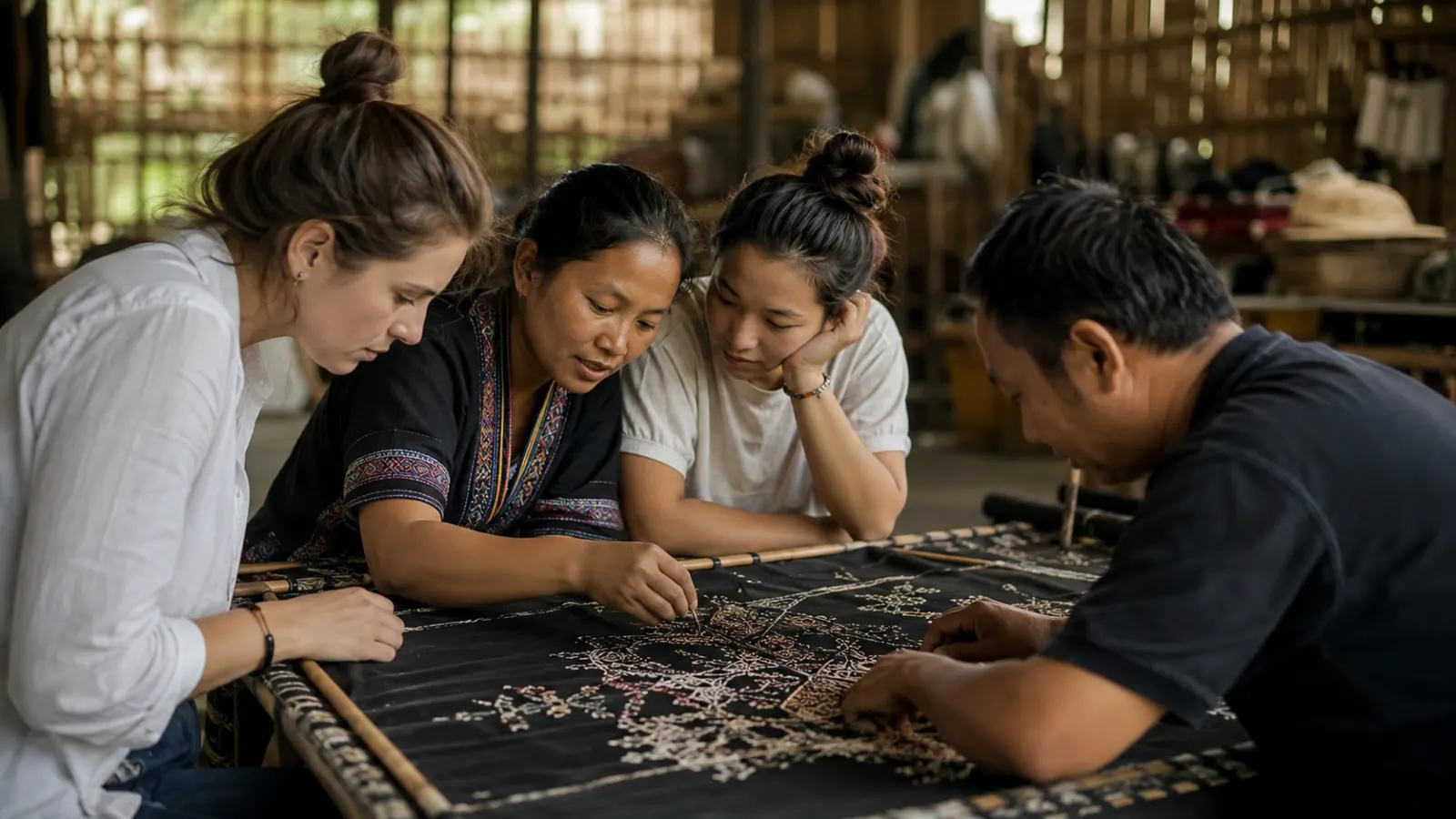
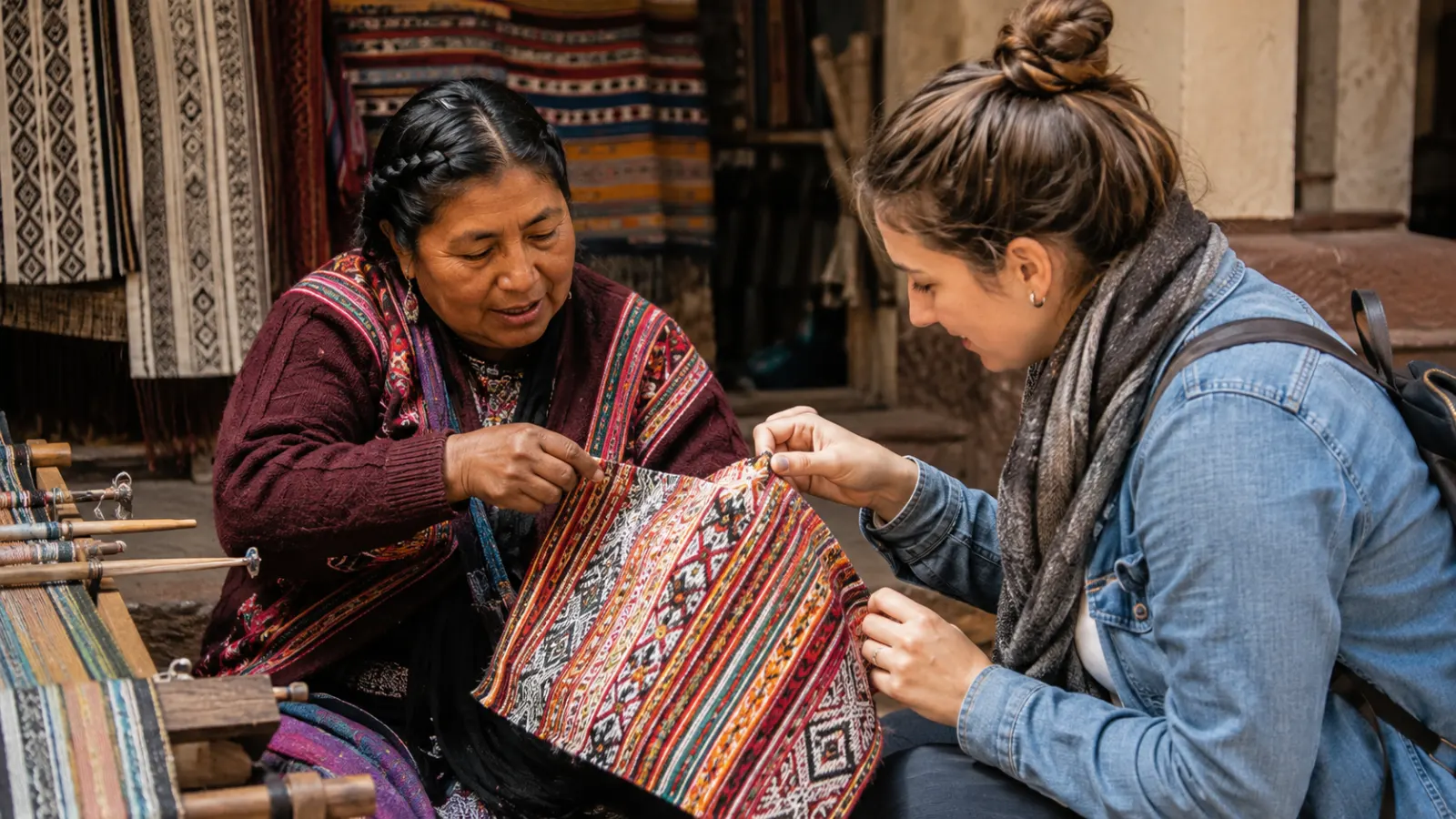
A Diverse Society Is Not Automatically Multiculturalist
A city can contain many languages, religions and ethnic communities while its institutions still expect everyone to conform to one dominant culture.
This distinction is the starting point for understanding multiculturalism.
Diversity describes who is present. Multiculturalism asks how institutions should respond to that diversity.
Two Meanings of Multiculturalism
In everyday language, multicultural can simply mean culturally diverse.
In political theory, multiculturalism usually refers to approaches that recognise cultural and religious differences and sometimes support specific forms of accommodation or group-differentiated rights.
The Stanford Encyclopedia of Philosophy places multiculturalism within debates over identity, recognition, equality and the treatment of minority groups.
Why Toleration May Not Be Enough
A society can formally tolerate a minority while structuring institutions around majority practices.
For example, public schedules, dress rules or language requirements may appear neutral while burdening some communities more than others.
Multicultural approaches ask whether equal citizenship sometimes requires accommodation rather than identical treatment.
Recognition Matters
Minority communities may want more than private freedom. They may seek recognition in school curricula, public media, cultural institutions and official narratives.
Recognition can correct the message that only one group's history represents the nation.
Canada Provides a Formal Policy Example
Canada adopted an official multiculturalism policy in 1971 and enacted the Canadian Multiculturalism Act in 1988.
The Act provides a legislative framework for promoting diversity, equality and inclusion while recognising multiculturalism as a feature of Canadian society.
Canada is one example, not a universal template.
Multiculturalism Is Not Cultural Segregation
A common criticism assumes multiculturalism means separate communities living without contact.
Most serious multicultural theories combine recognition of difference with participation in common institutions.
The political question is how much difference a shared civic order can accommodate without undermining equal rights.
Language Policy Is a Classic Test
Language affects education, government access, media and political participation.
A multicultural approach may support minority-language education or public services while maintaining one or more common administrative languages.
The design involves trade-offs between access, continuity and practical coordination.
Religion Creates Hard Cases
Religious minorities may seek exemptions from dress codes, time off for religious observance or the ability to operate schools and institutions.
Accommodation is not unlimited. Governments also have duties concerning equality, safety and the rights of children and other individuals.
Culture Is Not Above Human Rights
Multiculturalism is sometimes criticised for protecting harmful practices in the name of cultural respect.
That criticism is strongest when group authority conflicts with individual rights, especially those of women, children, dissenters or people who leave a tradition.
Modern multicultural frameworks generally operate within constitutional and human-rights limits.
Individuals Belong to More Than One Group
People can be simultaneously members of a religious community, profession, region, language group, generation and political movement.
Treating culture as a fixed box can hide this complexity.
Good policy protects freedom to participate in culture and freedom to reinterpret or reject it.
Multiculturalism and Immigration Are Related but Not Identical
Immigration can increase cultural diversity, but multiculturalism also concerns long-established minorities, Indigenous peoples and historically distinct communities.
A society can be culturally diverse without recent immigration.
Economic Equality Matters
Celebrating festivals and food is politically easy. Addressing discrimination in housing, employment, education or policing is harder.
Critics sometimes describe superficial multiculturalism as celebrating difference without changing unequal structures.
Recognition has limited value if minority citizens lack equal opportunity.
The Council of Europe Uses an Intercultural Approach
The Council of Europe's Intercultural Cities programme emphasises interaction, equal rights and the capacity of diverse groups to cooperate in shared institutions.
Interculturalism is sometimes presented as an alternative to multiculturalism because it stresses contact rather than parallel communities.
In practice, the two approaches can overlap.
Shared Citizenship Still Matters
A diverse society needs common rules for political disagreement.
Citizens may speak different languages at home or follow different religions while sharing constitutional rights, public institutions and civic responsibilities.
Multiculturalism works poorly when cultural identity becomes the only basis for political belonging.
Schools Carry the Debate Into Everyday Life
Curricula determine which histories children learn, which authors are considered canonical and how national identity is described.
A multicultural curriculum may broaden representation while still teaching shared civic institutions.
Public Space Is Another Test
Which religious symbols appear? Which languages are on signs? Which festivals receive municipal support?
These choices communicate who is considered part of the public.
Criticism One: It Can Freeze Groups
Policies designed around clearly defined cultural communities may unintentionally make identities look more fixed than they are.
Community leaders can gain authority to speak for people who disagree internally.
Criticism Two: It Can Weaken Common Identity
Some critics fear that strong recognition of group difference reduces solidarity and encourages citizens to organise only around subgroup interests.
Supporters respond that equal recognition can strengthen loyalty by making minorities feel that common institutions belong to them too.
Criticism Three: It Can Become Symbolic
Food festivals and cultural celebrations can coexist with structural discrimination.
A credible multicultural policy therefore requires equality before the law, anti-discrimination enforcement and access to institutions.
UNESCO Connects Diversity With Interaction
UNESCO's cultural-diversity framework does not treat cultures as sealed containers. It argues that cultural diversity is strengthened by exchange and interaction.
This is an important corrective to a static version of multiculturalism.
Multiculturalism Can Include Different Kinds of Claims
Not every minority seeks the same thing. Some communities want protection from discrimination; others seek language rights, religious accommodation, political representation or control over education and cultural institutions.
Indigenous peoples may make claims grounded in prior sovereignty and collective rights that differ from the claims of recent immigrants.
Equal Treatment and Equal Outcome Are Not the Same
A formally identical rule can have unequal effects. Scheduling every public examination on the same religious holiday burdens some students more than others.
Accommodation tries to correct such effects without creating an unlimited right to exemption from common law.
The Majority Has Culture Too
Multicultural debate sometimes treats minorities as cultural and the majority as neutral.
In reality, dominant language, holidays, school narratives, dress conventions and family norms are cultural choices that have become normalised through institutional power.
Interculturalism Emphasises Contact
The Council of Europe's intercultural approach argues that diversity works best when institutions create repeated interaction and equal participation rather than only recognising separate communities.
This addresses a real weakness in shallow multicultural policy: recognition without contact can leave social boundaries untouched.
Multiculturalism Needs Anti-Discrimination Enforcement
Cultural celebration cannot compensate for exclusion from housing, employment, education or public services.
The strongest case for multiculturalism therefore combines recognition with ordinary liberal protections: equal citizenship, due process, freedom of conscience and enforceable anti-discrimination rules.
Political Representation Matters
A society can celebrate cultural diversity while minority groups remain weakly represented in legislatures, public administration, media leadership and other decision-making institutions.
Representation does not require mechanical quotas in every system, but persistent exclusion raises questions about whether equal citizenship is functioning in practice.
Social Cohesion Is Not the Opposite of Diversity
Cohesion depends on trust, reciprocity and confidence in common institutions rather than on everyone sharing one ancestry or religion.
Policies can therefore support cultural difference while deliberately building cross-group institutions, neighbourhood contact and common civic experiences.
Multiculturalism Is Easier When Institutions Are Trusted
People are more willing to accept accommodation and difference when they believe courts, schools and public agencies apply rules fairly.
When institutional trust collapses, cultural claims are more easily interpreted as favouritism or threat.
Multiculturalism Is Not a Finished Settlement
Demography, migration, generational change and new social movements continually alter what recognition and accommodation require.
A policy that worked for one period may need revision later. Multiculturalism is therefore better understood as an ongoing democratic negotiation than a one-time institutional design.
Multiculturalism Is a Governance Question
The debate is not whether cultural diversity exists. In many societies, it is already a fact.
The question is how law, education, public services and political institutions should respond.
A workable multicultural order must protect difference without turning difference into permanent separation.
Its legitimacy depends on whether recognition and common citizenship reinforce rather than undermine one another.
What Multiculturalism Means
Multiculturalism is the idea that equal membership in a diverse society can include public recognition and accommodation of cultural difference rather than demanding total assimilation.
Its strongest form combines cultural freedom with individual rights, anti-discrimination and shared citizenship.
Its central challenge is balance: people need room to remain different while still possessing enough common institutions to live, argue and govern together.
Sources / Further Reading
• Stanford Encyclopedia of Philosophy — Multiculturalism — https://plato.stanford.edu/entries/multiculturalism/
• Government of Canada — About the Canadian Multiculturalism Act — https://www.canada.ca/en/canadian-heritage/services/about-multiculturalism-anti-racism/about-act.html
• Council of Europe — Intercultural Cities Programme — https://www.coe.int/en/web/interculturalcities
• UNESCO — Convention on the Diversity of Cultural Expressions — https://www.unesco.org/en/legal-affairs/convention-protection-and-promotion-diversity-cultural-expressions
• UNESCO — Cultural Diversity — https://www.unesco.org/en/query-list/c/cultural-diversity
Suggested Internal Links
• How Societies Become Diverse — Article 64
• The Melting Pot Idea — Article 65
• Appreciation or Appropriation? — Article 62
• Pluralism in Society — Article 24
• How Different Faiths Coexist — Article 26