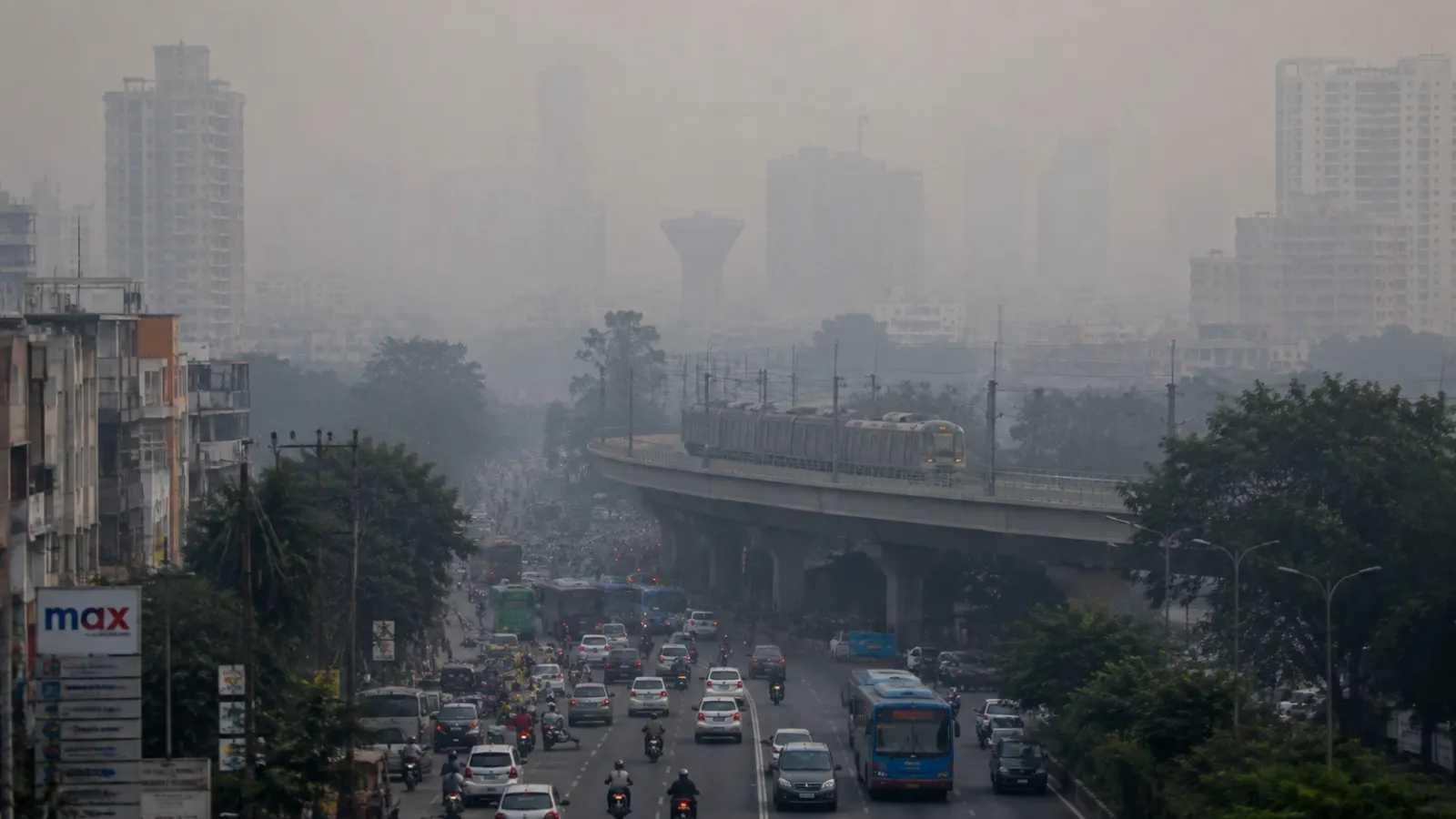
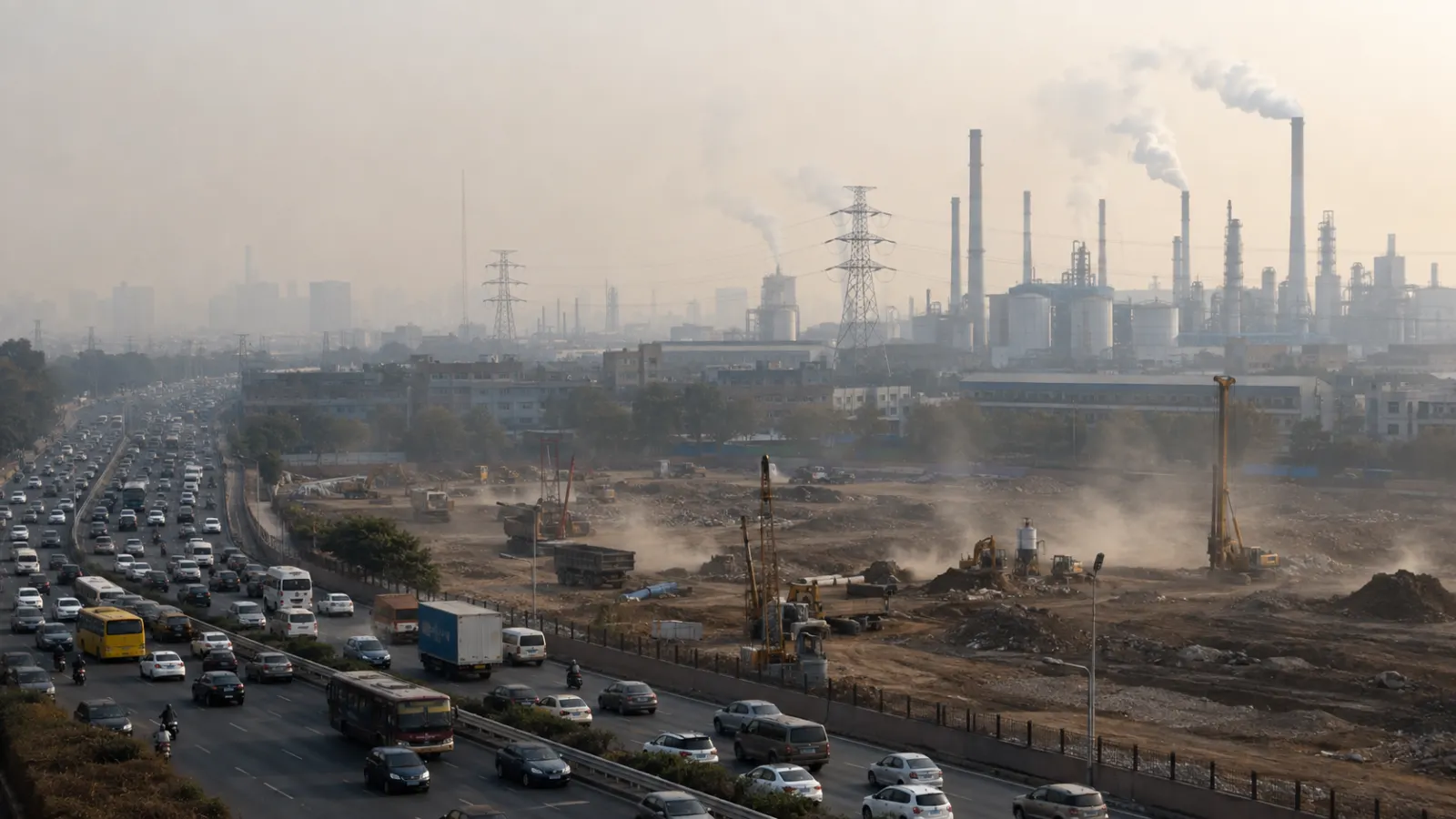
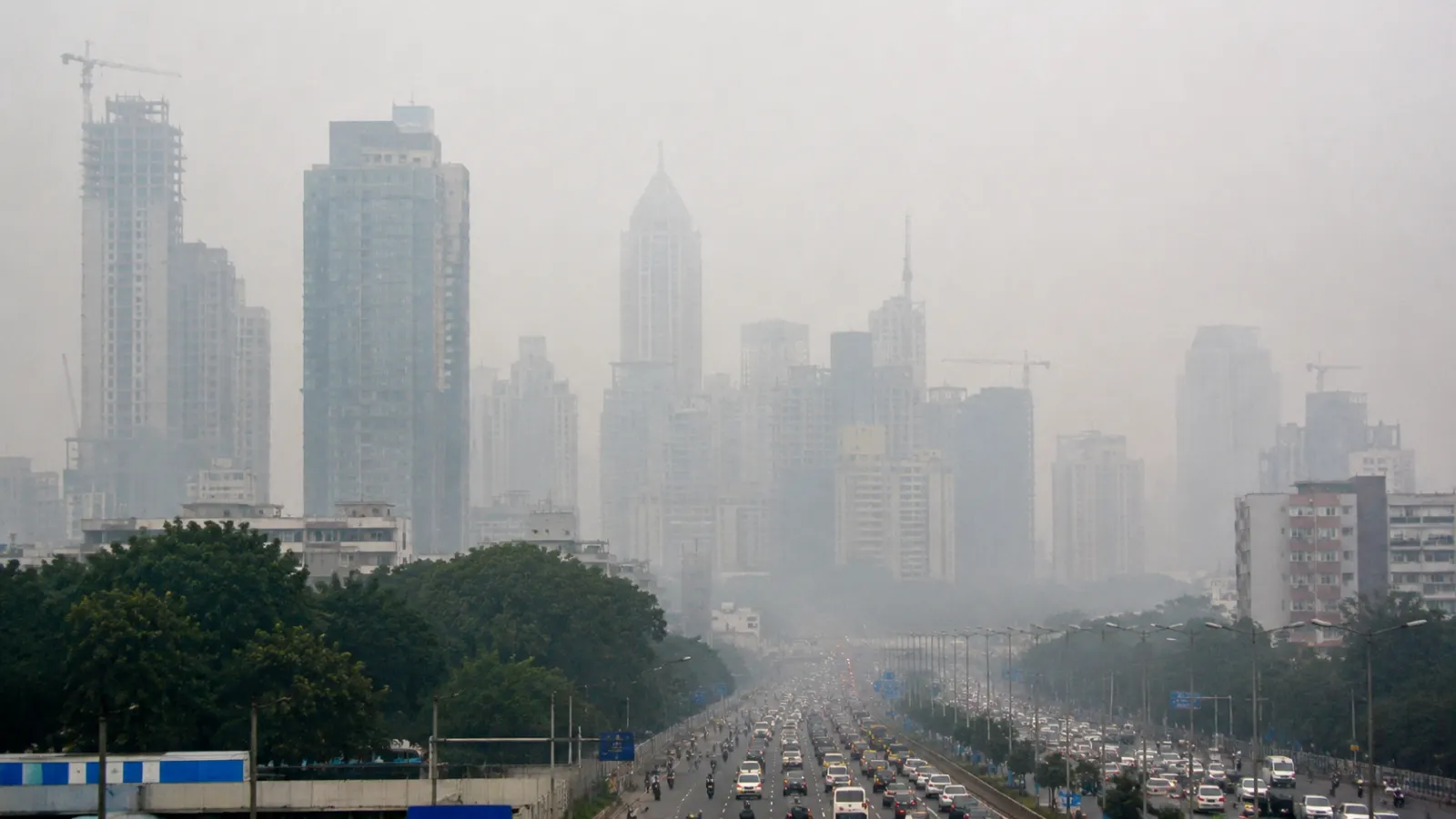
Air pollution is easy to imagine as a lung problem because breathing is the route of exposure. That is only the beginning. Fine particles and reactive gases can inflame airways, alter blood-vessel function, increase cardiovascular stress and contribute to disease processes across the body.
The World Health Organization treats air pollution as one of the major environmental threats to health. Its current guidance identifies particulate matter, ozone, nitrogen dioxide, sulfur dioxide and carbon monoxide among pollutants with well-established adverse effects. WHO estimates that the combined effects of ambient and household air pollution are associated with about 6.7 million premature deaths each year.
Those figures describe population burden, not individual destiny. Air pollution usually acts as one risk factor among many. The scientific question is whether exposure changes the probability of illness across large populations, and for several major diseases the evidence is strong.
What people actually breathe
Air pollution is a mixture. Fine particulate matter may contain soot, sulfates, nitrates, organic compounds, metals and other material. Ozone is a reactive gas formed in the atmosphere. Nitrogen dioxide is strongly associated with combustion sources such as traffic. Carbon monoxide interferes with oxygen transport in the blood. Sulfur dioxide can irritate the respiratory system and contribute to particle formation.
Because people inhale mixtures, separating the effect of one pollutant from another can be difficult. Pollutants often share sources and rise together. Epidemiology uses large datasets, exposure models and statistical methods to estimate independent and combined effects, while toxicology and controlled-exposure research investigate biological mechanisms.
This mixture perspective is important. “Air pollution” is not one toxic substance with one dose-response curve; it is a public-health category covering multiple hazards.
The lungs: the first point of contact
Ozone and other reactive gases contact the lining of the respiratory tract directly. Ozone can cause airway inflammation, coughing, throat irritation, chest discomfort and reduced lung function, particularly during exercise when breathing becomes deeper and faster. People with asthma can experience exacerbations at elevated ozone levels.
Particles behave differently according to size. PM10 can enter the respiratory system, while PM2.5 can penetrate deep into the lungs. EPA links particle pollution with aggravated asthma, reduced lung function and increased respiratory symptoms. Children are of particular concern because their lungs are still developing and they often spend more time active outdoors.
Long-term pollution exposure is also associated with chronic respiratory disease. WHO includes chronic obstructive pulmonary disease among the major outcomes contributing to the global air-pollution burden.
Why the heart and blood vessels are involved
The cardiovascular effects can be less intuitive. Inhaled fine particles do not need to physically coat the heart to influence it. Lung inflammation can trigger systemic inflammatory responses, oxidative stress and changes in autonomic nervous-system function. Some very small particle components can also reach the circulation.
EPA reviews link particulate matter exposure with nonfatal heart attacks, irregular heartbeat and premature death among people with heart or lung disease. WHO attributes a large share of air-pollution mortality to ischaemic heart disease and stroke rather than to respiratory disease alone.
This changes the public image of dirty air. A pollution episode is not merely a problem for people who wheeze. It can increase risk among people with cardiovascular disease even when respiratory symptoms are not dramatic.
Cancer and long-term exposure
Long-term exposure matters because disease develops over years. Outdoor air pollution and particulate matter have been classified by the International Agency for Research on Cancer as carcinogenic to humans, with lung cancer the clearest cancer outcome in the evidence base. WHO includes lung cancer among major diseases attributable to air pollution.
The risk to any one person depends on cumulative exposure alongside smoking, occupational hazards, genetics and other factors. Air pollution should therefore neither be minimised nor used to explain every lung-cancer case.
Population prevention works by shifting risk downward across millions of people. Even a modest reduction in individual risk can produce a large public-health benefit when exposure is nearly universal.
Short-term exposure versus chronic exposure
Air pollution can act on several time scales. During a wildfire, dust episode or stagnant smog event, concentrations may rise sharply for hours or days. Studies observe increases in asthma attacks, respiratory symptoms, cardiovascular events and hospital visits around some high-pollution periods.
Chronic exposure is different. Living for years in an area with elevated PM2.5 or repeatedly breathing household smoke can contribute to the development or progression of disease. Long-term risk is why annual average standards and sustained emissions reductions matter even when most individual days do not look extreme.
These two exposure patterns also require different communication. AQI alerts are designed mainly for short-term decisions. Long-term exposure reduction depends on structural changes to transport, energy, industry, housing and urban design.
Household air pollution remains a major global risk
Air pollution is not only an outdoor urban problem. WHO estimated in 2025 that around 2.1 billion people still cook using open fires or inefficient stoves fuelled by kerosene, biomass or coal. The resulting household air pollution was associated with an estimated 2.9 million deaths in 2021.
Exposure can be especially high for people who spend long periods near cooking areas, often women and young children in many settings. Smoke from household fuels also contributes to outdoor pollution in some communities.
Access to clean cooking is therefore both a development and health intervention. Cleaner fuels, electricity, well-designed stoves and ventilation can substantially reduce exposure, although technology must be affordable and reliably available to produce durable benefits.
Who is most vulnerable
Vulnerability combines biology and exposure. Children breathe more air relative to body size, have developing lungs and may spend substantial time outdoors. Older adults are more likely to have cardiovascular or respiratory disease. People with asthma, COPD, heart disease or diabetes may experience larger effects at a given pollution level.
Pregnancy is another period of concern because air-pollution research has linked exposure with adverse maternal and birth outcomes, though the strength of evidence varies by pollutant and outcome. Occupational exposure also matters for traffic police, street vendors, construction workers and others who spend long hours near pollution sources.
Social inequality shapes risk as well. Lower-income communities may live closer to roads, industrial facilities or waste burning, have less access to healthcare, and be less able to avoid outdoor work during pollution episodes. Air pollution is therefore also an environmental-justice issue.
What does “safe” air mean?
Air-quality guidelines are health-based targets, not a magical line below which all risk disappears. For pollutants such as PM2.5, epidemiological evidence indicates health effects across a range of concentrations. WHO guidelines are designed to help governments reduce exposure toward levels associated with lower risk.
National legal standards may differ from WHO guideline values because governments consider scientific evidence alongside regulatory processes, feasibility and national circumstances. A legally compliant concentration is therefore not necessarily equivalent to zero health risk.
This is another reason AQI categories should be interpreted as communication tools rather than absolute biological boundaries.
What individuals can and cannot do
During high-pollution episodes, people can reduce exposure by checking official air-quality information, changing the timing or intensity of outdoor exercise, avoiding heavy traffic corridors where practical and following public-health advice. During smoke events, creating cleaner indoor air and using appropriate respirators when recommended can reduce inhaled particles.
But personal protection has limits. Children cannot choose the emissions standard for buses outside their school. Outdoor workers may not be free to stop working. Households cannot filter away all regional pollution forever.
The largest health gains come from cleaner systems: low-emission transport, clean electricity and household energy, industrial controls, better waste management, dust control and urban policies that reduce exposure at source.
Clinicians and public-health agencies also have a role in translating population evidence into practical advice. People with severe asthma, cardiovascular disease or other conditions may need individual guidance on activity during pollution episodes. Schools, care homes and employers can use air-quality forecasts to adjust schedules. These interventions matter because exposure is partly determined by where people spend time, not only by the concentration measured at a central monitor.
At the research level, improved personal sensors, satellite observations and exposure models are helping scientists estimate pollution more precisely. Better exposure assessment reduces uncertainty about which populations face the greatest burden and which policies deliver the largest health gains.
The takeaway
Air pollution begins as an environmental exposure and becomes a whole-body health issue. The respiratory system receives the first contact, but cardiovascular disease, stroke, chronic lung disease and lung cancer account for much of the global mortality burden.
Risk is shaped by pollutant type, concentration, duration, breathing rate, age, existing disease and social conditions. That complexity should make communication more precise, not less urgent.
Clean air is not only an environmental objective. It is preventive healthcare delivered at population scale.
Sources / Further Reading
• World Health Organization — Ambient (outdoor) air pollution: https://www.who.int/news-room/fact-sheets/detail/ambient-(outdoor)-air-quality-and-health
• World Health Organization — Household air pollution: https://www.who.int/news-room/fact-sheets/detail/household-air-pollution-and-health
• World Health Organization — Exposure to health damaging air pollutants: https://www.who.int/publications/i/item/B09461
• U.S. Environmental Protection Agency — Health and Environmental Effects of Particulate Matter: https://www.epa.gov/pm-pollution/health-and-environmental-effects-particulate-matter-pm
• U.S. Environmental Protection Agency — Ground-level Ozone Basics: https://www.epa.gov/ground-level-ozone-pollution/ground-level-ozone-basics
Suggested Internal Links
• What Is Particulate Matter — Planned internal link
• Understanding the Air Quality Index — Planned internal link
• What Is Smog and How It Forms — Planned internal link
• Understanding the Sources of Air Pollution — Planned internal link
• What Is the Connection Between Health and Environment — Planned internal link