Back pain is common because the back does many jobs
The spine supports the body, protects the spinal cord, allows movement and transfers force between the upper and lower body.
Its muscles and ligaments stabilise those movements. Discs provide spacing and cushioning. Nerves travel through and around the spine.
With so many structures sharing load, back pain can arise through several pathways.
NIAMS notes that mechanical or structural problems may involve muscles, tendons, ligaments, discs, vertebrae or compressed nerves. Inflammatory disorders, osteoporosis, kidney disease, infection, pregnancy and other medical conditions can also produce back pain.
And sometimes no single specific cause can be identified.
That uncertainty is not evidence that the pain is imaginary. It reflects the complexity of pain biology and the fact that common back pain often involves several interacting factors.
Acute, subacute and chronic pain are different time frames
NIAMS classifies acute back pain as lasting from a few days to a few weeks, subacute pain as lasting four to twelve weeks, and chronic pain as lasting longer than twelve weeks.
Duration matters because management changes with time.
A sudden strain after lifting may improve as irritated tissues settle and movement returns. Chronic pain may involve persistent mechanical sensitivity, reduced conditioning, sleep disruption, fear of movement, work stress and changes in how the nervous system processes pain.
Longer-lasting pain therefore often needs a broader rehabilitation strategy than simply waiting for one injured tissue to ‘heal.’
A painful back does not always contain a dangerous injury
Back pain can be severe even when there is no fracture, tumour or major nerve injury.
Muscles can become painful after unusual load. Facet joints can become irritated. Discs can produce pain without severe nerve compression. Pain can also become amplified when sleep is poor or when someone becomes afraid to move after an episode.
The intensity of pain is therefore not a reliable measure of structural damage.
That is clinically useful because many painful episodes improve with time, gradual activity and symptom management rather than surgery.
Disc changes are common
Intervertebral discs change with age.
Some discs lose water content, become thinner or bulge. These changes can appear on imaging even in people without pain.
A herniated disc becomes more clinically important when it irritates or compresses a nerve, producing radiating leg pain, numbness or weakness.
The lesson is not that scans are meaningless. It is that imaging findings must be interpreted alongside symptoms and examination.
A structural change on MRI is evidence of anatomy, not automatically proof of the pain source.
Sciatica is a nerve symptom pattern
Sciatica commonly refers to pain that travels from the lower back or buttock down a leg because a spinal nerve root is irritated.
A herniated disc is one possible cause. Spinal stenosis is another.
People may also experience tingling, numbness or weakness.
The distribution and neurological findings help clinicians decide whether nerve involvement is likely and whether further testing is needed.
Severe or progressive weakness needs faster assessment than ordinary muscular soreness.
When imaging is useful
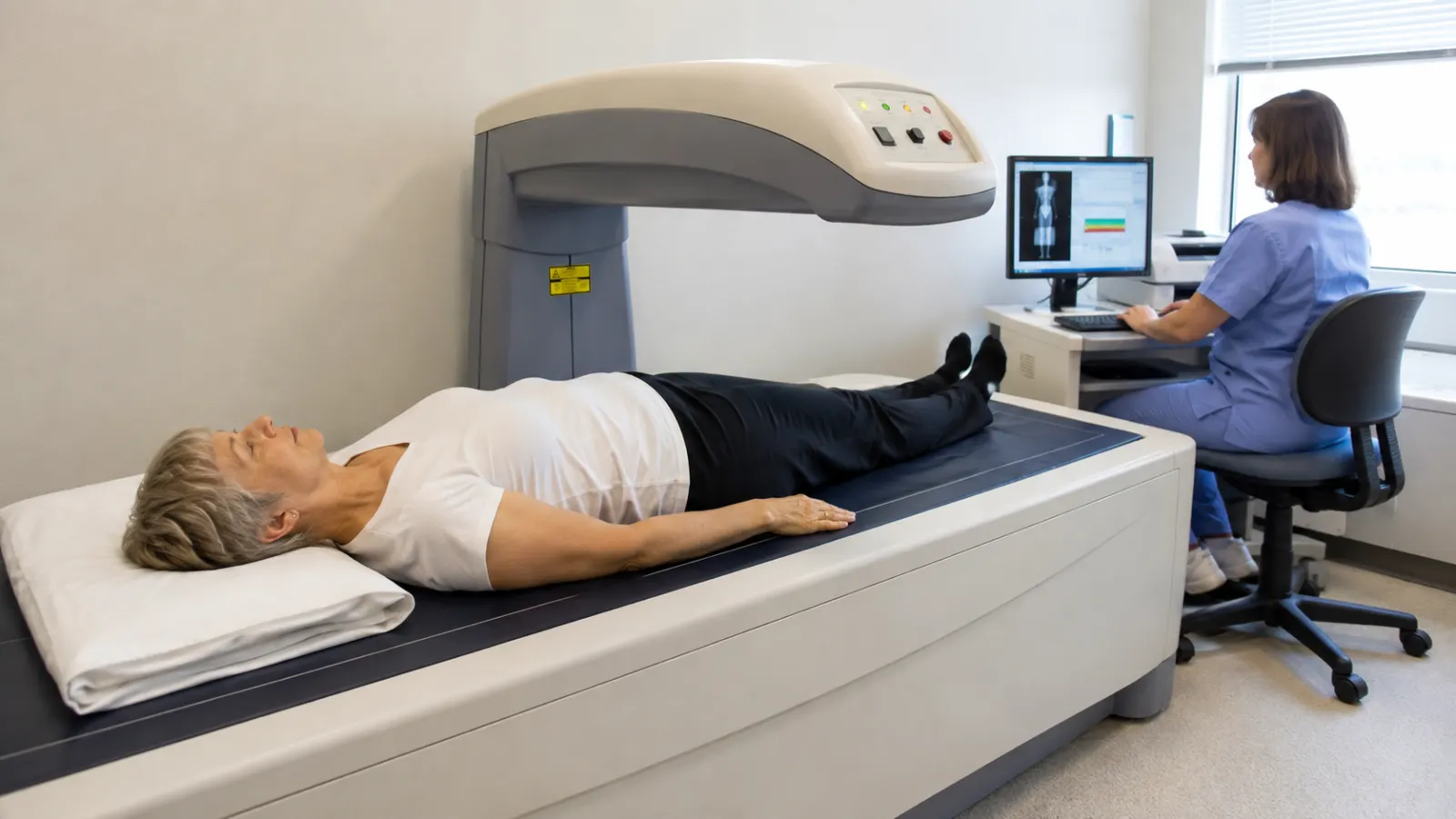
X-rays can show fractures, alignment and degenerative bone changes. MRI can show discs, ligaments, nerves and other soft tissues.
Imaging is valuable when the clinical history suggests fracture, infection, tumour, serious nerve compression or another condition that would change management.
For uncomplicated back pain, immediate imaging may not add useful information.
A scan should answer a clinical question, not simply reassure a person that every painful structure has been photographed.
Bed rest usually makes recovery harder
Older back-pain advice often recommended lying down until the pain disappeared.
NIAMS now advises avoiding bed rest and gradually increasing physical activity as tolerated.
Short periods of reduced activity may be reasonable when movement is very painful, but prolonged inactivity can reduce strength, stiffness tolerance and confidence.
The goal is to stay as active as the condition safely allows rather than waiting for zero pain before moving again.
Exercise is treatment, not punishment
Exercise can reduce chronic back pain and improve function.
The exact programme may include walking, general strengthening, trunk endurance, mobility or task-specific rehabilitation.
There is no one magical ‘core’ exercise that fixes every back.
A physiotherapist can help when pain persists, movement feels unsafe or work and daily activities need modification.
Progress should be gradual. A deconditioned person who suddenly performs high-volume training can worsen symptoms even though exercise is beneficial overall.
Sleep and stress can change pain severity
NIAMS notes that poor sleep, depression and anxiety are associated with more frequent and more severe back pain.
That does not mean pain is ‘psychological.’
Pain is produced by the nervous system in response to information from tissues, emotions, expectations and context. Sleep loss can increase pain sensitivity. Stress can increase muscle tension and reduce recovery. Fear can reduce movement and create deconditioning.
Treating these factors can therefore be part of legitimate pain management rather than a dismissal of physical symptoms.
Medicines can help, but they are not the entire plan
Pain relievers and anti-inflammatory medicines can reduce symptoms for some people. Other medicines are used in selected cases of nerve pain or muscle spasm.
Benefits and risks depend on the drug, dose, age and medical history.
Medication is usually most useful when it helps a person sleep, move and participate in rehabilitation.
Long-term reliance on stronger pain medicines without a functional recovery plan can create additional problems.
Surgery is for selected causes
Most back pain does not require surgery.
NIAMS notes that surgery may be considered when non-surgical treatment has not helped and there is a specific structural problem that surgery can reasonably address.
Examples include some cases of spinal stenosis, unstable vertebral problems or persistent nerve compression from a herniated disc.
Surgery is therefore diagnosis-specific, not a general treatment for chronic back pain.
Red flags should change the response
Medical assessment is especially important when back pain follows significant trauma, is associated with fever or unexplained weight loss, or occurs with progressive weakness, numbness or difficulty urinating.
Sudden loss of bladder or bowel control, numbness in the saddle area or rapidly worsening leg weakness can signal severe nerve compression and requires urgent care.
These symptoms are uncommon, but they are important precisely because ordinary self-care is not enough.
Back pain can come from outside the spine
Pain felt in the back does not always originate in the spine or back muscles.
Kidney stones, kidney infection, pelvic conditions and other internal disorders can refer pain to the back. Pregnancy can also alter mechanical load and contribute to symptoms.
This is another reason clinical history matters. Fever, urinary symptoms, abdominal symptoms or other systemic signs change the likely diagnosis.
A back-pain exercise programme cannot treat a kidney infection.
Return to work can be part of rehabilitation
For many cases of uncomplicated back pain, remaining connected with normal activities is useful.
Work may need temporary modification: lighter lifting, more frequent breaks, shorter shifts or different tasks.
A complete absence from activity is not always necessary and can sometimes contribute to deconditioning.
Return-to-work planning should reflect the actual diagnosis and job demands rather than a generic rule that everyone with back pain must either work normally or remain at home.
Why recurrence does not always mean reinjury
Back pain often comes and goes.
A person may recover from an episode, feel well for months and then experience pain again after unusual activity, poor sleep, illness or a period of inactivity.
Recurrence does not automatically mean that the spine has been newly damaged. Some people remain more sensitive to particular loads after a previous episode, and the same biological and behavioural factors can reappear.
This is useful because it changes the response from panic to assessment: identify whether the new episode behaves like the old one, check for red flags and gradually restore activity when appropriate.
Recovery is usually about restoring function
The most useful question in back pain is often not ‘What does the scan show?’
It is: can the person sleep, walk, work, bend, lift and return to normal activity safely?
For many people, recovery comes from reassurance, gradual movement, exercise, appropriate pain relief and time. Others need targeted treatment for nerve compression, inflammatory disease, fracture or another identified cause.
Back pain is not one disease.
Good care begins by recognising which kind of problem is present—and resisting the temptation to treat every painful back as either a damaged spine or merely poor posture.
Medical Note
This article provides general health information and is not a substitute for individual medical or eye-care advice. Persistent, severe, sudden or neurologically significant symptoms should be assessed by an appropriately qualified healthcare professional.
Sources / Further Reading
NIAMS — Back Pain: Symptoms, Types and Causes
NIAMS — Back Pain: Diagnosis, Treatment and Steps to Take
Suggested Internal Links
Good Posture — This batch
Why Sitting Too Long Harms Health — This batch
Joint Health and Arthritis — Batch 11
Strength Training at Any Age — Batch 4
Approximate article body word count: 1,395