How to Keep Your Bones Healthy: Strength, Nutrition and Fracture Prevention
Bones can look permanent because the skeleton changes slowly, but biologically bone is living tissue. Throughout life, old or damaged bone is broken down while new bone is formed in a process called remodelling. Bone also stores minerals, particularly calcium, and works with muscles to support movement while protecting organs and housing bone marrow. This constant turnover explains why bone health can improve or deteriorate over time—and why preventing osteoporosis begins decades before the age when fractures usually become most visible.
The most useful way to think about bone health is across the entire lifespan. Childhood and adolescence are the major years for building bone. Adulthood is largely about protecting the bone already accumulated while continuing to respond to physical loading. Later life adds another priority: preventing falls and fractures. Calcium and vitamin D matter, but neither nutrient works alone. Muscle strength, resistance and weight-bearing exercise, protein and overall nutrition, hormones, medications, smoking, alcohol use, medical conditions and fall risk all influence whether a skeleton remains strong.
Bone Is Constantly Being Renewed
Bone remodelling is carried out by specialised cells. Osteoclasts remove old bone, while osteoblasts produce new bone. During childhood and adolescence, formation generally exceeds breakdown, allowing bones to grow larger and denser. Later in adulthood, the balance becomes less favourable and eventually more bone may be removed than replaced.
This is one reason osteoporosis is not simply a problem of “not enough calcium.” Osteoporosis develops when bone mass, mineral density or structural strength deteriorates enough to increase fracture risk. Because this process can progress without obvious symptoms, osteoporosis is often described as a silent disease: for some people, the first clear sign is a fracture.
Peak Bone Mass Is Built Early
NIAMS notes that most people reach their greatest amount of bone tissue—their peak bone mass—by the mid- to late twenties. Genetics plays an important role in determining that peak, but nutrition, hormones, physical activity and health during growth also influence how much bone is accumulated.
Peak bone mass can be thought of as skeletal reserve. Someone who enters adulthood with a stronger skeleton generally has more bone available before age-related losses become clinically important. That is why childhood, adolescence and young adulthood deserve far more attention in discussions of osteoporosis prevention. A teenager is unlikely to be thinking about hip fractures at 75, but the skeleton being built during those years becomes part of the person’s long-term fracture risk.
This also explains why bone-health advice changes with age. During growth, the priority is to build as much healthy bone as possible. In middle adulthood, the goal is to maintain strength and minimise avoidable loss. In later life, preserving bone remains important, but preventing falls, maintaining muscle and identifying osteoporosis become increasingly significant.
Bones Respond to Mechanical Loading
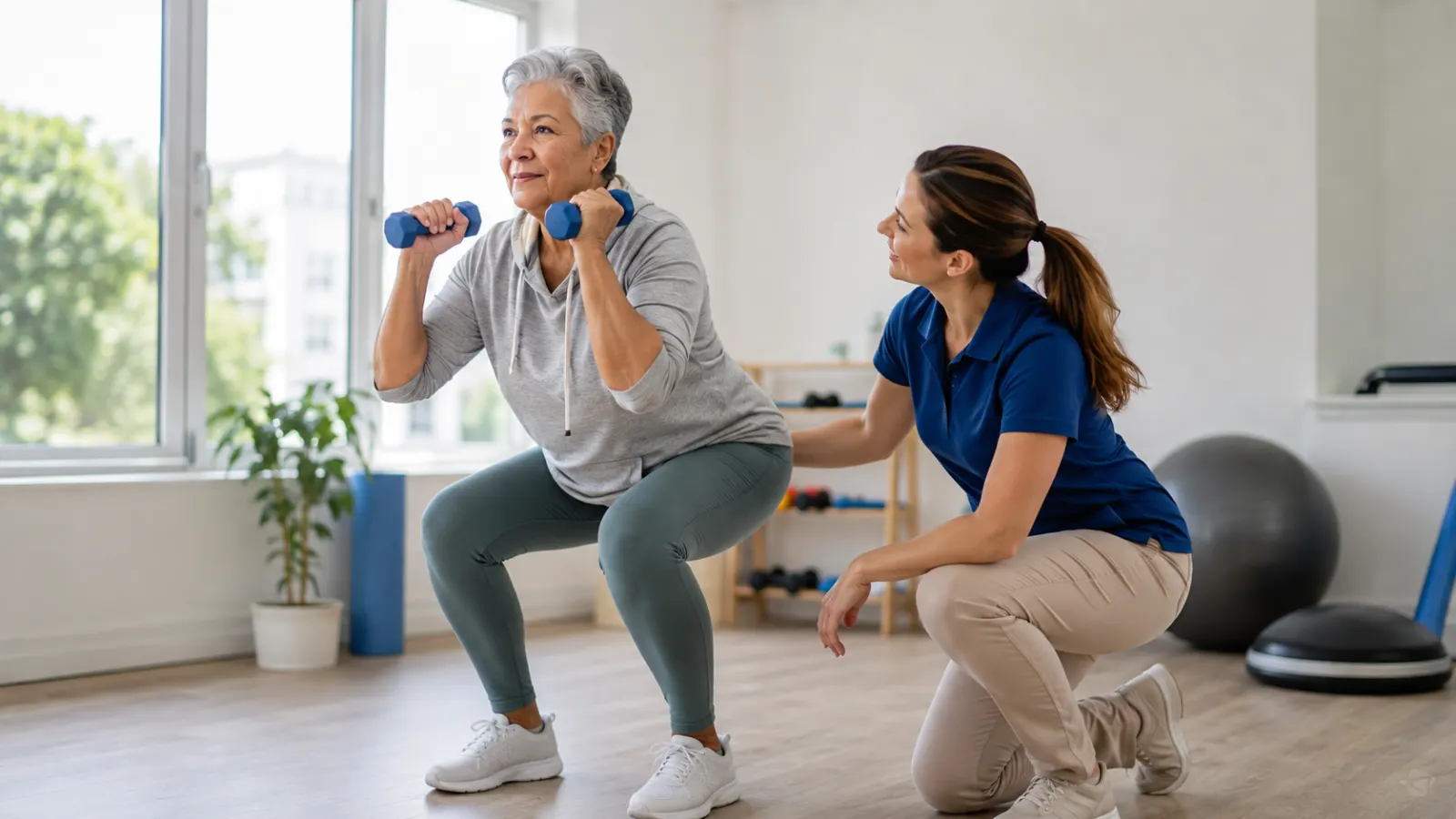
Bone adapts to force. Weight-bearing activity places stress through the skeleton, while resistance exercise creates force through muscle contraction. NIAMS recommends both because they support bone strength and help reduce bone loss. Examples of weight-bearing exercise include brisk walking, running, dancing, stair climbing and racket sports; resistance training can involve weights, resistance bands or body-weight exercises.
The response is partly site-specific: bones that regularly experience loading receive a stronger mechanical signal. This is why different forms of exercise do not affect the skeleton equally. Swimming and cycling are excellent cardiovascular activities and can improve fitness substantially, but because the body is relatively supported, they generally provide less weight-bearing skeletal stimulus than activities performed against gravity.
That does not make low-impact exercise useless for bone health. A balanced programme can combine cardiovascular activity with resistance and weight-bearing exercise, especially when joint disease or other limitations make high-impact activity unsuitable.
Muscle Protects Bone Twice
Strong muscles support bones directly because muscle contractions create mechanical loading. They also protect bones indirectly by improving balance, stability, mobility and the ability to recover from a trip or misstep.
This becomes increasingly important with age. A fracture occurs when a bone is exposed to enough force to break, so fracture prevention depends not only on bone density but also on whether a person falls in the first place. NIAMS specifically recommends balance training for older adults alongside weight-bearing and muscle-strengthening activity.
Strength training therefore has a role far beyond appearance or athletic performance. Maintaining muscle helps protect independence as well as bone.
Calcium Provides Building Material
Calcium is the most abundant mineral in the body, and almost all of it is stored in bones and teeth. It contributes to skeletal structure but is also required for functions including muscle contraction and nerve signalling. Because blood calcium must remain within a tightly controlled range, inadequate dietary calcium can lead the body to draw calcium from its skeletal stores.
Calcium needs differ according to age and sex. NIH reference values for adults are generally 1,000 mg per day for ages 19–50, 1,200 mg for women over 50 and adults over 70, while men aged 51–70 remain at 1,000 mg. Recommendations can differ somewhat among national health systems, so these values are useful reference points rather than universal prescriptions.
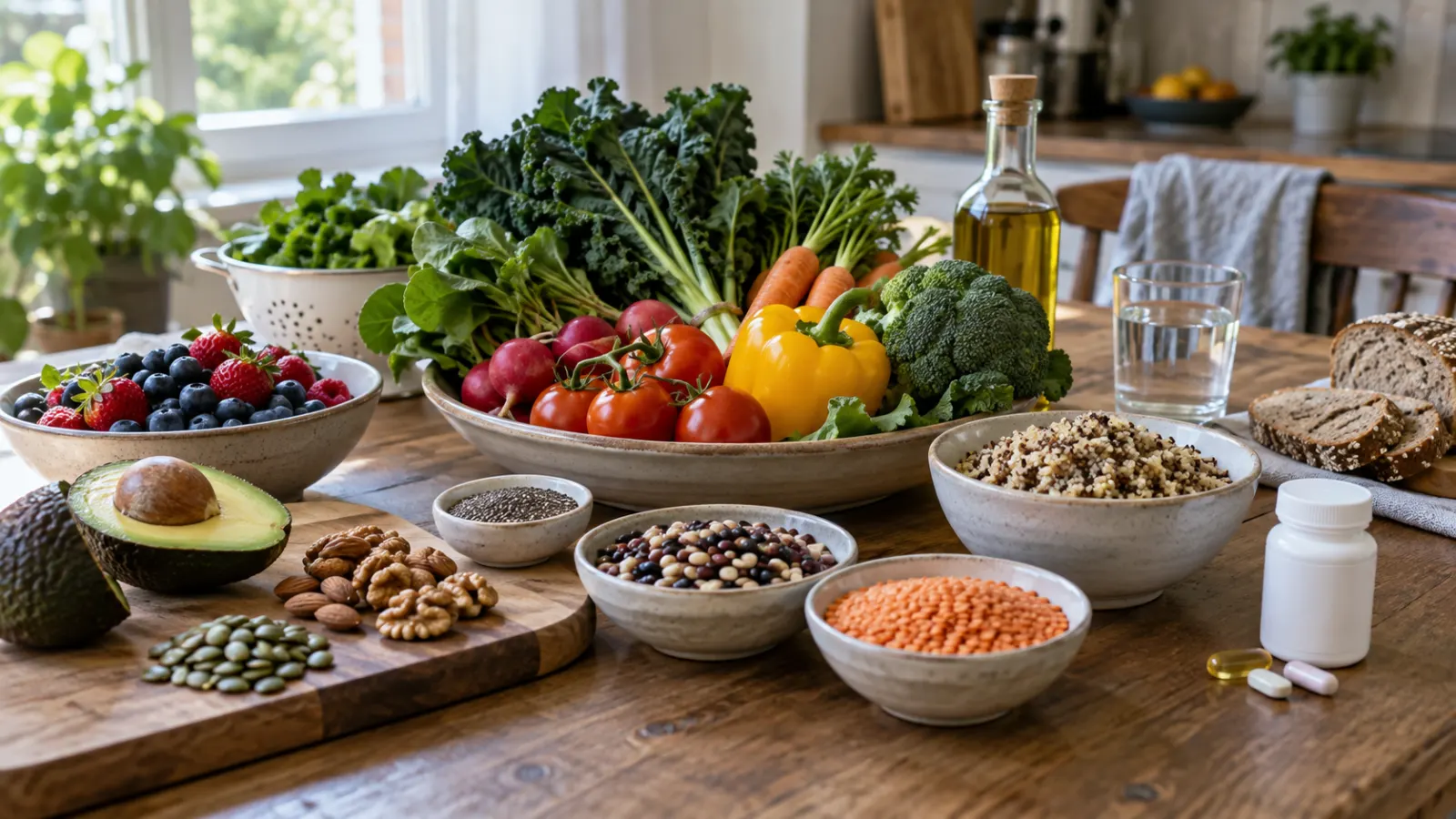
Food sources include dairy products, calcium-set tofu, some leafy greens, fortified foods and small fish eaten with their bones, such as sardines or canned salmon. Supplements may be useful when dietary intake is inadequate, but more is not automatically better. Supplement decisions are best based on actual dietary intake, medical history and professional advice rather than the assumption that everybody needs a calcium tablet. Evidence that routine supplementation prevents fractures in otherwise community-dwelling older adults is not as simple or consistent as supplement marketing can imply.
Vitamin D Helps the Body Use Calcium
Vitamin D supports intestinal calcium absorption and helps maintain calcium balance. Severe deficiency can impair bone mineralisation; in children this can contribute to rickets, while adults can develop osteomalacia. Vitamin D also has important roles in muscle function, which indirectly matters for fall prevention.
NIH reference intakes are generally 600 IU (15 micrograms) daily for people aged 1–70 and 800 IU (20 micrograms) for adults older than 70. Individual needs can differ, particularly in people with deficiency, malabsorption, limited sun exposure or medical conditions affecting vitamin D metabolism.
Vitamin D should therefore be viewed as part of the bone-health system rather than a stand-alone solution. Taking large amounts without a clinical reason is not equivalent to building stronger bones.
Bone Needs More Than Calcium and Vitamin D
Bone contains a mineral component that provides rigidity and a collagen-rich protein matrix that contributes to structure and resilience. Good bone health therefore depends on adequate overall nutrition, not simply hitting calcium and vitamin D targets.
NIAMS includes sufficient protein and a nutritionally adequate diet among the foundations of osteoporosis management and prevention. Severe energy restriction, low protein intake and eating disorders can all contribute to skeletal problems.
This is particularly important at the two ends of the lifespan. Growing children and teenagers require enough energy and nutrients to build bone, while older adults may experience reduced appetite at the same time that preserving both muscle and bone becomes increasingly important.
A “bone-healthy diet” is therefore better understood as a balanced, nutritionally adequate diet containing sufficient calcium, vitamin D and protein rather than a menu organised around one supposedly magical food.
Hormones Strongly Influence Bone
Sex hormones are major regulators of skeletal metabolism. After menopause, declining estrogen levels can accelerate bone loss, which is one reason osteoporosis becomes substantially more common in older women. Men also lose bone with age, while low testosterone or other hormonal disorders can increase osteoporosis risk.
Thyroid and other endocrine disorders can affect bone metabolism as well. This means unexpectedly rapid bone loss should not automatically be treated as a lifestyle failure. In some cases, it can signal an underlying health condition requiring diagnosis and treatment.
The same principle applies to younger people with absent menstrual periods associated with hormonal disorders, very low energy intake or extreme exercise. Bone health is closely connected to overall endocrine and nutritional health.
Medicines Can Affect Bone Strength
Long-term glucocorticoid treatment is a well-established osteoporosis risk, but it is not the only medication-related issue. NIAMS also identifies certain antiseizure medicines, some cancer therapies, proton-pump inhibitors, selective serotonin reuptake inhibitors and some diabetes treatments among medications associated with increased bone-loss risk in particular circumstances.
This does not mean someone should stop a prescribed medicine because it appears on an osteoporosis-risk list. The health condition being treated may be far more dangerous than the potential skeletal effect, and treatment decisions require consideration of dose, duration and individual risk.
The practical lesson is different: people taking medicines known to affect bone—particularly long-term glucocorticoids—should discuss bone protection and appropriate assessment with their clinician.
Medical Conditions Can Increase Osteoporosis Risk
Chronic inflammatory disease, gastrointestinal and malabsorption disorders, kidney disease, endocrine conditions, some cancers, HIV/AIDS, eating disorders and prolonged inactivity can all affect bone directly or indirectly.
This is why generic advice such as “drink milk and exercise” is inadequate for someone with major medical risk factors. Secondary osteoporosis—bone loss associated with another disease or medication—may require treatment of the underlying cause as well as specific bone-directed care.
A fracture occurring after very minor trauma, particularly in an adult with medical risk factors, deserves clinical attention rather than being dismissed as simple bad luck.
Smoking and Heavy Alcohol Use Matter
Smoking is associated with poorer bone health and increased osteoporosis and fracture risk. Chronic heavy alcohol use is also an established skeletal risk factor and can increase the likelihood of falls as well as interfere with bone health.
These effects matter because bone health is cumulative. Smoking or harmful alcohol use may operate for years alongside ageing, hormonal changes, reduced activity or poor nutrition.
Reducing these exposures can therefore improve several health risks simultaneously rather than acting only on the skeleton.
Bone Density Is Important—but It Is Not the Whole Fracture Story
Bone mineral density is one of the major tools used to assess skeletal strength and diagnose osteoporosis, most commonly through a central dual-energy X-ray absorptiometry scan, usually called DXA or DEXA.
But density alone does not completely determine fracture risk. Age, previous fractures, family history, medication use, medical conditions and the likelihood of falling all affect the probability that a person will break a bone.
Two people with similar bone-density measurements can therefore have meaningfully different fracture risks.
The clinical question is not merely, “What is the T-score?” It is, “How likely is this person to fracture, and what can realistically reduce that risk?”
When Should Bone-Density Screening Be Considered?
Screening recommendations differ among countries and medical organisations. In the United States, the USPSTF’s current recommendation is to screen women aged 65 or older for osteoporosis and to screen postmenopausal women younger than 65 when clinical risk assessment indicates increased fracture risk. For men, the USPSTF currently concludes that evidence is insufficient to determine the balance of benefits and harms of population screening, so individual clinical judgment is required.
These recommendations apply to population screening and should not be confused with evaluation of someone who already has a fragility fracture or another major bone-health concern. A clinician may investigate earlier when medical history, long-term steroid use or other risk factors justify it.
Anyone who has sustained a fracture after relatively minor trauma, experienced significant unexplained height loss or has major osteoporosis risk factors should discuss appropriate evaluation with a healthcare professional rather than waiting for a routine age-based screening threshold.
A Previous Fragility Fracture Changes the Conversation
A broken bone after a relatively minor fall can be more than an isolated accident. In older adults, it may be a warning that underlying bone strength is impaired.
That matters because one fracture can increase concern about future fractures. Evaluation after such an event may include bone-density testing, medication review, nutritional assessment, fall-risk evaluation and, when indicated, osteoporosis treatment.
Fracture prevention therefore should not stop when the cast comes off.
The first fracture can be an opportunity to prevent the next one.
Falls Are a Bone-Health Issue
The skeleton cannot be protected through bone density alone. Older adults are more likely to fracture if they fall, and hip fractures can have particularly serious consequences for mobility and independence. The CDC notes that recovery from hip fracture can be difficult and that some people do not regain their previous ability to live independently.
Fall prevention can include improving leg strength and balance, checking vision, reviewing medicines that cause dizziness or sedation, using appropriate footwear, addressing environmental hazards in the home and seeking assessment when gait or balance deteriorates.
This creates an important shift in thinking. Later-life bone health is partly about the skeleton and partly about creating conditions in which that skeleton is less likely to experience a damaging fall.
Exercise Changes With Age and Bone Status
For generally healthy adults, regular weight-bearing and resistance exercise supports bone and muscle. NIAMS also recommends balance activity, particularly for older adults.
Someone who already has osteoporosis, vertebral fractures or significant physical limitations may need a different exercise plan. High-impact activity or movements placing excessive stress on vulnerable bones may not be appropriate for everyone. NIAMS and Mayo Clinic both recommend tailoring exercise to individual bone status and health when osteoporosis is present.
The message should therefore not be “exercise as hard as possible.”
It is load the skeleton appropriately and safely.
Pregnancy and Breastfeeding Show How Dynamic Bone Really Is
Pregnancy and breastfeeding change calcium metabolism because the developing infant requires minerals for skeletal growth. Temporary decreases in maternal bone density can occur, particularly during lactation, but NIAMS reports that bone density is typically restored after pregnancy and during or after weaning in healthy women. Large studies have not shown pregnancy or breastfeeding themselves to increase long-term osteoporosis or fracture risk.
Rare pregnancy- or lactation-associated osteoporosis can occur, however, particularly where other risk factors are present.
This is another example of why a single bone-density measurement needs biological context. Bone is not a static structure.
It responds continuously to changes in physiology.
Bone Health Cannot Be Judged by Appearance
A muscular person can still have low bone density. A small-framed person may have bone density appropriate for their age and circumstances. Body shape is therefore a poor substitute for actual risk assessment.
Clinical history is more informative. Previous fractures, family history, menopause, smoking, long-term steroid use, low hormone levels, eating disorders, malabsorption and other medical conditions can reveal risks that visual appearance cannot.
Osteoporosis itself often has no obvious outward sign until a fracture occurs.
What Actually Builds a Bone-Healthy Lifestyle?
For most people, the fundamentals are straightforward even though the biology behind them is complex. Eat a nutritionally adequate diet containing enough calcium, vitamin D and protein. Include regular weight-bearing activity and resistance training. Maintain muscle and balance as you age. Avoid smoking and harmful alcohol use. Review medications and medical conditions that may affect bone. Take fall prevention seriously in later life.
The goal is not to optimise one laboratory number or consume the maximum amount of one nutrient.
It is to maintain a skeleton strong enough—and a body stable enough—to reduce the chance of a disabling fracture.
Frequently Asked Questions
What is the best way to keep bones healthy? A combination of adequate nutrition, regular weight-bearing and resistance exercise, muscle and balance training, avoiding smoking and harmful alcohol use, and identifying medical risk factors provides the strongest general foundation.
At what age are bones strongest? Most people reach peak bone mass by their mid- to late twenties, although individual timing varies.
Can bone density increase? Bone responds to mechanical loading and other physiological factors throughout life, although the ability to build large amounts of new bone is much greater during growth than in later adulthood.
Is walking enough for bone health? Walking is a useful weight-bearing activity and supports general health, but resistance training and, where appropriate, other forms of weight-bearing exercise can provide additional skeletal and muscular stimulus.
Are swimming and cycling good for bones? They are excellent forms of exercise but are relatively non-weight-bearing, so they do not provide the same skeletal loading as activities performed against gravity.
How much calcium do adults need? NIH reference intakes are generally 1,000 mg daily for adults 19–50 and men 51–70, and 1,200 mg for women over 50 and adults over 70. National recommendations may vary.
How much vitamin D do adults need? NIH reference intake is generally 600 IU daily through age 70 and 800 IU after age 70, although individual medical needs can differ.
Should everyone take calcium and vitamin D supplements? No. Supplements may help when dietary intake or vitamin D status is inadequate, but they are not automatically necessary for everyone and should not be treated as guaranteed fracture prevention.
Does protein matter for bones? Yes. Bone contains a protein-rich matrix, and adequate protein and overall nutrition support both bone and muscle.
Why does menopause affect bones? Falling estrogen levels around and after menopause can accelerate bone loss.
Can men develop osteoporosis? Yes. Men also develop osteoporosis, particularly with increasing age or additional risk factors such as hormone deficiency, certain diseases, smoking or long-term medication use.
Can steroids weaken bones? Long-term glucocorticoid use is a recognised cause of bone loss and osteoporosis risk. People requiring these medicines may need specific bone-health assessment.
Does smoking weaken bones? Smoking is associated with increased osteoporosis and fracture risk.
Can osteoporosis occur without symptoms? Yes. Osteoporosis can progress silently and may not become apparent until a fracture occurs.
What is a DXA scan? DXA is the most commonly used test for measuring bone mineral density and diagnosing osteoporosis.
When should women be screened for osteoporosis? Current U.S. USPSTF guidance recommends screening women aged 65 or older and younger postmenopausal women who are at increased risk based on clinical assessment. Guidance differs by country.
Why is balance training important for bones? Balance training reduces fall risk, which can reduce the chance that weakened bones are exposed to fracture-producing forces.
Can pregnancy permanently weaken bones? Temporary density decreases can occur during pregnancy and breastfeeding, but bone density is usually restored after pregnancy and weaning in healthy women.
Bone Health Is Really Fracture Prevention
Bone density receives enormous attention because it can be measured. But the outcome that matters clinically is whether bones break. That depends on the skeleton’s strength, the person’s age and health, previous fractures, medications, muscles, balance and exposure to falls.
The most effective approach therefore becomes broader with age. Young people need to build bone. Adults need to preserve it. Older adults need to protect bone while also protecting themselves from falls.
This is why strength training, adequate nutrition and balance belong in the same conversation.
The Central Idea
Healthy bones are built and maintained slowly. During childhood and adolescence, nutrition, hormones and mechanical loading help create peak bone mass. During adulthood, regular exercise and adequate nutrition help maintain what has been built. Later in life, hormonal change, age-related bone loss, disease, medications, declining muscle and falls can combine to increase fracture risk.
Calcium matters, but bones are not made healthy by calcium alone. Vitamin D matters because calcium must be absorbed. Protein and sufficient nutrition matter because bone has an organic structure and muscle protects the skeleton. Exercise matters because bone responds to loading. Strength and balance matter because avoiding a fall may prevent the fracture altogether.
Some risks cannot be solved through lifestyle. Menopause, endocrine disorders, malabsorption, inflammatory disease and long-term glucocorticoid use may require earlier assessment or medical treatment. Screening and treatment decisions should therefore reflect individual fracture risk rather than appearance or age alone.
The best bone-health strategy is consequently not a single supplement or exercise.
It is a lifelong system:
build bone early, load it regularly, feed it adequately, protect muscle and balance, identify medical risks and prevent the falls that turn weak bones into serious fractures.
Healthy bones are built slowly.
That is precisely why they deserve attention long before the first fracture.