Inflammation: How the Body Defends, Repairs and Sometimes Harms Itself
Inflammation is often discussed as though it were something the body should always eliminate. Redness, swelling, warmth and pain can certainly be uncomfortable, but these changes are frequently signs that the immune system is doing exactly what it was designed to do: detect injury or infection, contain damage, recruit defensive cells and begin repair. The National Institute of Environmental Health Sciences describes inflammation as a normal and beneficial component of the body’s response to injury or infection, while warning that it becomes damaging when it occurs in healthy tissue or continues for too long.
The useful distinction is therefore not “inflammation is good” versus “inflammation is bad.” The more important questions are why the response began, where it is occurring, how intense it is and whether it resolves when its job is finished. A swollen ankle after a sprain, an inflamed throat during infection and immune activity inside an autoimmune joint all involve inflammatory biology, but they do not have the same cause or require the same treatment.
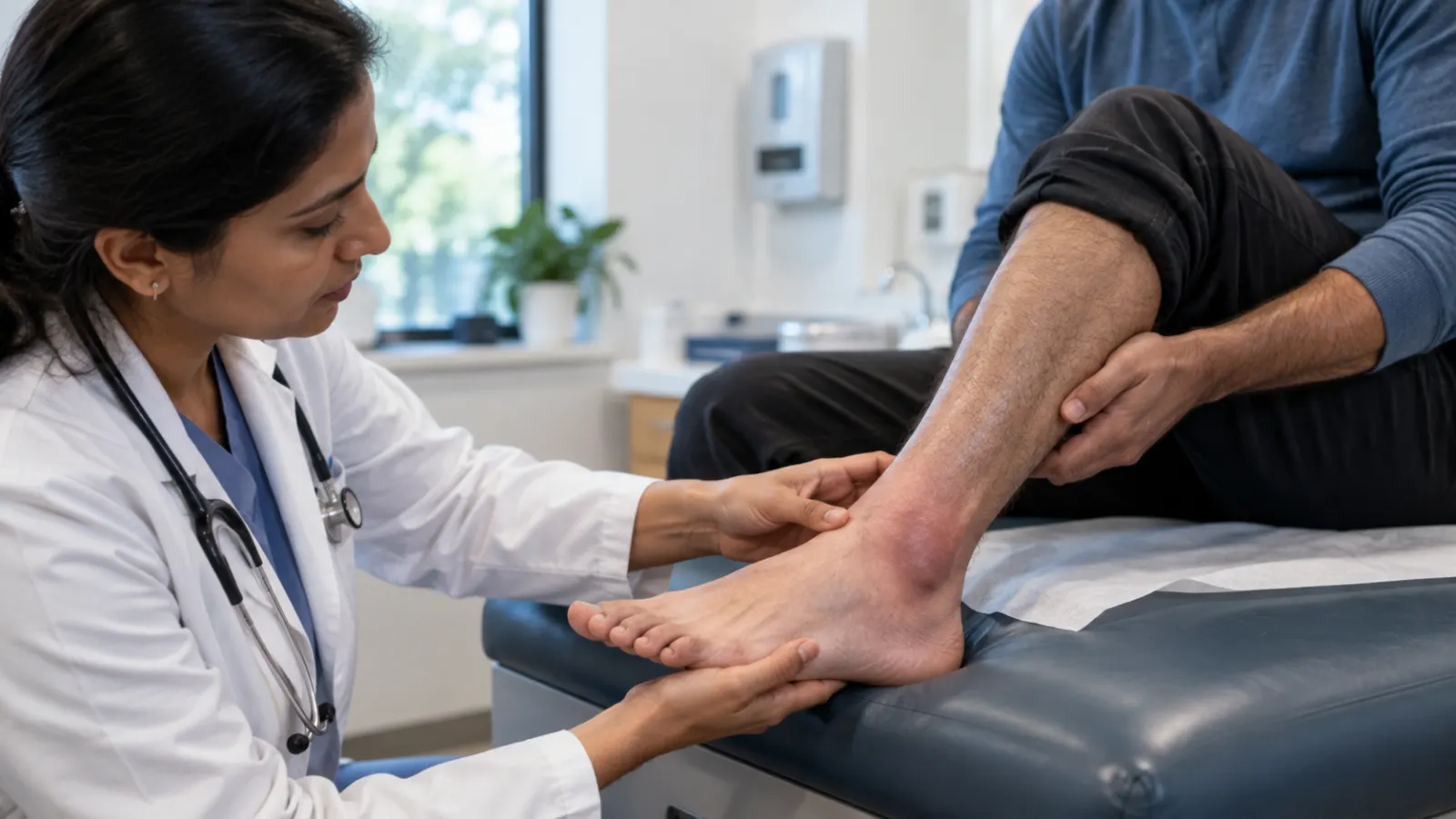
Inflammation can be triggered by microbes, but infection is only one possibility. Bacteria, viruses, fungi and parasites can activate immune sensors because the body detects molecules associated with invading organisms. Tissue injury can activate many of the same pathways without any infection being present. Burns, crushed tissue, dying cells, chemical irritation and other sterile injuries release danger signals capable of starting an inflammatory response. That is why an injured ankle can become warm and swollen even when no microorganism is involved.
This distinction matters clinically. Inflammation and infection overlap, but they are not synonyms. An antibiotic may be appropriate when bacteria are causing disease, but it will not treat inflammation produced by a sprain. Conversely, suppressing inflammation without recognising a serious infection can be dangerous because part of the inflammatory response is helping contain the pathogen.
What Happens During Acute Inflammation
Acute inflammation begins rapidly after injury or infection and usually evolves over hours to days. One of the earliest visible changes occurs in local blood vessels. They dilate, increasing blood flow and producing some of the characteristic warmth and redness. Vessel walls also become more permeable, allowing fluid and proteins to move from the circulation into the surrounding tissue. That movement contributes to swelling. Endothelial cells lining the vessels alter their surface so circulating white blood cells can slow down, attach and move through the vessel wall toward the damaged area. Standard descriptions of acute inflammation identify these vascular changes as central to the classic signs of redness, heat, swelling, pain and loss of function.
These changes are not accidental leakage. Plasma proteins entering the tissue can participate in immune defence, while the altered endothelium allows immune cells to reach a site that would otherwise be inaccessible from the bloodstream. Blood flow, vascular permeability and cell recruitment are therefore coordinated components of one response.
Among the first cells recruited to many acute inflammatory sites are neutrophils. These abundant white blood cells can engulf microbes, release antimicrobial molecules and help remove damaged material. Their speed is useful because an infection or contaminated wound can expand quickly if the body waits too long to respond. But the same substances that damage microbes can also harm nearby healthy tissue if released excessively. Acute inflammation therefore depends on both powerful activation and later control.
Macrophages also play central roles. Some already reside in tissues, while additional macrophages can develop from monocytes that enter from the bloodstream. They engulf pathogens and cellular debris, release signalling molecules and help coordinate later repair. Describing macrophages as fixed “good” or “bad” cells is misleading because their behaviour changes according to tissue signals and the stage of the inflammatory response. Early activity can support antimicrobial defence; later programmes can promote cleanup, resolution and tissue reconstruction.
Much of this coordination depends on cytokines, small signalling proteins produced by immune and other cells. Some cytokines promote fever, recruit additional immune cells or amplify local inflammation, while others help restrain the response or support repair. High concentrations of certain cytokines can contribute to severe disease, but that does not make cytokines toxins by definition. They are normal communication molecules whose effects depend on timing, concentration and context.
Pain is also part of the biological response. Inflammatory mediators can sensitise nerve endings, making injured tissue more painful and discouraging further loading or movement. That can protect a damaged ankle or wound during the early stages of healing. Yet excessive pain has costs of its own, including poor sleep, reduced mobility and impaired rehabilitation. Clinical care often tries to reduce unnecessary pain without confusing symptom control with treatment of the underlying cause.
Inflammation can also affect the whole body. Cytokines can influence the hypothalamus and raise the body’s temperature set point, producing a regulated fever rather than simple overheating. Systemic signals can alter appetite, energy use, liver protein production and insulin sensitivity. During a short-lived infection, some of these changes help redirect energy toward defence and repair. When similar signalling persists for weeks, months or years, the same metabolic adaptations can become harmful.
Inflammation and Repair Are Parts of the Same Process
Inflammation is frequently portrayed only as a destructive phase that must end before healing can begin. In reality, defence and repair overlap. Inflammatory cells clear dead tissue, remove microbes and release signals affecting fibroblasts, blood vessels and regenerative cells. The body uses inflammation not only to fight danger but also to organise rebuilding.
This is why the healthiest response is not necessarily the smallest inflammatory response possible. Too little inflammation can impair defence and wound healing, while excessive inflammation can destroy healthy tissue or promote scarring. The ideal response is proportionate to the threat and capable of ending once that threat has been controlled.
Clotting works closely with inflammation after injury. Damage to a blood vessel activates clotting mechanisms that reduce bleeding and create a temporary matrix within the wound. At the same time, inflammatory pathways recruit immune cells to control contamination and remove damaged tissue. These systems communicate extensively. At a small wound, cooperation between clotting and inflammation is protective; during severe systemic illness, uncontrolled activation of both systems can contribute to abnormal clotting, impaired circulation and organ damage.
The inflammatory response also changes over time. Early vascular changes and neutrophil recruitment are followed by changes in the mix and behaviour of immune cells. Monocytes and macrophages become increasingly important in clearing debris, while tissue-repair programmes become more prominent. Lymphatic vessels help remove excess fluid and inflammatory material. The same tissue therefore does not remain in one static “inflamed” state.
That time course matters when considering treatment. An intervention appropriate during severe uncontrolled inflammation may no longer be useful during later healing. Completely suppressing inflammatory activity at every stage could theoretically interfere with processes required for repair.
One of the most important advances in inflammatory biology has been the recognition that resolution is an active biological programme. Scientists once tended to view the end of inflammation as a passive process in which inflammatory chemicals simply faded away. Research has since identified specialised pathways that actively reduce inflammatory signalling, limit further cell recruitment, clear debris and help restore tissue homeostasis. NIEHS highlights this active resolution process and notes that failure to resolve appropriately can contribute to chronic inflammation.
This helps explain why chronic inflammation is not simply “acute inflammation lasting longer.” The biology can change. Persistent triggers, repeated exposure, abnormal immune regulation or defective resolution mechanisms can keep tissues locked in cycles of inflammation and repair. Over time, those cycles can cause continuing tissue injury and, in some organs, fibrosis or structural damage.
Local Inflammation and Systemic Inflammation Are Very Different States
A small splinter and sepsis both involve inflammation, but the scale and consequences are radically different. Local inflammation can be highly concentrated around one site, limiting damage and directing immune resources where they are needed. Inflammation inside the intestine, lungs, joints or blood vessels may produce organ-specific symptoms rather than obvious redness and swelling, because the classic visible signs are easiest to observe in skin and superficial tissue.
Systemic inflammation occurs when inflammatory signalling affects the circulation and multiple organs. Severe infection can produce widespread vascular and metabolic changes, sometimes causing dangerous falls in blood pressure, abnormal clotting or organ dysfunction. The fact that the same biological vocabulary applies to both a swollen finger and life-threatening systemic illness is one reason the word “inflammation” should never be interpreted without context.
Blood tests can provide clues but do not eliminate that need for context. C-reactive protein, or CRP, and erythrocyte sedimentation rate, or ESR, may rise when inflammatory activity is present. These tests are useful in selected clinical situations, including monitoring infections or inflammatory diseases, but they are nonspecific. A high value does not identify the location or cause of inflammation, and a normal result does not exclude every inflammatory condition.
Consumer panels marketed as measures of how “inflamed” someone is should therefore be interpreted cautiously. There is no universal laboratory number representing the total inflammatory state of every tissue in the body. A clinician uses inflammatory markers alongside symptoms, examination, medical history and other tests rather than treating the biomarker itself as a complete diagnosis.
The same caution applies to fever. Fever can occur during infection, autoimmune disease and other inflammatory states, while severe infection can sometimes occur without fever. The symptom provides useful information but cannot determine the cause alone.
Inflammation inside internal organs may also be relatively invisible. Blood-vessel inflammation does not necessarily create the redness seen around a skin wound. Intestinal inflammation may present through abdominal pain or diarrhoea. Lung inflammation may affect breathing. Nervous-system inflammation may produce completely different manifestations. The underlying principles of immune recruitment and signalling overlap, but clinical symptoms depend heavily on the organ involved.
Anti-Inflammatory Treatment Must Match the Cause
Because inflammation causes pain and tissue damage in many diseases, modern medicine contains numerous ways to reduce it. Nonsteroidal anti-inflammatory drugs can reduce pain and inflammatory signalling in many musculoskeletal conditions. Corticosteroids suppress broader inflammatory and immune pathways. Biologic and targeted medicines can block particular cytokines, receptors or immune pathways involved in diseases such as rheumatoid arthritis, psoriasis or inflammatory bowel disease.
The existence of these medicines demonstrates how important inflammatory pathways are. It does not mean that inflammation should always be suppressed.
If an infection is producing the inflammatory response, treating the infection may be more important than suppressing the response itself. Broad immune suppression can sometimes worsen infection because inflammatory pathways also contribute to antimicrobial defence. A swollen joint caused by autoimmune disease, an infected joint and a joint injured during sport can all be painful and inflamed, but they require very different treatment strategies.
Timing, severity and organ involvement also matter. Someone with a mild local sprain and someone with systemic inflammatory organ dysfunction cannot be managed according to one generic goal of “lowering inflammation.”
The most useful medical question is therefore not “How do I get rid of inflammation?” It is “Why is inflammation occurring in this person, in this tissue, at this time?”
Sometimes the appropriate response is rest and symptom relief while damaged tissue heals. Sometimes antibiotics or other antimicrobial treatment are needed. Sometimes an autoimmune pathway requires long-term immune-modifying medication. Sometimes a foreign body must be removed or an environmental exposure stopped. The word inflammation describes part of the mechanism, not the complete diagnosis.
This is particularly important because inflammation is increasingly used in wellness marketing. Foods, supplements, tests and lifestyle programmes are often promoted with the promise of reducing inflammation as though the body contains one adjustable inflammation dial. The biology is far more specific. Inflammation differs by tissue, trigger, immune pathway and time course.
Lifestyle can influence inflammatory biology, especially when smoking, metabolic disease, poor sleep or other chronic exposures are involved. But ordinary inflammation after injury or infection should not be interpreted as evidence that someone has failed to maintain an “anti-inflammatory lifestyle.”
Inflammation Is Protective When It Is Proportionate and Temporary
The simplest useful model is not “inflammation equals disease.” Acute inflammation detects danger, changes local blood flow, recruits immune cells, contains infection, removes damaged material and initiates repair. Those functions are essential to survival.
The same biological machinery becomes harmful when it attacks healthy tissue, responds out of proportion to the threat, spreads systemically or fails to resolve after the original problem has been controlled. NIEHS summarises this balance directly: inflammation is part of normal defence and healing, but persistent inflammation can contribute to continuing tissue injury and chronic disease.
That dual role explains why simplistic attempts to “eliminate inflammation” misunderstand the system.
A useful inflammatory response is strong enough to control danger.
It is focused enough to limit unnecessary tissue damage.
It supports repair rather than preventing it.
And, crucially, it knows when to end.
When those conditions are met, redness, warmth, swelling or temporary pain are not evidence that the body has malfunctioned. They are visible parts of one of its most fundamental defence systems.
When inflammation persists, becomes excessive or targets healthy tissue, the same system can contribute to disease.
Understanding inflammation therefore begins by respecting both sides of the biology: the body needs inflammation to defend and repair itself, but it also needs equally sophisticated mechanisms to restrain and resolve that response once the job is done.
Medical note: This article provides general health information and is not a substitute for individual medical advice. Severe or rapidly worsening swelling, significant fever or systemic illness, suspected serious infection, severe allergic reactions, persistent inflammatory symptoms or suspected autoimmune disease should be assessed by an appropriately qualified healthcare professional. Anti-inflammatory or immune-suppressing medicines should be used according to appropriate clinical guidance because the correct treatment depends on the underlying cause.