How Plastic Harms Wildlife: Ingestion, Entanglement and Habitat Damage
Plastic pollution becomes most emotionally powerful when it is seen on an animal: a turtle with fishing line around a flipper, a seabird with fragments in its stomach, or a seal trapped in a plastic band.
Those images are real, but they can create the impression that wildlife harm is one simple process.
It is not.
Plastic can injure animals through entanglement, ingestion, habitat damage and exposure to smaller particles. Lost fishing gear can continue catching animals long after it has ceased serving a fisher. Floating debris can transport organisms into new areas. Effects vary according to the shape and size of the plastic, the animal's feeding behaviour, the habitat and whether the exposure is acute or chronic.
NOAA's Marine Debris Program reports that marine debris has been documented to affect more than 700 species. That number describes the breadth of interaction, not a claim that every affected species faces the same level of population risk.
Entanglement: when debris becomes a trap
Loops, nets, lines and straps are particularly dangerous because animals can become caught while swimming, feeding or moving along shorelines.
Entanglement can prevent normal movement. A whale dragging gear expends extra energy. A seal with material cutting into its neck may develop severe wounds as it grows. A turtle may struggle to surface or feed. Birds can lose the ability to fly or forage.
NOAA Fisheries notes that marine mammals and sea turtles can become entangled in active fishing gear, lost or abandoned gear and other marine debris, including plastic bags, bands and lines.
The mechanism matters. Plastic pollution policy should not treat all entanglement as identical litter. Some risk comes from consumer waste; some comes from fisheries and other marine industries. Effective prevention must target the actual source.
Ghost fishing: gear that keeps working after it is lost
Fishing nets, traps and lines are designed to catch animals.
When they are lost or abandoned, that function can continue without anyone benefiting from the catch. The result is known as ghost fishing.
A derelict net may catch fish, turtles or marine mammals. Trapped animals can then attract predators and scavengers, which may themselves become caught. Gear can remain active for long periods depending on material and environment.
Ghost gear also creates a misleading distinction between “fishing” and “pollution”. Once gear is no longer under control, it becomes marine debris while retaining its ability to capture wildlife.
Prevention can therefore include gear marking, retrieval programmes, better port reception, reporting of losses, modifications that reduce long-term catching ability and economic incentives to recover rather than abandon equipment.
Ingestion: when plastic is mistaken for food—or swallowed with it
Animals do not need to deliberately “choose plastic” for ingestion to occur.
A sea turtle may mistake a plastic bag or film for prey. A seabird may pick up floating fragments while foraging. Filter feeders can consume small particles mixed into water. Predators can ingest plastic already present in prey.
NOAA reports confirmed plastic ingestion across hundreds of species, including seabirds, fish, turtles and marine mammals.
The consequences depend on the material.
Large or sharp pieces can injure internal tissue. Debris may block the digestive tract. Plastic occupying stomach space can create false satiation, reducing feeding and nutritional intake. In severe cases, animals may starve or die from obstruction or internal injury.
Smaller particles may pass through more readily, but they create different research questions about chronic exposure, inflammation and associated chemicals.
Why seabirds are frequently used as indicators
Seabirds are among the best-studied groups for plastic ingestion because many forage across large ocean areas and can encounter floating debris.
Some species collect food at the sea surface, where buoyant plastics also accumulate. Adults can carry material back to chicks while feeding them.
NOAA highlights albatrosses, fulmars and shearwaters among groups with documented ingestion. The biological effect depends on quantity, size and shape. A few small fragments are not equivalent to a stomach heavily loaded with debris.
Scientists therefore examine body condition, stomach contents, growth, survival and exposure patterns rather than simply recording “plastic present”.
Sea turtles encounter several plastic pathways
All seven sea turtle species have been documented ingesting marine debris, according to NOAA summaries of the scientific literature.
Their vulnerability is partly behavioural. Some floating plastic can resemble prey. Turtles also encounter fishing line and nets capable of entangling them.
Young turtles using ocean convergence zones may share habitat with accumulated floating debris. That overlap between feeding areas and waste concentration can increase exposure.
Again, the important point is not that every turtle with plastic in its digestive tract will die. It is that persistent debris adds avoidable injury and mortality pressure to animals that may already face threats from fisheries, habitat loss, vessel strikes and climate change.
Marine mammals and the hidden cost of entanglement
Entanglement can be particularly difficult to study in large marine mammals.
An animal may carry gear for months. Lines can cut deeper as the animal grows. Drag increases energy expenditure. Feeding and swimming can be restricted. Some animals shed gear on their own; others die without ever being observed.
NOAA Fisheries entanglement-response programmes document outcomes including starvation, blood loss, strangulation, drowning and loss of body parts in severe cases.
Rescue work is important but dangerous. Large whales cannot simply be approached by untrained members of the public. Authorised response teams use specialised methods because attempts to help can endanger both the animal and rescuer.
The existence of rescue networks should not obscure the upstream lesson: preventing hazardous debris is safer than repeatedly disentangling wildlife after exposure.
Habitat damage can occur without an animal swallowing anything
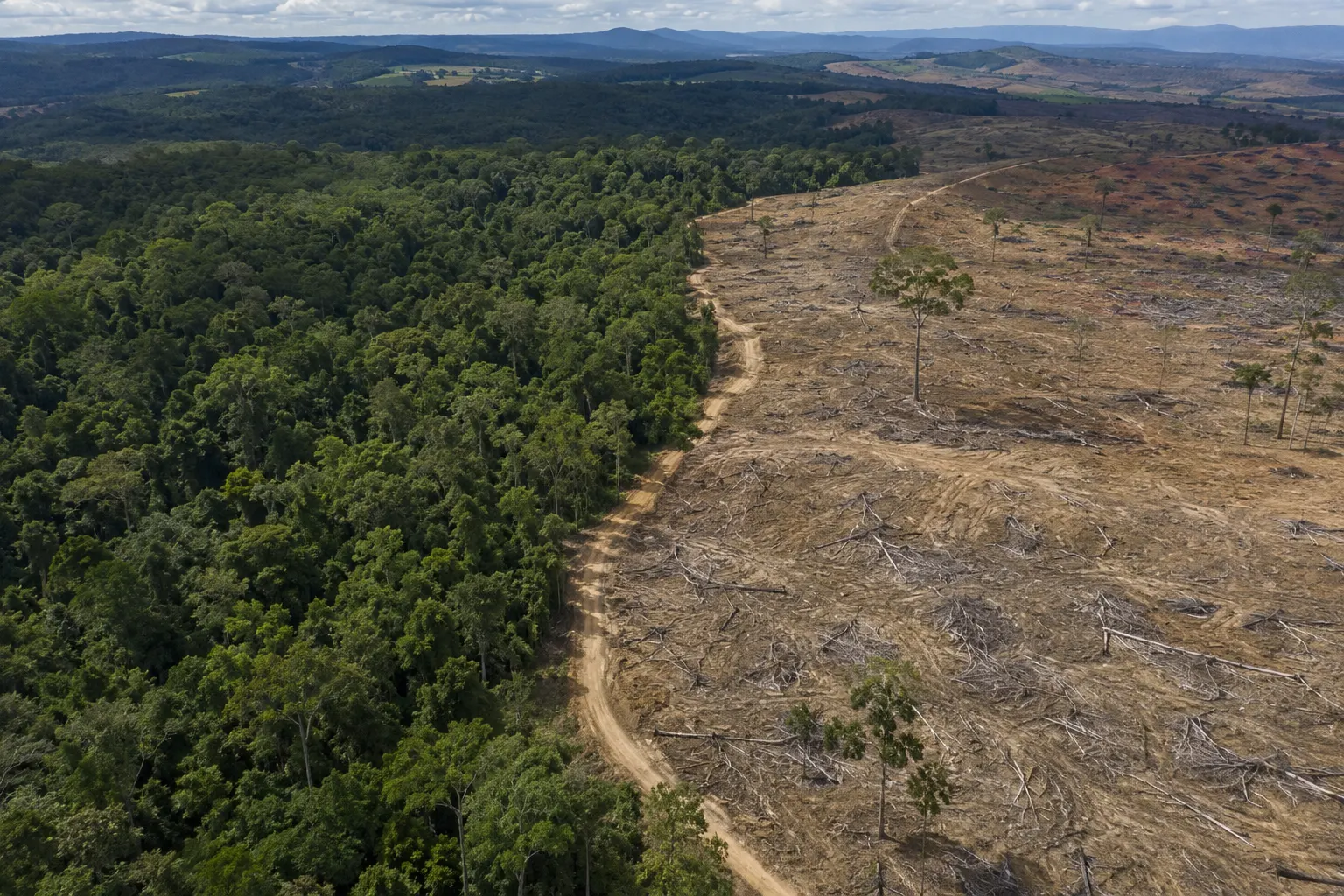
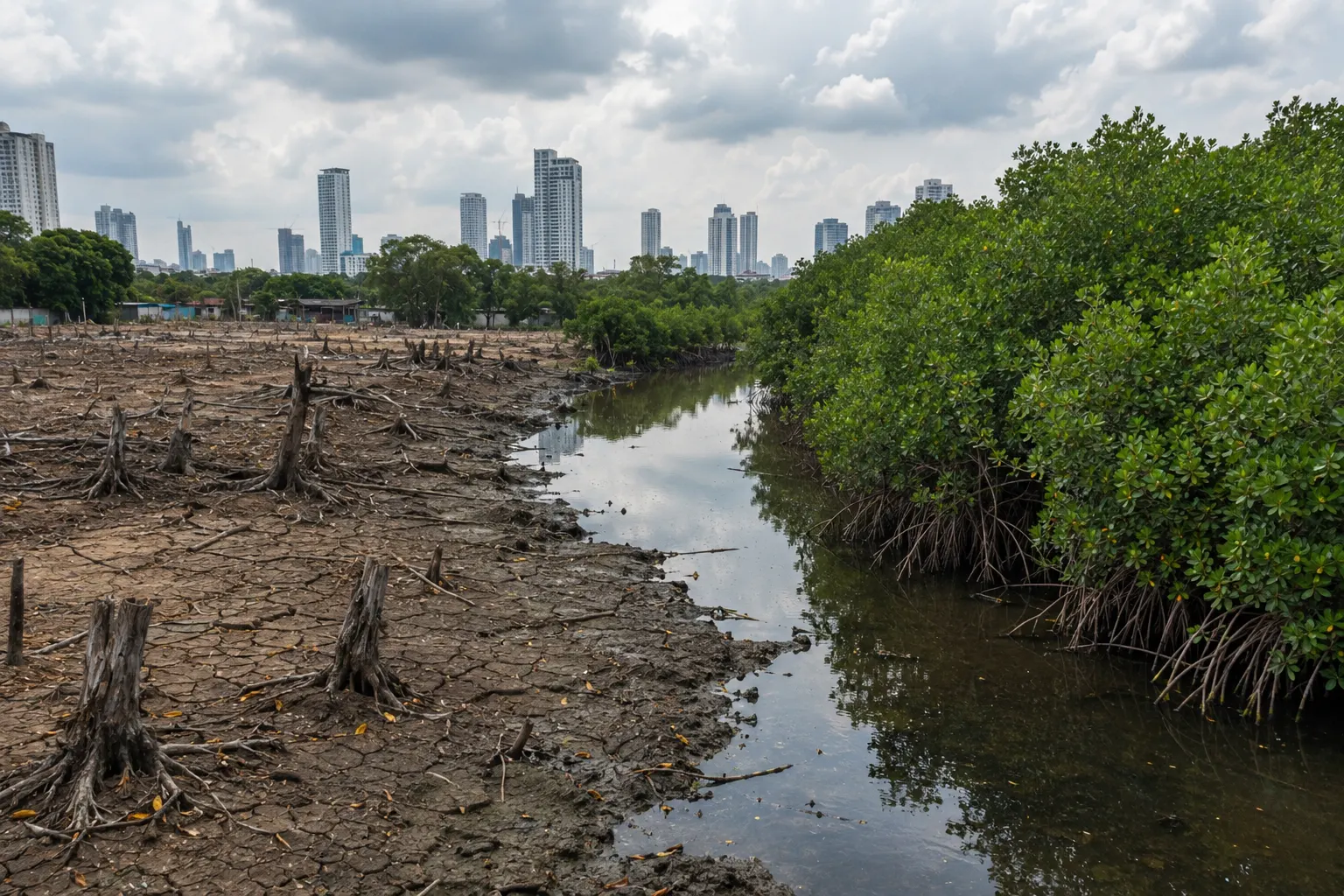
Plastic pollution can alter habitat directly.
Large debris and abandoned gear can smother or abrade sensitive environments such as coral reefs. Nets can snag on reef structures. Accumulated debris can change shorelines and nesting areas.
Marine debris can also transport “hitchhiking” organisms. Species attached to floating plastic can cross distances they might not otherwise traverse, potentially contributing to biological introductions.
This pathway receives less public attention because it lacks the immediacy of a trapped animal. Ecologically, however, habitat condition affects many species at once.
Microplastics expand the range of organisms exposed
As larger items fragment, the size of animals capable of ingesting plastic becomes smaller.
Zooplankton, shellfish and other organisms can encounter microplastics that would be impossible for them to ingest as intact packaging. Particles can also be transferred through feeding relationships.
It is tempting to describe this as simple “bioaccumulation up the food chain”, but the science is more complicated. Different particles can be excreted, retained or redistributed differently, and food-web transfer does not automatically mean ever-increasing concentration at each trophic level.
The evidence clearly supports widespread exposure. Quantifying population-level consequences remains an active field for many taxa.
Chemicals add another layer of uncertainty
Plastics contain additives and can interact with contaminants in the environment.
If an animal ingests debris, researchers must consider physical effects from the particle as well as possible chemical exposure. But animals are also exposed to many of the same environmental contaminants through water and food independently of plastic.
NOAA therefore notes potential chemical pathways while also emphasising that more research is needed to understand their importance for wildlife under different conditions.
Good reporting should preserve that distinction rather than implying that every contaminant found near plastic came from the plastic itself.
Why individual rescues cannot solve the ecological problem
Removing line from one turtle or cutting a band from one seal has obvious value. For that animal, the intervention can be life-saving.
But wildlife rehabilitation deals with consequences one case at a time.
Pollution operates at the scale of product systems, fisheries, cities, rivers and global trade.
The larger solution therefore includes reducing unnecessary disposable products, preventing waste leakage, improving collection, designing packaging without dangerous loops, recovering abandoned fishing gear and making producers responsible for products at end of life.
Clean-ups also matter because removing large plastic before it fragments prevents future exposure.
The central lesson is about form as much as material
Plastic is persistent, but the way it is shaped determines much of its immediate wildlife hazard.
A loop can entangle. A thin film can be mistaken for food. A sharp fragment can injure tissue. A lost net can continue fishing. A microscopic fibre can be consumed by organisms that would never encounter a bottle as food.
That is why “plastic harms wildlife” should not be treated as a slogan.
It describes multiple physical and ecological mechanisms that require different interventions.
The most effective conservation strategy is not to wait until an animal becomes the photograph that makes people care.
It is to design waste, fishing and production systems so that fewer animals encounter dangerous material at all.
Sources / Further Reading
NOAA Marine Debris Program — Why is Marine Debris a Problem? — https://marinedebris.noaa.gov/discover-marine-debris/why-marine-debris-problem
NOAA Marine Debris Program — Ingestion — https://marinedebris.noaa.gov/why-marine-debris-problem/ingestion
NOAA Marine Debris Program — Wildlife Entanglement and Ghost Fishing — https://marinedebris.noaa.gov/why-marine-debris-problem/wildlife-entanglement-and-ghost-fishing
NOAA Fisheries — Entanglement of Marine Life: Risks and Response — https://www.fisheries.noaa.gov/insight/entanglement-marine-life-risks-and-response
NOAA Fisheries — Frequent Questions: Marine Mammal Entanglement Response — https://www.fisheries.noaa.gov/marine-life-distress/frequent-questions-national-marine-mammal-entanglement-response-networks
Suggested Internal Links
Understanding Plastic Pollution — Planned internal link
What Are Microplastics — Planned internal link
Understanding Marine Pollution — Planned internal link
Understanding the Threats to Oceans — Planned internal link
What Is the Importance of Marine Conservation — Planned internal link