Lifestyle and Cancer Risk: What Actually Helps Prevent Cancer
Cancer-prevention advice is often reduced to a familiar list: do not smoke, limit alcohol, exercise, eat well and maintain a healthy weight. These recommendations are broadly supported by evidence, but the word “lifestyle” can make cancer risk sound as though it is created entirely by individual choices.
Real life is more complicated. Tobacco use is shaped by nicotine dependence, price and marketing. Food choices depend partly on income, availability and the surrounding food system. Physical activity is easier when neighbourhoods, workplaces and transport systems make movement practical. Occupational carcinogens, air pollution and infectious diseases cannot always be avoided through personal discipline. Effective cancer prevention therefore operates at two levels: people can reduce some exposures themselves, while governments, employers, healthcare systems and communities can reduce the conditions that make harmful exposure more likely.
The potential impact is substantial. A major WHO and International Agency for Research on Cancer analysis published in February 2026 estimated that 37% of new cancer cases worldwide in 2022—about 7.1 million cases—were attributable to preventable causes included in the study. Tobacco was the largest contributor globally, accounting for an estimated 15% of all new cancer cases, followed by cancer-causing infections at 10% and alcohol at 3%. The pattern differed considerably by sex and region.
That does not mean 37% of every individual’s cancer risk can simply be removed by changing behaviour. It is a population estimate covering 30 modifiable behavioural, environmental, occupational and infectious risk factors. Cancer also arises from age, inherited susceptibility and biological processes that are not fully preventable. Prevention reduces probability; it does not create immunity.
Tobacco, alcohol and other high-impact exposures deserve priority
Cancer prevention can become unnecessarily complicated when attention moves toward rare ingredients, “detox” products or obscure household chemicals while much larger established risks receive less attention.
Tobacco remains the clearest example. Cigarette smoke repeatedly exposes the body to carcinogens and increases the risk of cancer in many organs, not only the lungs. For someone who smokes, stopping is therefore one of the most consequential cancer-prevention actions available. Risk does not immediately return to that of someone who has never smoked, but it declines progressively after cessation compared with continued smoking.
Secondhand smoke also matters. A person does not need to smoke personally to be exposed to tobacco carcinogens. Smoke-free homes, vehicles and workplaces protect people who do not smoke while also creating environments that make continued smoking less automatic.
Alcohol is another established carcinogenic exposure. The National Cancer Institute states that alcoholic beverages cause cancers including those of the mouth, throat, oesophagus, larynx, liver and breast, with evidence also linking alcohol to colorectal cancer. Cancer risk generally increases as alcohol exposure increases, and even relatively low consumption can increase the risk of some cancers.
This requires careful communication because alcohol is deeply embedded in social life in many societies. Cancer prevention should not turn drinking into a moral category. The relevant biological point is that ethanol and its metabolite acetaldehyde can contribute to carcinogenesis, while alcohol can also influence hormones, oxidative stress and the absorption of other carcinogens.
For cancer risk specifically, lower exposure means lower risk. Avoiding alcohol removes the alcohol-related component of cancer risk; reducing consumption reduces exposure for people who drink.
This is also an area where tobacco and alcohol can interact. NCI notes that using both produces particularly high risks for cancers of the mouth, throat, larynx and oesophagus, with combined harms for some cancers greater than would be expected simply by adding the risks from either exposure individually.
The practical lesson is not that every preventable risk deserves identical attention. Prevention works better when established, higher-impact exposures are addressed before people spend time worrying about weakly supported or speculative ones.
Physical activity, body composition and diet influence risk through several pathways
Physical activity is associated with lower risk of several cancers and also produces substantial cardiovascular and metabolic benefits. NCI identifies strong evidence linking higher activity levels with lower risk of several cancer types and notes plausible mechanisms involving insulin, sex hormones, inflammation, immune function and body-weight regulation.
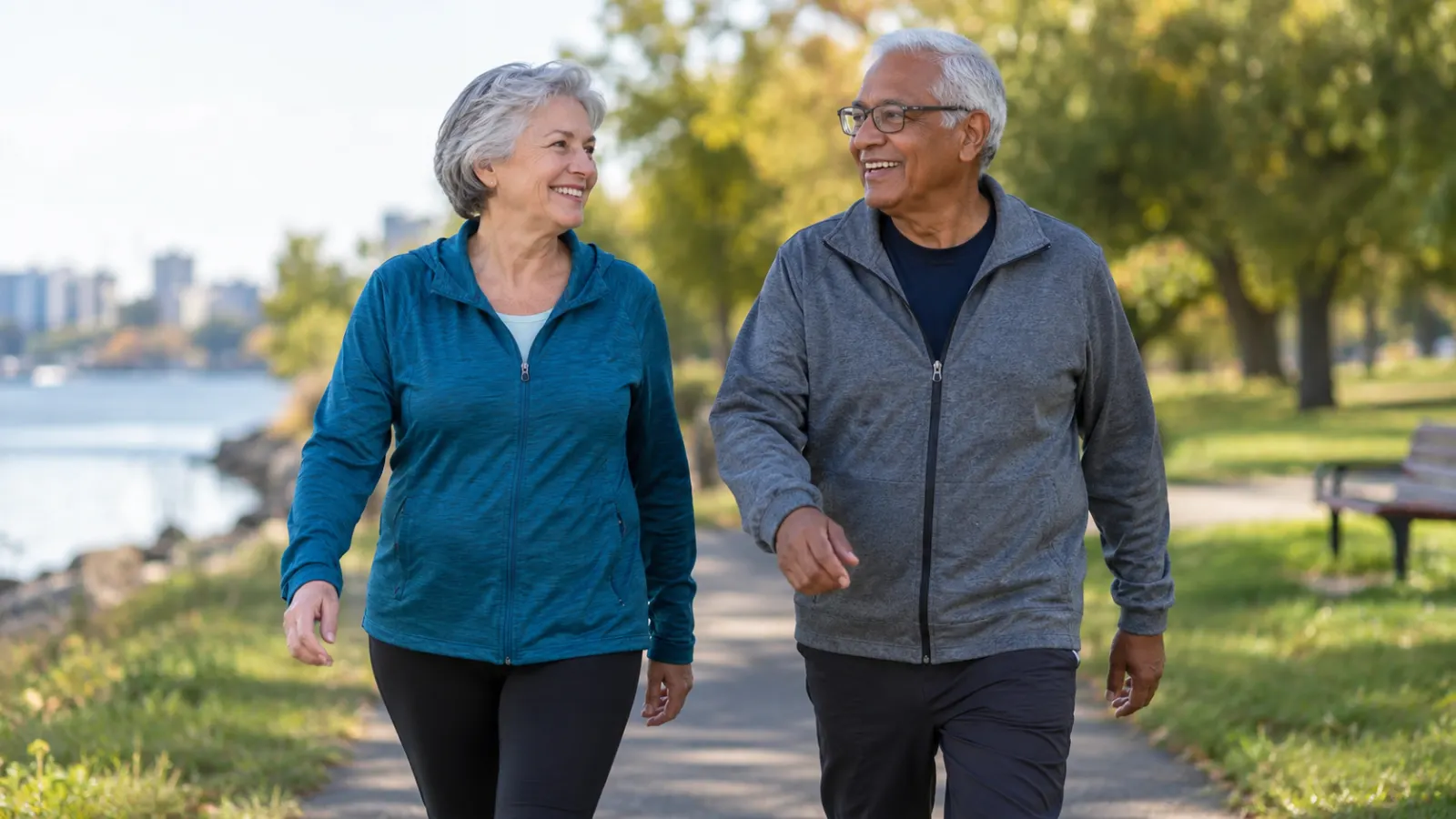
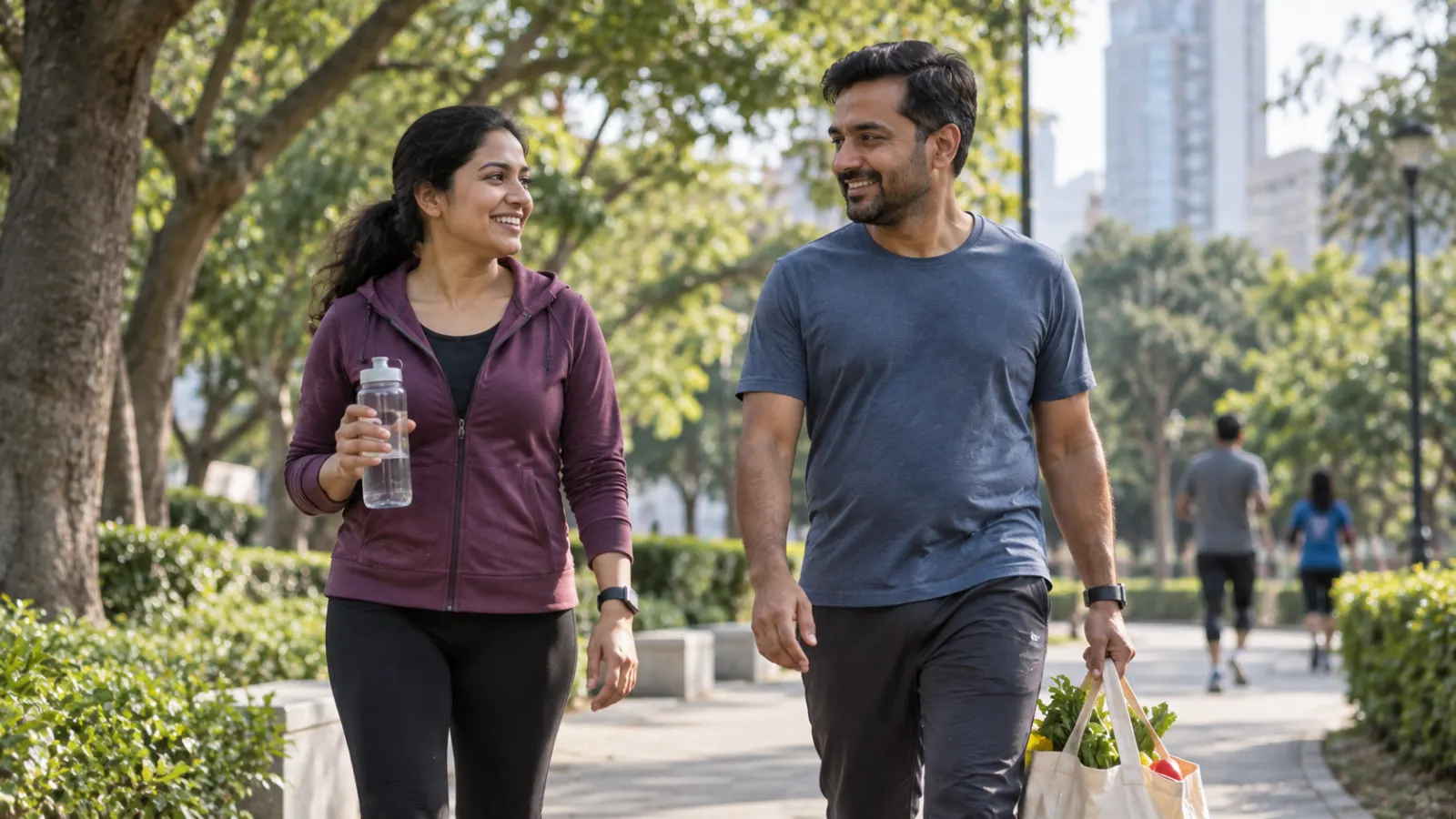
The benefit does not require becoming an athlete. Walking, cycling, active transport, household activity and structured exercise all contribute to total movement. A 2025 NCI-led study using activity monitors found that higher total daily physical activity was associated with lower subsequent risk across 13 cancer types already linked to physical activity; replacing sedentary time with even light activity was associated with lower risk.
For someone who is largely sedentary, therefore, the most useful first change may simply be to move more consistently rather than attempting an extreme fitness programme.
Body weight requires more careful language. Higher levels of excess body fat are associated with increased risk of several cancers, and biological explanations include altered hormone levels, insulin signalling, inflammation and other metabolic changes. But body weight is not merely a behavioural score.
Genetics, medication, sleep, mental health, poverty, food access, stress and the built environment can all influence weight. NCI also notes that researchers continue to refine how different patterns of adiposity, including visceral fat, relate to cancer risk rather than assuming body mass index captures every biologically relevant difference.
A useful prevention framework therefore focuses on sustainable metabolic health: regular activity, nutritious food patterns, adequate healthcare and weight management when clinically appropriate. Weight stigma does not reduce cancer risk and can discourage people from seeking healthcare.
Diet should be approached with similar restraint. Cancer prevention is not built around one “superfood,” antioxidant drink, spice or restrictive diet. Current prevention guidance instead emphasises dietary patterns. The fifth edition of the European Code Against Cancer recommends making whole grains, vegetables, legumes and fruits a major part of daily food intake, limiting red meat and avoiding processed meat.
Those principles can be adapted to local cuisines. Lentils, pulses, beans, whole grains, seasonal vegetables, fruits, nuts and seeds do not need to be repackaged as expensive wellness foods to contribute to a nutritious diet.
This distinction matters because cancer prevention should be sustainable for years. A food pattern that fits culture, income and daily life is more useful than a short period of dietary perfection that cannot be maintained.
Vaccination, UV protection and safer environments are also cancer prevention
The common image of cancer prevention focuses heavily on diet and exercise, but some of the most powerful interventions have little to do with either.
Certain infections cause cancer. Persistent infection with high-risk human papillomavirus types causes cervical cancer and contributes to several other cancers. Chronic hepatitis B infection can lead to liver cancer. The current European Code Against Cancer recommends vaccination against HPV and hepatitis B at ages appropriate to national programmes, along with testing and treatment for infections such as hepatitis B, hepatitis C, HIV and Helicobacter pylori where recommended.
This is one reason the WHO/IARC 2026 analysis is especially important. By incorporating nine cancer-causing infectious agents alongside behavioural, environmental and occupational exposures, it estimated that infections accounted for about 10% of all new cancer cases worldwide in 2022, although the burden differed substantially by region and sex.
Ultraviolet radiation is another preventable carcinogenic exposure. Excess UV damages DNA in skin cells and contributes to skin cancer. Prevention includes reducing excessive sun exposure, protecting children from intense UV, using clothing and shade appropriately, using sunscreen as part of a broader protection strategy and avoiding intentional tanning or sunbeds. The European Code Against Cancer specifically recommends avoiding excessive sun exposure and never using sunbeds.
That does not mean people should fear being outdoors. Physical activity outside can be beneficial. Practical protection depends on UV intensity, skin type, location, occupation and how long someone spends in direct sunlight. The objective is not zero sunlight; it is avoiding unnecessary damaging exposure.
Workplace and environmental risks make the limits of the “lifestyle” label even clearer. Some people encounter asbestos, silica, diesel exhaust, industrial chemicals or other carcinogens because of their employment. Others live in areas with substantial outdoor air pollution or environmental contamination.
An individual worker cannot solve an asbestos problem through better nutrition. A family living beside heavy traffic cannot eliminate air pollution by exercising more.
Prevention at this level requires regulation, substitution of hazardous substances, ventilation and engineering controls, monitoring, protective equipment where appropriate, cleaner transport and energy systems, and enforcement of occupational standards. The 2026 WHO/IARC analysis explicitly identifies occupational exposures and air pollution among preventable causes and calls for coordinated prevention across health, labour, transport, energy and other sectors.
The fifth European Code Against Cancer reinforces this structural approach. For the first time, its individual recommendations are paired with policy recommendations intended to address the social, environmental and economic barriers that influence whether healthier behaviour is realistically possible.
Supplements, “detoxes” and miracle foods should not distract from stronger evidence
Cancer creates understandable anxiety, and prevention marketing often exploits the desire for certainty.
Supplements advertised as antioxidants, immune boosters or detox products can appear attractive because they offer a simple action against a complex disease. But concentrated supplements should not be assumed to reproduce the effects of eating nutritious foods, and they are not a general substitute for established cancer-prevention measures.
Some supplements are medically appropriate. A person with a diagnosed deficiency, restricted diet, pregnancy-related nutritional requirement or another clinical indication may need supplementation. That is different from taking high doses specifically to prevent cancer.
The broader evidence hierarchy matters. Avoiding tobacco exposure has a substantially stronger cancer-prevention basis than buying a supplement marketed around a laboratory antioxidant mechanism. HPV vaccination has stronger evidence than a “detox” regimen. Workplace control of asbestos matters more than adding an exotic berry to breakfast.
This does not mean nutrition is unimportant. It means evidence should determine how prevention effort is prioritised.
The same principle applies to constantly changing claims about individual foods, household products and chemicals. Cancer biology is complex, and observational associations do not automatically demonstrate causation. NCI notes that suspected cancer risk factors are often first identified in epidemiological studies and require converging evidence and plausible mechanisms before researchers can be confident about causal relationships.
People should not have to organise daily life around every preliminary headline.
Cancer prevention lowers risk; it cannot guarantee that cancer will not occur
Perhaps the most important limit on lifestyle advice is that cancer can occur even in people who follow every major prevention recommendation.
Age remains one of the strongest overall cancer risk factors. Some people inherit genetic variants that substantially increase susceptibility to particular cancers. Biological errors occur during normal cell division. Other causes remain incompletely understood.
The WHO/IARC estimate that 37% of new cases in 2022 were attributable to the preventable causes examined also means that most cancer cases in that analysis were not attributable to those modifiable factors.
Prevention therefore needs to be kept separate from blame.
A person diagnosed with lung cancer should not automatically be assumed to have smoked. Someone who develops colorectal cancer should not be treated as though they ate incorrectly. Breast cancer is not evidence that a person failed to exercise enough or maintain the “correct” body weight.
Risk factors change probabilities across populations; they do not provide a moral explanation for an individual diagnosis.
This is also why cancer prevention needs routine healthcare. Healthy behaviour does not replace vaccination, screening or evaluation of suspicious symptoms. Where evidence-based screening programmes are recommended for a person's age, sex and risk profile, participation can help identify cancers or precancerous changes earlier. The European Code Against Cancer includes organised screening for colorectal, breast, cervical and, in appropriate populations, lung cancer among its prevention and control recommendations.
People with strong family histories, known inherited cancer syndromes, previous cancers, chronic infections or significant occupational exposures may require risk assessment beyond general population advice.
A practical hierarchy for reducing cancer risk
The number of health recommendations available online can make prevention feel like a full-time occupation. A simpler approach is to concentrate first on exposures with strong evidence and meaningful potential impact.
For someone who smokes, stopping tobacco use is a major priority. Avoiding secondhand smoke protects others as well. Reducing or avoiding alcohol lowers alcohol-related cancer exposure. Regular physical activity, less prolonged sedentary behaviour and a sustainable diet rich in whole grains, vegetables, fruits and legumes contribute to prevention while also supporting cardiovascular and metabolic health.
Recommended HPV and hepatitis B vaccination can prevent infections responsible for cancers. Excessive ultraviolet exposure should be limited. Occupational carcinogens should be controlled at the source, not left entirely to workers. Air quality, safe housing and access to healthcare belong in the same prevention conversation.
The exact priority will differ from person to person and from country to country. WHO and IARC found major regional differences in preventable cancer burden: among men, the estimated proportion ranged from 28% in Latin America and the Caribbean to 57% in East Asia, while among women it ranged from 24% in North Africa and West Asia to 38% in sub-Saharan Africa.
That variation reinforces an important principle: prevention strategies should respond to the exposures that actually drive cancer burden in a population rather than assuming one universal hierarchy fits everyone.
The most effective approach is also rarely an extreme one. Cancer develops over long periods, so prevention is better understood as durable exposure reduction than as a temporary health challenge.
Stopping smoking for years matters more than completing a two-week detox. Regular walking matters more than an unsustainable burst of exercise followed by months of inactivity. A nutritious eating pattern maintained over time matters more than cycling through restrictive diets. Vaccination and safer workplaces can prevent exposures before individual behaviour even becomes relevant.
Cancer prevention is therefore less about achieving perfect health behaviour and more about changing the odds over a lifetime.
Prevention works best when healthy choices are genuinely possible
The language of personal responsibility has a place in health. People can make decisions about tobacco, alcohol, physical activity, food and sun exposure that affect their future risk.
But responsibility without opportunity is an incomplete prevention strategy.
A smoker trying to quit benefits from effective cessation treatment and environments where tobacco is less aggressively promoted. A person trying to eat well needs affordable food. Someone encouraged to walk more benefits from safe streets. Workers need employers and regulators to control carcinogenic exposures rather than relying only on masks or individual vigilance.
This is why cancer prevention belongs simultaneously to medicine, public health, urban planning, education, labour regulation, transport, taxation and environmental policy.
The fifth European Code Against Cancer reflects this evolution explicitly by pairing its recommendations to individuals with complementary recommendations for policymakers. It calls for healthy options to be more affordable, accessible and available and for structural barriers affecting disadvantaged populations to be addressed.
The practical message is therefore more useful than either fatalism or perfectionism.
Cancer cannot be completely prevented. But a substantial share of cases is linked to exposures that societies and individuals can reduce. The largest opportunities are mostly familiar: tobacco control, lower alcohol exposure, vaccination against cancer-causing infections, appropriate physical activity and nutrition, protection from excessive UV, safer workplaces and cleaner environments.
Those actions do not guarantee a cancer-free life. They shift risk in a healthier direction.
That is the appropriate goal of prevention: not perfect control over cancer, but fewer avoidable exposures, better preventive healthcare and environments that make lower-risk lives easier to sustain.
Medical Note
This article provides general cancer-prevention information and is not an individual cancer-risk assessment. Personal risk can depend on age, family history, inherited genetic variants, previous cancer, chronic infections, occupational or environmental exposures and other medical factors. People with significant family histories, known genetic syndromes, previous cancers or substantial occupational exposures may need individualised advice about prevention and screening.