Culture Has Always Travelled
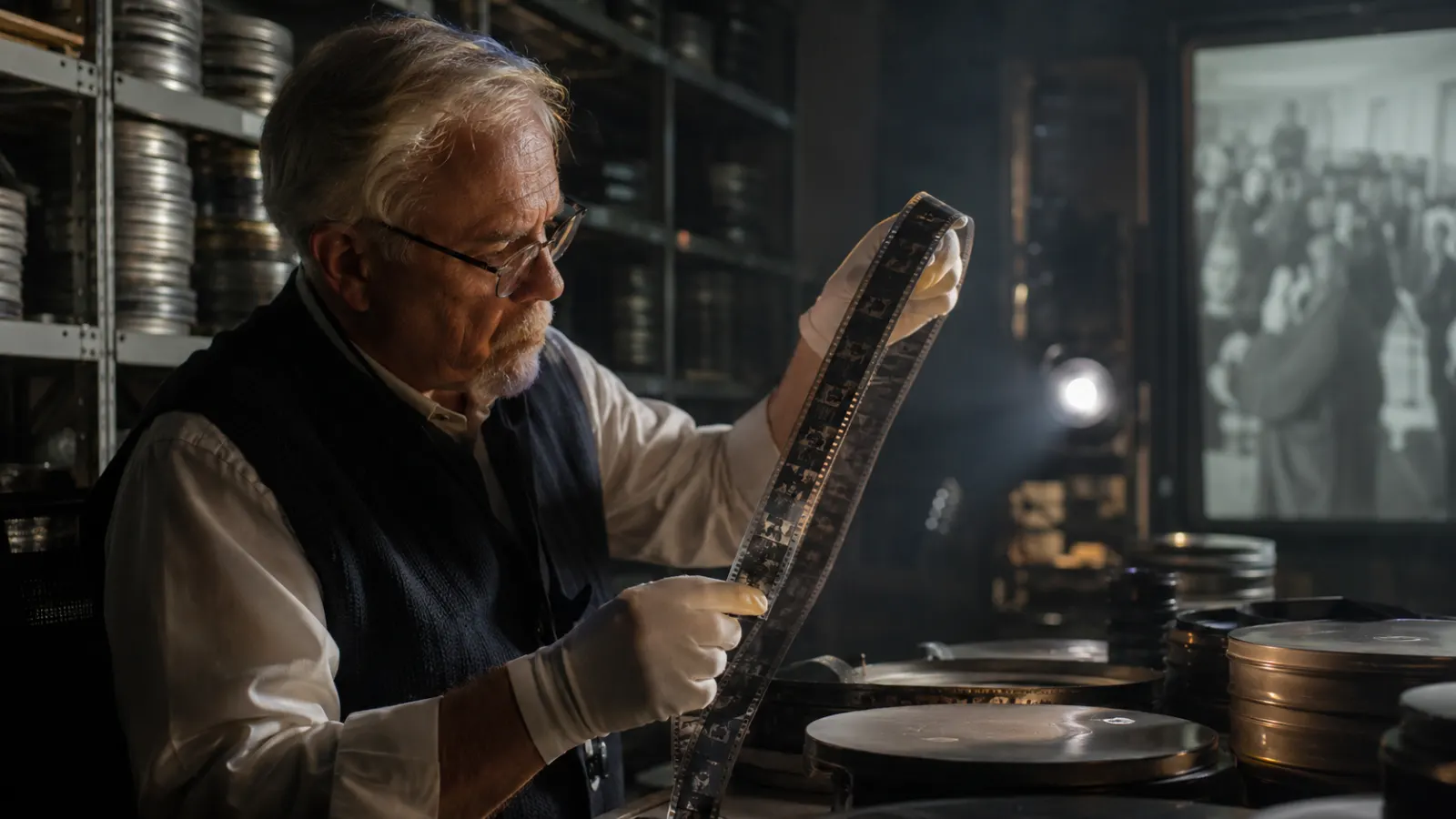
Spices, religions, musical instruments, stories, crops and clothing styles crossed borders long before anyone used the word globalisation.
What changed in the modern period is the scale, speed and density of those connections.
Steamships, railways, mass migration, broadcasting, air travel and eventually digital networks made cultural circulation more continuous.
Cultural Globalisation Is About Flows
Globalisation refers broadly to growing interdependence across economies, populations and societies. Cultural globalisation is the movement and interaction of cultural expressions across borders.
Those flows include people, media, languages, food, entertainment, religious practices, fashion, sport and ideas.
Migration Is One of the Oldest Cultural Networks
Migrants carry language, recipes, ceremonies and music into new places.
These practices rarely remain unchanged. Ingredients differ, laws change, younger generations reinterpret traditions and neighbours contribute influences.
Diaspora culture is therefore both preservation and transformation.
Trade Moves Culture Alongside Goods
Cultural exchange often travels through commercial networks. Tea, coffee, textiles, spices and manufactured goods have shaped taste as well as economies.
A traded product can acquire new symbolic meanings far from its origin.
Empire Globalised Unequally
Colonial expansion moved languages, legal systems, education, religion, architecture and administrative practices across large territories.
This was cultural exchange under unequal power. Colonised communities often adapted imported institutions while losing control over land, language or cultural representation.
Not every cultural flow is voluntary.
Mass Media Created Simultaneous Audiences
Film, radio and television allowed cultural products produced in one country to reach millions elsewhere.
Hollywood cinema, international music and global sports became common reference points across borders.
The concentration of production capacity created concerns that some countries could export far more culture than others.
Cultural Goods Are Not Ordinary Goods
UNESCO's 2005 Convention on the Diversity of Cultural Expressions emphasises that cultural goods and services carry identities, values and meanings as well as economic value.
This is why governments sometimes treat film, broadcasting, publishing and music differently from other trade sectors.
The Internet Accelerated Cultural Circulation
Digital networks allow music, video, humour and commentary to cross borders almost instantly.
A local creator can find a global audience without a traditional distributor.
At the same time, global platforms mediate discoverability, creating new concentrations of power.
Streaming Changed the Geography of Discovery
Audiences can now encounter films and music from countries that previously had limited physical distribution.
Subtitling, recommendation and online fandom allow cultural products to travel beyond diaspora audiences.
Yet catalogues and algorithms still determine what appears available.
Globalisation Produces Hybridity
Imported forms are frequently remade locally.
Musicians combine global genres with regional instruments. Restaurants adapt foreign dishes to local tastes. Television formats are remade for national audiences.
The result is not simple replacement but hybrid culture.
Hybridity Can Become Tradition
Many cultural forms treated as traditional today originated through earlier exchanges.
A borrowed ingredient, instrument or clothing form can become locally distinctive after generations of adaptation.
This makes claims of cultural purity historically difficult.
Global Formats Carry Local Content
A short-video platform may use the same interface globally while users fill it with different languages, humour and music.
Standardised infrastructure can therefore support diverse cultural content.
The question is whether the system gives that diversity comparable visibility.
Language Is Central to Cultural Power
Global languages reduce communication barriers and help cultural works travel.
But dominance can also make smaller languages less economically viable in publishing, education and digital media.
UNESCO's work on linguistic diversity stresses the need for local content and discoverability online.
Translation Expands Cultural Reach
Books, films and digital content cross linguistic borders through translation and subtitling.
Translation is itself creative interpretation. Humour, rhythm and cultural references must be negotiated rather than mechanically transferred.
Global Culture Is Not Equally Global
Some countries and companies possess far greater resources for production, marketing and distribution.
A film with a global advertising campaign does not compete on equal terms with a local production dependent on one regional market.
Unequal flows can make global culture appear more homogeneous than underlying cultural production actually is.
Tourism Changes Local Culture
Tourists create markets for crafts, food, performance and heritage.
This can support livelihoods and encourage preservation. It can also reward simplified versions designed for visitor expectations.
Cultural globalisation therefore changes not only what outsiders consume but how communities present themselves.
Global Brands Carry Cultural Meanings
Food chains, clothing brands, entertainment franchises and technology companies create recognisable environments across countries.
Their spread contributes to perceptions of sameness.
Yet consumers often localise global brands through different products, rituals and social meanings.
Cities Become Cultural Contact Zones
Large cities bring migrants, tourists, businesses and media into continuous interaction.
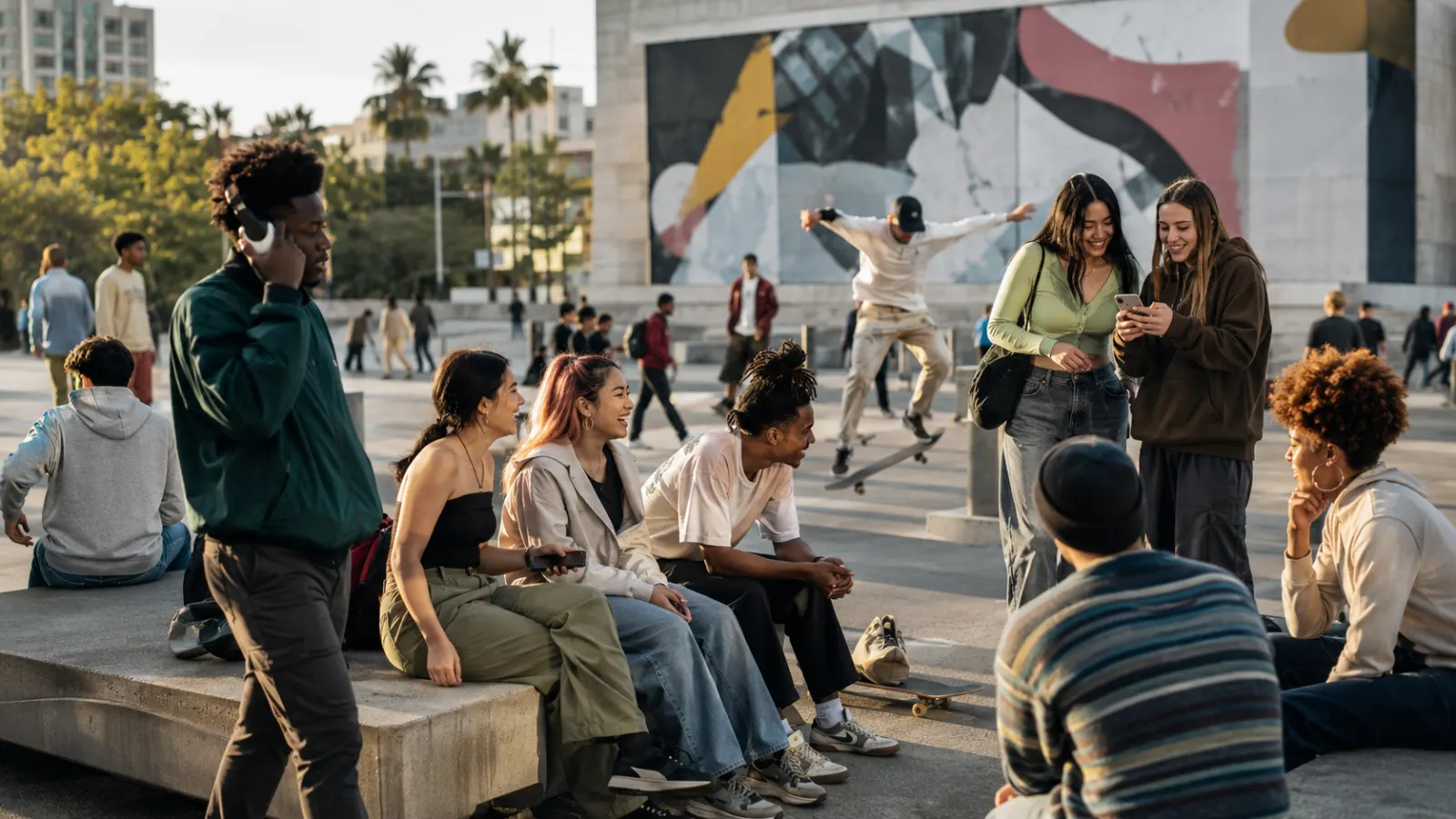
Neighbourhoods can contain religious institutions, restaurants, music scenes and languages from multiple regions.
Urban culture becomes one of globalisation's most visible laboratories.
Globalisation Can Strengthen Local Identity
External exposure can make communities more conscious of what distinguishes them.
A local food, language or festival may receive renewed attention precisely because global culture creates a stronger contrast.
Cultural identity can become more deliberate under globalisation.
Digital Platforms Can Help Minority Culture Travel
Creators working in smaller languages can reach diaspora and international audiences.
Online archives can document endangered music or oral traditions.
This is one reason UNESCO does not treat technology only as a threat to diversity.
The Same Platforms Can Reduce Diversity
If ranking systems favour dominant languages, high-budget producers or familiar formats, diverse content may exist without being discoverable.
UNESCO's recent cultural-policy work warns that artificial intelligence and digital recommendation systems can affect the visibility and circulation of cultural expressions.
Cultural Globalisation Changes Food
Ingredients and cuisines travel through migration, trade and media.
The result may be fusion, adaptation or standardisation.
A dish can become globally recognisable while developing many local versions.
Music Shows the Two-Way Process Clearly
Global genres spread rapidly, but musicians rarely copy them unchanged.
Hip-hop, electronic music, rock and pop have been translated into local languages and political contexts around the world.
The borrowed form becomes a vehicle for local expression.
Sport Is a Global Cultural System
Football, cricket and other major sports connect international rules with intensely local loyalties.
Fans participate in a global spectacle while supporting clubs, cities and nations.
Global and local identity can therefore reinforce each other.
Fashion Moves Through Layered Networks
Runways, celebrities, brands, street style and social platforms interact.
A garment may draw on local craft, be commercialised globally and then return to the source community in altered form.
These cycles raise questions about attribution and appropriation.
Religion Also Globalises
Religious communities use travel, migration and digital media to maintain transnational networks.
Practices adapt to local laws, languages and schedules. A global religion therefore contains many cultural versions.
Globalisation Can Produce Cultural Anxiety
Rapid change can create fear that familiar places, languages and customs are disappearing.
Some anxiety reflects real loss; some reflects discomfort with new groups or generations.
Editorially, those claims require evidence rather than nostalgia.
Homogenisation Is One Possible Outcome, Not the Definition
Cultural homogenisation occurs when differences decline and cultural forms become more similar.
Globalisation can contribute through dominant brands, languages and media systems.
But globalisation also produces hybridity, revival and new forms of difference. Article 59 examines this tension directly.
Power Determines Whose Culture Travels
Cultural globalisation should therefore be analysed through infrastructure and economics as well as taste.
Who owns platforms? Which languages are supported? Who can finance translation? Which creators receive marketing?
Cultural circulation is never only the spontaneous movement of ideas.
Cultural Policy Tries to Keep Exchange Open Without Making It One-Way
UNESCO's 2005 Convention supports both the free flow of ideas and the ability of countries to sustain diverse cultural expressions.
The policy challenge is not to stop exchange. It is to prevent exchange from becoming structurally dominated by a small number of cultural producers.
Global Culture Is Layered
A person can watch an international series, speak a regional language, follow a global sport, eat a family recipe and participate in a local religious festival in the same week.
These identities do not necessarily cancel one another.
Cultural Flows Are Often Asymmetrical
A small number of media-producing countries can export far more films, music and television than they import. This imbalance reflects capital, language reach, marketing and distribution infrastructure.
Cultural globalisation therefore has direction. Some cultures travel with institutional support while others depend on translation, festivals or diaspora networks.
Translation Is an Infrastructure of Globalisation
Cultural works cannot circulate widely without translation, subtitling, dubbing and localisation.
These systems determine which works become internationally legible. A strong translation ecosystem can expand diversity; weak translation capacity can make global culture look more concentrated than production really is.
Diasporas Are Cultural Bridges
Diaspora communities often introduce food, music, cinema and religious practices to new societies while remaining connected to producers in places of origin.
They can create the first market for a cultural form abroad, after which it reaches wider audiences.
Education Globalises Cultural Canons
International curricula, universities and academic publishing circulate texts, theories and languages across borders.
This can create shared intellectual vocabularies while also privileging institutions and traditions with greater global prestige.
Cultural Diplomacy Makes Exchange Strategic
States deliberately promote language, cinema, cuisine, exhibitions and cultural institutes abroad.
Cultural diplomacy shows that global cultural flows are not purely commercial or spontaneous. Governments use culture to build reputation, relationships and influence.
Intellectual Property Shapes Cultural Circulation
Copyright enables creators and producers to earn from international distribution, but licensing can also limit availability by territory.
Digital piracy complicates the picture by expanding access outside authorised markets while weakening some revenue models.
Cultural Globalisation Can Create New Centres
Global influence does not always move from one traditional centre outward. Regional film industries, music scenes and digital creators can become transnational hubs.
Successful cultural forms from South Korea, India, Nigeria, Latin America and elsewhere show that global circulation can be multipolar.
Platforms Can Make Small Markets Reachable
Physical distribution often made small audiences uneconomic. Digital catalogues can aggregate scattered fans across countries.
This creates opportunities for niche culture, although platform recommendation still determines whether potential audiences discover it.
Food Globalisation Changes Agriculture Too
Global demand for particular ingredients can reshape farming, prices and land use in producing regions.
A fashionable food trend in one country may therefore have environmental and labour consequences elsewhere.
Global Fashion Can Revive and Commercialise Craft
Designers may bring regional textiles and techniques to international markets, providing income and recognition.
The same process can reduce complex traditions to decorative motifs when source communities receive little credit or control.
Global Festivals Create Cultural Networks
Film festivals, book fairs, art biennales and music festivals connect artists, funders, critics and audiences across borders.
These institutions help cultural works travel, but they also act as gatekeepers that determine which creators receive international visibility.
Standardisation Can Make Exchange Easier
Common file formats, subtitles, payment systems and platform interfaces reduce friction across countries.
Paradoxically, standardised infrastructure can support diverse cultural content by making distribution easier.
Cultural Globalisation Also Changes Time
Audiences no longer wait years for foreign films, music or fashion to arrive locally. Simultaneous global releases compress cultural time.
This can make trends appear everywhere at once and reduce the period in which local versions develop independently.
Resistance Is Part of Globalisation
Local-language movements, independent cinemas, regional food campaigns and heritage revivals are often responses to global competition.
Resistance itself uses global tools: activists share strategies, raise funds and find international audiences online.
There Is No Neutral Global Marketplace
What reaches the world depends on infrastructure, capital, language, policy and platform design.
A culture can be creatively vibrant and still remain internationally invisible if these channels are weak.
The Question Is Not Local Versus Global
People rarely choose one level exclusively. They combine local obligations with global entertainment, regional language with international work, and inherited rituals with new technologies.
Cultural globalisation is therefore layered identity rather than simple replacement.
Cultural Rights Set a Boundary
Cultural exchange is not only a market process. People and communities have interests in participating in cultural life, using language and maintaining cultural expression.
These rights do not require isolation from outside influence, but they strengthen the case for policies that prevent one-way cultural domination.
Globalisation Can Produce Cultural Backlash
When people perceive rapid cultural change as loss of control, political movements may promise protection of language, religion or national tradition.
Such reactions can support legitimate preservation or become exclusionary nationalism. The distinction depends on whether cultural protection is used to expand participation or deny equal belonging to others.
Global cultural exchange is therefore inseparable from questions of infrastructure, rights and representation. Openness matters, but so does the ability of smaller cultures to remain visible within open systems.
Without that capacity, global circulation may remain formally open while practical cultural influence stays concentrated among actors with the strongest infrastructure and capital.
Power shapes circulation.
The Globalisation of Culture
Cultural globalisation is best understood as intensified connection rather than simple sameness.
It moves cultural forms across borders faster and exposes communities to more alternatives. Those forms are then adopted, rejected, translated and remixed.
The process is unequal because countries, languages and platforms possess different levels of power.
The result is neither a perfectly diverse mosaic nor a single global culture. It is an ongoing struggle over which cultural expressions can travel, survive and remain visible.
Sources / Further Reading
• UNESCO — Convention on the Diversity of Cultural Expressions — https://www.unesco.org/en/legal-affairs/convention-protection-and-promotion-diversity-cultural-expressions
• UNESCO — Globalization and Cultural Diversity — https://unesdoc.unesco.org/ark:/48223/pf0000121070
• UNESCO — Globalization and Intangible Cultural Heritage — https://unesdoc.unesco.org/ark:/48223/pf0000140090
• UNESCO — Global Report on Cultural Policies — https://www.unesco.org/en/culture/global-report
• UNESCO — Protecting cultural diversity in the digital era — https://www.unesco.org/en/articles/cutting-edge-protecting-and-preserving-cultural-diversity-digital-era
• UNESCO Institute for Statistics — Culture and global cultural flows — https://www.uis.unesco.org/en/culture
Suggested Internal Links
• How the Internet Changed Culture — Article 56
• What Is Digital Culture — Article 57
• What Is Cultural Homogenisation — Article 59
• Understanding the Loss of Local Traditions — Article 60
• What Is Cultural Appropriation — Planned internal link