A Drink That Often Means “Stay a While”
A cup of tea is easy to underestimate because it is so ordinary. It can appear at breakfast, in a workplace, beside a roadside stall, after a meal, during negotiations, at a wedding, in a monastery or in the quiet minutes between members of a family. The liquid may be similar, but the social meaning is not. In many places, offering tea is a small ceremony through which a host says: you are welcome here.
That is the cultural role of tea. It is not one universal tradition but a family of practices through which societies organise hospitality, conversation, identity, craft and everyday time. UNESCO’s recognition of tea-related practices in China, Azerbaijan and Türkiye illustrates this clearly: tea is treated not simply as a crop or commodity, but as knowledge, technique and social interaction transmitted across generations.
Tea Creates a Social Pause
Most daily activities are goal-directed. Tea often inserts a pause between them. The pause may last five minutes or an hour, but it changes the rhythm of interaction. In an office, “tea” can mean an informal discussion that would feel too stiff in a meeting room. In a household, it can be the moment when family members return from work and reconnect. At a roadside stall, it can produce temporary company among people who did not arrive together.
The drink matters partly because it gives the meeting a reason. People do not need to announce that they want companionship, negotiation or gossip. They can simply make or order tea. The beverage acts as social infrastructure: inexpensive, repeatable and familiar.
Hospitality Becomes Visible
Hospitality is an abstract value until it is performed. Tea makes it visible through a sequence of actions: selecting the tea, heating water, preparing cups, serving others and often serving oneself last. The details differ enormously across societies, but the principle is recognisable.
UNESCO describes the culture of çay in Azerbaijan and Türkiye as a practice associated with hospitality and the maintenance of social ties. Tea is offered to guests and used during meetings and important moments. In China, UNESCO’s documentation of traditional tea processing and social practices links tea not only to cultivation and craft but to drinking and sharing in homes, workplaces, tea houses, restaurants and temples.
These examples matter because they show that cultural meaning resides in relationships around the cup. The same leaves can be brewed differently, served in different vessels and embedded in different etiquettes. Culture is not the ingredient alone; it is the pattern of behaviour that makes the ingredient meaningful.
The Vessel, the Method and the Setting Matter
Tea cultures often develop distinctive material worlds. Kettles, strainers, glasses, bowls, clay pots, porcelain, samovars and trays are not incidental decoration. They shape the pace and performance of serving. Some traditions emphasise repeated infusions; others boil tea strongly. Some add milk, sugar, spices, butter or salt. Some value transparency and colour in the glass. Others focus on aroma, temperature or the sequence of preparation.
This makes tea both intangible and tangible heritage. The knowledge of how to prepare and serve it is intangible; the tools and spaces through which that knowledge is expressed are material. A tea house, family kitchen or roadside stall can therefore become a social institution as much as a commercial location.
Tea Can Mark Identity and Place
Tea often acquires geographical identity. Darjeeling, Assam and Kangra in India are not merely production zones; they are names through which landscapes, labour histories, flavour expectations and regional reputation are communicated. Tea Board India describes Darjeeling tea as a protected geographical indication and an icon of cultural heritage, while its material on Kangra traces commercial cultivation in that region to the nineteenth century.
Yet place works in more than one direction. A tea may represent where it is grown, while a style of drinking may represent where people live. Indian masala chai, British milk tea, Turkish çay and Chinese gongfu-style practices cannot be reduced to a single global “tea culture.” Their ingredients and techniques may have travelled, but communities localised them.
Colonialism Turned Tea Into a Global Commodity
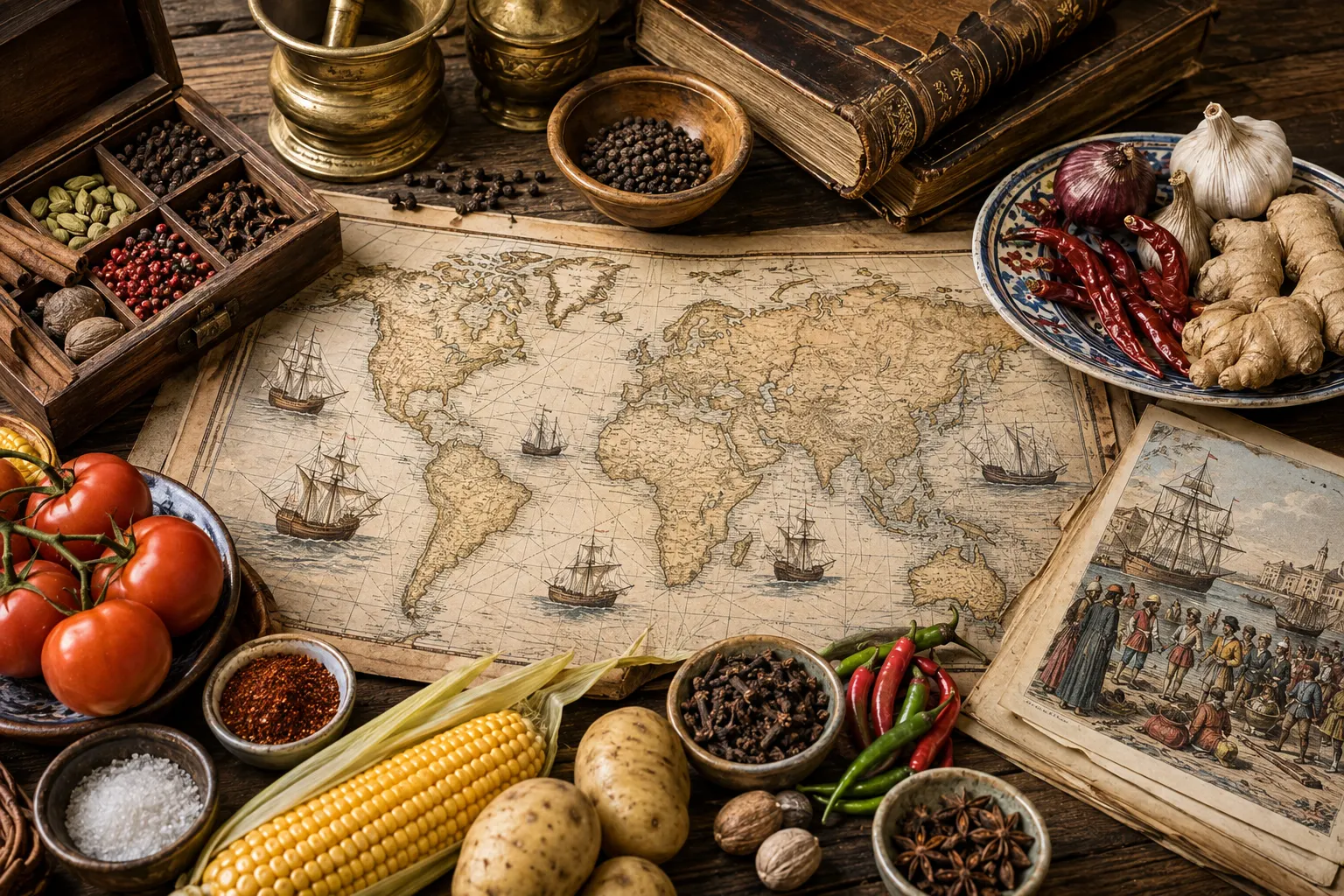
Tea’s global cultural role cannot be separated from political economy. European imperial expansion transformed cultivation, shipping and consumption. In South Asia, large plantation systems expanded under colonial rule and created labour regimes whose social consequences extended far beyond the cup. In Britain and other markets, tea became associated with domestic routines and social respectability at the same time that its supply depended on empire.
That history complicates nostalgic accounts of tea. A comfortable ritual for consumers could coexist with coercive or unequal conditions of production. Cultural history therefore has to hold two levels together: what tea meant at the table and how the tea reached the table.
Tea Rituals Can Express Respect
In some societies, the order and manner of serving tea carry meanings of age, status, kinship or respect. Weddings may use tea as part of formal family recognition. Religious or philosophical traditions may value attentiveness, restraint or harmony in preparation. Everyday households may have much simpler conventions, but even these can communicate care.
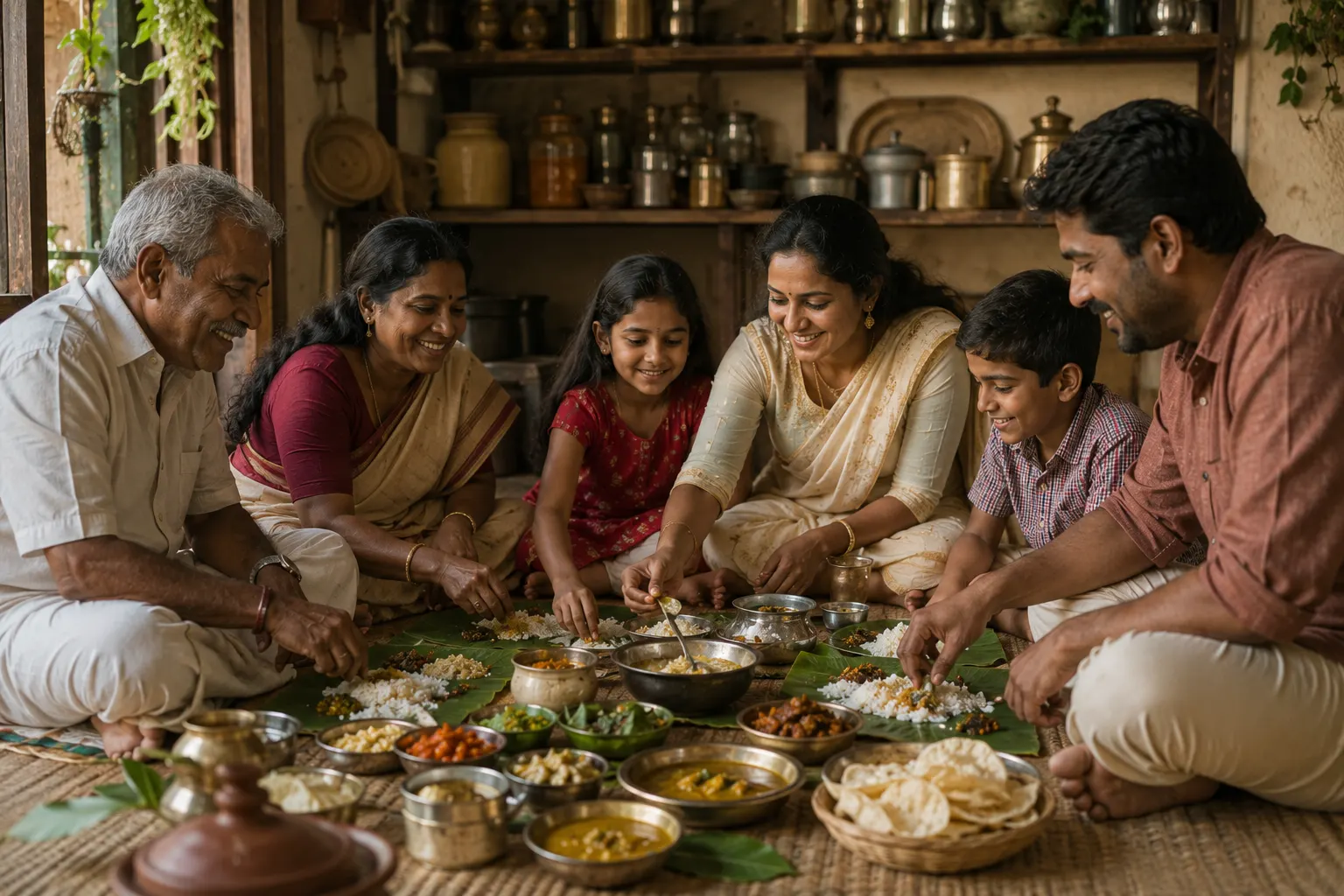
Ritual does not require elaborate ceremony. Repetition itself can make an action ceremonial. The person who always prepares evening tea, the cup reserved for a grandparent or the habit of serving a guest before asking why they came can become part of a household’s moral grammar.
Tea Houses and Stalls Create Public Social Space
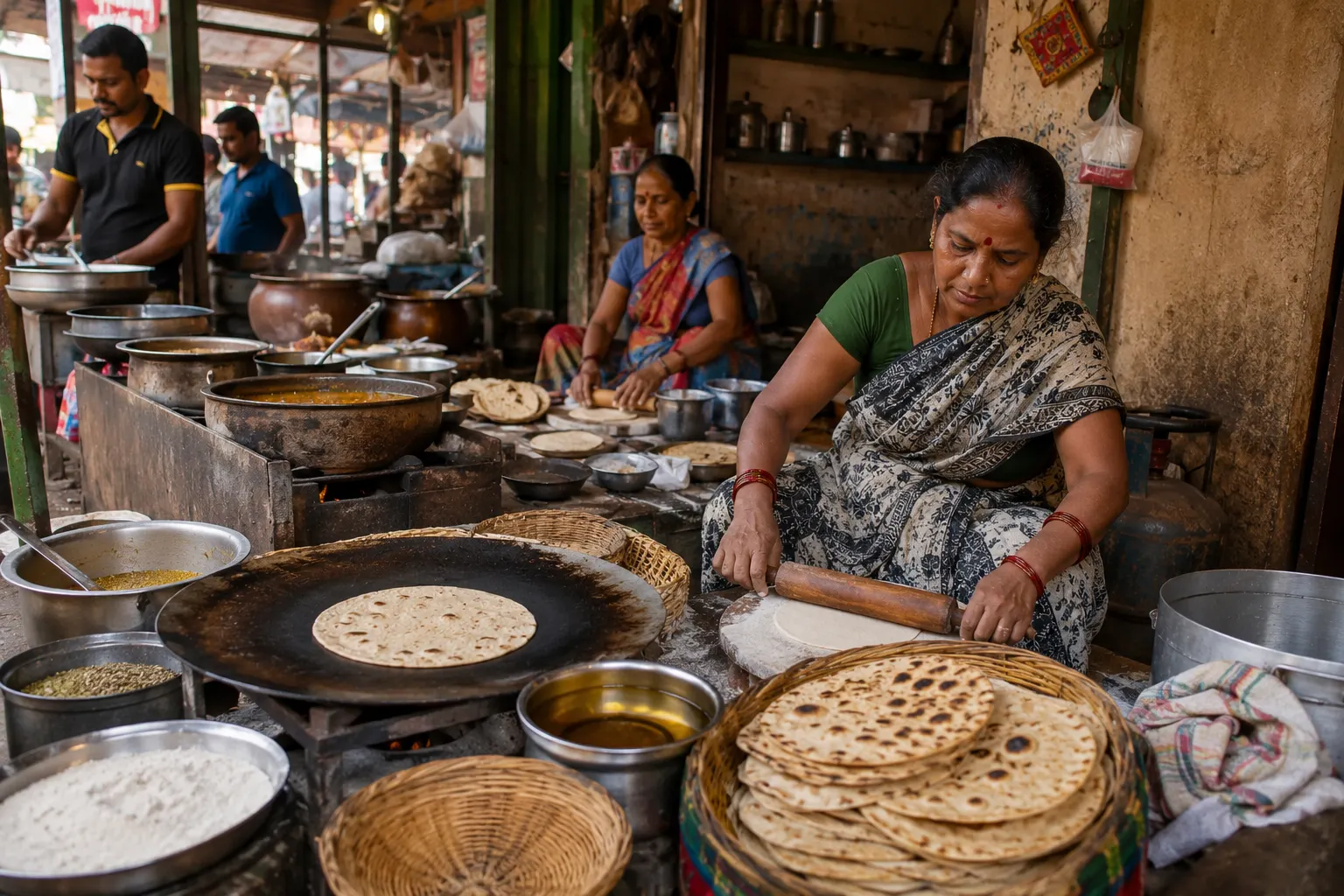
Tea culture is not confined to private homes. Tea houses, cafés and stalls can function as semi-public spaces where news circulates, relationships form and routine encounters accumulate. Their importance is especially visible where people have limited access to private meeting space or where street commerce is central to urban life.
Such places can be socially inclusive in one sense and exclusive in another. A cheap tea stall may bring together workers, drivers and local residents, yet public drinking spaces in some societies have historically been more accessible to men than women. Class, caste, ethnicity and occupation can also shape who feels comfortable in a particular venue. “Community” should therefore never be assumed to mean equal access.
The Daily Cup Can Carry Memory
Because tea is repetitive, it becomes attached to biography. People remember how a parent brewed it, the sweetness preferred by a grandparent, the thermos taken on journeys, the tea served during examinations, courtship or bereavement. The drink becomes a sensory archive.
Migration often strengthens this effect. Preparing tea “the way we do at home” can produce continuity in a new country. At the same time, migrants adapt to new ingredients, appliances and schedules. The result is not cultural loss or purity, but transformation.
Modern Tea Culture Keeps Changing
Tea bags, bottled tea, bubble tea, specialty shops, wellness marketing and social media aesthetics have changed how younger consumers encounter the beverage. Some developments simplify older practices; others generate new ones. A Taiwanese beverage can become a youth culture marker in cities worldwide. A traditional tea region can market terroir and craft to global specialty consumers. A household accustomed to boiled milk tea may experiment with green or oolong tea.
Globalisation therefore does not erase tea culture. It creates additional layers. A person may participate in a family tea habit, a national style and a transnational café culture at the same time.
Why Tea Matters Culturally
Tea has no single cultural meaning. It can represent welcome, discipline, refinement, work breaks, family routine, status, spirituality, trade, empire or regional pride. Its durability comes partly from this flexibility.
The cup is small enough to fit into everyday life but structured enough to carry ritual. It gives people a reason to gather without requiring a major occasion. It turns hospitality into action and memory into taste.
That is why tea can remain culturally powerful even when its preparation changes. The enduring object is not one “correct” recipe. It is the social possibility created when one person prepares something, places it before another and makes time for the encounter.
Tea, Labour and the Hidden Social World of Production
The cultural life of tea is usually described from the consumer side, but plantations and small farms are also communities. Tea landscapes organise housing, seasonal work, transport and local economies. In India and elsewhere, plantation history includes difficult questions about labour recruitment, wages, gendered work and access to services. These realities are part of tea culture because the prestige of a region or brand is inseparable from the people who cultivate and process the leaves.
A responsible account therefore resists the image of tea as pure tranquillity. The same commodity can support hospitality at one end of the chain and expose inequality at the other. Cultural appreciation becomes more credible when it includes production rather than treating the cup as if it appeared independently of land and labour.
Sources / Further Reading
• UNESCO Intangible Cultural Heritage — Traditional tea processing techniques and associated social practices in China — https://ich.unesco.org/en/RL/traditional-tea-processing-techniques-and-associated-social-practices-in-china-01884
• UNESCO Intangible Cultural Heritage — Culture of Çay (tea), a symbol of identity, hospitality and social interaction — https://ich.unesco.org/en/RL/culture-of-cay-tea-a-symbol-of-identity-hospitality-and-social-interaction-01685
• Tea Board India — Official website and tea-region resources — https://www.teaboard.gov.in/
• UNESCO World Heritage Centre — Cultural Landscape of Old Tea Forests of the Jingmai Mountain in Pu’er — https://whc.unesco.org/en/list/1665/
Suggested Internal Links
Understanding the History of Coffee Culture — Article 12
Understanding Regional Cuisines of India — Article 10
What Is the Importance of Rituals — Planned internal link
Understanding the Value of Belonging — Planned internal link
Understanding the Globalisation of Culture — Planned internal link
Draft body word count: approximately 1,467 words.