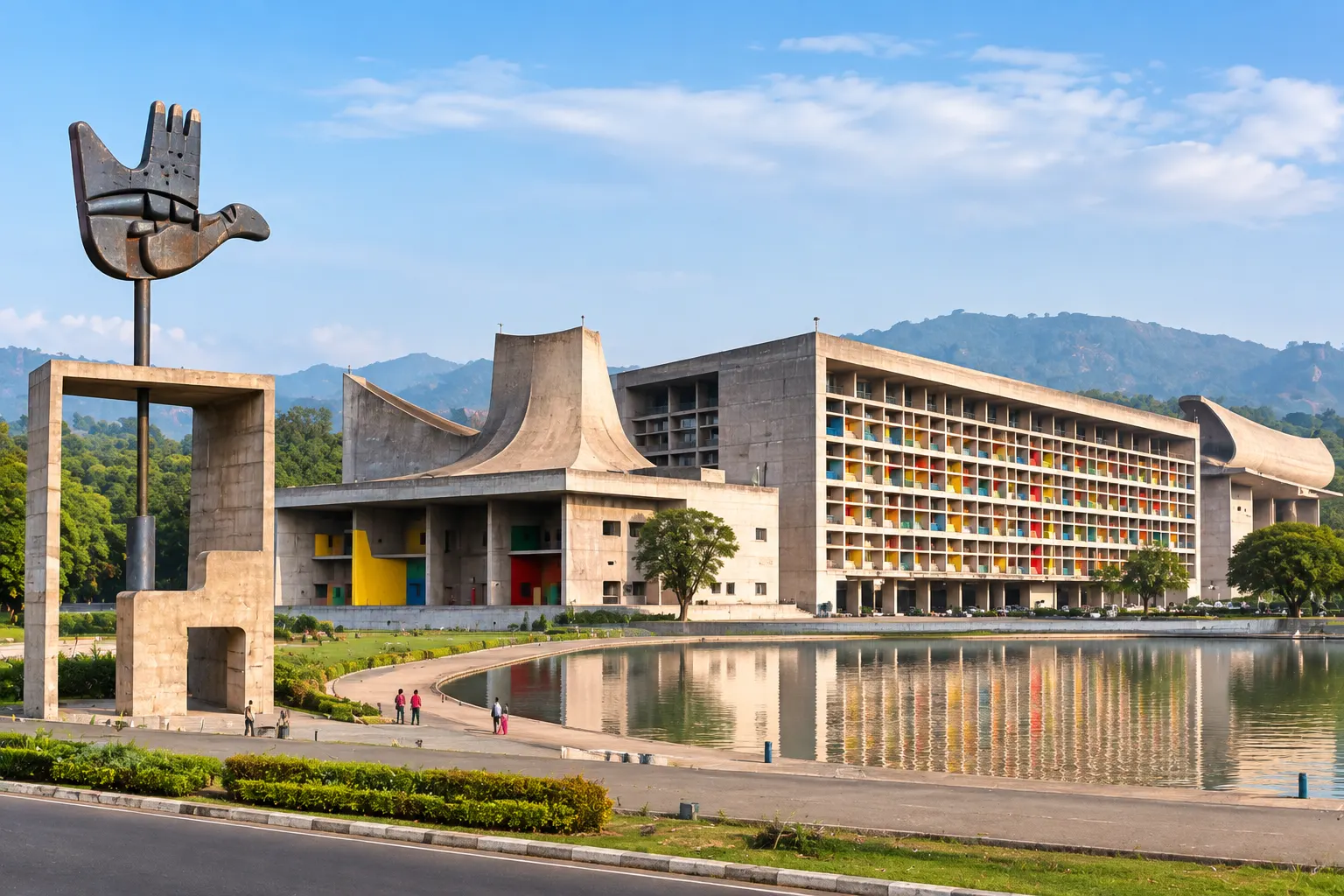
World Heritage Is a Status, Not a Compliment
The phrase 'World Heritage Site' is often used as though UNESCO simply chooses the world's most impressive old buildings and landscapes. That is not how the system works.
World Heritage is a formal international framework created by the 1972 Convention concerning the Protection of the World Cultural and Natural Heritage. A property is inscribed because the World Heritage Committee concludes that it has Outstanding Universal Value and satisfies the Convention's requirements for protection and management.
The distinction matters. A place can be historically important without being a World Heritage Site, and a World Heritage property does not become the legal property of UNESCO.
What Does 'Outstanding Universal Value' Mean?
Outstanding Universal Value, usually shortened to OUV, is the core concept. It means cultural or natural significance considered so exceptional that its importance transcends national boundaries and is relevant to present and future generations of humanity.
This does not mean everyone in the world must regard the property as equally important. It means the case for significance has to be made in an international comparative framework rather than only through national pride.
A Site Must Meet at Least One of Ten Criteria
UNESCO currently uses ten selection criteria. The first six primarily address cultural values, while the remaining criteria address natural phenomena, earth history, ecological processes and biodiversity.
Cultural criteria include exceptional creative achievement, important exchanges of human values, testimony to cultural traditions, outstanding architectural or technological examples, traditional settlement and association with events, beliefs or artistic and literary works of outstanding universal significance.
Natural criteria include exceptional natural beauty, major stages of earth history, ecological and biological processes, and significant habitats for biodiversity conservation.
Meeting a Criterion Is Not Enough
A nomination also has to demonstrate integrity and, for relevant cultural properties, authenticity. It must have adequate long-term protection and management.
This prevents the criteria from becoming a checklist detached from conservation. A spectacular site whose essential values cannot realistically be protected may not satisfy the system's full requirements.
Cultural, Natural and Mixed Properties
The World Heritage List includes cultural properties, natural properties and mixed properties that satisfy both cultural and natural criteria.
As checked on UNESCO's official list in August 2026, the List contains 1,273 properties: 991 cultural, 240 natural and 42 mixed properties across 173 States Parties.
These totals change when the World Heritage Committee inscribes new properties, extends or combines existing ones, or in rare circumstances deletes a property.
Countries Nominate; UNESCO Does Not Simply Pick
One of the most persistent misconceptions is that UNESCO scouts the world and independently designates sites. In the normal process, States Parties to the Convention prepare nominations.
The first mandatory step is inclusion on a country's Tentative List, an inventory of cultural and natural heritage that the State Party may consider nominating in the coming years.
The Tentative List Is More Important Than It Sounds
A property cannot normally proceed to a World Heritage nomination unless it has first appeared on the State Party's Tentative List.
UNESCO now encourages wide participation in preparing these lists, including site managers, local and regional government, communities, Indigenous peoples, NGOs and other rights-holders.
That emphasis reflects a wider shift in heritage practice: international recognition is more sustainable when people who live with the site are involved before the nomination becomes a diplomatic project.
Preliminary Assessment Comes Before the Full Nomination
The nomination process now includes a mandatory Preliminary Assessment. This is a desk-based process through which a State Party can receive advice from the relevant Advisory Bodies about whether the proposed property appears capable of demonstrating Outstanding Universal Value.
The purpose is partly practical. Full nominations require extensive comparative research, mapping, legal documentation, management planning and consultation. Early assessment can identify weaknesses before enormous resources are committed.
The Full Nomination Is a Conservation Case
A nomination dossier must describe the property precisely, define its boundaries, justify its Outstanding Universal Value, explain which criteria are met and document protection and management.
It is therefore more than an application for prestige. The dossier is an argument about significance and a plan for stewardship.
Who Evaluates the Nomination?
The World Heritage Convention has specialist Advisory Bodies. ICOMOS evaluates cultural nominations, IUCN evaluates natural nominations, while ICCROM has a major advisory role in conservation and training.
Their evaluations inform the World Heritage Committee, which makes the formal decision.
The World Heritage Committee Makes the Decision
The Committee can inscribe a property, refer or defer a nomination for more information or substantial revision, or decide not to inscribe it.
Inscription is therefore not automatic even when a national government strongly supports the proposal.
World Heritage Status Does Not Transfer Ownership
A World Heritage property remains within the territory and legal jurisdiction of the State Party concerned. UNESCO does not acquire the land, monument or ecosystem.
The Convention instead creates an international commitment: the State recognises that protecting the property's Outstanding Universal Value is a responsibility owed beyond the immediate national interest.
Management Continues After Inscription
Getting onto the List is not the end of the process. States have to maintain the values for which the property was inscribed.
Protection may involve planning controls, conservation programmes, visitor management, ecological monitoring, disaster preparedness, community participation and regulation of development around the property.
World Heritage Sites Are Monitored
The Convention has monitoring mechanisms because conditions change. Periodic Reporting allows States Parties and the Committee to review implementation and conservation over time.
Reactive Monitoring is used for particular properties facing serious threats or major proposed changes that could affect Outstanding Universal Value.
What Is the List of World Heritage in Danger?
The List of World Heritage in Danger is not simply a blacklist or punishment. It identifies properties whose defining values face serious threats and can focus international attention, expertise and corrective action.
Threats may include armed conflict, uncontrolled development, natural disaster, environmental degradation, abandonment or other major changes.
Can a Site Lose World Heritage Status?
Yes. Removal is rare, but the Convention's procedures allow deletion if the values that justified inscription have been lost.
That possibility shows why World Heritage is different from an honorary title. The status depends on maintaining the significance for which the property was recognised.
Tourism Is Not the Purpose of the Convention
World Heritage designation can increase tourism dramatically. That may bring revenue, jobs and political support for conservation.
It can also create overcrowding, rising property prices, pressure on infrastructure and damage to sensitive sites. A nomination that treats inscription mainly as a tourism brand misunderstands the Convention's purpose.
Local People Still Matter After Global Recognition
The word 'world' can make a property sound as though international visitors become more important than residents. In practice, many World Heritage places are living cities, cultural landscapes or environments in which communities work and maintain traditions.
Conservation that protects architecture while displacing the people who sustain local life can undermine the very values it claims to protect.
World Heritage Is Selective by Design
The List cannot contain every important place. The standard is Outstanding Universal Value, not simply historical importance.
Local, regional and national heritage systems therefore remain essential. A place does not need UNESCO recognition to deserve serious conservation.
World Heritage Is International Cooperation
The Convention also creates mechanisms for technical assistance, shared expertise and international cooperation. A country's sovereignty is not replaced, but heritage protection becomes part of a wider system in which conservation knowledge and responsibility can cross borders.
Transboundary and transnational properties make this especially visible because one heritage value may depend on several States coordinating management.
Boundaries and Buffer Zones Matter
World Heritage protection is spatial. A nomination identifies the property precisely, and management may also depend on buffer zones or wider planning controls.
A monument can remain physically intact while a high-rise, road or industrial project changes the setting that contributes to its Outstanding Universal Value. Conservation therefore often extends beyond the monument itself.
International Recognition Does Not Remove Local Rights
World Heritage properties can include inhabited landscapes, Indigenous territories and living urban areas. Recognition should not be used to treat residents as obstacles to conservation.
UNESCO's current nomination guidance encourages participation by communities, Indigenous peoples and other rights-holders because long-term management depends on people who live with the property.
What the Label Should Tell a Visitor
When visitors see the World Heritage emblem, the useful question is not only 'why is this famous?'
It is: what specific values were judged to be of Outstanding Universal Value, how are those values being protected, and what responsibilities come with the designation?
That shift turns World Heritage from a travel checklist into what the Convention intended: a system for identifying exceptional cultural and natural inheritance and protecting it for people who have not yet been born.
Sources / Further Reading
• UNESCO World Heritage Centre — World Heritage List — https://whc.unesco.org/en/list/
• UNESCO World Heritage Centre — Criteria for Selection — https://whc.unesco.org/en/criteria/
• UNESCO World Heritage Centre — World Heritage List Nominations — https://whc.unesco.org/en/nominations/
• UNESCO World Heritage Centre — World Heritage Convention text — https://whc.unesco.org/en/conventiontext/
• UNESCO World Heritage Centre — Reactive Monitoring — https://whc.unesco.org/en/reactive-monitoring/
• UNESCO World Heritage Centre — Periodic Reporting — https://whc.unesco.org/en/periodicreporting/
Suggested Internal Links
• What Heritage Really Means—and Why Societies Choose to Preserve It — Article 39
• Why Historical Monuments Matter — Article 40
• Why We Protect the Past — Article 42
• Why Museums Matter — Article 43
• How Museums Preserve Memory — Article 44