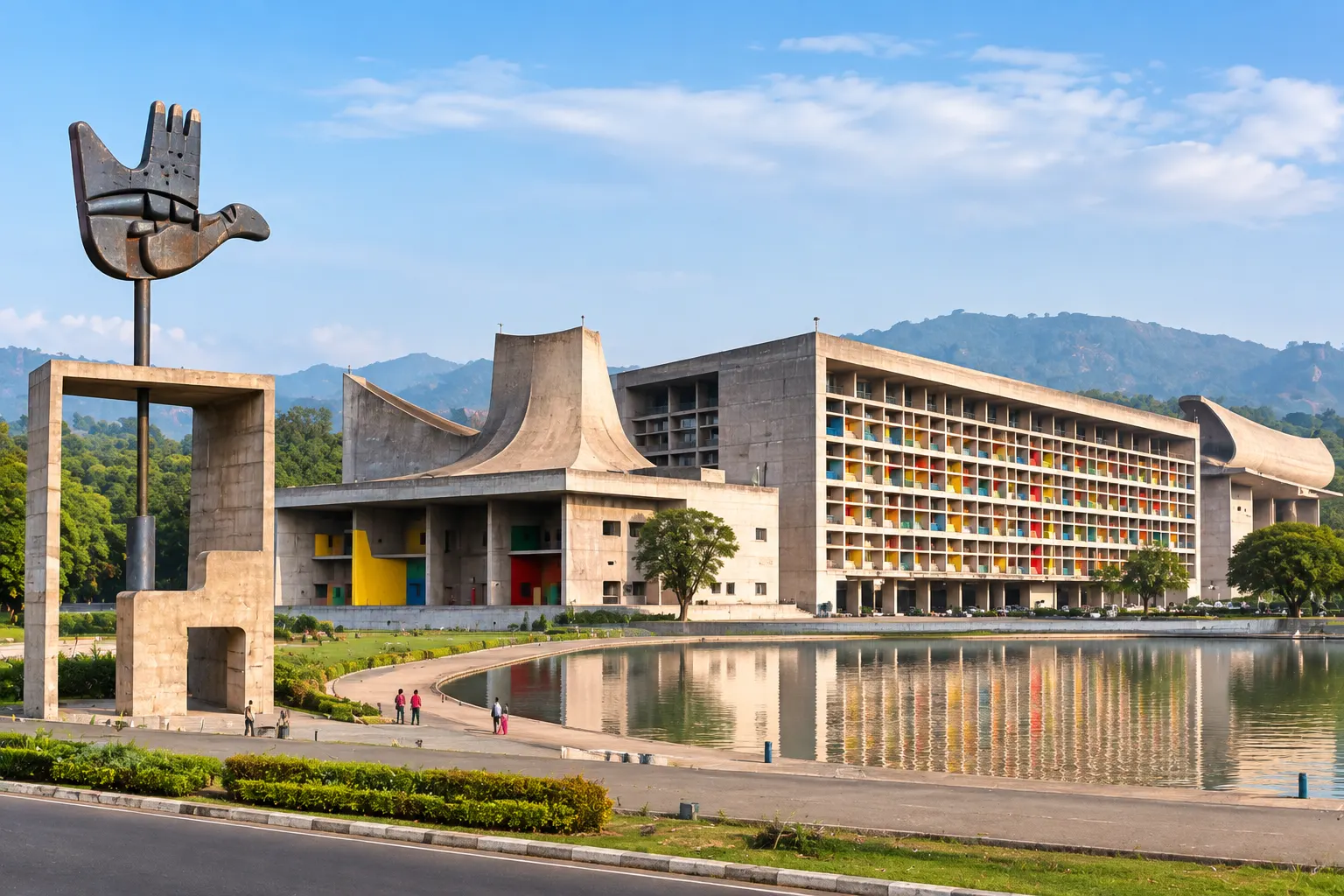
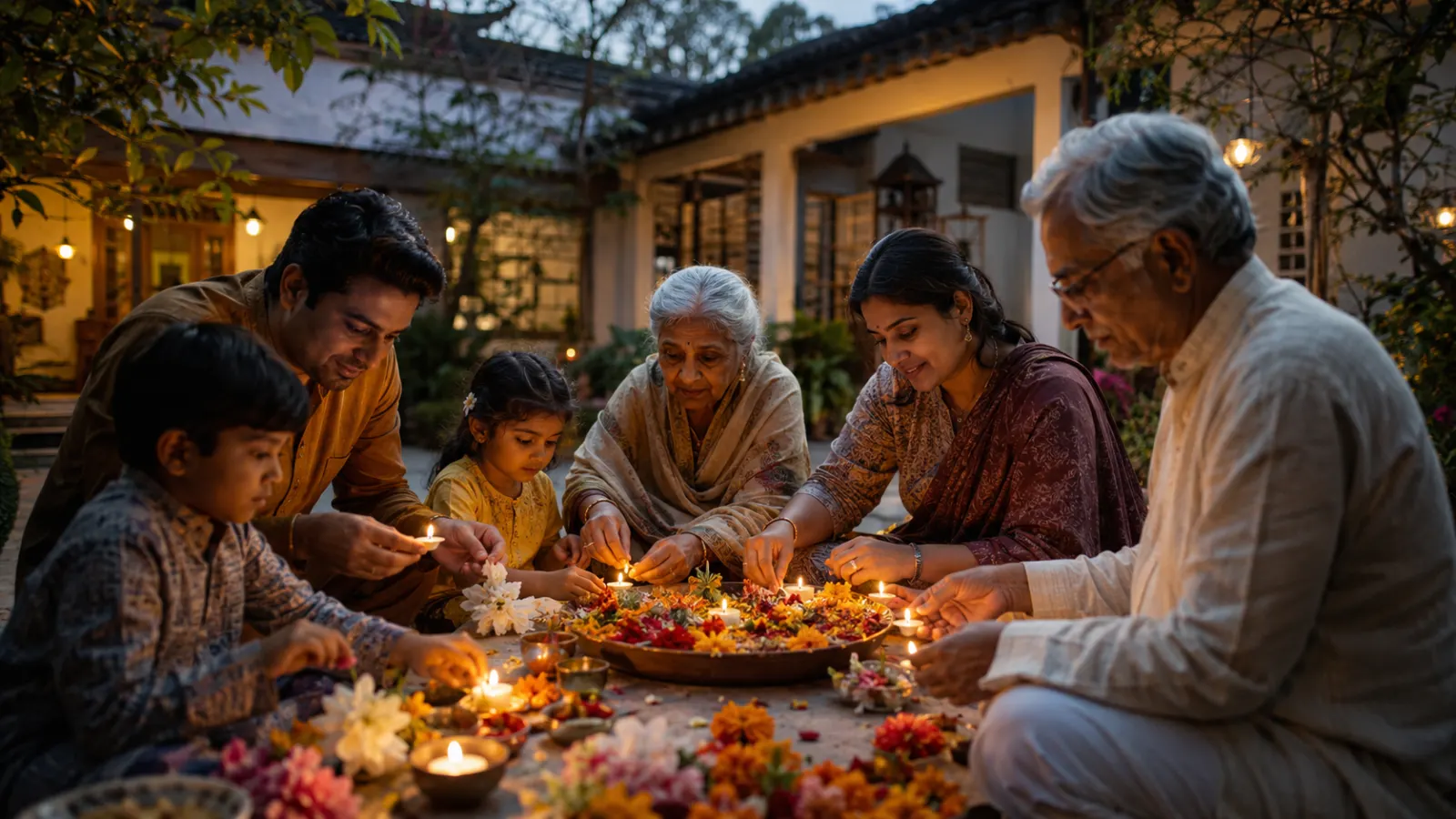
Heritage Is Not Simply 'Old Things'
A fifty-year-old factory may be heritage while a five-hundred-year-old structure may be neglected. A song can be heritage even though it has no physical form. A forest can be heritage because of natural significance.
Heritage is therefore not defined by age alone.
It is an inheritance that people consider significant enough to carry forward.
Heritage Is a Choice
Every society inherits more from the past than it can preserve. Buildings decay, practices disappear and archives overflow.
Preservation requires selection. Governments, communities, scholars, religious institutions, families and museums all decide what deserves attention.
Those decisions reveal present-day values.
UNESCO's World Heritage Framework
The 1972 World Heritage Convention defines cultural heritage through monuments, groups of buildings and sites of outstanding universal value, while also protecting natural heritage.
Its central principle is transmission: States Parties accept responsibility for identifying, protecting, conserving and passing heritage to future generations.
World Heritage Is Only One Category
Most culturally important places are not World Heritage Sites. Local markets, neighbourhoods, family archives, cemeteries and industrial structures may have intense regional or community significance without meeting a global threshold.
World Heritage status should therefore not be mistaken for a complete ranking of human culture.
Tangible Heritage
Tangible cultural heritage includes buildings, monuments, archaeological sites, objects, landscapes and other physical evidence.
Its materiality creates practical conservation problems: stone weathers, timber decays, metal corrodes and disasters destroy structures.
Intangible Heritage
UNESCO also recognises living heritage such as oral traditions, performing arts, rituals, festive events, knowledge about nature and traditional craftsmanship.
These forms cannot be preserved by locking them in a museum. They survive through practice and transmission.
Natural and Cultural Heritage Overlap
The World Heritage Convention was innovative because it linked nature conservation and cultural preservation in one international treaty.
Many landscapes are shaped by long relationships between people and environment. Separating nature from culture can therefore distort how communities understand a place.
Why Preserve Heritage? Memory
Preservation keeps evidence available. A building, document or ritual can support historical understanding that would otherwise depend on incomplete description.
The National Park Service describes preservation as a conversation with the past about the future, including both achievements and painful history.
Why Preserve Heritage? Identity
People use inherited places and traditions to answer questions about belonging: where did we come from, what do we share, which experiences shaped us?
Heritage can strengthen identity, especially for communities whose histories were marginalised in official narratives.
Why Preserve Heritage? Education
Historic places make abstraction concrete. A student can understand industrialisation differently by walking through a factory complex, or segregation by examining spaces designed to separate people.
Physical and living heritage therefore complement written history.
Why Preserve Heritage? Continuity
Rapid urbanisation and migration can make places feel disposable. Heritage offers continuity—not necessarily resistance to change, but evidence that the present is connected to earlier lives.
This psychological role helps explain why communities sometimes mobilise strongly around buildings outsiders consider ordinary.
Preservation Is Not Freezing
UNESCO's Historic Urban Landscape approach recognises historic cities as dynamic living environments. Conservation must coexist with housing, infrastructure, economic activity and contemporary architecture.
A perfectly frozen neighbourhood may cease to function as a community.
Use Can Support Conservation
ICOMOS's Venice Charter recognises that socially useful use can help conserve monuments, provided new functions do not destroy essential character.
Adaptive reuse demonstrates this principle. Continued occupation can be better for a building than abandonment.
Authenticity Is More Complicated Than 'Original'
Historic places often contain material from many periods. Repair, adaptation and reconstruction may all be part of the site's history.
Conservation therefore asks which values must be retained rather than assuming every later change should be removed.
Heritage Can Be Painful
Prisons, battlefields, sites of enslavement and locations of political violence may be heritage because society needs evidence of injustice, not because the past deserves celebration.
Preserving painful sites can support accountability and public memory.
Heritage Can Also Be Contested
A monument celebrated by one group may symbolise conquest to another. A colonial building may be valued architecturally while representing oppression.
Contested heritage forces societies to decide whether to preserve, reinterpret, relocate or remove particular symbols.
Who Owns Heritage?
Legal ownership and cultural ownership are not always the same. A collector may legally possess an object that a community considers sacred or wrongfully removed.
Restitution debates show that preservation cannot be separated from questions of justice and consent.
Tourism Can Fund and Damage Heritage
Visitors generate revenue and political attention, but mass tourism can overload infrastructure, displace residents and turn living traditions into performances designed mainly for outsiders.
Sustainable heritage management therefore asks who benefits.
Climate Change Is a Heritage Threat
Sea-level rise, heat, wildfire, storms and changing rainfall threaten cultural and natural heritage.
Preservation increasingly involves risk planning, documentation and difficult decisions about what can realistically be protected.
War Makes Heritage Vulnerable
Cultural sites may be damaged accidentally or deliberately because destroying heritage attacks collective identity.
Documentation, emergency stabilisation and international law therefore form part of modern preservation practice.
Digital Documentation Helps—but Is Not Replacement
3D scans, photographs and databases can preserve information and support reconstruction.
But a digital model cannot reproduce the social life, material presence or spatial experience of a place.
Communities Need a Voice
UNESCO's Historic Urban Landscape approach calls for civic engagement in identifying values and setting conservation goals.
This matters because experts may prioritise architecture while residents prioritise use, memory or affordability.
Heritage Changes Over Time
Industrial sites once considered ugly may later be valued. Modernist buildings once seen as disposable may become heritage. Practices can be revived after periods of decline.
Heritage lists are therefore historical documents themselves.
What Preservation Owes the Future
Preservation is an act of humility. The present generation cannot know exactly what future people will value or learn from what survives.
The goal is not to preserve everything. It is to avoid destroying irreplaceable evidence casually.
Preservation Creates Jobs and Skills
Conservation depends on surveyors, craftspeople, engineers, archaeologists, conservators and interpreters. Traditional building skills may survive because heritage projects create demand.
Economic benefits are strongest when expertise and revenue remain connected to local communities.
Education Determines Whether Heritage Survives
A protected site can deteriorate socially if younger generations see no relevance in it.
Interpretation, school programmes and community participation help turn preservation from an expert activity into a shared responsibility.
Heritage Law Creates Responsibilities
Legal designation can restrict demolition, require review of alterations or create duties for public agencies. These protections matter because market incentives alone rarely preserve every historically important site.
Regulation also creates tension with property rights and development. Fair systems need transparent criteria, appeal mechanisms and realistic support for owners.
Conservation Has Opportunity Costs
Money spent preserving one site cannot be spent everywhere. Governments and communities must prioritise among monuments, archives, museums, landscapes and living traditions.
This is another reason heritage selection should be explicit rather than presented as though value were self-evident.
Under-Represented Heritage Requires Active Research
Official heritage lists often reflect earlier priorities and may over-represent elites, monumental architecture or dominant communities.
Surveying places connected with workers, women, minority communities and ordinary social life can correct gaps in the record.
Local Heritage Can Matter More Than Famous Heritage
Residents may feel stronger attachment to a neighbourhood market, school or shrine than to a nationally celebrated monument.
Preservation systems work best when they recognise multiple scales of value rather than assuming global fame is the only meaningful criterion.
Heritage Can Support Recovery After Disaster
After earthquakes, floods or conflict, restoring familiar places can help communities recover a sense of continuity. The value is not only architectural; markets, religious sites and neighbourhood landmarks may organise social life.
Recovery planning therefore needs to ask which places communities themselves consider essential.
This is why conservation planning increasingly includes disaster preparedness, inventories and emergency response rather than waiting until damage has already occurred.
Resilience is now part of preservation.
Preservation also depends on ordinary maintenance decisions made every year. A heritage policy that funds only dramatic restorations while neglecting routine care will eventually lose more than it saves.
Care is cumulative.
Heritage Is a Relationship
Heritage connects past, present and future. Objects and places matter because people continue to assign meaning to them.
The strongest preservation therefore protects both evidence and the communities capable of interpreting it.
What we choose to preserve tells future generations not only what existed, but what we believed was worth remembering.
Sources / Further Reading
• UNESCO World Heritage Centre — World Heritage Convention text — https://whc.unesco.org/en/conventiontext/
• UNESCO — World Heritage — https://www.unesco.org/en/world-heritage
• UNESCO — What is Intangible Cultural Heritage? — https://ich.unesco.org/en/what-is-intangible-heritage-00003
• UNESCO — Recommendation on the Historic Urban Landscape — https://www.unesco.org/en/legal-affairs/recommendation-historic-urban-landscape-including-glossary-definitions
• U.S. National Park Service — What is Historic Preservation? — https://www.nps.gov/subjects/historicpreservation/what-is-historic-preservation.htm
• ICOMOS — Venice Charter — https://www.icomos.org/images/DOCUMENTS/Charters/Venice_Charter_EN_2023.pdf
Suggested Internal Links
• Understanding the Value of Historical Monuments — Article 40
• How Buildings Tell Stories — Article 38
• Why Architecture Matters — Article 37
• Understanding How Museums Preserve Memory — Planned internal link
• What Is a World Heritage Site — Planned internal link
• Understanding Why We Protect the Past — Planned internal link