WASHINGTON, Aug. 6, 2026 - The United States government has refunded about $100 billion in tariffs and interest after the Supreme Court ruled that President Donald Trump's emergency-powers duties exceeded the authority granted by Congress, according to a filing in the U.S. Court of International Trade.
The payments completed through the end of July represent more than half of roughly $166 billion owed to thousands of importers. The scale makes the refund process one of the most consequential administrative results of a Supreme Court separation-of-powers ruling in recent years. It also shows how quickly trade revenue can turn into a government liability when a tariff is collected under an invalid legal authority.
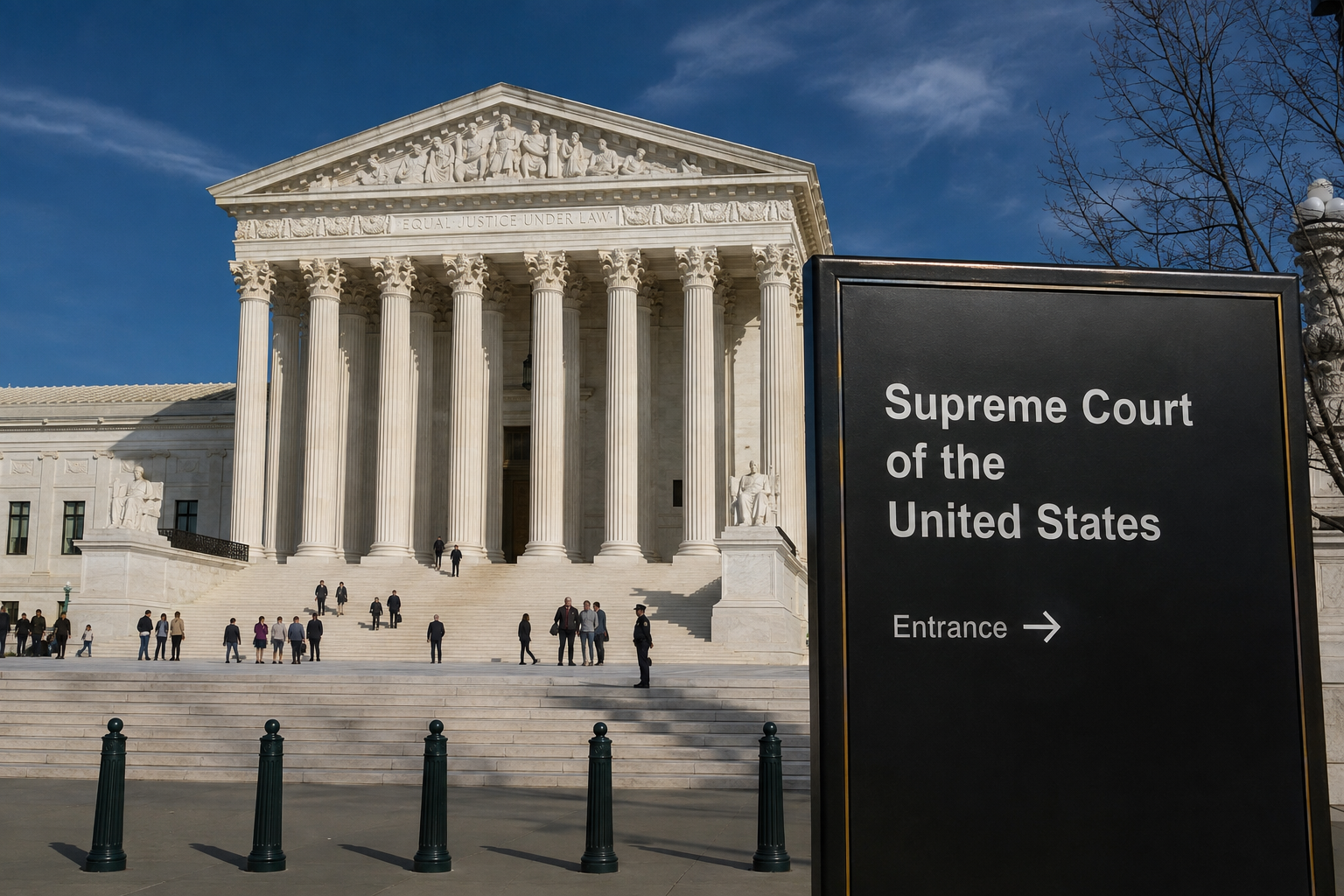
The Court ruled on Feb. 20 that the International Emergency Economic Powers Act, known as IEEPA, did not authorise the president to impose the broad import duties at issue. The law gives the executive substantial power to address declared national emergencies, but the majority concluded that it did not contain the clear congressional delegation needed for a tariff programme of that scope. The decision did not eliminate every presidential trade tool; it rejected the use of this particular emergency statute for the challenged duties.
Tariffs are collected from the importer of record when goods enter the country. That is why refunds go first to companies that paid U.S. Customs and Border Protection, along with applicable interest, after their claims are approved. Consumers who bought products at higher prices do not automatically receive a government cheque. Whether they ultimately benefit depends on how the original tariff cost was distributed and what companies do with the refund.
An importer may have absorbed part of the duty through lower profit, passed it to a wholesaler, raised retail prices or renegotiated with an overseas supplier. Reconstructing that chain transaction by transaction is difficult. Some companies can identify a tariff surcharge on a specific purchase and choose to reimburse customers. Others may use the refund to reduce debt, rebuild inventory, lower future prices or return money to shareholders. Consumer lawsuits are testing whether particular businesses have a duty to pass refunds on, but the answer will depend on contracts, representations and state law rather than the Supreme Court's tariff judgment alone.
The refund process is operationally complex. Importers need to match entries, duty payments and legal eligibility; customs officials must verify claims and calculate interest; and the Treasury must manage a large cash outflow. Errors can run in both directions. A rushed process may pay an ineligible claim, while excessive documentation can delay money owed to a small business that financed tariffs for months. Public reporting should include the amount approved, paid, disputed and still pending, without exposing confidential company data.
Accounting treatment can affect the broader economic response. A refund recognised as current income may produce a temporary profit jump that says little about ongoing demand. A company that previously capitalised tariff costs into inventory may have to adjust cost of goods sold as that inventory is sold. Investors should separate the one-time recovery from operating performance, while tax authorities and auditors clarify how interest and principal are reported. Transparent notes will make it harder to present the refund as ordinary business growth.
The fiscal effect also needs context. Tariff collections had been counted as federal revenue, but invalid duties were never secure long-term income once litigation threatened them. Refunds increase near-term cash needs and erase part of the deficit benefit claimed for the policy. They do not necessarily represent a new economic loss equal to the full payment, because the government is returning money it was not legally entitled to keep. Interest is the additional cost of having held it.
The administration has pursued or considered tariffs under other statutes, including trade laws that contain different procedures and limits. Those measures must be assessed separately. A policy that resembles the invalid programme is not automatically unlawful if Congress authorised it through another provision, but the government must satisfy that provision's investigation, findings, duration and review requirements. States and businesses have already signalled further challenges.
For Congress, the case is a reminder that tariff authority is ultimately legislative. Lawmakers can delegate implementation to the president, especially where rapid action is needed, but broad delegations invite disputes about limits and accountability. A clearer statute could specify the conditions, maximum rates, time periods, consultation and expedited judicial review for emergency duties.
For businesses, the lesson is to preserve customs records and treat politically announced tariffs as a legal as well as commercial risk. Firms that paid the invalid duties should follow official claim procedures and beware of intermediaries promising guaranteed recovery for large fees. Companies receiving refunds should also document how they account for the principal and interest and whether customer contracts require any pass-through.
The $100 billion milestone is therefore not merely a large repayment. It is the practical enforcement of a ruling about who has power to tax imports. Most of the remaining eligible amount still has to move through the system, and the next dispute will concern not only how fast importers are paid but also who, beyond those importers, ultimately receives the economic benefit.