What Is Industrial Pollution? How Production Can Contaminate Air, Water and Soil
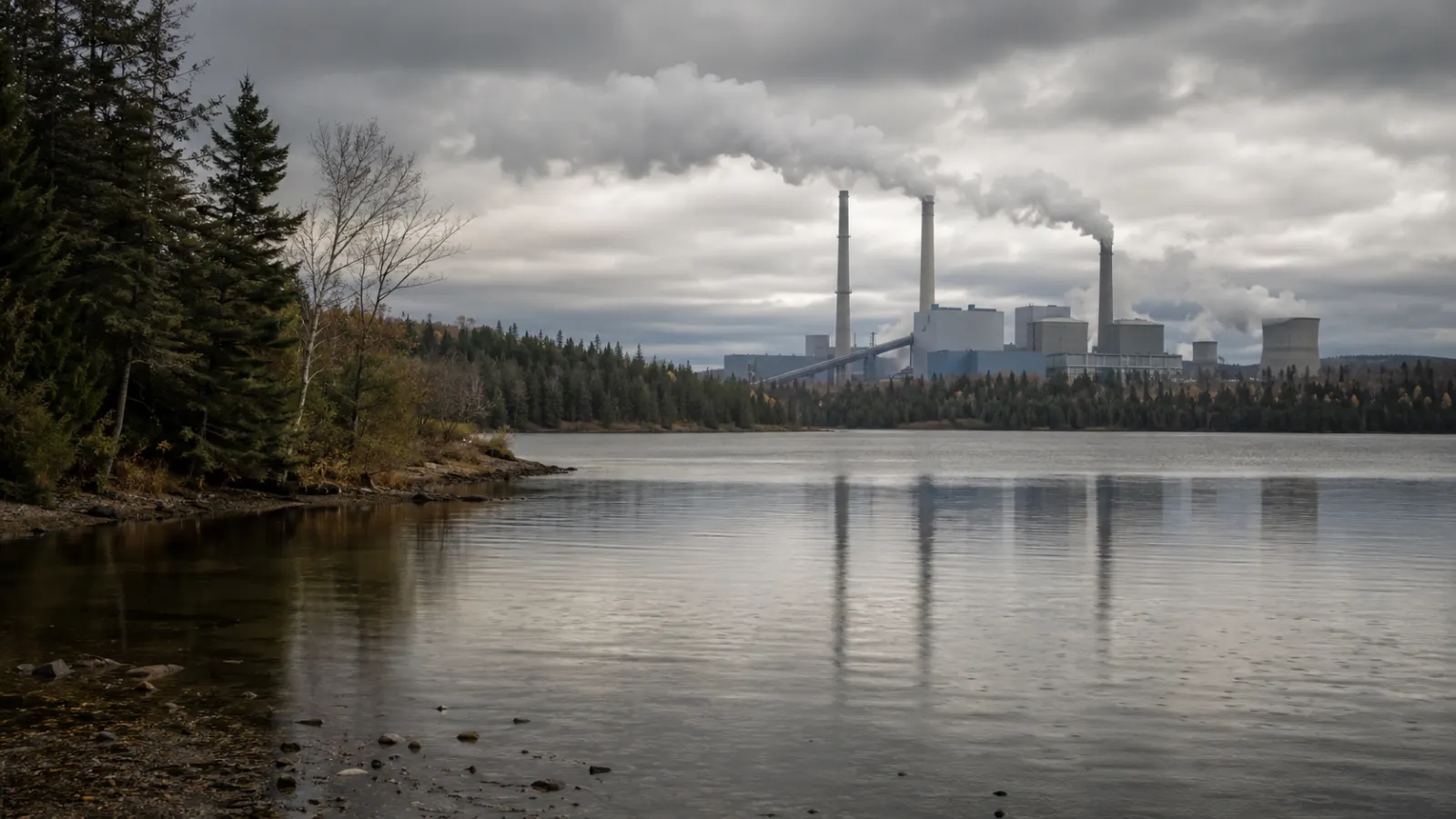
Industrial pollution is often pictured as a factory chimney releasing dark smoke. That image captures one form of pollution, but it misses much of what modern industry can release.
Industrial activity can affect air, water and soil through gases, particles, wastewater, hazardous chemicals, solid waste, heat, noise and accidental spills. Pollution can arise during extraction of raw materials, manufacturing, energy use, storage, transport and disposal.
The scale of impact varies enormously. A well-regulated facility using closed-loop processes and modern treatment systems can have a far smaller pollution footprint than an older plant producing the same material with weak controls.
Industrial pollution is therefore not an inevitable property of factories. It is the environmental consequence of particular materials, processes and management choices.
What counts as industrial pollution?
Industry covers many sectors: metals, cement, chemicals, textiles, food processing, mining, oil and gas, power generation, pulp and paper, electronics, pharmaceuticals and many others.
Their pollution profiles differ.
A cement plant may release dust, nitrogen oxides, sulfur compounds and carbon dioxide. Metal processing can generate particulate emissions, acidic wastewater and metal-bearing residues. Chemical plants may handle solvents, acids, persistent compounds and hazardous by-products. Textile production can create wastewater containing dyes, salts and treatment chemicals. Mining can expose sulfide minerals, mobilize metals and create large volumes of waste rock or tailings.
Calling all of these industrial pollution is useful at a broad level, but environmental control requires knowing the specific pollutant, pathway and exposure.
Air pollution from industry
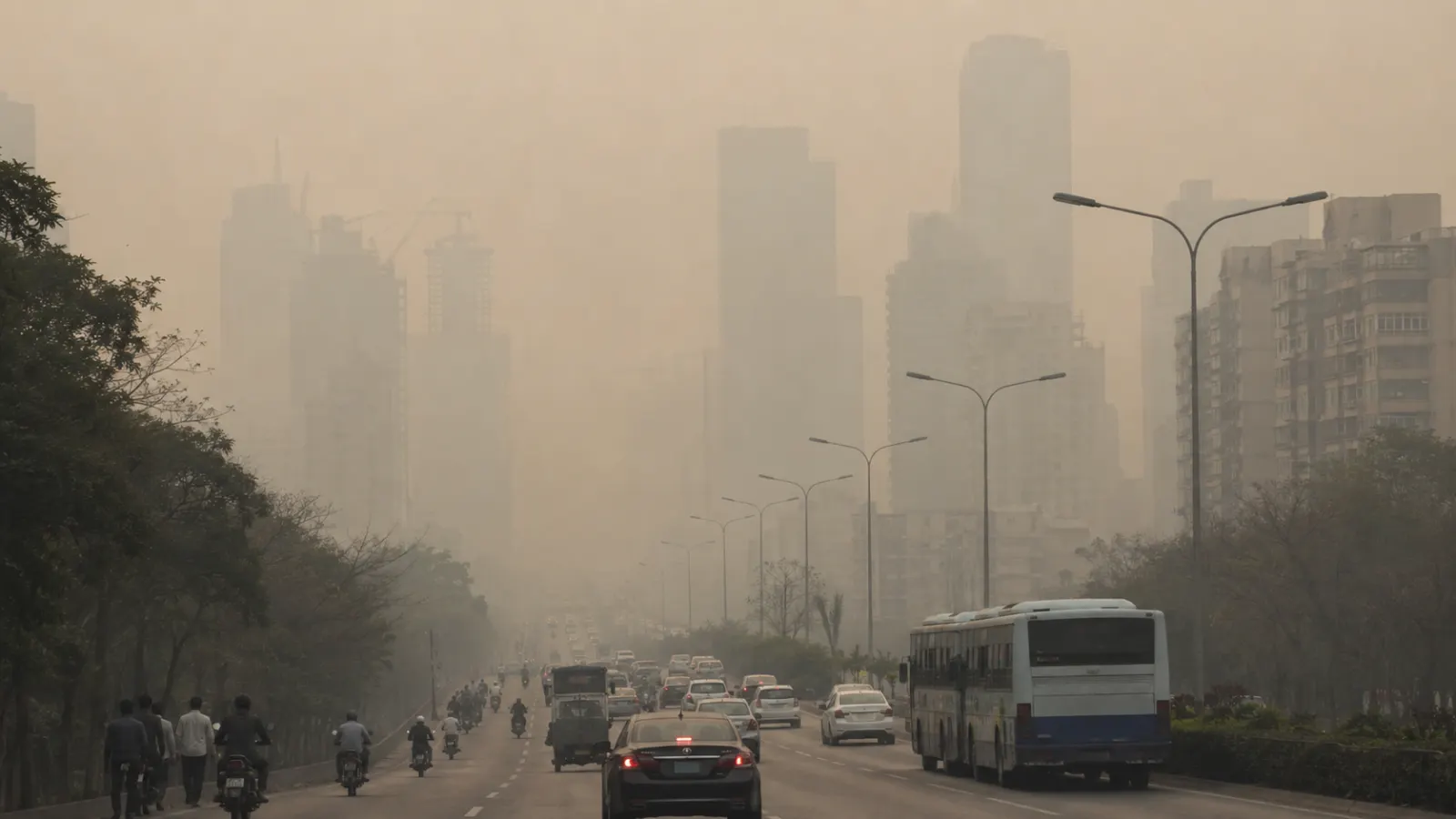
Industrial air pollution can include particulate matter, sulfur dioxide, nitrogen oxides, volatile organic compounds, carbon monoxide, metals and other hazardous air pollutants.
Some are emitted directly. Others react in the atmosphere to form secondary pollution such as ozone or fine particles.
The health and ecological impact depends on toxicity, concentration, exposure duration, stack height, meteorology and proximity to communities. Two plants with identical emissions can produce different local exposure patterns because of geography and weather.
Controls can include process changes, cleaner fuels, filters, electrostatic precipitators, scrubbers, vapour recovery and leak detection and repair.
The strongest strategy is often to prevent the pollutant from being created or released rather than relying only on capture after production.
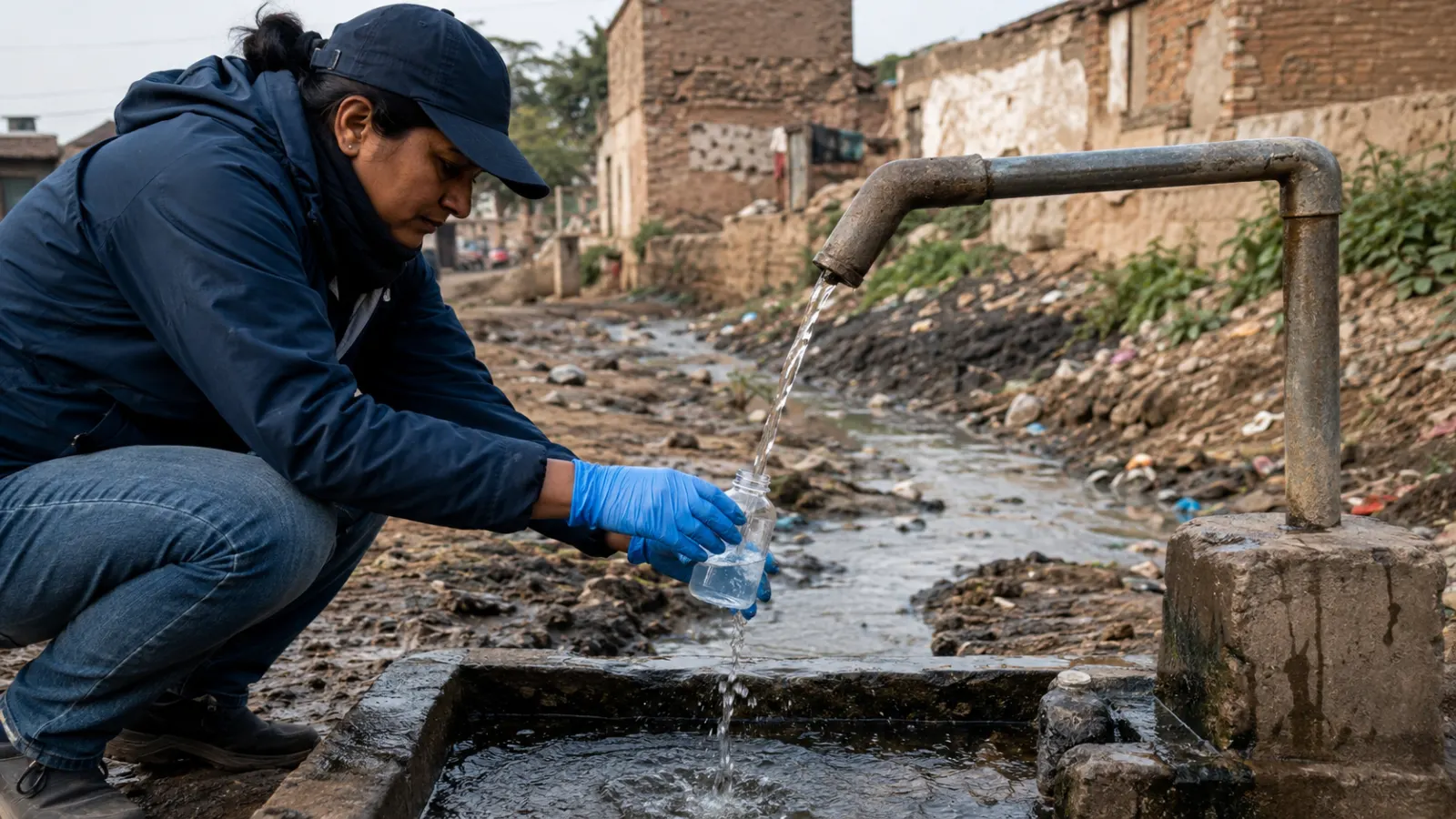
Industrial wastewater can carry more than visible dirt
Water used for washing, cooling, chemical reactions, rinsing, dyeing, plating or processing can pick up contaminants.
Industrial wastewater may contain organic matter, oils, nutrients, salts, acids, alkalis, solvents, dyes, metals or other hazardous substances. Heated water can also create thermal pollution if discharged without adequate cooling.
Treatment depends on the waste stream. Physical processes can remove solids or oils. Chemical treatment can neutralize acidity or precipitate metals. Biological systems can break down biodegradable organic matter. Advanced treatment may be required for persistent or toxic compounds.
But treatment is not permission to mix every waste into water first.
Cleaner production tries to reduce chemical use, segregate streams, recover useful materials and recycle water before wastewater reaches the treatment stage.
Soil contamination can remain after production stops
Industrial sites can leave a long environmental legacy.
Leaks from tanks, poorly designed waste storage, spills, ash disposal, mine tailings or repeated deposition of airborne contaminants can pollute soil and groundwater.
Unlike a visible smoke plume, contaminated soil may remain unnoticed for years. Pollutants can persist, migrate slowly or accumulate in plants and animals.
Cleaning a contaminated site can require excavation, containment, soil washing, biological treatment, chemical stabilization or long-term groundwater remediation. The cost can be much higher than preventing the release.
This is one reason environmental regulation often includes requirements for hazardous-material storage, spill prevention, monitoring and financial responsibility for cleanup.
Hazard is not the same as risk
A chemical can be intrinsically hazardous without creating the same risk in every setting.
Risk depends on hazard and exposure.
A highly toxic substance in a sealed process with effective containment may present less community risk than a less toxic substance discharged continuously into drinking-water sources. Workers can face different exposures from nearby residents. Ecological receptors can respond differently from humans.
Good industrial pollution control therefore asks three questions: what is the substance or stressor, how much is released, and who or what is exposed?
This is more useful than classifying an entire industry as simply dirty or clean.
Greenhouse gases overlap with pollution but are not identical to local pollutants
Industrial facilities can be major sources of greenhouse gases, especially carbon dioxide, methane and nitrous oxide. Some industrial processes also release fluorinated gases.
Climate pollution and conventional air pollution often share sources, but they are not the same problem.
Carbon dioxide is the dominant long-lived greenhouse gas from fossil-fuel combustion, yet at ordinary outdoor concentrations it is not regulated as a toxic local air contaminant in the same way as particulate matter or sulfur dioxide. Conversely, some hazardous chemicals can cause serious local pollution without being major greenhouse gases.
Policies can produce co-benefits. Improving energy efficiency or replacing coal can reduce both greenhouse-gas emissions and conventional air pollution. But a complete pollution strategy must track each category separately.
Pollution can travel through supply chains
A consumer may buy a product in one country while much of its industrial pollution occurred elsewhere.
Mining, refining, component production and final assembly can be geographically separated. Cleaner factories in wealthy markets do not necessarily mean the products consumed there have no industrial pollution footprint; some pollution-intensive stages may have moved to other regions.
This complicates environmental accounting.
Local regulation remains essential because communities experience pollution where production occurs. But companies also need supply-chain standards, chemical restrictions, traceability and lifecycle assessment if they want to understand environmental impacts beyond their own gates.
End-of-pipe control was the traditional model
For much of industrial environmental policy, the basic approach was to produce first and treat pollution afterward.
A scrubber removed sulfur compounds from exhaust. A wastewater plant treated contaminated water. A hazardous-waste facility disposed of residues.
These technologies remain important. Some pollution cannot be eliminated entirely at source.
But they can shift pollution rather than eliminate it. A scrubber may create a solid or liquid waste stream. Wastewater treatment produces sludge. Incineration can reduce waste volume while creating ash and requiring emission controls.
This is why modern environmental management increasingly emphasizes prevention and resource efficiency.
Cleaner production changes the process itself
UNIDO promotes resource-efficient and cleaner production as a preventive approach that reduces resource use, emissions and waste in industrial processes.
Instead of asking only how to dispose of waste safely, cleaner production asks why the waste exists.
Can a toxic solvent be replaced? Can rinse water be reused? Can heat be recovered? Can raw-material losses be reduced? Can a reaction be redesigned so fewer unwanted by-products form? Can a product be made easier to repair or recycle?
These changes can reduce pollution and operating costs simultaneously because discarded material often represents purchased material that failed to become product.
Prevention is not always cheaper upfront, but it can reduce long-term treatment, liability and resource costs.
Regulation creates a floor for performance
Markets alone do not reliably prevent industrial pollution because many environmental costs are externalized.
A factory that can release untreated waste without paying for the resulting health or ecological damage may have a financial advantage over a competitor that invests in treatment.
Environmental regulation tries to correct that imbalance through emission limits, discharge permits, technology standards, chemical restrictions, monitoring, reporting and liability.
Effective systems also require enforcement. Rules that exist on paper but are rarely inspected can fail to change behaviour.
Public disclosure can strengthen accountability by making emissions and violations visible to communities, investors and regulators.
Environmental justice asks who bears the exposure
Industrial pollution is not distributed evenly.
Low-income communities, informal settlements and marginalized groups may live closer to industrial zones, waste sites, ports, mines or heavily trafficked corridors. Workers can face high occupational exposure to substances that the general public rarely encounters.
This creates an environmental-justice issue: who receives the economic benefits of production, and who carries the health and environmental costs?
A pollution-control programme that reduces national emissions but leaves a highly exposed community unprotected may still be inequitable.
Monitoring therefore needs spatial and social detail, not only national totals.
Accidents reveal the importance of low-probability risks
Routine emissions are only one part of industrial pollution.
Chemical explosions, mine-tailings failures, pipeline ruptures, fires and storage leaks can release large amounts of pollution suddenly.
Risk management therefore includes emergency planning, secondary containment, equipment inspection, worker training, process safety and communication with local authorities.
A facility can comply with average annual emission limits and still pose serious accident risk if hazardous materials are poorly managed.
Industrial production can become cleaner without becoming impact-free
Modern pollution control has achieved major reductions in many pollutants where regulation and technology are strong. Closed-loop water systems, cleaner fuels, better filters, safer chemistry and resource recovery can dramatically improve performance.
But zero-impact claims should be treated cautiously.
Industrial production requires energy and materials. Even highly efficient processes create trade-offs somewhere in the lifecycle. The realistic objective is to prevent unnecessary pollution, keep unavoidable releases within protective limits and continually reduce environmental burden as better technology becomes available.
The best pollution is the pollution not created
Industrial pollution is ultimately a problem of material flow.
Resources enter a production system. Some become useful products. Some leave as emissions, wastewater, waste heat or discarded material. Cleaner industry tries to increase the share that becomes useful value while reducing hazardous inputs and preventing uncontrolled releases.
That is why pollution policy is moving from a narrow focus on smokestacks and drains toward process design, circularity, chemical safety and resource efficiency.
Treatment still matters. Enforcement still matters. But the strongest industrial environmental strategy begins before the pollutant reaches the pipe.
Sources / Further Reading
UNEP - Chemicals and Pollution Action
UNEP - Chemical Pollution and Biodiversity
UNIDO - Resource-Efficient and Low-Carbon Industrial Production
Suggested Internal Links
What Is Air Pollution - Article 54
What Is Water Pollution - Article 45
Understanding Hazardous Waste - Article 44
Understanding the Concept of Greenwashing - Article 89
What Is the Circular Economy - Article 36
Approx. article body word count: 1510 words.