Menopause is a transition, not a single day
Menopause is reached after 12 consecutive months without a menstrual period when no other biological or medical cause explains the absence.
But the hormonal transition begins earlier.
Perimenopause can last several years as ovarian function becomes less predictable. Cycles may shorten, lengthen or become irregular. Ovulation becomes less consistent and estrogen and progesterone fluctuate.
Symptoms can begin during this transition well before the final menstrual period.
This is why menopause is better understood as a phase of reproductive ageing than as one date on the calendar.
The timing varies
Natural menopause commonly occurs in midlife, often between ages 45 and 55.
Some people reach menopause earlier because of genetics, autoimmune disease, ovarian surgery, chemotherapy or other medical treatment.
Menopause before age 40 is considered premature and deserves medical evaluation because earlier loss of ovarian hormones can affect bone, cardiovascular and reproductive health.
The health implications of menopause at 38 are not identical to menopause at 51.
Hot flashes reflect changes in temperature regulation
Hot flashes are sudden sensations of heat that may involve sweating, flushing and a rapid heartbeat.
When they occur at night, they can disrupt sleep as night sweats.
The exact biology is complex, but changing estrogen levels affect neural systems involved in thermoregulation.
Some people have few or no hot flashes. Others experience them for years.
Symptom severity, not simply the presence of menopause, determines whether treatment is needed.
Sleep problems have more than one cause
Night sweats can wake a person repeatedly.
But menopause-related sleep difficulty can also coexist with insomnia, sleep apnea, restless legs, depression, pain or caregiving stress.
Treating hot flashes may improve sleep when temperature symptoms are the main driver.
Persistent sleep problems still deserve a broader assessment rather than assuming every awakening is hormonal.
Mood and cognition can change, but symptoms are not destiny
Some people report irritability, mood changes, forgetfulness or difficulty concentrating during the menopausal transition.
These experiences can be influenced by hormone fluctuations, sleep disruption, stress and life circumstances.
Menopause does not inevitably cause major depression or dementia.
A person with persistent depression, severe anxiety or substantial cognitive change should receive appropriate evaluation rather than having symptoms dismissed as ‘just menopause.’
Vaginal and urinary tissues are hormone sensitive
Declining estrogen can make vaginal and vulvar tissues thinner, drier and less elastic.
This can cause burning, irritation or pain during sex.
Urinary symptoms, including urgency or recurrent infections, may also become more common.
These symptoms are sometimes grouped as genitourinary syndrome of menopause.
Unlike some hot flashes, vaginal symptoms often persist without treatment and can respond to moisturizers, lubricants or local hormonal therapy when appropriate.
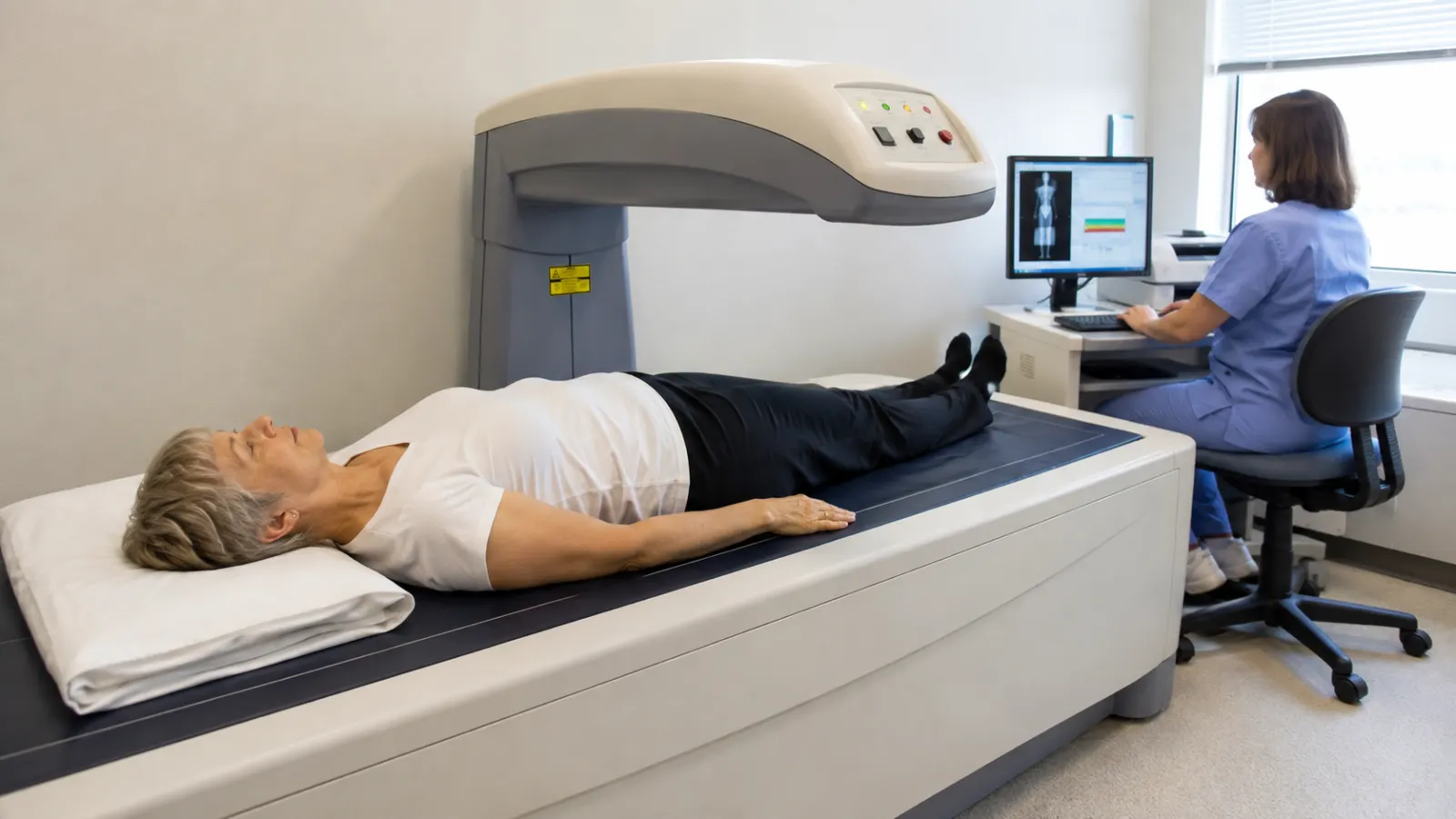
Bone loss accelerates around menopause
Estrogen helps regulate bone remodelling.
Around menopause, bone loss can accelerate for several years.
This is one reason postmenopausal women have increased osteoporosis risk.
Bone health depends on more than estrogen: age, genetics, calcium and vitamin D intake, physical activity, smoking, alcohol, body weight and medications also matter.
Menopause is therefore an important risk transition, not the sole cause of osteoporosis.
Cardiovascular risk changes with age and menopause
Cardiovascular disease becomes more common with age, and changes during the menopausal transition can affect lipids, body composition and vascular function.
NIA notes that hormone changes after menopause are associated with increased risk of certain health problems, including cardiovascular disease.
But menopause does not operate independently of blood pressure, smoking, diabetes, physical activity, weight and family history.
Those conventional risk factors remain central.
Menopausal hormone therapy can be highly effective for symptoms
Menopausal hormone therapy is among the most effective treatments for bothersome hot flashes and night sweats.
Systemic estrogen may be used alone in people without a uterus. Those with an intact uterus generally need a progestogen as well to protect the endometrium from estrogen-related cancer risk.
Hormone therapy can also improve vaginal symptoms, although local vaginal treatment may be sufficient when symptoms are limited to the genital or urinary tract.
The formulation, route and dose matter.
Hormone therapy is not right for everyone
Hormone therapy has risks as well as benefits.
Personal history of certain cancers, blood clots, stroke, liver disease and other conditions can change the safety assessment.
Age and time since menopause also matter.
Current guidance therefore favours individualized decision-making rather than declaring hormone therapy either universally dangerous or universally beneficial.
The goal is symptom relief with an acceptable risk profile for that person.
Nonhormonal treatments also exist
Some people cannot or do not want to use hormone therapy.
Nonhormonal prescription medicines can reduce hot flashes for some patients. Cognitive behavioural approaches can help with insomnia and symptom coping. Vaginal moisturizers and lubricants can reduce dryness and discomfort.
Exercise, smoking cessation, healthy sleep habits and attention to cardiovascular and bone health support general wellbeing even when they do not eliminate hot flashes.
Bleeding after menopause is not a normal menopause symptom
Once a person has been without periods for 12 months, new vaginal bleeding should be assessed.
Common causes can be benign, but postmenopausal bleeding can also be a sign of endometrial disease, including cancer.
That makes it different from the irregular bleeding often seen during perimenopause.
A new symptom after menopause should not automatically be attributed to hormone fluctuation.
Weight and body composition can change around midlife
Many people gain weight during midlife, but menopause is only one contributor.
Age-related changes in muscle mass, activity, sleep and energy expenditure can occur at the same time as ovarian hormone changes. Fat distribution may also shift toward the abdomen.
This matters because abdominal adiposity can increase metabolic and cardiovascular risk.
The useful response is not crash dieting but maintaining strength, aerobic activity, sleep and a sustainable dietary pattern.
Perimenopause can make contraception confusing
Irregular periods do not mean pregnancy is impossible.
Ovulation becomes less predictable during perimenopause, but it can still occur before the final menstrual period.
People who do not want pregnancy may need contraception until menopause is established according to age and clinical guidance.
This is an important distinction because menopausal hormone therapy is not a contraceptive method.
Early menopause changes the risk-benefit discussion
Menopause that occurs substantially earlier than the usual age means a longer lifetime without typical ovarian estrogen exposure.
That can increase concern about bone loss and cardiovascular health.
For people with premature ovarian insufficiency or early menopause, clinicians may recommend hormone replacement until around the average age of natural menopause when there is no contraindication.
That situation is different from starting hormone therapy many years after ordinary menopause.
Exercise becomes especially valuable at midlife
Resistance training helps preserve muscle and bone, while aerobic activity supports cardiovascular and metabolic health.
Weight-bearing activity is particularly relevant as bone loss accelerates around menopause.
Exercise does not eliminate hot flashes for everyone, but it supports several health domains that become more important in midlife.
The practical goal is consistent movement rather than a specialised ‘menopause workout.’
Treatment decisions should be revisited, not set once forever
Menopause symptoms change over time, and health risks can change too.
A treatment that is appropriate during severe hot flashes may no longer be necessary years later. Conversely, new vaginal or urinary symptoms can appear after earlier symptoms have improved.
Regular review allows dose, route and treatment type to evolve with the person rather than remaining fixed indefinitely.
Menopause does not end preventive gynecologic care
Cervical cancer screening, breast health and evaluation of pelvic symptoms continue according to age and risk after menopause. Menopause ends menstrual cycles; it does not make the reproductive and pelvic organs medically irrelevant.
Menopause care should be symptom-led and life-course aware
Menopause is normal, but suffering is not mandatory.
Some people need little intervention. Others benefit substantially from treatment for hot flashes, sleep disruption, vaginal symptoms or mood effects.
At the same time, midlife is an opportunity to review bone health, cardiovascular risk, cancer screening, exercise and preventive care.
Good menopause care therefore does two things at once: treat symptoms that affect quality of life and protect health for the decades that follow.
Medical Note
This article provides general health information and is not a substitute for individual medical advice. Heavy menstrual bleeding, menopause treatment, screening, reproductive-health decisions and persistent symptoms should be assessed using current guidance from appropriately qualified healthcare professionals.
Sources / Further Reading
National Institute on Aging — What Is Menopause?
Office on Women's Health — Menopause
Office on Women's Health — Menopause treatment
Office on Women's Health — Menopause and your health
National Institute on Aging — Osteoporosis
Suggested Internal Links
Women’s Health Basics — Batch 20
Menstrual Health — Batch 20
Bone Health — Batch 11