Hydrogen is the lightest element in the universe, but on Earth it is rarely found by itself. It is usually bound into compounds such as water, methane and hydrocarbons. Hydrogen used as an energy carrier or industrial feedstock therefore has to be manufactured.
“Green hydrogen” is the common name for hydrogen produced by splitting water with electricity from renewable sources such as wind, solar or hydropower. The process is called electrolysis. If that electricity is genuinely low in greenhouse-gas emissions, the resulting hydrogen can have a much smaller climate footprint than conventional hydrogen made from unabated natural gas or coal.
The chemistry is simple. The energy system around it is not.
Green hydrogen needs clean electricity, water, electrolysers, compression or storage equipment, transport infrastructure and customers willing to pay for a product that is still usually more expensive than conventional hydrogen. That is why it is both promising and frequently oversold.
Hydrogen is an energy carrier, not a primary energy source
Coal, sunlight and wind are primary energy sources. Hydrogen is normally an energy carrier: energy from another source is used to produce it, after which the hydrogen can store and deliver part of that energy.
This distinction matters because every conversion loses some energy.
If renewable electricity can power an electric motor, heat pump or industrial process directly, turning the electricity into hydrogen and later converting that hydrogen back into useful energy generally requires more electricity. Hydrogen is most valuable where direct electrification is difficult, where a chemical molecule is required, or where storage and transport characteristics justify the extra conversion steps.
That is why passenger cars, home heating and many low-temperature applications often favour direct electricity, while fertilisers, steel, shipping fuels and some high-temperature industrial processes can make a stronger case for hydrogen.
How electrolysis works
Electrolysis uses electricity to split water into hydrogen and oxygen.
Inside an electrolyser, two electrodes are separated by an electrolyte. Electricity drives electrochemical reactions that release hydrogen at one electrode and oxygen at the other. Different electrolyser technologies move different ions and operate under different conditions.
Commercial approaches include alkaline and proton-exchange-membrane, or PEM, electrolysers. Solid-oxide electrolysers operate at much higher temperatures and can use heat as well as electricity, potentially lowering the electrical input needed for the reaction.
The U.S. Department of Energy notes that electrolysers can range from small distributed systems to large central facilities and that the climate benefit depends strongly on the electricity source.
Electrolysis itself is therefore not automatically clean.
If an electrolyser is supplied by a fossil-heavy power grid, indirect emissions from generating the electricity can be substantial. If it is powered by additional renewable or other very low-carbon electricity, the emissions intensity can be far lower.
The colour labels are useful but imperfect
Hydrogen is often described by colours.
“Grey” generally means hydrogen made from natural gas without carbon capture. “Blue” usually refers to fossil-based hydrogen with carbon capture. “Green” typically means hydrogen from renewable-powered electrolysis. Other labels are used for coal, nuclear or different production pathways.
These colours are convenient shorthand, but they are not a universal scientific standard.
Two projects both marketed as green can have different lifecycle emissions depending on the electricity mix, when the electrolyser operates, equipment manufacturing, compression, storage and transport. Fossil-based hydrogen with carbon capture can also vary depending on methane leakage and carbon-capture performance.
For climate policy, actual lifecycle greenhouse-gas intensity is more informative than colour alone.
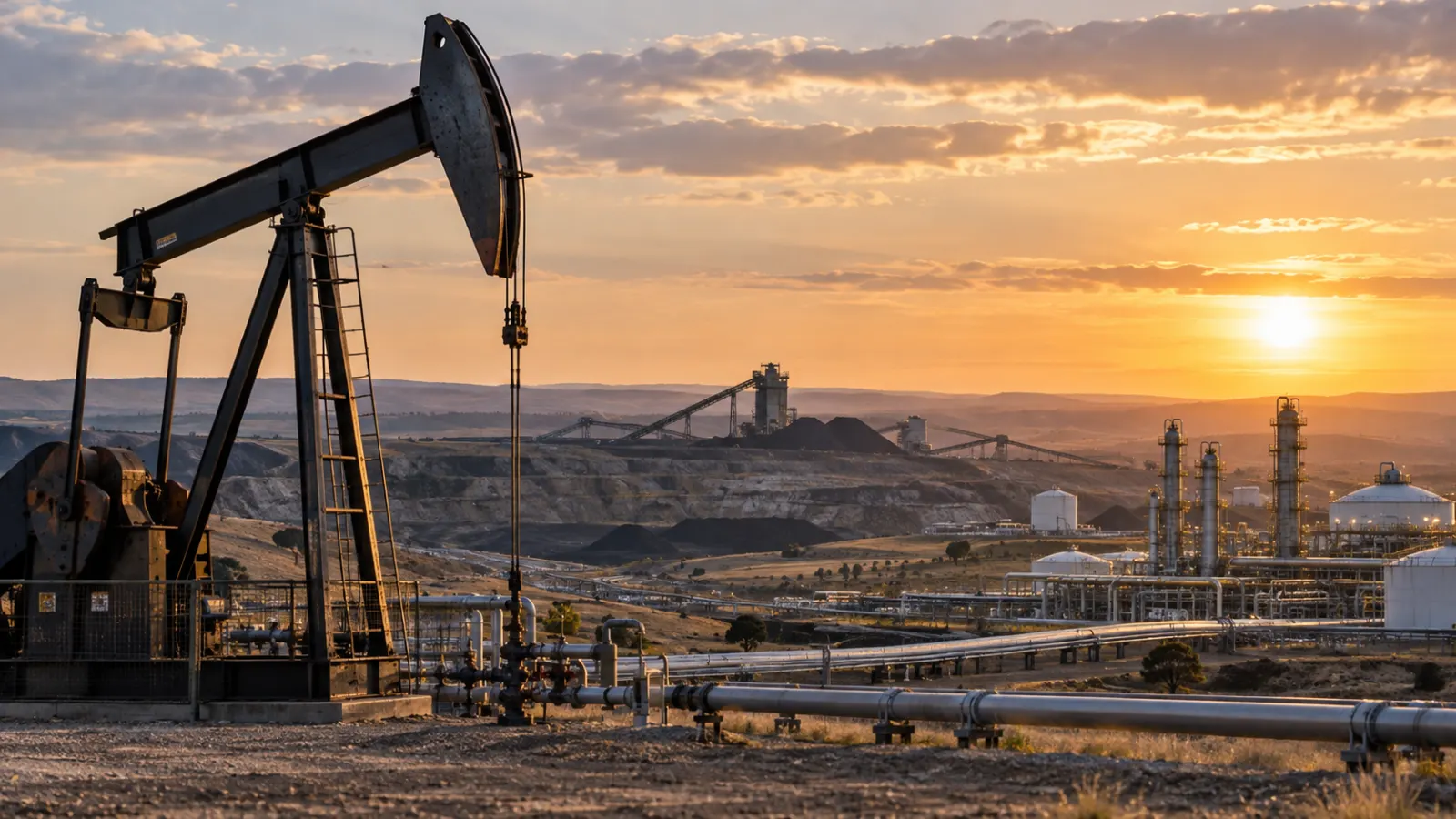
Most hydrogen today is still fossil-based
Hydrogen is already a huge industrial commodity, but low-emissions production remains a small part of it.
The International Energy Agency reported that global hydrogen demand reached almost 100 million tonnes in 2024. Demand remained concentrated in established uses such as oil refining, ammonia, methanol and fossil-based direct-reduced iron.
At the same time, low-emissions hydrogen still accounted for less than 1% of global production.
This contrast changes how the transition should be understood. The first task is not necessarily to create millions of new hydrogen applications. It is to clean up the large amount of hydrogen already consumed in industry, then expand selectively into new uses where it can replace higher-emission processes.
Where green hydrogen can make the strongest case
Ammonia is one of the clearest opportunities. Ammonia production already requires hydrogen, mainly for fertilisers. Replacing fossil-derived hydrogen with low-emissions hydrogen can cut emissions without asking the final product to perform a new function.
Steel is another candidate. Hydrogen can act as a reducing agent in direct-reduced-iron processes, potentially replacing coal-derived carbon in part of primary steelmaking when paired with low-emissions electricity.
Hydrogen-derived fuels may also help in shipping and aviation. Hydrogen can be converted into ammonia, methanol or synthetic hydrocarbons. Those additional conversions cost energy and money, but long-distance transport is one of the sectors where batteries can face weight, range or refuelling constraints.
Hydrogen may also help with some high-temperature industrial processes and long-duration energy storage, though alternatives and economics vary greatly by location.
Where it can be a poor fit
A useful technology does not need to be universal.
For passenger cars, battery electric vehicles usually convert electricity to motion more efficiently than a chain involving electricity, electrolysis, hydrogen compression, transport and a fuel cell. For many buildings, heat pumps can deliver several units of heat for each unit of electricity, making them more efficient than producing hydrogen and burning it in a boiler.
The opportunity cost of clean electricity therefore matters.
If one application can use electricity directly while another requires multiple conversion steps, hydrogen should be used where the molecule provides a real technical or system advantage rather than simply because it sounds like a clean fuel.
Electricity cost is central to the economics
Electrolysers are important, but electricity is usually the dominant operating input.
That ties green hydrogen economics to abundant, inexpensive renewable power and to the number of hours the equipment can run.
A plant connected only to solar may enjoy cheap electricity during sunny hours but low utilisation at night. A combination of wind, solar, storage or grid supply can raise operating hours, but the cost and emissions calculation becomes more complex.
The IEA's Global Hydrogen Review 2025 found that low-emissions hydrogen remained more expensive than unabated fossil-based production in the near term. Slower-than-expected deployment and inflation had also made electrolyser cost reductions less rapid than some earlier projections assumed.
This is a reminder that green hydrogen will not become cheap automatically simply because solar panels and batteries did.
Electrolysers are industrial systems with stacks, power electronics, compressors, water treatment and balance-of-plant equipment. Manufacturing scale helps, but financing, utilisation, electricity price and project execution matter just as much.
Water is a local planning issue
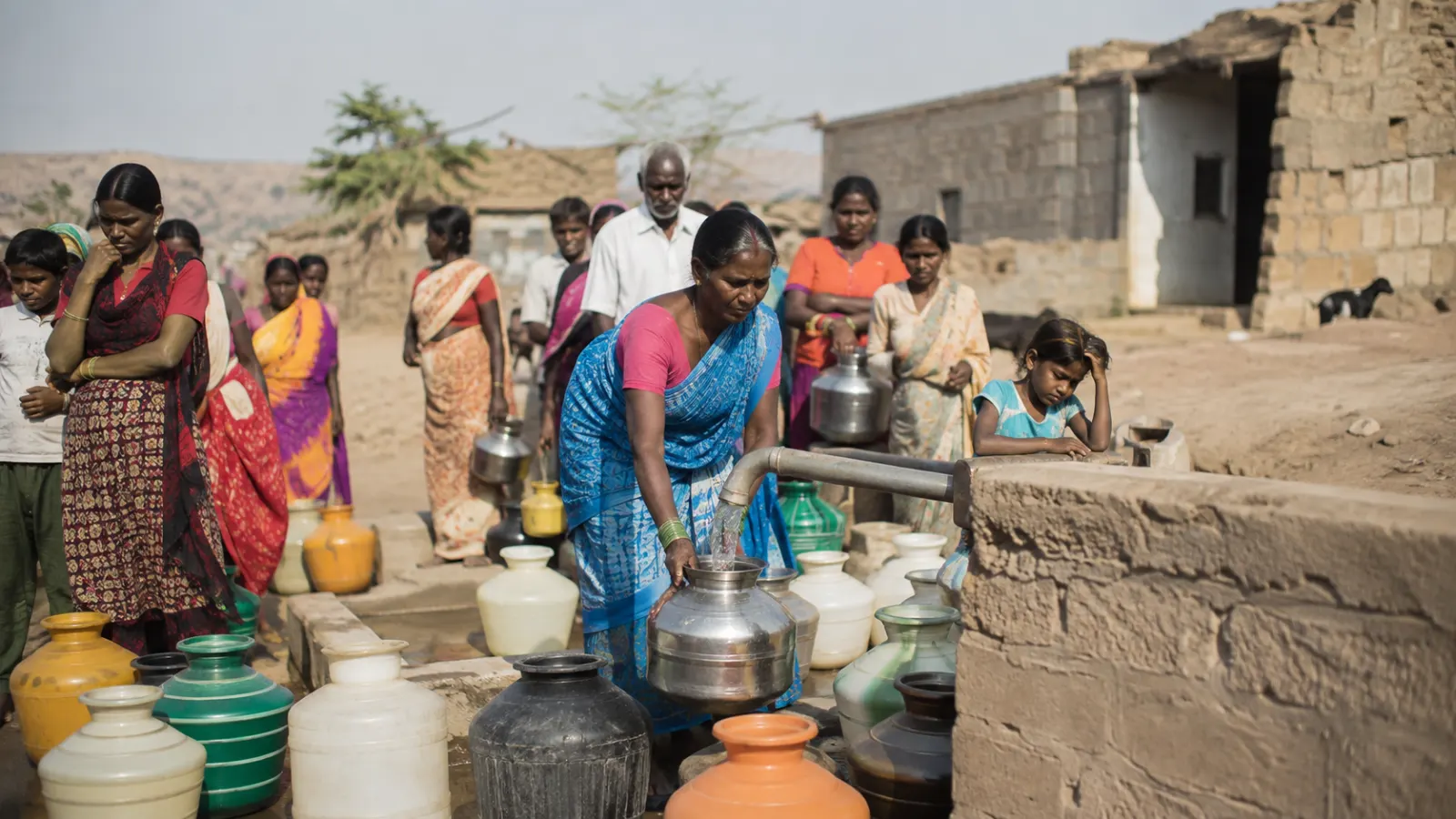
Electrolysis consumes water as a feedstock, while additional water may be needed for purification and cooling.
Globally, hydrogen is unlikely to rival agriculture as a water user. Locally, however, a large project in a dry region can create a serious planning question.
Coastal projects may use desalination, but desalination requires equipment, energy and responsible brine management. Inland projects need to avoid competing with drinking water, agriculture or ecosystems where water is already scarce.
The sensible question is not whether green hydrogen uses water. It does. The question is whether a particular project has a sustainable water source in its specific location.
Storage and transport are difficult
Hydrogen has very high energy content by mass but low energy density by volume at ordinary conditions.
To move useful quantities, it can be compressed, liquefied at extremely low temperature, converted into ammonia or another carrier, or transported through suitable pipelines. Every pathway adds cost and energy use.
Hydrogen can also leak through materials more readily than larger molecules and can cause embrittlement in some metals. Existing natural-gas infrastructure may be adaptable in certain cases, but it cannot be assumed that every pipeline, compressor and storage system is ready for pure hydrogen.
That is one reason early projects often cluster around ports and industrial regions where producers and users can be located near one another.
The project pipeline has been reset
The early 2020s produced a wave of enormous hydrogen announcements. Many projects were expected to move quickly from targets to construction.
The reality has been slower.
The IEA's 2025 review estimated announced potential low-emissions hydrogen production for 2030 at 37 million tonnes per year, down from 49 million tonnes in the previous assessment after delays and cancellations.
Yet progress has not stopped. More than 200 low-emissions hydrogen production projects had reached final investment decisions since 2020, and projects already operating, under construction or at final investment decision could supply about 4.2 million tonnes per year by 2030.
The sector is therefore moving from headline ambition into a harder commercial phase in which projects need credible buyers, financing, infrastructure and regulation.
Green hydrogen is a specialised tool in a larger transition
The strongest case for green hydrogen is not that it can replace every fossil fuel.
Its value is selective. It can clean up existing hydrogen production. It can provide a low-emissions molecule for fertilisers and some industrial processes. It may help decarbonise steel, shipping, aviation fuels and other hard-to-electrify activities. It may store energy when long-duration or seasonal storage becomes valuable.
Where direct electrification is cheaper, simpler and more efficient, however, hydrogen should not be used merely because it carries a clean-energy label.
That is the mature way to view the technology: not as a universal solution, but as an important option for the parts of the energy system where electrons alone are difficult to use.
Sources / Further Reading
International Energy Agency - Global Hydrogen Review 2025 Executive Summary
International Energy Agency - Global Hydrogen Review 2025 Production Highlights
International Energy Agency - Global Hydrogen Review 2025 Demand
U.S. Department of Energy - Hydrogen Production: Electrolysis
U.S. Department of Energy - Hydrogen Production Pathways
Suggested Internal Links
What Is the Energy Transition - Article 72
Understanding the Shift to Clean Energy - Article 73
Understanding Solar Energy - Article 63
What Is Wind Energy - Article 64
What Are Electric Vehicles and Their Benefits - Article 74