Russia’s war in Ukraine has changed Europe more deeply than any event since the end of the Cold War. It shattered the assumption that large-scale territorial war was unlikely on the continent. It revived NATO’s centrality, pushed European states into rearmament, brought Finland and Sweden into the alliance, transformed energy policy, and forced the European Union to think in strategic terms. Ukraine is not only a battlefield. It is the line on which Europe’s security order is being rewritten.
The war has also changed how the world understands Russia. For years, Europe tried to manage Russia through energy interdependence, diplomacy and limited sanctions. That model collapsed after the full-scale invasion in February 2022. Security returned as the organizing principle of European politics.
Why This Matters Now
The war has entered a prolonged phase with high human, economic and military costs. UNHCR has reported millions of Ukrainians displaced internally and abroad, while humanitarian needs remain severe. SIPRI data shows military spending rising across Europe, reflecting the return of hard security. NATO’s 2024 Washington Summit Declaration emphasized long-term support for Ukraine and the link between Euro-Atlantic security and developments beyond Europe.
The conflict also affects global food, energy, defence and diplomacy. Grain routes, Black Sea security, sanctions, oil flows, arms production and refugee policies all connect Ukraine to the wider world. For India, the war has influenced energy imports, defence supply chains, diplomacy with Russia and relations with the West.
Historical Roots
The roots of the war lie in the unresolved post-Soviet security order. Russia saw NATO expansion and Ukraine’s Western orientation as threats. Ukraine saw Russian pressure as a denial of sovereignty. Europe hoped that economic integration could reduce confrontation. The US supported NATO enlargement and Ukraine’s sovereignty. These competing narratives hardened over time.
Russia’s annexation of Crimea in 2014 was the first major rupture. The full-scale invasion in 2022 destroyed the remaining illusion that Europe’s borders were settled by norms alone. It proved that military power could return to the centre of European politics.
The First Dimension: NATO Revived
Before the war, NATO faced questions about purpose and burden-sharing. After the invasion, its purpose became clear: deterrence against Russia. Finland and Sweden’s accession dramatically changed the map of northern Europe. The Baltic Sea became more closely integrated into NATO’s security architecture. Eastern European states gained greater influence because their warnings about Russia appeared vindicated.
NATO’s revival does not mean unity is effortless. Burden-sharing, US commitment, European defence production and Ukraine’s eventual membership remain contested. But the alliance is more relevant than it has been in decades. Russia’s war produced the opposite of what Moscow claimed to seek: a larger and more alert NATO.
The Second Dimension: European Rearmament
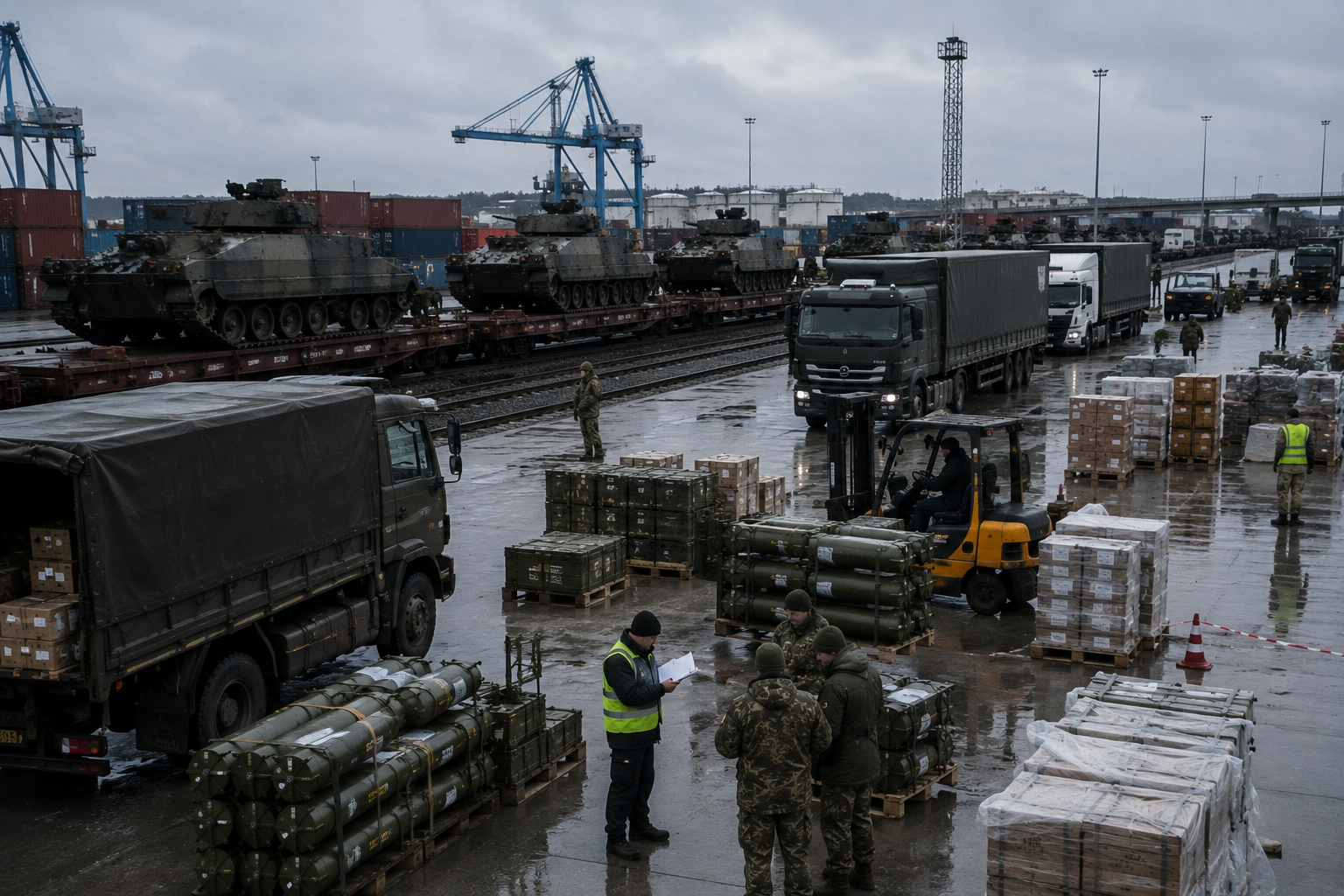
Europe is rearming, but slowly and unevenly. Defence budgets have increased, ammunition production is expanding, and governments are discussing industrial capacity. Yet decades of underinvestment cannot be reversed instantly. Stockpiles, procurement systems, command structures and defence industries need time.
The war has exposed a key lesson: modern conflict consumes equipment at a scale peacetime planners underestimated. Artillery shells, drones, air defence interceptors, armoured vehicles and electronic warfare systems are used rapidly. Europe must rebuild not only military budgets but production capacity. Security now requires industrial depth.
The Third Dimension: Energy and Sanctions
Energy was once the bridge between Russia and Europe. It became a weapon and then a vulnerability. Europe moved to reduce dependence on Russian gas, diversify supplies and accelerate energy security measures. Sanctions targeted Russia’s financial system, technology access, energy revenues and military supply chains.
But sanctions are not total victory. Russia adapted through alternative buyers, shadow fleets, domestic controls and partnerships with China, Iran and others. The sanctions regime has imposed costs but not ended the war. This shows both the power and limits of economic coercion.
India Angle
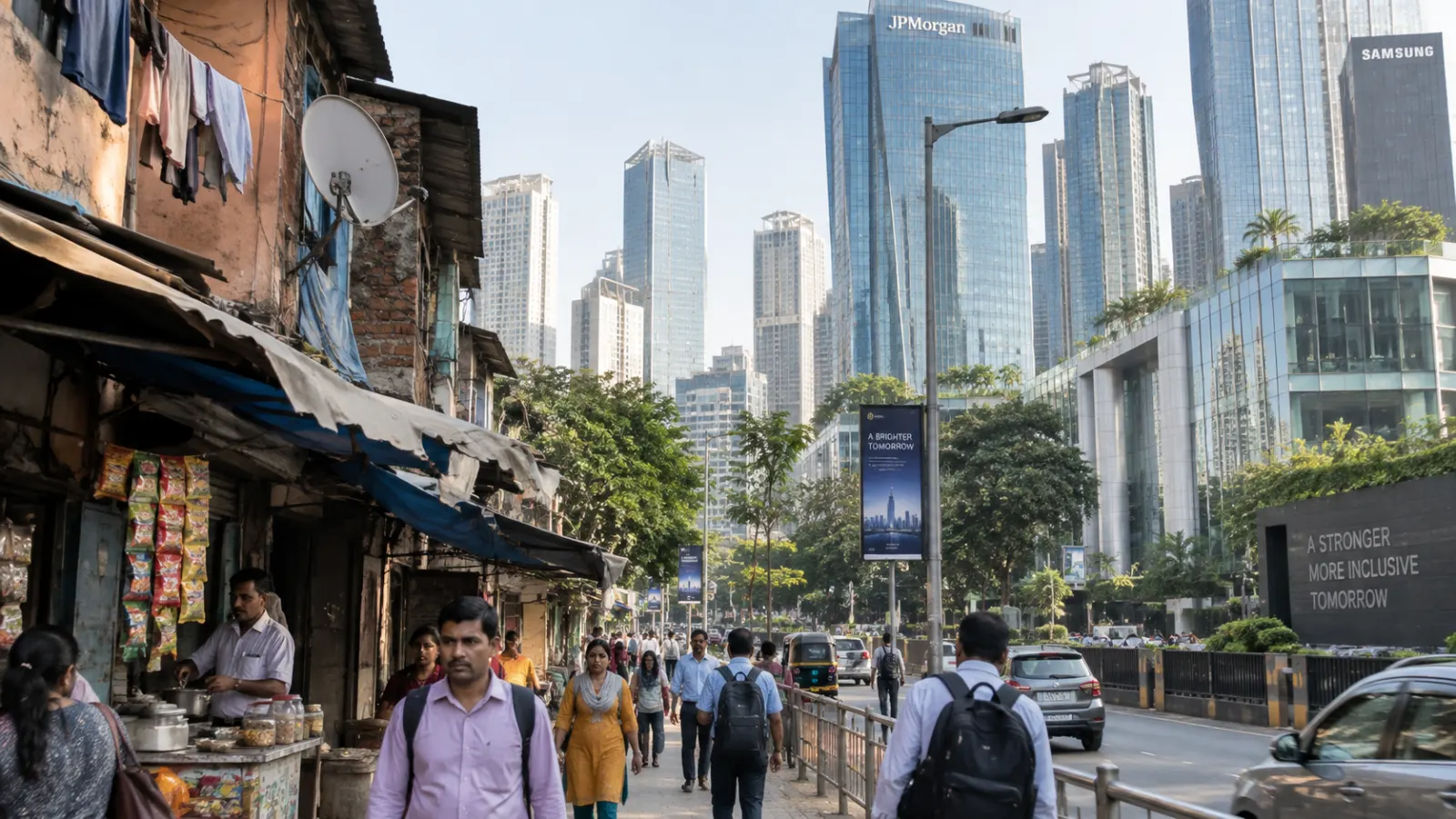
India’s position has been complex. It has called for dialogue and respect for sovereignty while avoiding direct alignment with Western sanctions. It has continued energy purchases from Russia, maintained defence ties and engaged with Ukraine diplomatically. This reflects India’s strategic autonomy, but it also carries reputational and practical challenges.
The war exposed India’s dependence on Russian defence supplies. Even if India values the relationship, it must diversify military procurement and accelerate domestic production. Spare parts, ammunition and platform maintenance can become vulnerable when a supplier is engaged in a major war and under sanctions.
Energy has been another dimension. Discounted Russian oil helped India manage inflation and energy costs. But overdependence on any conflict-linked supply has risks. India must balance price advantage with sanctions exposure, shipping risk and diplomatic pressure.
Global Implications
The Ukraine war has linked Europe and the Indo-Pacific. NATO increasingly describes China’s support for Russia as relevant to Euro-Atlantic security. Indo-Pacific partners such as Japan, South Korea, Australia and New Zealand have engaged more closely with NATO. This shows that regional wars can reshape global alignments.
The war also weakened confidence in international law. A permanent member of the UN Security Council invaded a neighbour and annexed territory. If such actions are normalized, other territorial disputes become more dangerous. Countries in Asia, Africa and the Middle East are watching how the world responds.
Counter-View
There is a counter-view that Europe’s security map is not being redrawn permanently, but temporarily militarized. Wars end, interests shift, and Europe may eventually return to negotiation with Russia. Some argue that Russia cannot be isolated forever because geography remains. Europe and Russia will still share a continent.
This is true in the long term. But the pre-2022 security order is gone. Even if negotiations occur, trust will not return quickly. European planning will treat Russia as a threat for years. Ukraine’s future status will remain central to the continent’s security architecture.
What Happens Next
The next phase depends on battlefield realities, Western support, Russian endurance, Ukrainian resilience and US politics. Europe will continue rearming. NATO will strengthen eastern defence. Ukraine will seek long-term security guarantees. Russia will try to outlast Western political unity. Sanctions and energy adjustments will continue.
India should draw three lessons. First, hard power still matters. Second, defence supply chains must be diversified. Third, strategic autonomy requires domestic capability. The Ukraine war is not Europe’s problem alone. It is a warning to every country that lives near a powerful rival.
Editorial Insight
Source References for Verification
- https://www.sipri.org
- https://www.unhcr.org
- https://www.un.org
- SIPRI Trends in World Military Expenditure 2025 - https://www.sipri.org/publications/2026/sipri-fact-sheets/trends-world-military-expenditure-2025
- NATO Washington Summit Declaration 2024 - https://www.nato.int/en/about-us/official-texts-and-resources/official-texts/2024/07/10/washington-summit-declaration
- NATO Indo-Pacific partners - https://www.nato.int/en/what-we-do/partnerships-and-cooperation/relations-with-partners-in-the-indo-pacific-region
- UNHCR Ukraine Emergency - https://www.unhcr.org/emergencies/ukraine-emergency
- Quad Wilmington Declaration, MEA - https://www.mea.gov.in/bilateral-documents.htm?dtl/38320/
- US Bureau of Industry and Security: Advanced computing and semiconductor export controls - https://www.bis.gov/press-release/bis-updated-public-information-page-export-controls-imposed-advanced-computing-semiconductor