What happened?
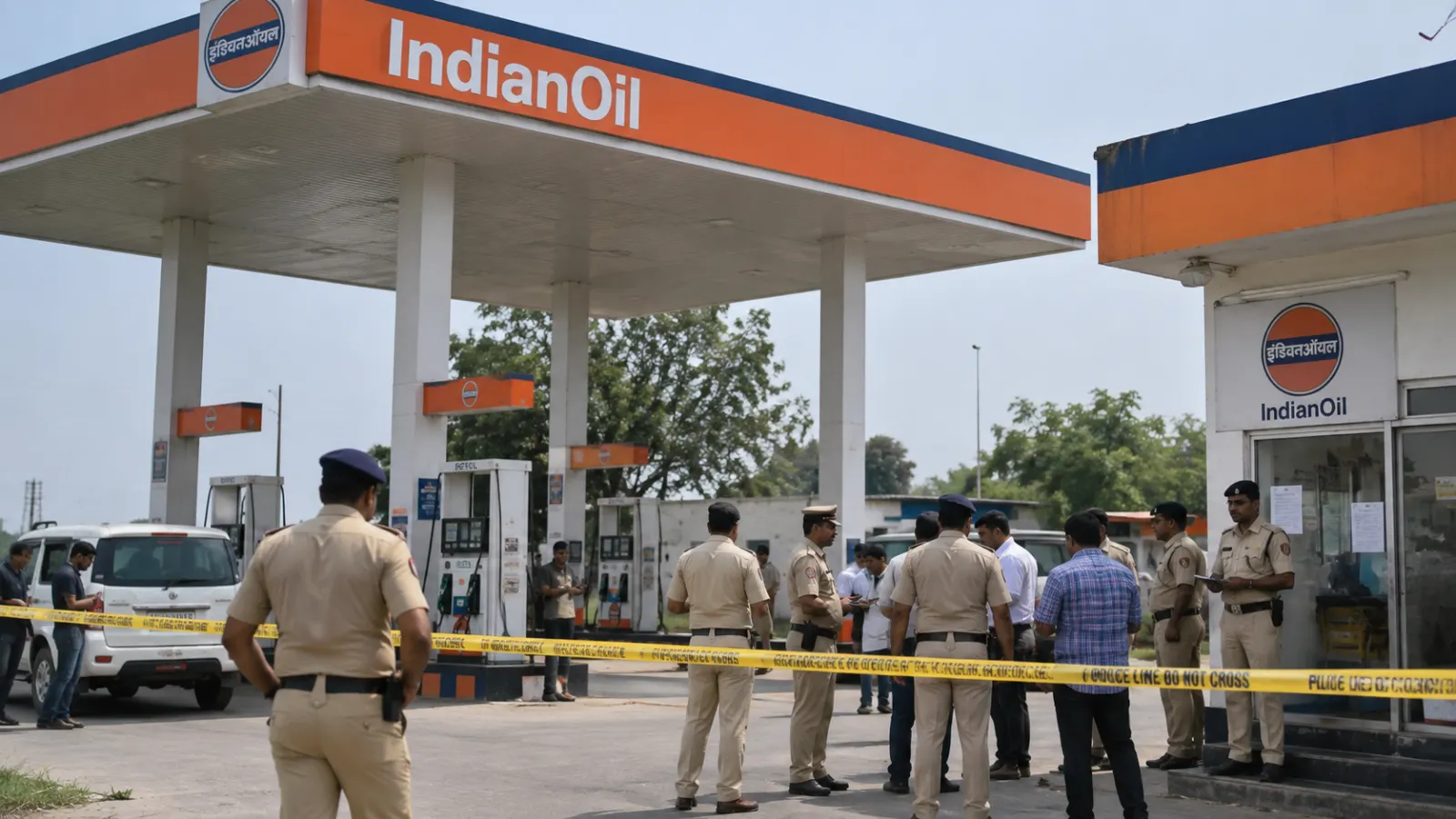
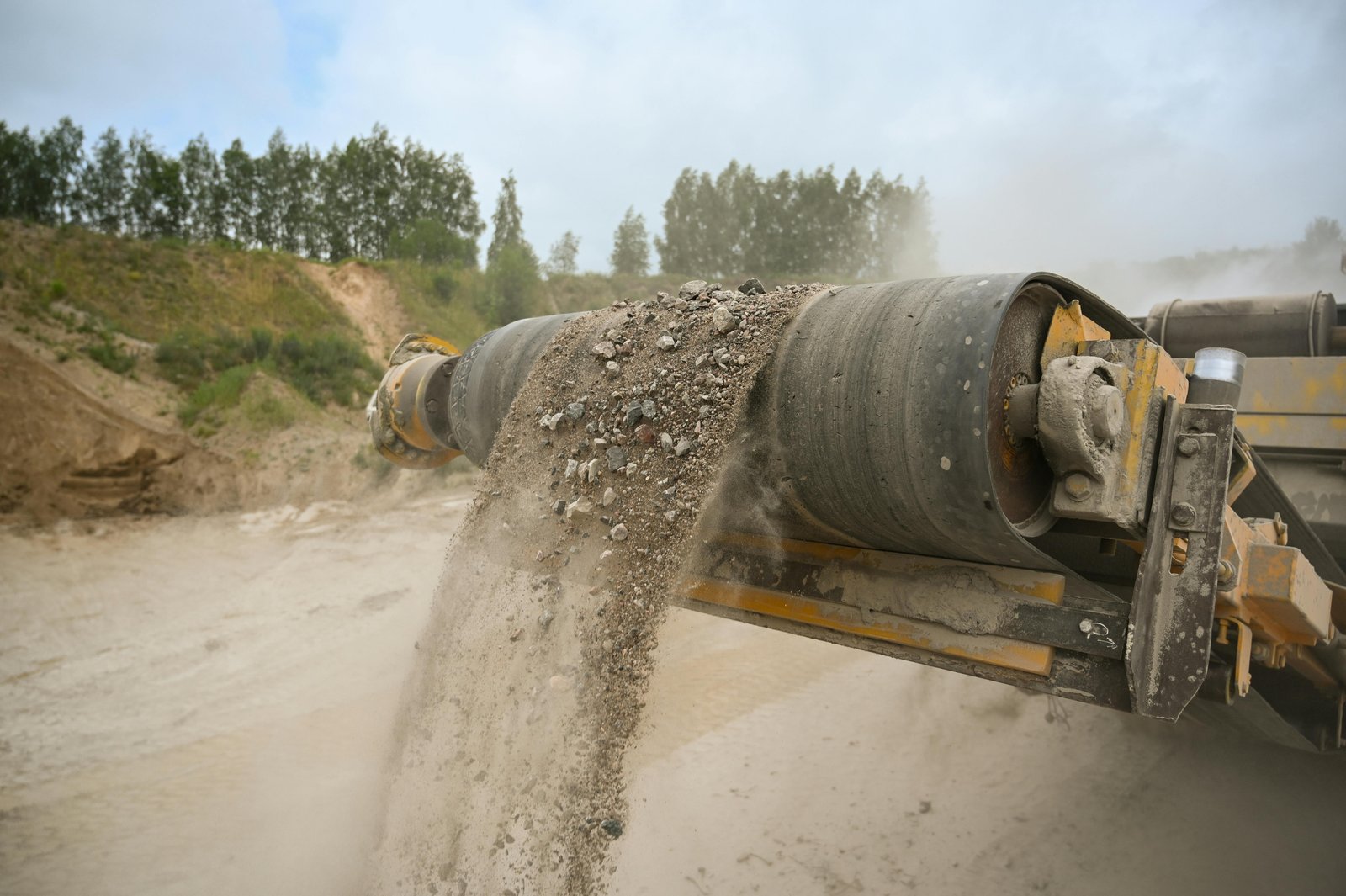
Nagpur district police and the Maharashtra government's mining enforcement squad have launched a coordinated crackdown on illegal river sand mining operations in the Nagpur rural belt — particularly along the Kanhan, Pench, and Wardha river systems. The operation has seized dozens of sand-laden vehicles, arrested multiple mining operatives, and demolished illegal extraction infrastructure. But activists and officials warn that the criminal networks behind illegal sand mining are too well-connected and too profitable to be deterred by a single enforcement drive.
Key Points
- Multi-agency crackdown on illegal sand mining along Nagpur district rivers
- Dozens of vehicles, machinery, and stockpiles seized since April 2026
- River sand mining deforms riverbeds, lowers water tables, and destroys aquatic ecosystems
- Illegal sand earns ₹50,000–₹1 lakh per truck delivery in local construction markets
- Political connections of some sand mining operators protect them from sustained enforcement
- Local villagers who try to report operations face intimidation from mining gangs
Background
River sand is the most used natural material in construction after water. India's construction boom — thousands of miles of roads, millions of apartments, government infrastructure projects — has created insatiable demand for sand. Legal sand is expensive and supply-constrained. Illegal sand — extracted from rivers without permits — is cheaper, faster, and massively profitable for those running the operations.
River sand extraction has severe ecological consequences. It destabilises riverbeds, increases flooding risk, lowers the water table (affecting agricultural wells), destroys fish spawning habitats, and can collapse river banks that villages and farmland depend on. In a region like Vidarbha already facing water stress, loss of river sand that helps recharge groundwater is an ecological catastrophe.
Main Details
The Nagpur crackdown operation has targeted three main river corridors. Along the Kanhan river — which flows through forested and agricultural land north of Nagpur — illegal mining operations have been running continuously for years, with boats extracting sand at night and convoys of trucks operating through early morning hours to avoid inspection.
One enforcement raid in April 2026 seized 47 vehicles and three excavators in a single night operation, with cases filed against multiple operators. However, most of those arrested were drivers and labourers — the actual operators and financiers of the operations are typically insulated from direct exposure.
The real estate and construction lobby's dependence on competitively priced sand creates an uncomfortable complicity in the illegal supply chain — buyers of cheap construction materials rarely ask where the sand came from.
Reactions
Village communities along affected river stretches have welcomed the crackdown but expressed scepticism about its sustainability. They report witnessing operations resume within days or weeks of previous enforcement drives. Local journalists covering sand mining have faced threats, with at least two journalists in Vidarbha receiving threatening calls after reporting on specific operators.
Impact Analysis
Illegal sand mining is simultaneously an environmental crime, an economic distortion (undercutting legal supply), and a safety threat (structurally weakened riverbeds and bridges). The environmental costs — lowered water tables, damaged fisheries, increased flood vulnerability — are borne by the rural communities closest to the rivers, while the profits flow to operators far removed from the environmental damage.
What Happens Next
The Maharashtra government's mining department is piloting drone surveillance of river stretches to detect illegal activity in real-time. The NGT has been hearing petitions on sand mining and may impose stronger penalties. Sustained political will at the state level is ultimately what determines whether crackdowns have lasting effect.
FAQ
Q: Why is illegal sand mining so difficult to stop?
A: The profit margins are enormous, and criminal networks have political connections that protect them from sustained enforcement.
Q: How does river sand mining affect villages?
A: It lowers the water table, increasing groundwater depth for wells, increases flooding risk, and destroys fishing habitats.
Q: What is the penalty for illegal sand mining?
A: Under the MMDR Act and SC directions, penalties include imprisonment up to 2 years, heavy fines, and vehicle seizure.
Q: How can residents report illegal sand mining?
A: Contact the district mining office, submit online complaints to the District Collector, or use the GeMS (Geological Survey of India) portal.
Q: Is all river sand mining illegal?
A: No — licensed mining with environmental clearance is permitted. The problem is extraction beyond permitted quantities and unlicensed operations.