The Story Behind the Headline
When a city celebrates, the police do not see only joy. They see traffic chokepoints, crowd surges, noise complaints, reckless riding, emergency access, unauthorised screenings and the thin line between public emotion and public disorder. That is why Bengaluru Police's advisory around post-IPL celebrations deserves attention beyond cricket. It reveals how Indian cities now manage sports fandom as an urban-governance challenge.
Reports said Bengaluru Police urged citizens to celebrate responsibly after the IPL final and warned against public disturbances. Media summaries of the advisory mentioned restrictions on crackers, road celebrations, bike rallies, stunts, overspeeding, honking and unauthorised public screenings. The message was clear: love the team, but do not turn the city into a hazard.
At first glance, such restrictions may appear harsh. After all, sport is supposed to release emotion. RCB is not an ordinary franchise for Bengaluru. It represents years of loyalty, collective heartbreak, urban identity and stadium culture. When a team like RCB wins or plays a major final, the emotional energy spills naturally into streets, apartment complexes, pubs, campuses and public squares.
But public joy becomes a policing issue when it occupies shared space. A road is not a private celebration ground. A firecracker is not harmless when it disturbs hospitals, scares animals, triggers respiratory distress or creates fire risk. A bike rally is not mere enthusiasm when it blocks ambulances or encourages stunts. A public screening is not just community spirit when crowd control, permissions, exits and safety are ignored.
Why It Matters Beyond the Immediate News
Bengaluru is especially vulnerable because it is already a high-pressure city. Traffic congestion is a daily civic wound. Narrow roads, dense residential pockets, commercial clusters, tech corridors and nightlife zones create complex movement patterns. Add thousands of emotionally charged fans after a major match, and the city can quickly move from celebration to gridlock.
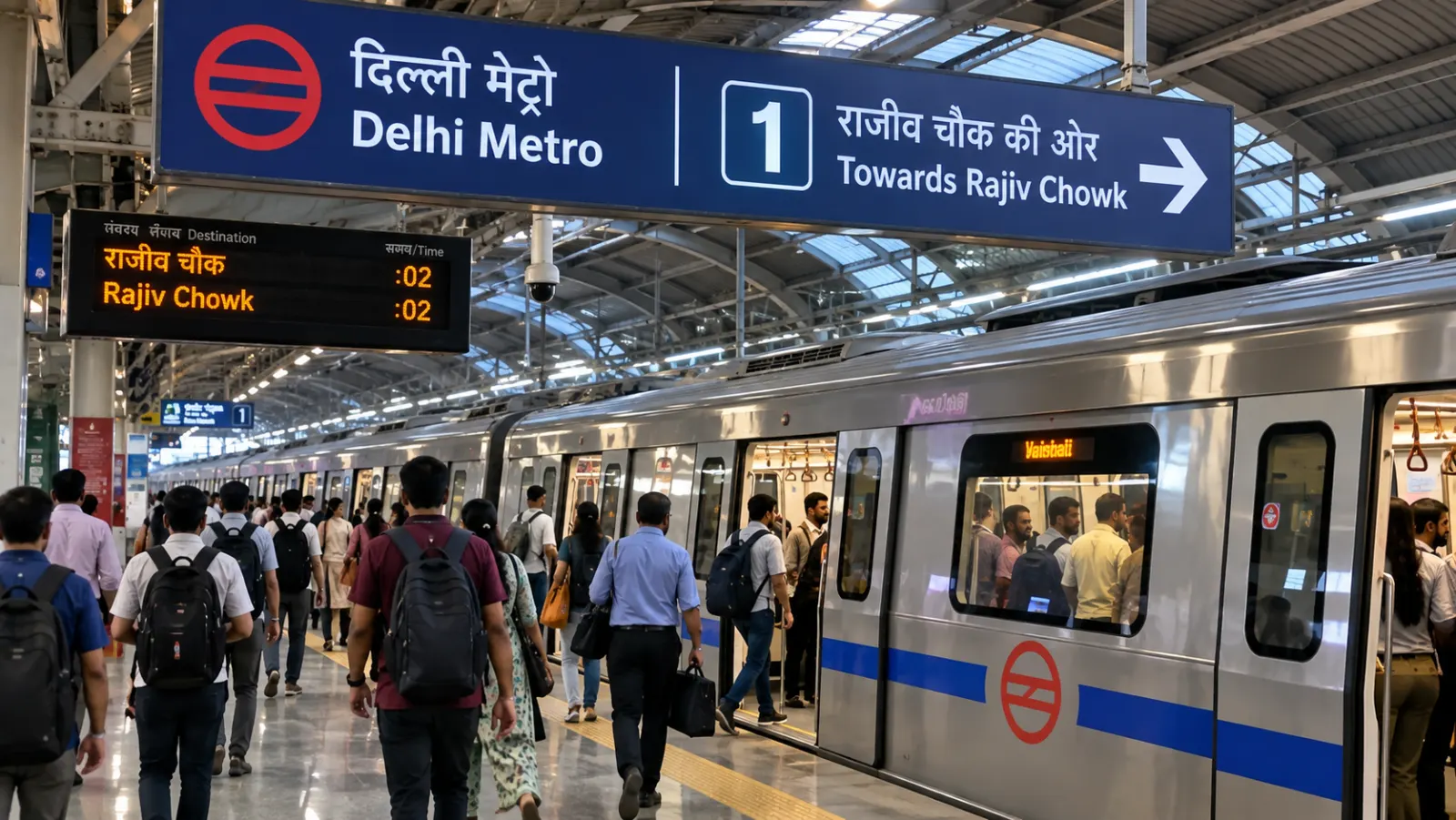
The police advisory therefore reflects a broader evolution in crowd management. Earlier, law enforcement often reacted after disorder began. Today, agencies increasingly try to govern anticipation. They identify likely flashpoints before the final whistle: pubs, fan parks, junctions, stadium-adjacent roads, arterial routes, flyovers, metro stations and public-screening locations. The advisory is a pre-emptive signal that celebration is allowed only within civic boundaries.
This is not unique to Bengaluru. Across the world, sports victories create public-order challenges. Football finals in Europe, basketball championships in the United States and cricket celebrations in South Asia all require planning. The difference is that Indian cities often have less formal infrastructure for safe mass celebration. Fan zones, public squares, controlled parade routes and licensed big-screen areas are still underdeveloped.
The Institutional Question
That gap produces a recurring problem. Citizens want to gather, but cities do not provide safe gathering spaces. Police then impose restrictions because unmanaged celebration becomes risky. The solution is not to suppress joy. The solution is to design joy better.
Bengaluru could create a more mature model for future sports celebrations. Designated fan zones with permission, barricading, medical support, toilets, traffic diversion, fire safety and closing hours would allow people to celebrate without paralysing the city. Public screenings could be registered through a simple permission system. Victory parades, if organised, could follow predetermined routes with crowd caps and metro coordination. Residential celebrations could be guided by noise deadlines and firecracker restrictions.
Such planning would benefit everyone. Fans would feel respected rather than policed. Police would manage known spaces instead of chasing unpredictable crowds. Emergency services would keep access routes open. Civic authorities would reduce chaos. Local businesses could participate legally. The city would celebrate as a city, not as scattered eruptions of unmanaged emotion.
The Wider Horizon
The psychology of sports celebration is powerful. Fans experience victory as personal validation. They speak in first person: we won, our team, our city. That emotional ownership is valuable because it builds community. But it also needs maturity. A mature fan culture understands that public celebration is not permission to endanger others. Civic discipline is not anti-sport. It is what allows sport to be enjoyed without fear.
The advisory also points to the changing nature of Indian urban policing. Police are no longer dealing only with crime control. They manage festivals, protests, political rallies, religious processions, concerts, cricket nights, celebrity visits and viral crowd behaviour. In a social-media-driven city, one rumour or video can mobilise hundreds of people. Public order has become faster, more emotional and harder to predict.
For RCB fans, the advisory should not be read as an insult. It should be read as recognition of their scale. Police issue such warnings because they know the fan base is large enough to change the city for a night. That is power. But power must be organised.
What Should Change Now
There is also a legal dimension. Unauthorised public screenings may raise permissions, traffic and copyright issues. Firecrackers may violate local restrictions. Dangerous driving can fall under motor-vehicle law. Public nuisance and unlawful assembly concerns can arise if gatherings block roads or disturb peace. The advisory therefore translates celebration into enforceable civic boundaries.
The best cities do not ban emotion. They choreograph it. Bengaluru has the cultural energy to become one of India's great sports cities. But it needs systems equal to its passion. If a team victory means chaos, the city has failed. If a team victory becomes a safe, visible, inclusive civic festival, the city has evolved. Bengaluru's message was simple: celebrate, but do not disturb the city. The next step should be more ambitious: help the city celebrate well. Because the mark of a mature sports city is not silence after victory. It is disciplined joy.