America Wants to Refill India's Oil Tank
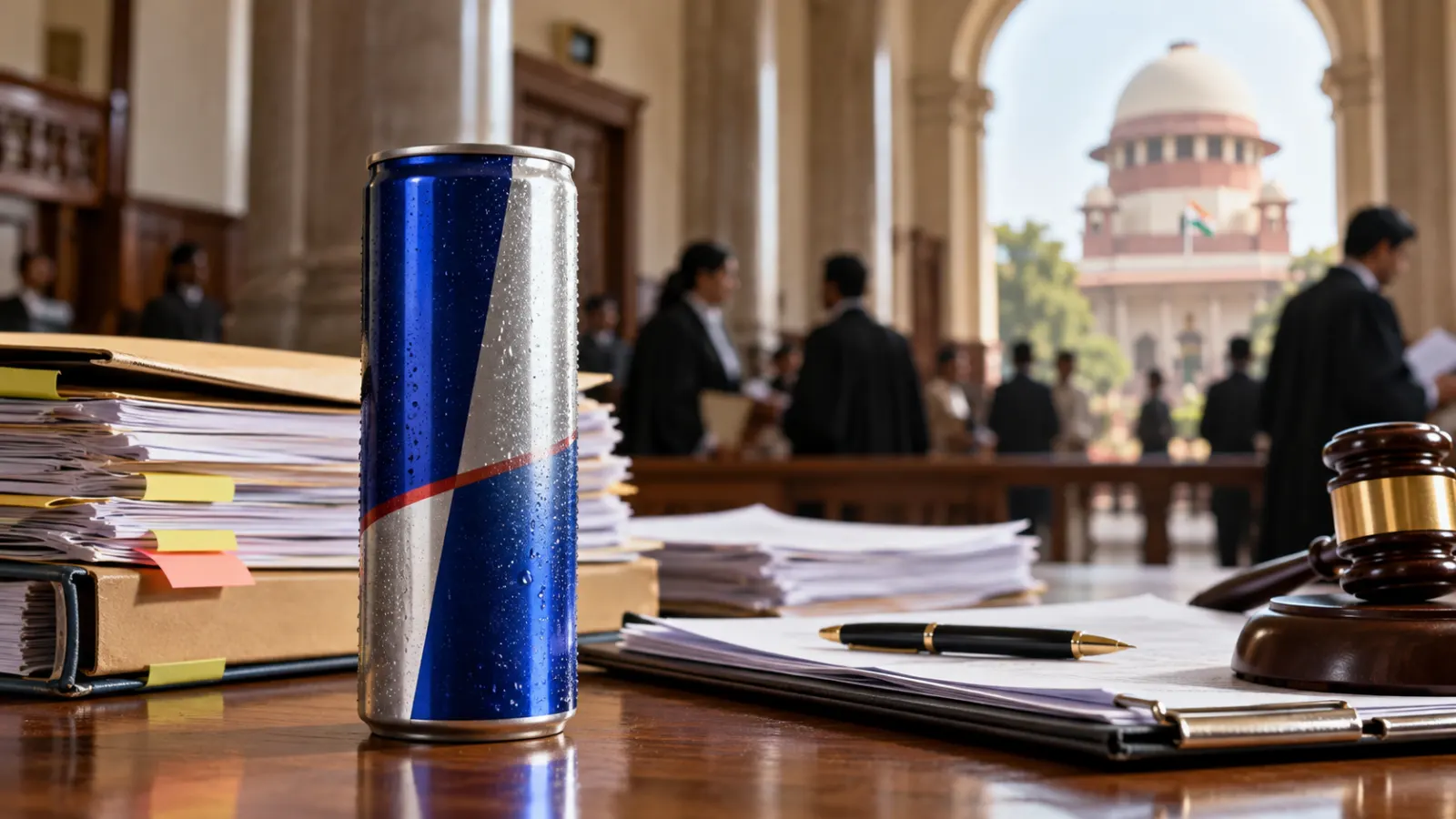
For years, India's biggest energy bargain has been Russian crude. This week, the United States is openly trying to change that equation.
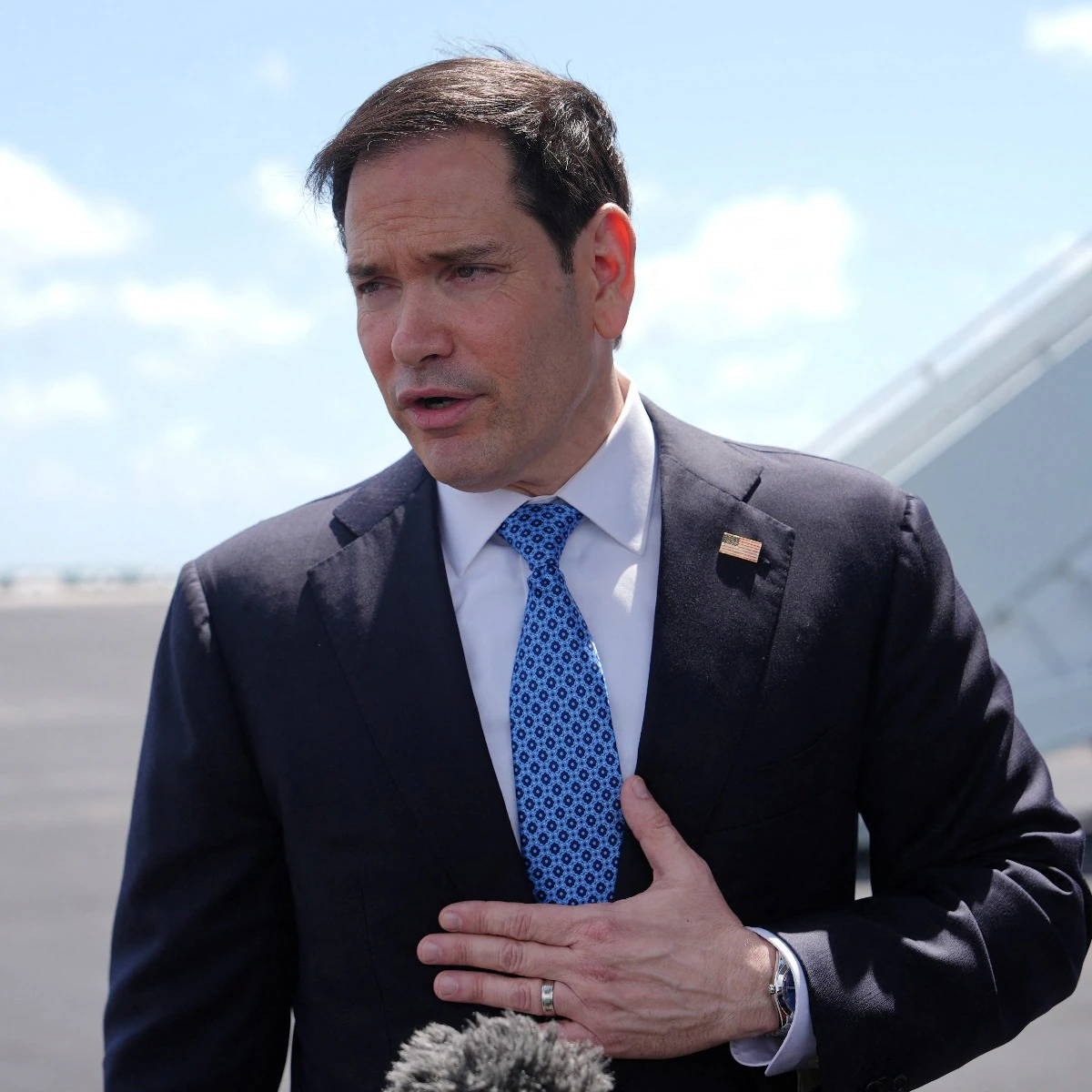
US Secretary of State Marco Rubio, on his first India visit since taking office, met Prime Minister Narendra Modi on Saturday. According to the US State Department readout cited by Bloomberg and Reuters, Rubio publicly said: "We want to sell them as much energy as they'll buy."
Where India's Oil Comes From Today
India imports more than 85% of its crude oil needs. The current supplier mix, based on industry estimates reported by Reuters and S&P Global Commodity Insights, includes Russia at around 35-40% of crude imports at peak (reportedly around 2 million barrels per day during 2023-2024), the Middle East (Iraq, Saudi Arabia, UAE) as together the largest regional cluster, the United States at a smaller share (mostly light sweet crude), and others including Africa, Latin America, and spot purchases. Indian refiners reportedly saved an estimated $11 billion to $25 billion between 2023 and 2024 by buying discounted Russian crude, according to industry estimates cited by international media.
The US Ask
According to the US readout of the Modi meeting, Rubio pressed the case for American energy exports, told Modi that US supplies could help broaden India's energy mix, and stressed Washington's position on Iran's role in global energy markets. The Indian government statement, by contrast, did not specifically refer to Iran. Modi reiterated India's support for peace efforts and called for disputes to be resolved through dialogue and diplomacy.
Why This Matters to Every Indian Household
Any meaningful shift in who fills India's oil tank affects three things at home. First, petrol and diesel prices — recently hiked by 87 paise (petrol) and 91 paise (diesel) in one cycle, according to oil-marketing-company notices. Second, the rupee, which moves with the trade deficit. Third, strategic autonomy — India's traditional policy of buying from whoever offers the best terms, regardless of geopolitics.
What Is Unresolved
A comprehensive India-US trade agreement is still pending after five rounds of talks; officials describe the first phase as "very near" to conclusion, but it has not been signed. US tariffs of up to 50% on Indian goods, including an additional 25% over India's Russian oil purchases, remain partially in force. US Treasury Secretary Scott Bessent has extended for another 30 days a sanctions waiver allowing "energy-vulnerable" countries to keep buying Russian seaborne crude — a temporary reprieve, not a permanent fix.
FAQ
Q1. How much oil does India import from Russia? Roughly 35-40% of total crude imports at peak, according to S&P Global and Reuters estimates.
Q2. Will US oil be cheaper than Russian oil for India? Not currently. Discounted Russian crude has been substantially cheaper. US oil would become competitive only if prices, freight, and terms change.
Q3. Are US tariffs on Indian goods still in place? Partially. Some tariffs have been rolled back; others remain in force pending the trade deal.
Sources
US State Department readout, Bloomberg, Reuters, Al Jazeera, The National (UAE), Pakistan Today, Channeliam.
Bottom line: This is not just an oil story. It is a story about whether India's old strategy of buying cheap, talking to everyone, and aligning with no one can survive a new American playbook.
Last updated: May 24, 2026 — 3:00 p.m. IST