In a public address in Hyderabad, Prime Minister Narendra Modi made an unusual personal appeal to Indian citizens: use less fuel, avoid foreign travel, and stop buying gold. The appeal, made as India grapples with the economic fallout of the Iran war, was the most direct public acknowledgement by a sitting Indian prime minister of the country's energy and foreign exchange vulnerability in recent memory.
Key Points
PM Modi publicly urged Indians to reduce fuel use, work from home, and carpool. Modi asked citizens to pause gold purchases and avoid unnecessary foreign travel. India spent $174.9 billion on crude and petroleum products in FY2026. 32.7 million Indians traveled abroad in 2025, including 14 million leisure travelers. India is the world's second-largest gold buyer — $72 billion annually. Government has not introduced formal restrictions — the appeal is voluntary.
Background
India faces a perfect storm in 2026 — a war affecting its primary energy supply, a weakening rupee, a record trade deficit, and elevated domestic inflation. The last time an Indian government issued such an appeal was during the 1991 balance of payments crisis, when India pledged gold to the Bank of England.
Main Details
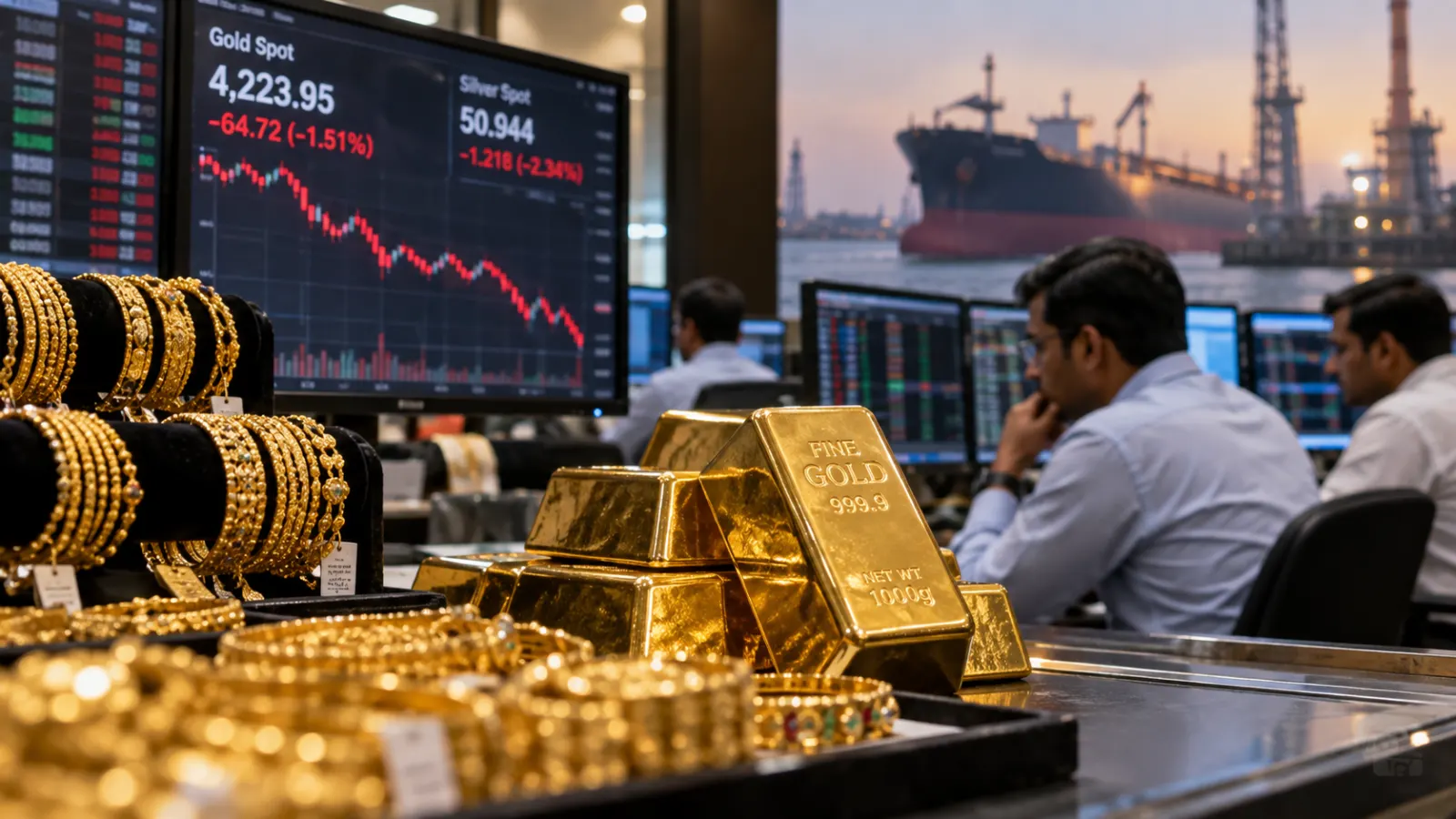
Modi's speech in Hyderabad covered three main asks: First, reduce fuel consumption — use public transport, work from home where possible, carpool. Second, reduce foreign travel to conserve foreign exchange. Third, reduce gold purchases — India spends $72 billion on gold annually. The appeal prompted immediate market reactions: IndiGo fell 2.8 percent and Titan fell nearly 6 percent.
Reactions
The response was polarised. Supporters praised the appeal as responsible economic leadership. Critics questioned why the government was asking citizens to sacrifice while corporate tax cuts and election-period price freezes had contributed to the current situation.
Impact Analysis
If even a fraction of Indians responded — say 5 percent reduction in leisure foreign travel and 10 percent reduction in gold purchases — the savings to India's foreign exchange bill would be in the billions of dollars. But voluntary appeals are notoriously difficult to sustain beyond a short media cycle.
What Happens Next
The government is likely to follow this appeal with more concrete policy measures — possibly higher taxes on luxury foreign travel, sustained gold import duties, and expanded public transport incentives.
Q: What did PM Modi ask Indians to do?
A: Modi asked citizens to use less fuel, carpool, work from home, avoid foreign travel, and reduce gold purchases.
Q: Why did Modi make this appeal?
A: To help conserve foreign exchange, reduce India's import bill, and manage the economic impact of the Iran war.
Q: Is this a legal restriction or a voluntary appeal?
A: It is voluntary. The government has not imposed legal restrictions on travel or gold purchases.
Q: How did markets react?
A: Airline and jewellery stocks fell. IndiGo dropped 2.8 percent and Titan fell nearly 6 percent.
Q: Has any Indian PM made such an appeal before?
A: Such direct public austerity appeals are rare — the last comparable situation was during India's 1991 balance of payments crisis