What happened?
India's petrol and diesel prices were hiked twice in May 2026 — by ₹3 per litre on May 15 and by 90 paise on May 19. While the immediate impact is visible at fuel pumps, economists warn that the real effect on common people will come in the weeks and months ahead — as transport costs, food prices, and the cost of manufactured goods adjust upward throughout the supply chain.
Key Points
Double fuel price hike in May 2026 — ₹3.90 per litre total increase
Every 10 percent rise in crude pushes India's CPI inflation up by 40–60 basis points
Transport costs typically rise within 2 weeks of fuel hikes
Vegetable and food prices follow within 4–6 weeks
Retail inflation may approach or breach 6 percent by July–August 2026
RBI may face pressure to pause interest rate cuts if inflation rises
Background
India's inflation is particularly sensitive to fuel prices because the country relies heavily on road transport for moving goods. Unlike some countries with strong rail freight systems, most of India's vegetables, grains, fruits, and manufactured goods travel by truck. When diesel prices rise, truck operators increase freight rates. Those higher freight costs are passed on to traders, then to retailers, and finally to consumers.
Main Details
Retail inflation in India was running at around 3–4 percent in early 2026, well within the RBI's comfort zone. But the Iran war has changed the picture dramatically. Oil prices above $110 per barrel, combined with the fuel hikes, could push CPI inflation above 5 percent and potentially close to 6 percent — the upper boundary of the RBI's tolerance band — by July or August 2026.
The agricultural sector is particularly affected. Diesel powers irrigation pumps and farm equipment. Higher diesel costs raise production costs for farmers, who then either absorb the loss or pass it on through higher farmgate prices.
Reactions
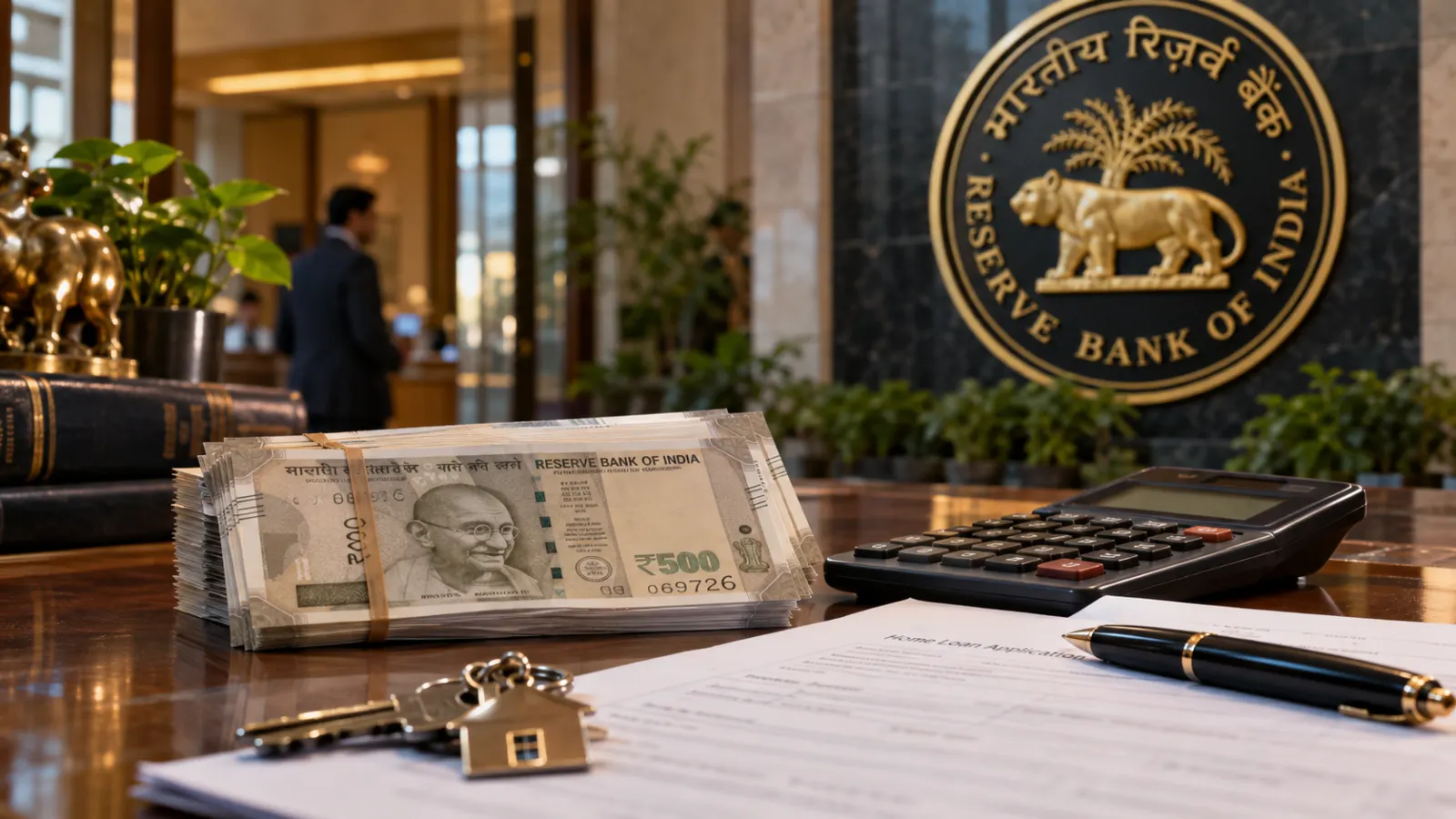
The RBI's monetary policy committee is in a difficult position. It has been trying to support economic growth by keeping interest rates accommodative. But if inflation spikes above 5 percent, the RBI may need to pause rate cuts or even consider reversing course.
Impact Analysis
Urban middle-class families spending ₹5,000–₹8,000 per month on groceries and transport could see their monthly bills rise by ₹800–₹1,500 by August 2026. For lower-income households, where food is 50–60 percent of expenditure, the impact will be proportionally much harder.
What Happens Next
Inflation trajectory in India over June–September 2026 will depend heavily on whether the Iran war ends, whether crude prices moderate, and whether the government takes any steps to cushion the blow. A good monsoon season would help keep food inflation in check.
FAQ
Q: How do fuel price hikes cause food prices to rise?
A: Diesel powers trucks that transport food. Higher diesel means higher freight costs, which are passed on as higher food prices.
Q: How much could retail inflation rise?
A: Economists estimate inflation could approach or breach 6 percent by July–August 2026 if fuel prices stay elevated.
Q: What is India's inflation target?
A: The RBI targets 4 percent CPI inflation, with a tolerance band of 2–6 percent.
Q: Will interest rates go up?
A: If inflation rises above 5 percent, the RBI may pause interest rate cuts or delay future reductions.
Q: What can the government do to control inflation?
A: Release commodity buffers, cut excise duty on fuel, reduce import duties on essential goods, and ensure supply chain efficiency.