The Indian stock market has grown dramatically over the past decade, attracting millions of first-time investors. If you have been thinking about investing but feel overwhelmed by terms like Sensex, Nifty, and demat account, this guide is for you.
What Are Sensex and Nifty?
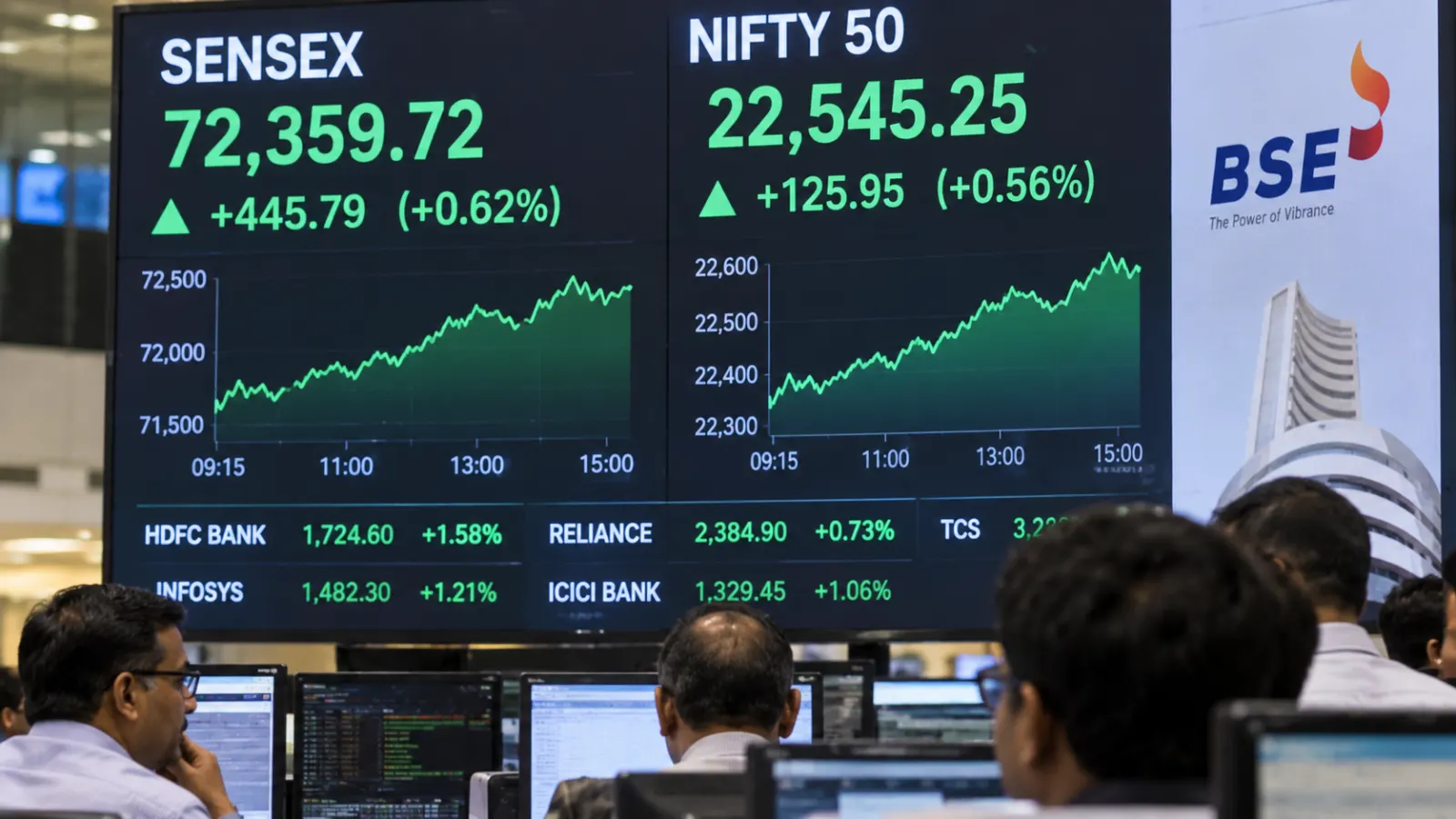
The Sensex (Sensitive Index) is the benchmark index of the Bombay Stock Exchange (BSE). It tracks the performance of 30 of the largest and most actively traded companies listed on the BSE.
The Nifty 50 is the benchmark index of the National Stock Exchange (NSE). It tracks 50 large companies across 13 sectors of the Indian economy. When people say the market is up or down, they are referring to these two indices.
How to Start Investing
Step 1 — Open a Demat and Trading Account. A demat account holds your shares electronically. You need both a demat and trading account to buy and sell shares. Brokers including Zerodha, Groww, and Upstox offer easy online account opening.
Step 2 — Complete Your KYC. You will need your PAN card, Aadhaar card, bank account details, and a photograph. This is mandatory for all investors.
Step 3 — Start with What You Can Afford to Lose. The stock market carries real risk. Never invest money you cannot afford to lose, and never invest borrowed money.
Step 4 — Consider Mutual Funds First. For most beginners, starting with a Systematic Investment Plan (SIP) in a diversified mutual fund is safer than picking individual stocks. SIPs allow you to invest as little as Rs 500 per month.
Understanding the Risks
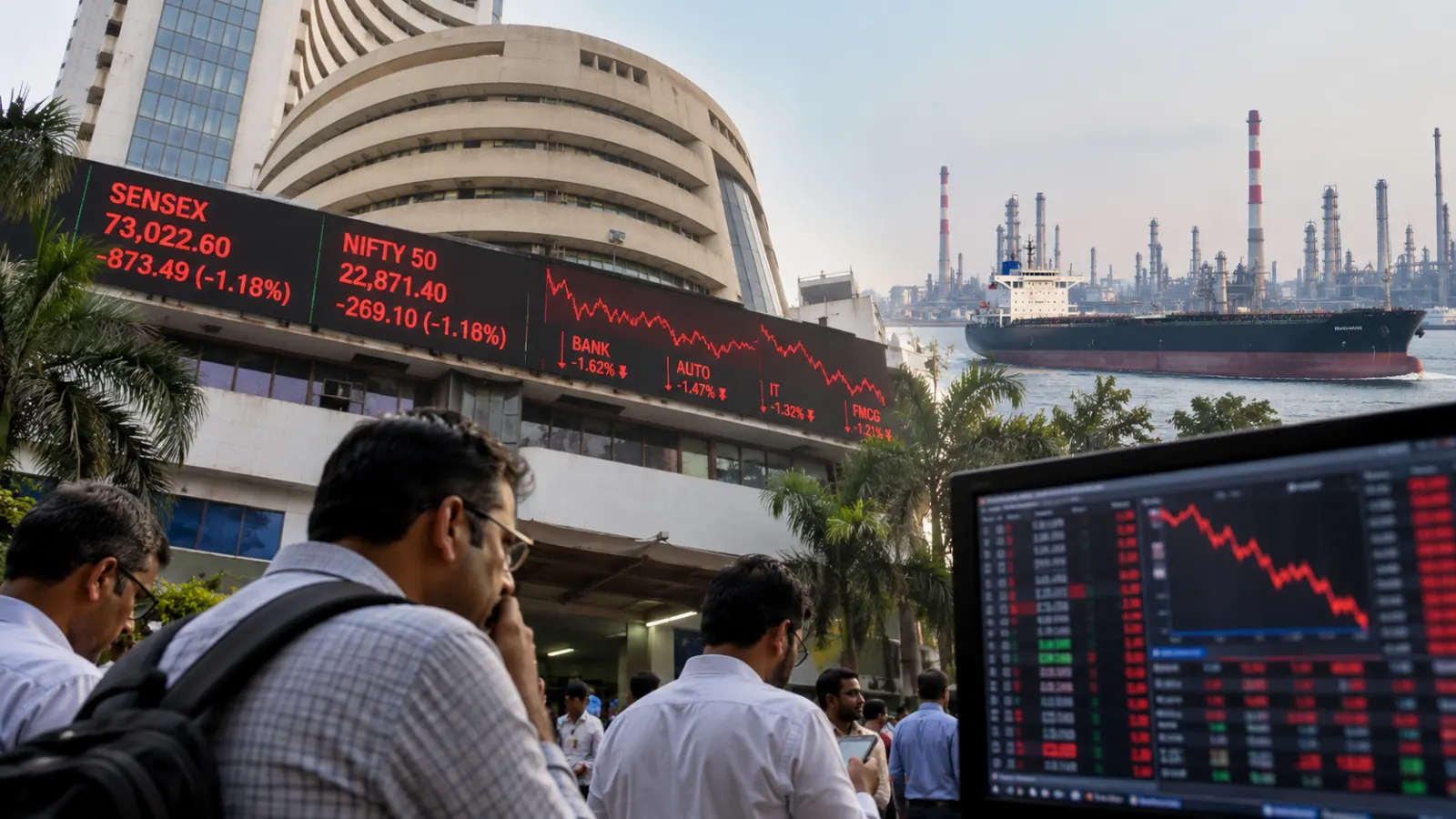
Today's sharp fall in Sensex is a reminder that markets can be volatile. Long-term investors who stay invested through short-term volatility have historically been rewarded — but there are no guarantees. Start small, keep learning, and never make investment decisions based on social media tips.