What happened?
A municipal anti-encroachment drive in Hisar, Haryana has sparked significant controversy after residents and opposition leaders alleged that demolitions were selectively targeting ordinary citizens and small traders while leaving untouched encroachments by politically connected individuals and officials. The allegations have led to protests, political statements, and demands for an independent audit of the demolitions.
Key Points
- Hisar municipal corporation anti-encroachment drive demolished structures in multiple wards
- Residents allege selective targeting — structures belonging to ruling party associates reportedly spared
- Small traders and shopkeepers among those most affected — some lost livelihoods without notice
- Opposition parties demanding independent probe into demolition decisions
- Haryana HC has received petitions challenging the demolitions' legality in some cases
- Controversy mirrors similar allegations from anti-encroachment drives across India
Background
Urban encroachments — buildings, shops, extensions, and constructions beyond permitted limits — are pervasive in Indian cities. They exist because regulatory enforcement is inconsistent, land records are often disputed, and building bylaws have historically been poorly enforced. When municipalities launch periodic anti-encroachment drives, they face inherent questions about selectivity: who gets notice, who gets time to appeal, and whose structures are actually demolished.
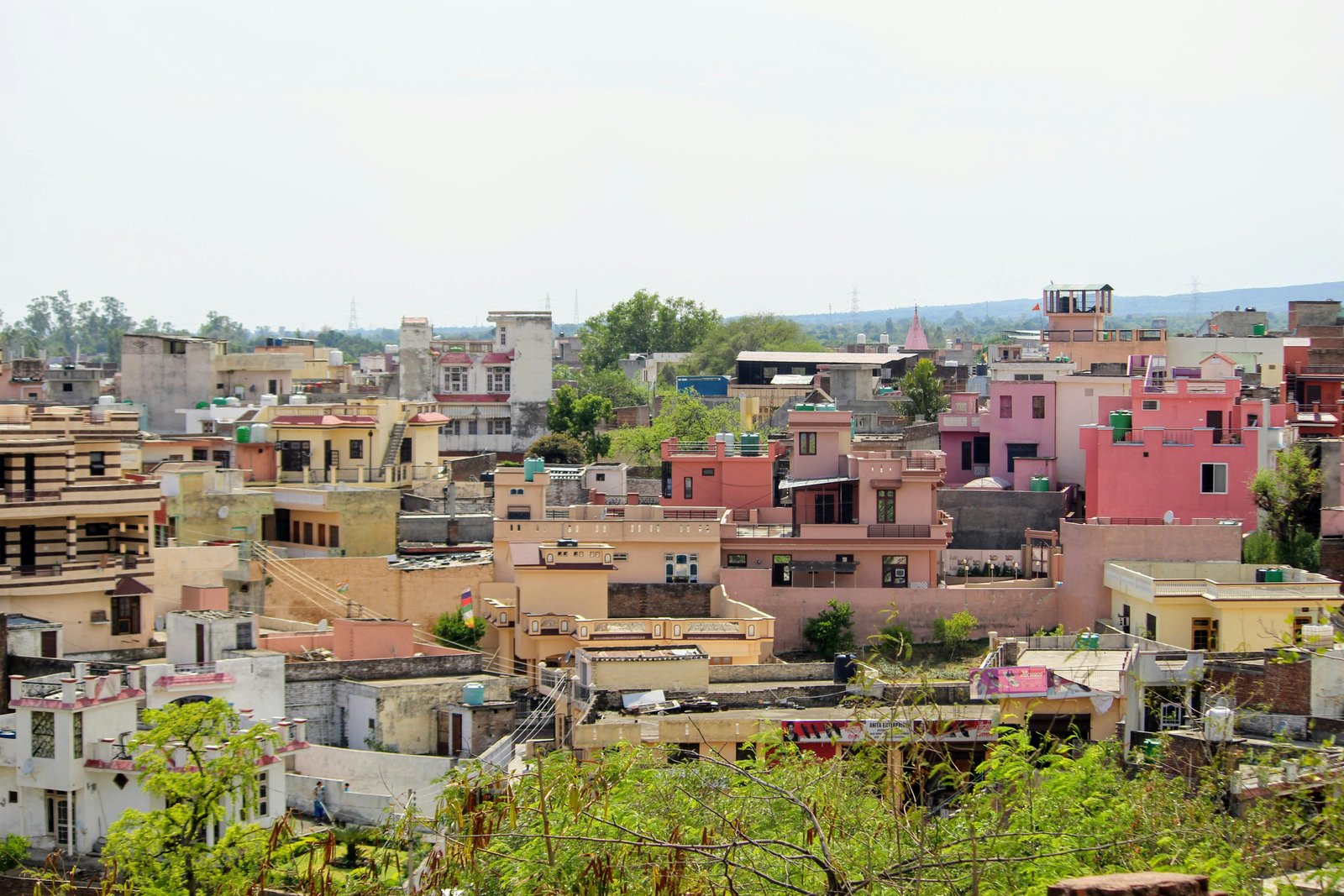
In Hisar, as in many Indian towns, encroachment is not limited to poor households — it is widespread across economic classes. Affluent homes with extended constructions and commercial premises with illegal additions are as common as shanties. The perception of double standards in enforcement is, therefore, not unique to Hisar, but has been particularly sharply expressed there.
Main Details
The drive in Hisar targeted residential colonies, commercial areas, and roadside encroachments. Demolished structures included temporary shops, residential extensions, and compounds. Affected residents in several cases say they received little or no prior notice — a legal requirement — before demolition began.
Opposition parties including Congress and AAP have circulated photographs and videos that they claim show encroachments belonging to BJP-aligned individuals standing intact while neighbouring structures belonging to other residents were demolished. Municipal officials have denied the selectivity allegations.
A petition has been filed in the Punjab and Haryana High Court challenging the procedure followed, particularly regarding notice period compliance.
Reactions
Small traders affected by the demolitions have filed collective complaints, some of whom say they had been operating at the same location for 20–30 years without disturbance. RWA representatives from affected localities have demanded that if anti-encroachment drives are to be undertaken, they must follow strict procedural compliance including adequate notice, grievance hearings, and consistent standards applied uniformly.
Impact Analysis
The perception — justified or not — that anti-encroachment drives are used as political tools disproportionately affecting opponents while sparing supporters undermines public trust in governance institutions. This trust deficit makes future legitimate enforcement harder, as residents are less likely to comply voluntarily if they believe rules are applied selectively.
What Happens Next
The High Court petition will likely result in a review of procedural compliance. Political pressure from the controversy may also lead to a pause or modification of the drive. The broader question of fair and consistent urban planning enforcement in Haryana's smaller cities will persist beyond this specific episode.
FAQ
Q: What is an anti-encroachment drive?
A: A municipal operation to identify and demolish unauthorised constructions or encroachments on public land.
Q: Is it legal to demolish without notice?
A: No — legal requirements mandate prior notice, opportunity for appeal, and hearing before demolition. Emergency situations are exceptions.
Q: What can affected residents do?
A: Challenge demolition legality in High Court, file RTI to access demolition orders and notices, and approach the State Human Rights Commission.
Q: Are encroachments actually widespread in Indian cities?
A: Yes — studies suggest 20–40 percent of structures in Indian cities have some degree of building bylaw non-compliance.
Q: Why is selective enforcement a problem even if targeting real encroachments?
A: Because it violates equal protection under law (Article 14 of the Constitution) and creates perceptions of political misuse of government powers.