What happened?
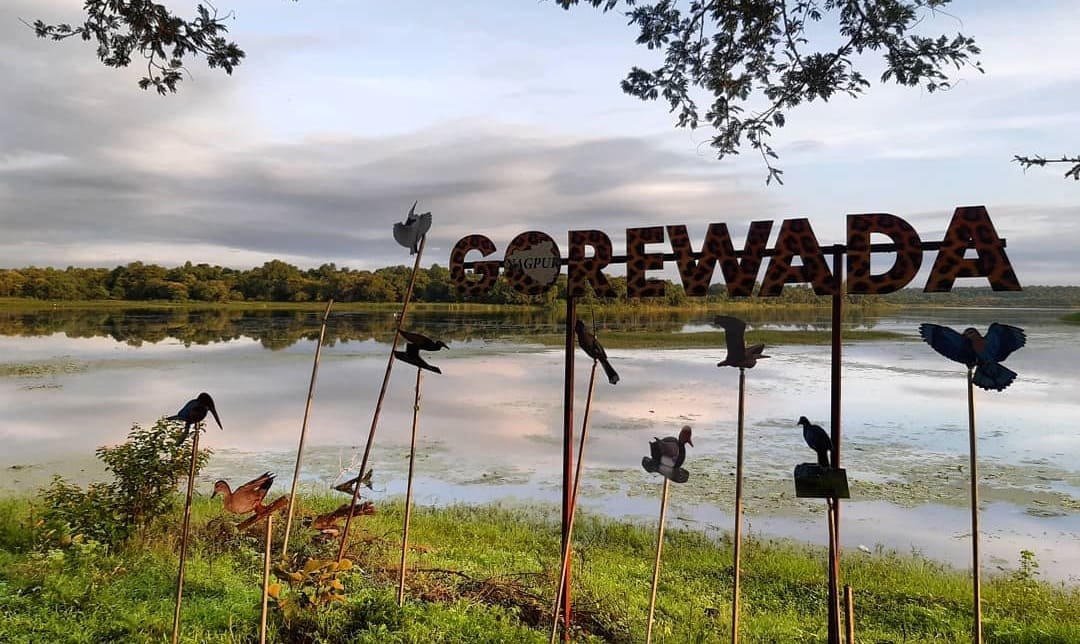
Nagpur's Gorewada International Biodiversity Park — home to tigers, leopards, Indian bison, and hundreds of species of birds — is under threat from illegal waste dumping at its fringes. Residents of surrounding areas, contractors, and in some cases municipal workers have been dumping construction debris, household waste, and even industrial waste at the forest periphery. Environmental activists and wildlife officials have raised alarms about the long-term ecological damage this causes.
Key Points
- Illegal waste dumping reported at multiple points along Gorewada Forest periphery
- Construction debris, household waste, and reportedly some industrial waste being dumped
- Forest officials have seized dumping vehicles and filed cases — but activity continues
- Gorewada is part of an important wildlife corridor connecting several Maharashtra forest areas
- Leopards have been sighted near human habitation adjacent to the forest — waste attracts prey animals
- NMC (Nagpur Municipal Corporation) struggling with solid waste management system gaps
Background
Gorewada International Biodiversity Park is one of Nagpur's most prized environmental assets — a 1,914-acre forested zone within the city limits that has been developed as a safari and conservation centre. It holds significance beyond tourism: as a forest patch within an urban context, it is a critical node in the ecological connectivity between Pench Tiger Reserve and other forests in Vidarbha's wildlife landscape.
Nagpur, like most Indian cities, faces a solid waste management crisis. Official dumping sites are often overloaded. Informal waste management — where residents and contractors dump wherever convenient — is rampant. The forest's proximity to middle-class and lower-income residential areas creates a constant pressure for illegal dumping.
Main Details
Forest Range Officers at Gorewada have documented increasing frequency of dumping incidents in 2025–26. Types of waste include construction debris from Nagpur's ongoing real estate development, household garbage from adjacent colonies, and in more serious cases, slaughterhouse waste that attracts predators.
Wildlife officials have noted that waste piles attract feral dogs, pigs, and cattle — which in turn attract leopards and hyenas from within the forest looking for easy prey. This creates conditions for human-wildlife conflict near forest boundaries — an increasingly documented problem around Gorewada.
In March 2026, a leopard was photographed on a CCTV camera in a residential colony adjacent to the forest — an event widely shared on social media that highlighted the proximity of wildlife to human habitation.
Reactions
Nagpur-based wildlife NGOs including WCT (Wildlife Conservation Trust) and local activists have demanded installation of surveillance cameras at known dumping points, fast-track disposal of cases against dump violators, and a systematic wall or barrier to prevent vehicle access to forest periphery areas.
NMC officials have acknowledged the problem and pointed to resource constraints in enforcement. They have promised increased patrolling but have not committed to timeline-bound action.
Impact Analysis
Continued forest dumping degrades soil quality, introduces invasive species, creates fire hazards during summer, and habituates wildlife to human presence in ways that lead to conflict. The long-term ecological damage is difficult to reverse. Economically, Gorewada's tourism and conservation value — currently generating revenue through safaris and educational visits — is at risk if the park's ecological health deteriorates.
What Happens Next
Forest officials have applied to the National Green Tribunal (NGT) for stronger enforcement powers and funding for physical barriers. An NGT order directing NMC to improve solid waste management in adjacent areas is expected. The outcome depends on both regulatory action and genuine improvement in NMC's waste management infrastructure.
FAQ
Q: What is Gorewada International Biodiversity Park?
A: A 1,914-acre protected forest and safari within Nagpur city — home to tigers, leopards, bison, and hundreds of bird species.
Q: Why is waste dumping at Gorewada dangerous?
A: It attracts animals to forest edges, risks human-wildlife conflict, degrades forest ecology, and creates fire hazards.
Q: Is it illegal to dump near forests?
A: Yes — dumping near protected forests violates multiple laws including Forest Conservation Act and Solid Waste Management Rules. Penalties can include fines and imprisonment.
Q: What should I do if I see illegal dumping?
A: Report to Forest Range Office, NGT regional bench, or NMC's solid waste management helpline.
Q: Does Gorewada have tigers?
A: Yes — Gorewada's safari park has tigers that are visible to visitors. It is also a forest corridor for free-ranging leopards.