What happened?
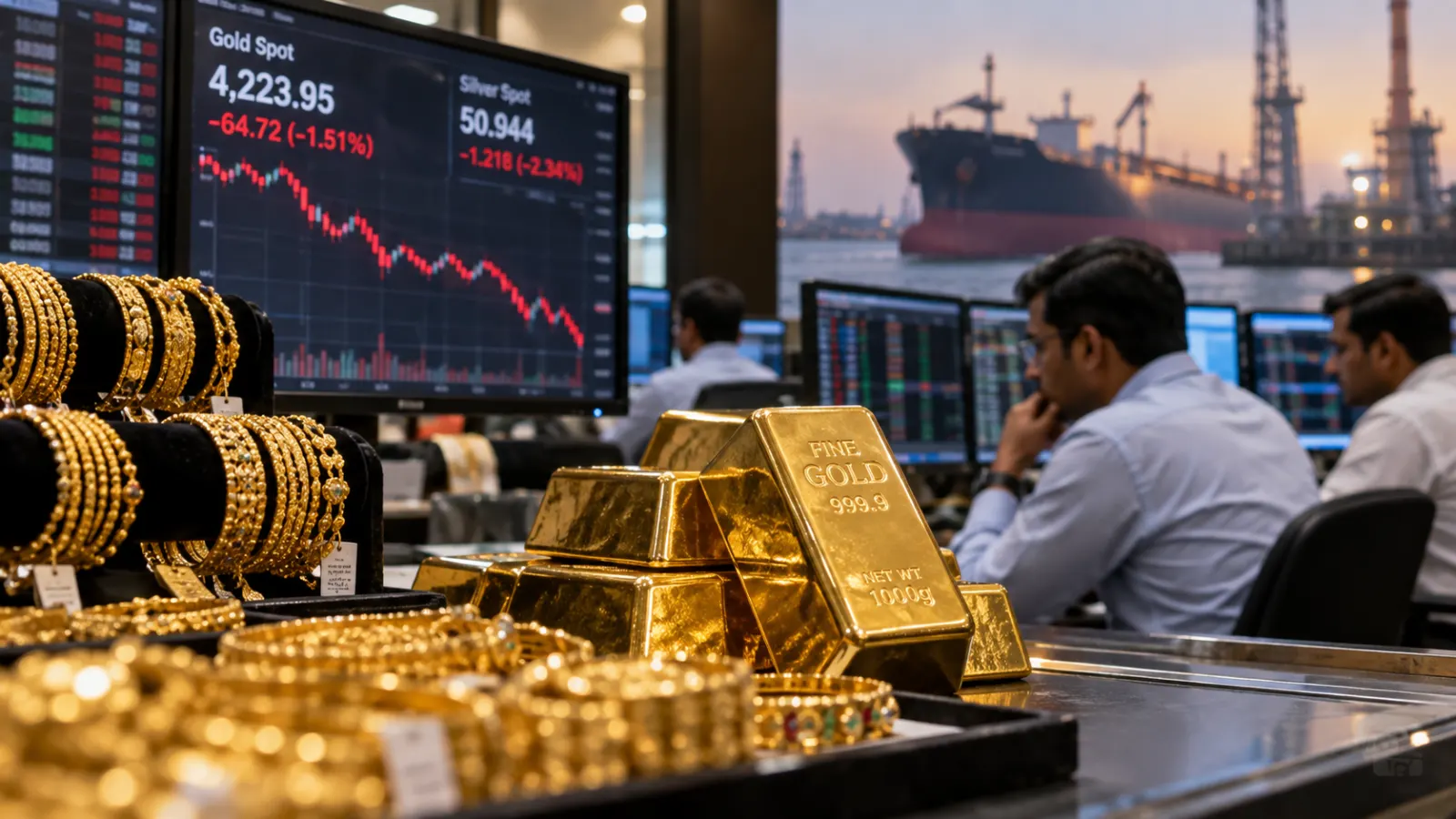
India's gold import bill has come under severe scrutiny in 2026. In April 2026, gold imports fell to nearly 15 tonnes — the lowest level in about 30 years — following a government-imposed hike in bullion import duty. This dramatic fall, while helping narrow the trade deficit marginally, has sent shockwaves through the jewellery industry and exposed the tensions between India's cultural love for gold and its economic vulnerabilities.
Key Points
Gold imports in April 2026 fell to ~15 tonnes — a 30-year low
Government raised bullion import duty to reduce trade deficit pressure
India is the world's second-largest gold buyer after China — spending ~$72 billion annually
Rupee hit record lows near ₹94/USD, making gold imports even more expensive
Titan stock fell 6 percent after PM Modi urged reduced gold purchases
Jewellery industry employs millions — supply disruption threatens jobs
Background
India has a deep cultural relationship with gold. It is bought at weddings, festivals, and as a form of savings. India imported nearly $72 billion worth of gold in FY2026. Every time the rupee weakens, gold imports become more expensive in rupee terms — creating pressure on the external balance. With the Iran war pushing crude prices up and the rupee already under pressure, the government has been more aggressive than usual in trying to curb gold demand.
Main Details
The government raised the bullion import duty as part of efforts to contain the trade deficit, which widened to $28 billion in April 2026. The sharp fall in gold imports reflects both the duty hike and a broader collapse in commercial bank imports following stricter tax enforcement.
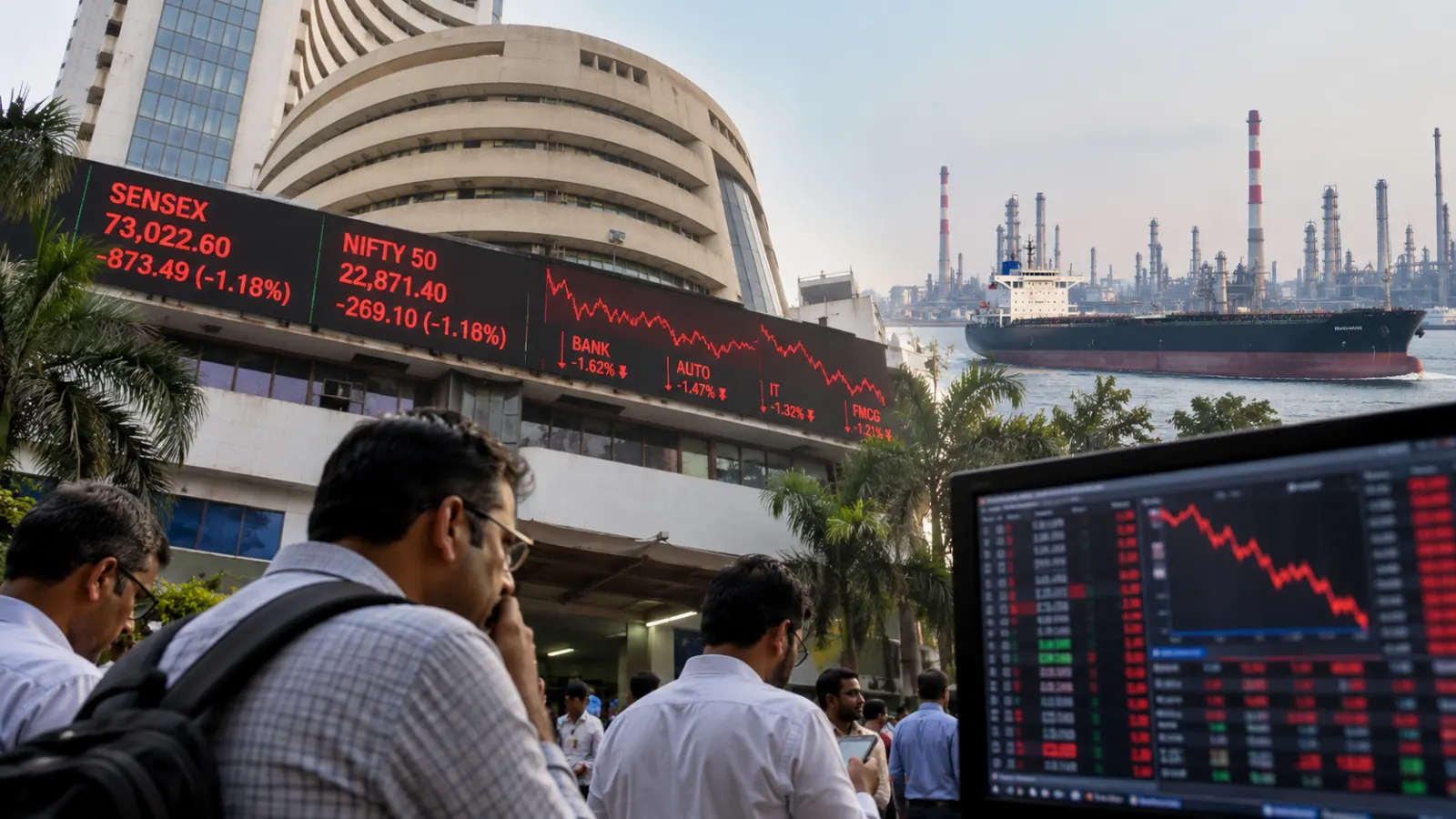
Industry observers described the situation as a "policy shock." Jewellery clusters in Jaipur, Surat, and Mumbai reported disrupted production cycles. PM Modi's public appeal to citizens to reduce gold purchases added to sentiment pressures. Titan, India's largest listed jewellery company, saw its stock fall nearly 6 percent on the day of Modi's speech.
Reactions
Jewellery industry associations called for a rollback of the duty hike, arguing that it was hurting small artisans and craftsmen rather than wealthy investors. Economists were divided — some supported the duty hike as necessary given India's external account pressures, while others argued that higher duties simply divert demand to smuggled gold.
Impact Analysis
Reduced gold imports help narrow the trade deficit and ease rupee pressure in the short term. But the side effects are significant — job losses in the jewellery sector, reduced economic activity in gold-dependent regions, and potential increase in gold smuggling.
What Happens Next
The government faces a balancing act. If it keeps duties high, the jewellery industry suffers. If it reduces them, the trade deficit widens. Industry bodies are lobbying for a phased reduction in duties once the external situation improves.
FAQ
Q: Why did gold imports fall to a 30-year low in April 2026?
A: The government raised bullion import duty and enforced stricter tax rules on bank-routed gold imports, triggering a sharp drop.
Q: How much does India spend on gold imports annually?
A: India spends approximately $72 billion on gold imports each year — the second highest in the world.
Q: Why does the government want reduced gold imports?
A: High gold imports widen the trade deficit, put pressure on the rupee, and drain foreign exchange reserves.
Q: Does this affect jewellery prices?
A: Yes. Higher import duties and constrained supply push up jewellery prices for consumers.
Q: Will gold smuggling increase?
A: Historical precedent suggests higher duties do increase smuggling. This is a risk the government is aware of.