What happened?
Nomination filing for Punjab municipal and panchayat elections in May 2026 was marred by incidents of violence in multiple districts including Amritsar, Ludhiana, Jalandhar, and Bathinda. Reports of opposition party candidates being physically prevented from filing nominations, clashes between rival political groups at returning officer offices, and incidents of vehicle burning have drawn condemnation from the Election Commission, political parties, and civil society groups.
Key Points
- Violence reported in 8–10 Punjab districts during nomination filing period
- Candidates and supporters physically prevented from reaching returning officer offices
- 30+ FIRs registered, 25+ arrests across multiple districts
- Punjab and Haryana HC issued notice to state government on election violence
- Opposition parties accusing AAP government of enabling ruling party worker violence
- Election Commission has deployed central observers in affected districts
Background
Punjab has a history of contested local elections with incidents of political violence — though the scale and nature have varied across governments and periods. Local body elections — for municipal councils, market committees, and panchayats — are intensely contested because they control local resources, contracts, and patronage that matter enormously to the political economy of Punjabi towns and villages.
The AAP government, which won power in Punjab on an anti-corruption and anti-violence platform, now faces accusations of the same political violence patterns it campaigned against. Opposition parties, particularly Congress and SAD, allege that AAP workers have been engaged in intimidation during the nomination process.
Main Details
The most serious incidents occurred in Amritsar, where supporters of candidates of different parties clashed near the returning officer's office, resulting in injuries and vehicle damage. In Ludhiana's industrial belt, reports emerged of polling agent intimidation and one incident where a candidate's nomination paper was reportedly snatched and torn.
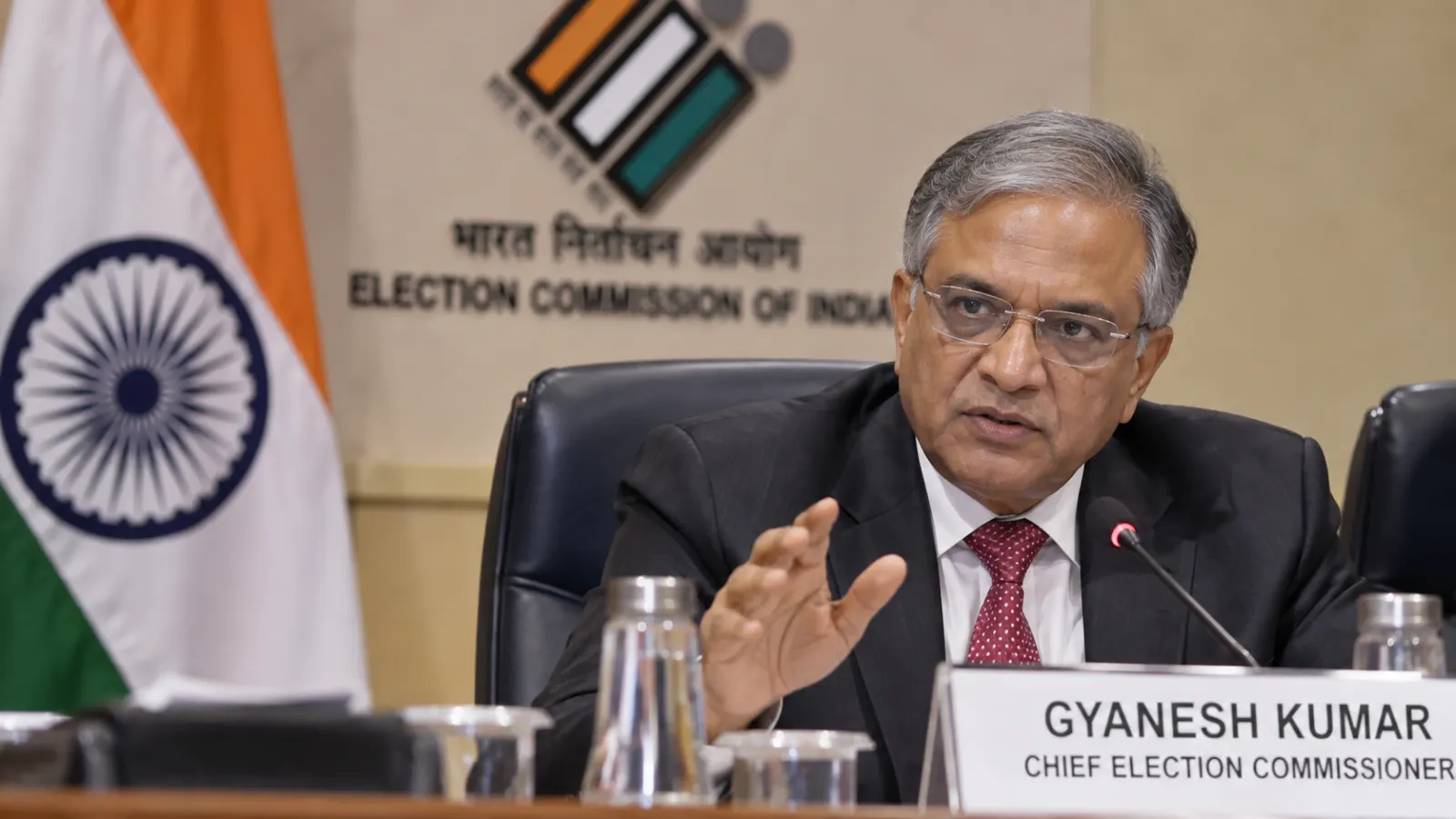
The Punjab and Haryana High Court, responding to petitions filed by affected candidates, issued notices to the state government and Punjab Police demanding explanation and action. The Election Commission has deployed additional central observers and recommended increased police deployment at sensitive locations.
Reactions
AAP spokespeople denied systematic violence by their party workers and said FIRs filed were politically motivated to discredit the government. Congress and SAD have released videos they claim show violence near nomination centres. The state BJP unit has demanded President's Rule, calling the situation a constitutional breakdown — a position most political analysts describe as politically opportunistic.
Civil society organisations have demanded all-party peace pledges and SC monitoring of the election process.
Impact Analysis
Election violence — even isolated incidents — has a chilling effect on political participation. When candidates fear physical harm from filing nominations, genuine competition for local representation is compromised. This undermines democratic accountability at the grassroots level — the very foundation of local governance.
What Happens Next
The High Court monitoring will likely ensure the nomination process continues with better protection. The violence narrative will dominate Punjab's political discourse in the run-up to polling day. Electoral outcomes in violence-affected constituencies will be watched to assess whether intimidation translated into distorted results.
FAQ
Q: Why does election violence happen in Punjab?
A: Local elections control significant resources and patronage. Political competition for these resources can turn violent in areas with weak rule of law norms.
Q: What action has the Election Commission taken?
A: Central observers deployed, increased police presence at sensitive locations, and state government warned.
Q: Can candidates who were prevented from filing nominations seek relief?
A: Yes — through election tribunal petitions, High Court, and Election Commission complaints.
Q: What is the Election Commission's power during elections?
A: During the election period, the EC has overriding authority over state governments for free and fair conduct.
Q: When are Punjab local elections scheduled?
A: The exact polling date is determined by the State Election Commission — expected in June–July 2026.